Landscaping with Evergreens: 9 Creative Ways to Enhance Your Garden
Evergreens provide endless possibilities for your garden design. From year-round greenery to seasonal color, they add structure and vitality, ensuring your space looks vibrant even in winter.
Low-maintenance and long-lasting, evergreen shrubs serve as versatile elements in your garden, either as standout features or as backgrounds for seasonal blooms.
Experts offer insights on effectively utilizing evergreens in your planting scheme, plus recommendations for the best evergreens for compact spaces.
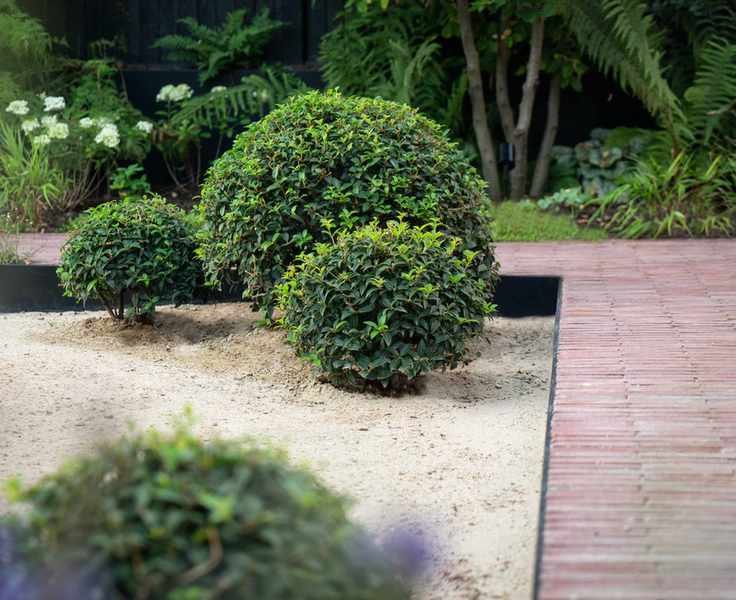
Landscaping with Evergreens
“Structural elements are essential,” says garden designer Jo Alderson. Evergreens facilitate enjoyment of your garden throughout the seasons.
“Consider structure and year-round interest when planning your garden. Evergreens anchor other plants,” adds designer Claudia de Yong.
Many beautiful evergreen plants exist, including flowering shrubs that offer seasonal hues. To enhance your home's curb appeal, explore various evergreen shrubs for the front yard.
“When landscaping with shrubs, consider their role in the garden. Are they for blocking unsightly views or creating focal points? Think about lighting up dark corners or adding visual interest when other plants are dormant,” suggests designer Fi Boyle.
1. Use Evergreens for Screening and Privacy
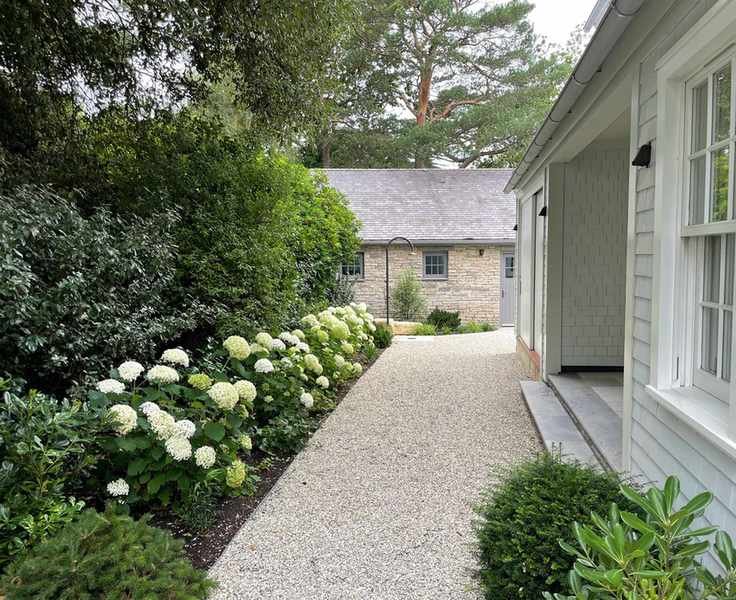
Evergreens excel at providing privacy, shielding your garden from roads or neighbors. They filter noise, enhance air quality, and offer nesting spots for birds, even in winter, contributing to a wildlife-friendly garden.
The best privacy shrubs are often evergreens, ensuring year-round coverage. By mixing varieties in terms of leaf shape and color, you can create stunning results. Variegated evergreens can brighten up darker areas,” Claudia advises. Fast-growing options yield quick results.
Using evergreens for natural garden divisions creates private seating areas or helps delineate different “rooms” in your outdoor space.
Be sure to learn about the best practices for planting shrubs to ensure their health and longevity.
2. Introduce Delightful Scents
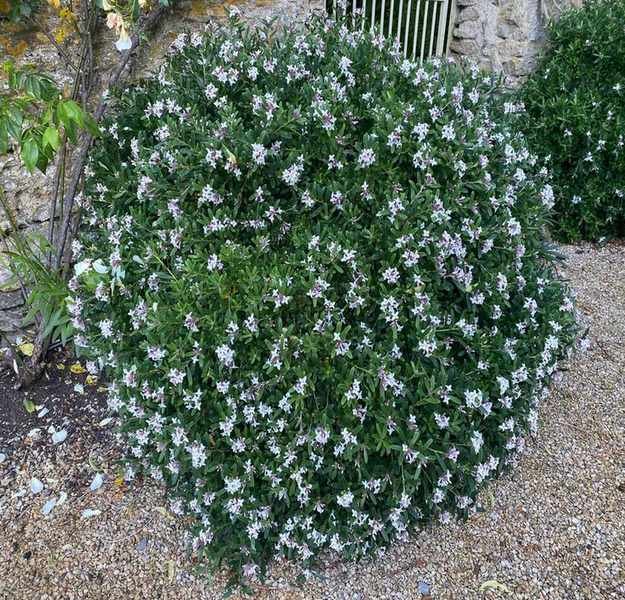
“Many evergreen shrubs boast fragrant flowers, a vital aspect of any garden,” explains designer Helen Elks-Smith. Incorporating these is essential when designing a sensory garden.
“A blend of just three plants can offer fragrance from December to October. I often choose the aptly named Sarcococca hookeriana ‘Purple Stem’ for a relaxed appearance, pairing it with the lush foliage of Daphne odora ‘Aureomarginata’ and Daphne x transatlantica ‘Eternal Fragrance’ for summer,” she adds.
Fragrant evergreens shine in winter when other plants are bare. “Plant a fragrant evergreen like Daphne bholua ‘Jacqueline Postill’ near a door for delightful scents during the cold months,” Harriet Farlam of Farlam & Chandler suggests. This enhances the sensory experience.
Elaeagnus × ebbingei is another fragrant choice, offering a wonderful aroma in fall despite its inconspicuous flowers, while Claudia praises Choisya ternata, or Mexican orange blossom, for its aromatic white blooms and resilience in full sun, making it ideal for low-maintenance borders.
3. Establish Form and Rhythm
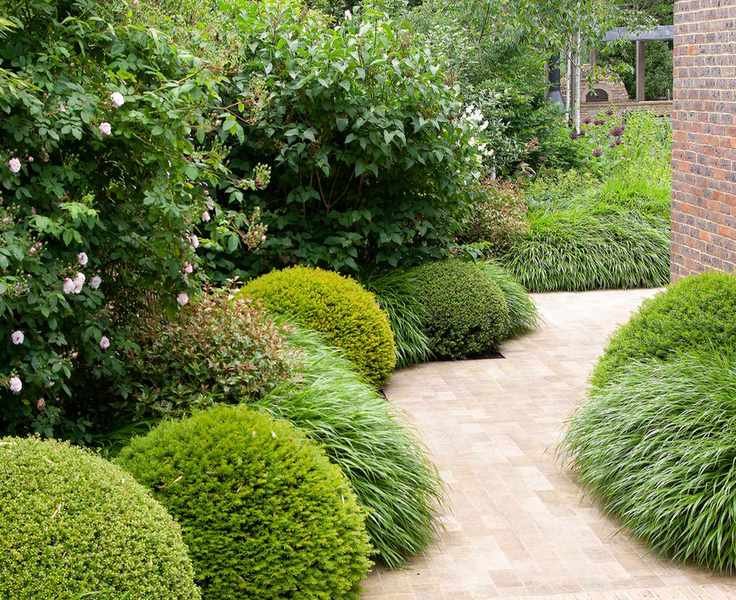
Start with form when landscaping with evergreens. “Combining mounding and arching shapes creates a balanced design,” says Helen Elks-Smith. Symmetrical mounds lend a traditional touch, while looser arrangements provide a relaxed vibe. Mounding forms add rhythm and movement, especially along pathways.
“Evergreen structures in borders can frame corners or enhance rhythm in perennial plantings,” adds Fi Boyle. For rounded shapes, try Pittosporum tenuifolium 'Golf Ball', which clips beautifully, or winter box, Sarcococca confusa, which also produces fragrant winter flowers.
“Some evergreens can become overgrown if not pruned, so select manageable varieties,” Claudia advises.
4. Create an Evergreen Backdrop
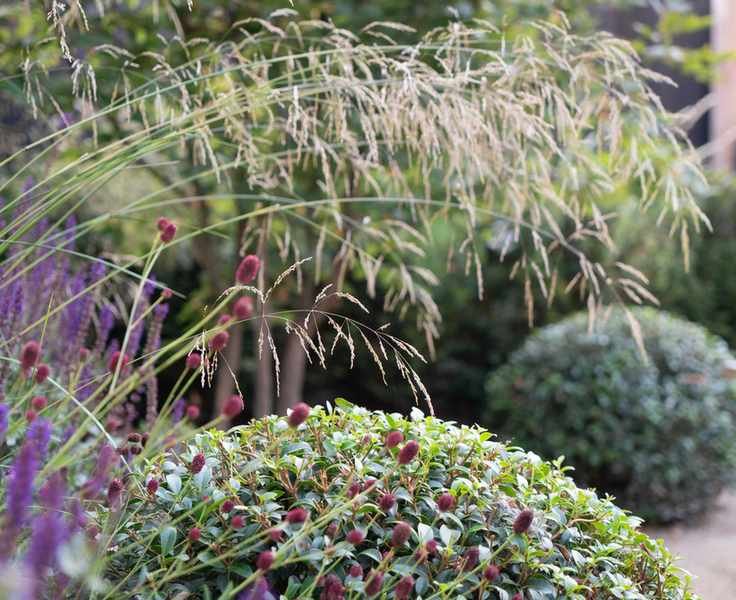
Evergreen shrubs can serve as the foundation for your garden, providing contrast to more fleeting blooms during summer, particularly effective in white gardens.
“Along with lavenders, rosemary, and ballota, Pittosporum tenuifolium and tobira thrive in coastal areas,” Harriet Farlam notes. Pittosporum can be clipped for a clean look, similar to English yew, which makes a striking dark backdrop. For a more relaxed option, consider Osmanthus x burkwoodii, which rewards you with fragrant white blooms in spring.
5. Design with Evergreen Hedges and Borders
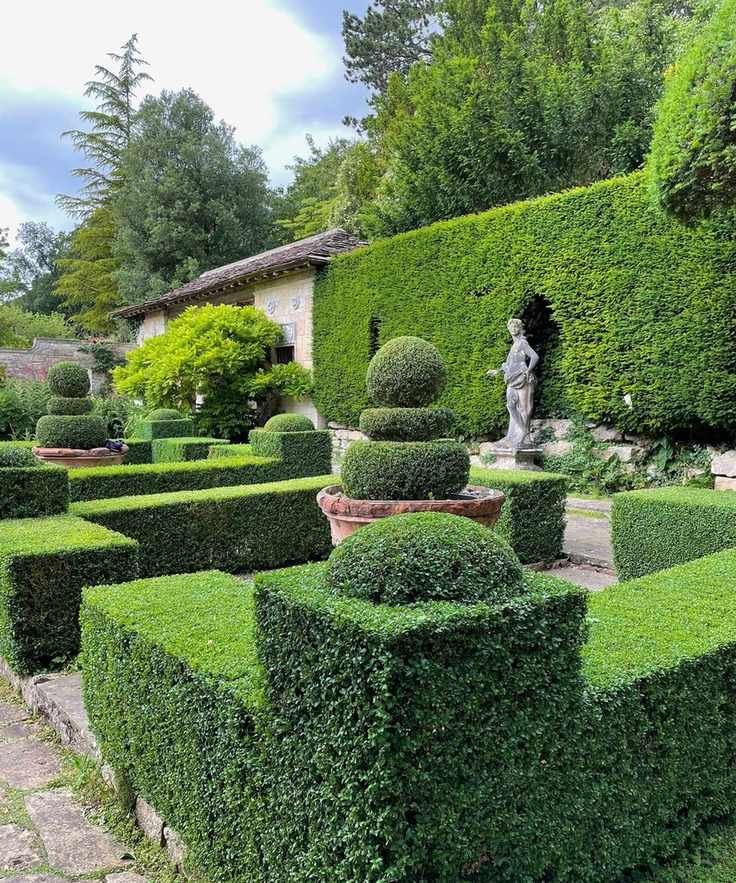
Natural privacy hedging is the most eco-friendly choice for borders and boundaries, forming a structural element year-round with numerous fast-growing options.
“Yew, Taxus baccata, creates a dense, easily pruned hedge,” suggests Fi Boyle. “For vegetable gardens, consider Viburnum tinus, which produces flowers and berries, benefiting pollinators and adding visual interest.”
Claudia recommends Prunus lusitanica (Portuguese laurel), jasmine-scented Osmanthus x burkwoodii, Ligustrum ovalifolium ‘Aureum’, or Elaeagnus pungens ‘Maculata’. For bold foliage, try Photinia ‘Red Robin’, which requires minimal pruning.
6. Establish Structure with Topiary
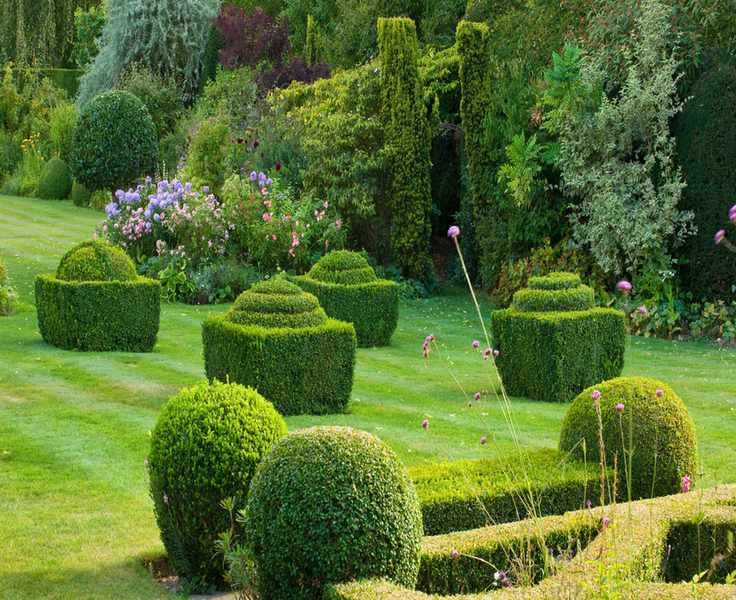
Topiary adds form and contrast across various garden styles, whether traditional or modern.
“Historically, Taxus baccata is the go-to evergreen for topiary due to its density and adaptability to various soil conditions,” Claudia notes. Other suitable plants include Viburnum tinus for shaping in-ground or in pots and bay trees, which thrive in containers and can be clipped into formal shapes.
Fi Boyle suggests other topiary options like Buxus sempervirens, Osmanthus burkwoodii, Ilex crenata, Sarcococca confusa, Phillyrea angustifolia, and Hebe ‘Green Globe’.
7. Brighten Shady Areas with Evergreens
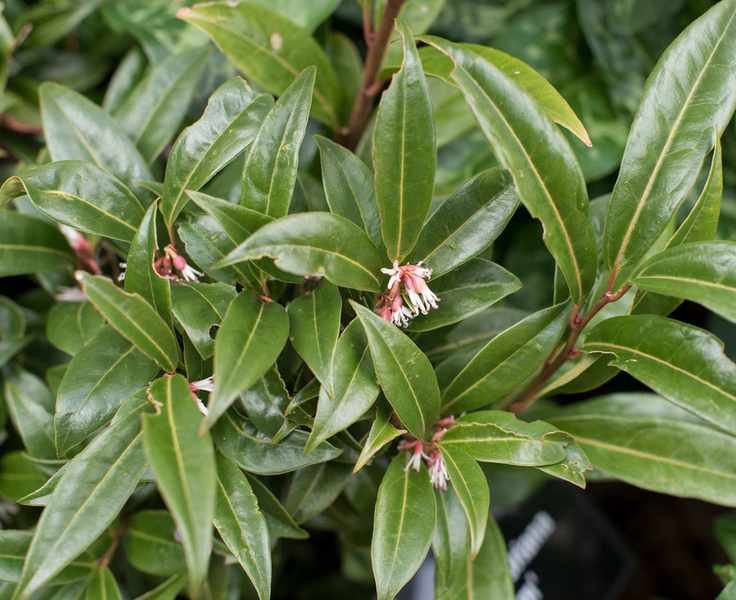
Many evergreen shrubs for shade add interest year-round and brighten dark corners with their blooms and foliage.
Claudia suggests Daphne pontica or Daphne laureola for shady areas. “Daphnes are slow to establish but offer evergreen and variegated forms with fragrant blooms. They dislike pruning, so choose their locations carefully,” she advises.
For a low-maintenance natural shape, Fi Boyle recommends Viburnum davidii, which bears white flowers and deep purple berries, while Aucuba japonica 'Rozannie' serves as an excellent filler in challenging spots.
“For compact areas of dry shade, Sarcococca is ideal, also serving well as path edging, where its sweetly scented flowers bloom from December to March,” Harriet adds.
8. Incorporate Symmetry with an Evergreen Parterre
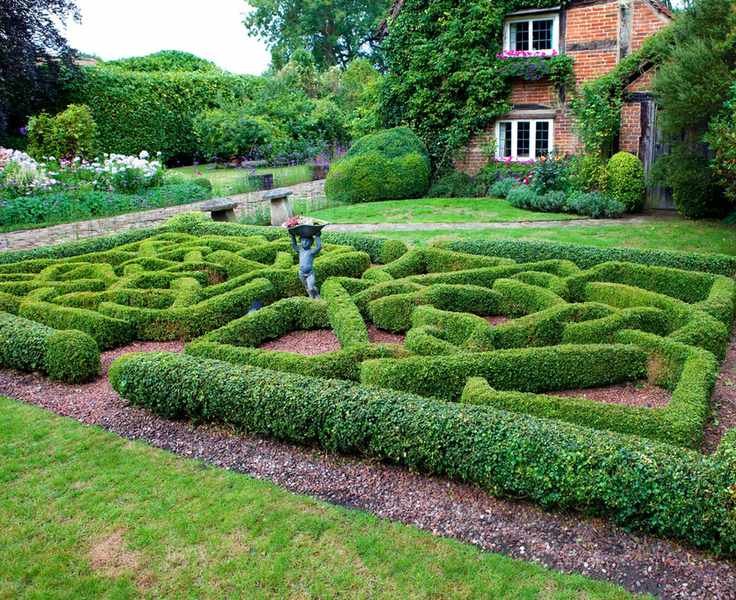
An evergreen parterre garden offers a timeless approach to landscaping.
While buxus is traditionally used for hedging, alternatives exist due to box blight concerns. “Consider clipped forms like Taxus baccata or the fluid shapes of some hebes, such as Hebe rakaiensis. Ilex x meserveae, Blue Maid, produces small white flowers and berries favored by birds,” suggests Helen Elks-Smith.
“Pittosporum can effectively replace buxus; P. ‘fastigiata’ has a columnar shape, while Ilex crenata tolerates tight clipping. For low-maintenance, Euonymus fortunei cultivars thrive in poor conditions and are suitable for north-facing walls,” Claudia adds.
9. Achieve an Exotic Vibe with Evergreens
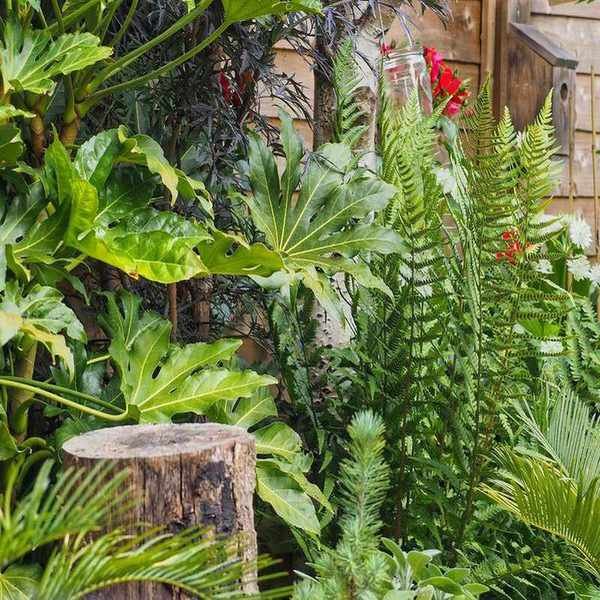
To create a tropical or exotic garden, consider Fatsia japonica, which thrives in shade and is perfect for north-facing gardens, says Claudia. Other options include Nandina domestica, featuring vibrant bamboo-like leaves that shift colors throughout the season, and Pieris japonica ‘Forest Flame’, with striking red growth in spring that turns pink and green.
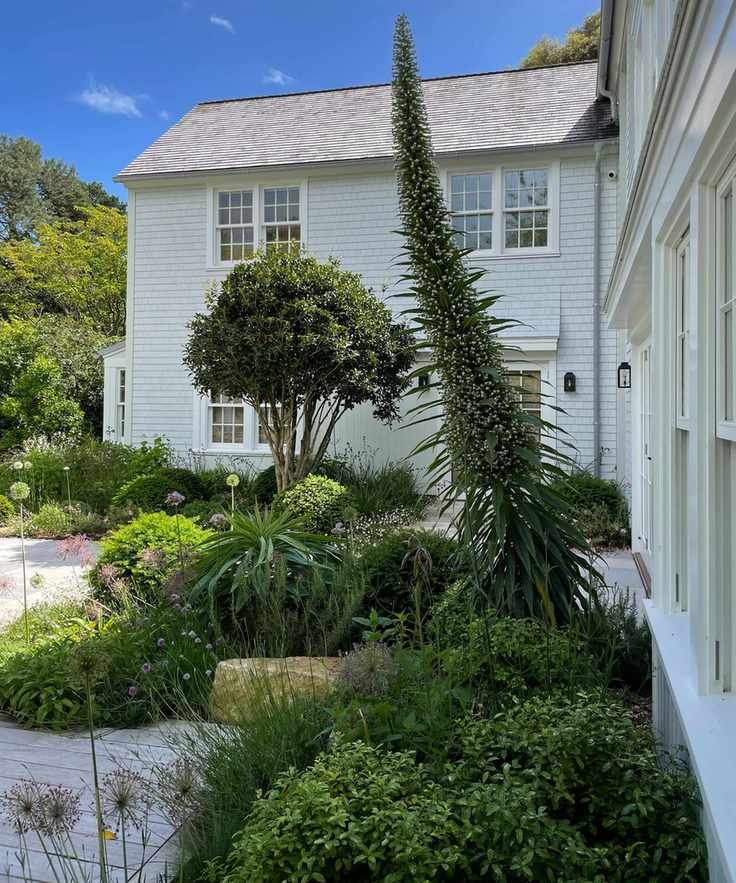
How to Create an Evergreen Garden
Designing an evergreen garden involves understanding each plant's role and crafting a balanced scheme with diverse forms.
Incorporate various shapes, sizes, leaf colors, and textures, along with flowering and fragrant evergreens, to enrich your garden throughout the seasons.
Alongside evergreen shrubs, consider evergreen climbers for walls and evergreen trees for height.
Match each plant to its ideal environment, ensuring they thrive. With thoughtful planning, your evergreen landscaping can create a stunning garden that endures through all seasons.