Top Privacy Hedges: 10 Plants for a Cozy Outdoor Screen
Privacy hedges are perfect for transforming your backyard into a private oasis. They not only block prying eyes but also add beauty to your outdoor space.
These plants act as natural windbreaks, create shelter, and frame your garden with vibrant greenery. Additionally, they provide birds with shelter and nesting spots, allowing you to enjoy their song throughout the year. Unlike trees, hedges take up less space and help maintain sunlight in your garden.
With fast growth and a dense appearance, these hedges can create an effective barrier, ensuring you can unwind in peace at home.
Top Privacy Hedges
If you're looking for hedges for privacy, security, or to carve out a private corner in your garden, consider these top choices.
1. Best for Impenetrability
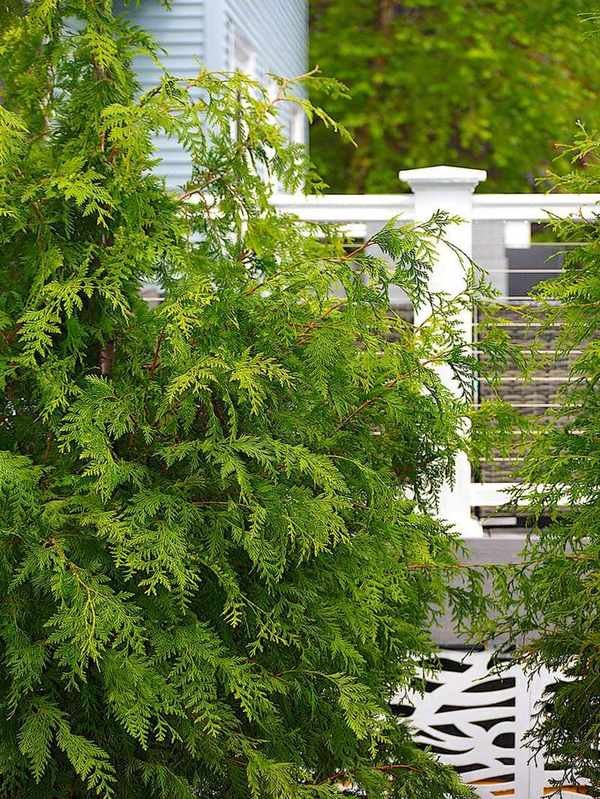
Arborvitae 'Green Giant' is an exceptional choice, providing thick growth that no one can see through.
'If I had to pick one plant, it would be arborvitae 'Green Giant' for its rapid growth and evergreen nature,' says a landscape designer. 'While I often mix different plants, arborvitae can be a great part of that mix.'
Growing tips: Prefers well-drained soil and thrives in full sun or partial shade. Space plants 5-6ft (1.5-2m) apart for a proper hedge.
Hardiness: USDA 5-8 (UK H6).
Height: 6-10ft (2-3m).
2. Best for Semi-Shade
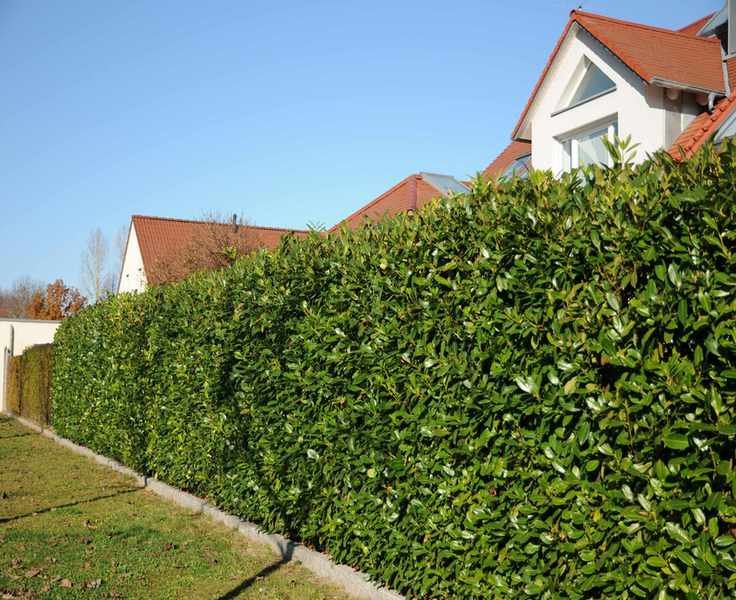
Skip Laurel (Prunus laurocerasus 'Schipkaensis') is a resilient cherry laurel that quickly forms a vertical evergreen hedge adorned with fragrant flowers in spring.
'Skip cherry laurel is my top choice for creating a buffer,' remarks a landscape designer. 'Its shiny leaves and white flowers attract pollinators.'
Growing tips: Thrives in rich, well-drained soil in semi-shade. Trim the hedge after flowering unless birds are nesting, in which case wait until August.
Hardiness: USDA 6-9 (UK H5).
Height: 6-10ft (2-3m).
3. Best for Security
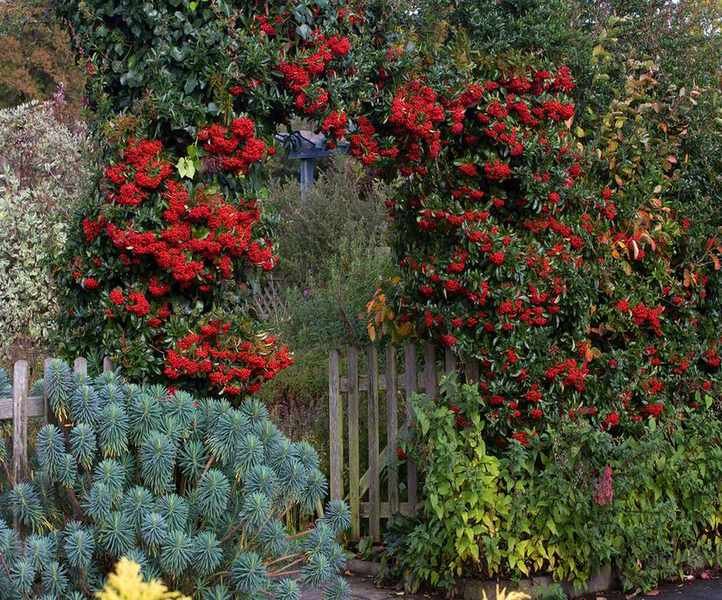
Firethorn (Pyracantha) is a fast-growing shrub with sharp spines, making it an effective security barrier recommended by the Metropolitan Police in London.
Its blossoms attract bees in spring, and in the fall, it provides a feast for birds with its colorful berries. The variety Saphyr Orange is particularly striking with its bright berries.
Growing tips: This evergreen can be planted against a wall or as a standalone hedge. Ensure it's in well-drained soil and full sun or partial shade.
Hardiness: USDA 6-9 (UK H6).
Height: 12ft (4m).
4. Best for Color
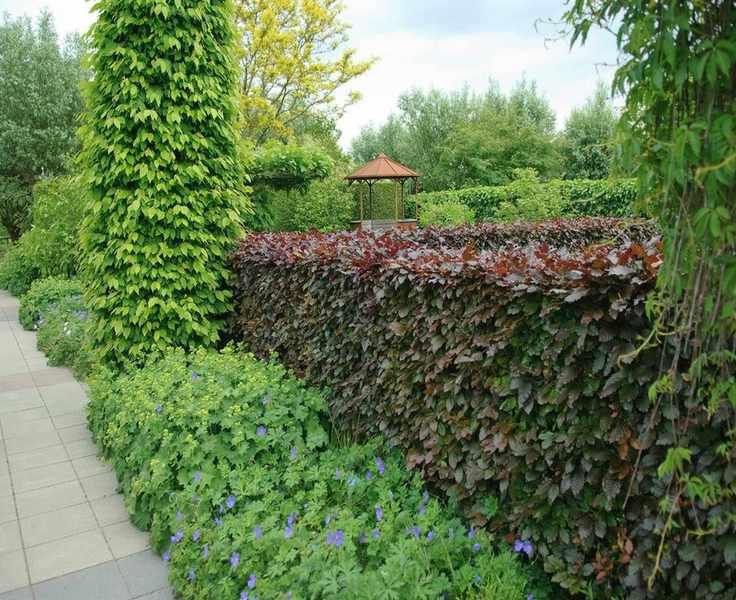
Copper Beech creates a refined hedge that can be shaped neatly. In summer, its dark leaves provide elegance, while in winter, the rusty leaves continue to offer privacy.
'Copper beech hedges are stunning,' noted a renowned garden designer, particularly after trimming when new growth contrasts beautifully with established leaves.
Growing tips: Hedge trimming should occur in August to retain leaves in winter. Beech can tolerate wind well, making it suitable for exposed areas.
Hardiness: USDA 4-7 (UK H6).
Height: 6-10ft (2-3m).
5. Best for Soft Shape
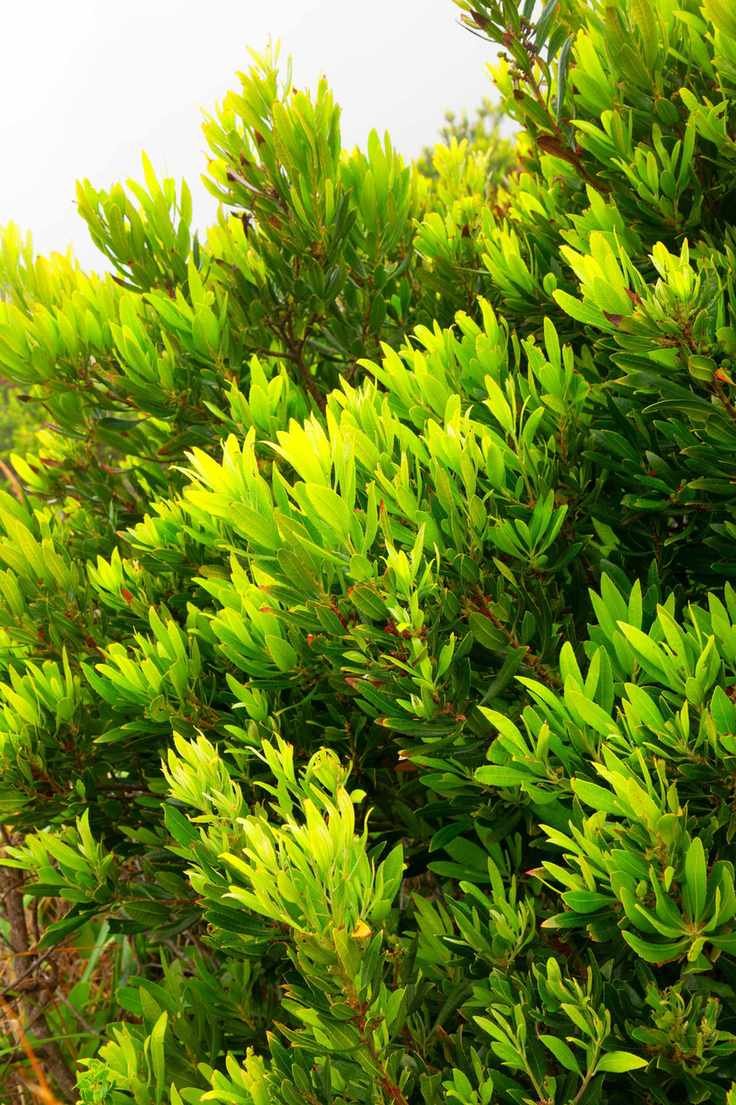
Pacific Wax Myrtle (Morella californica) is a fragrant evergreen shrub from the US West Coast, known for its rapid growth and long lifespan.
'I love the Pacific wax myrtle for its soft, airy growth,' shares a landscape architect. 'Its berries benefit birds, and the texture is refreshing compared to traditional hedges.'
Growing tips: It thrives in well-drained soil and can be pruned or left to grow freely as an informal hedge. It's also drought-resistant.
Hardiness: USDA 7-10 (UK H5).
Height: 6-30ft (2-9m).
6. Best for Winter Color
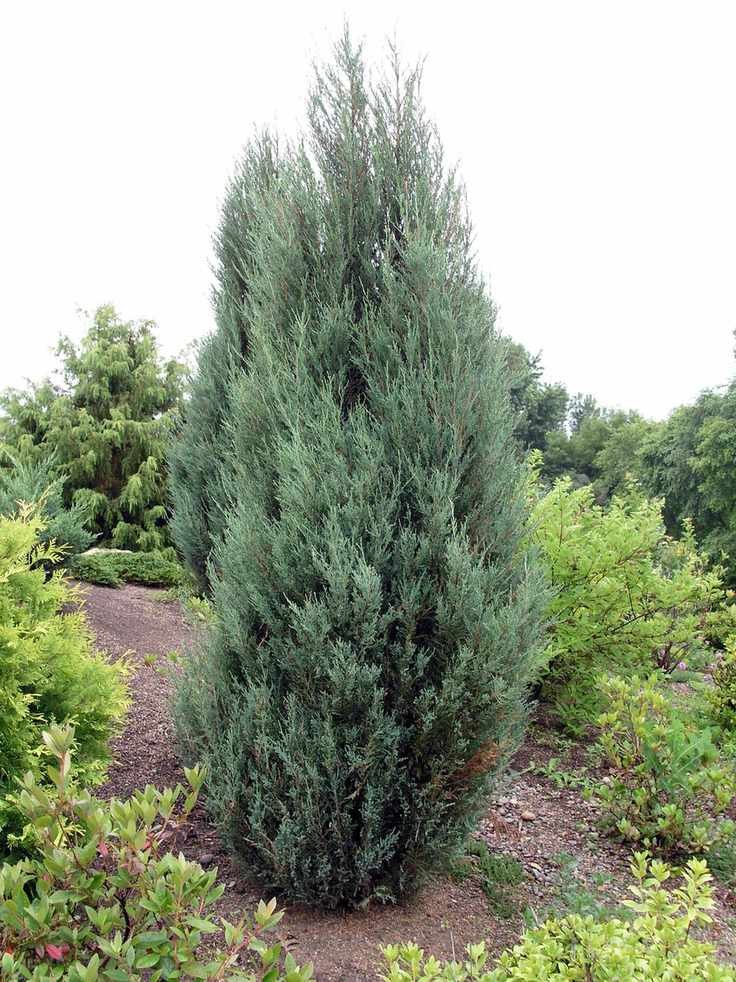
Juniperus scopulorum 'Blue Arrow' showcases stunning blue foliage year-round, especially captivating during winter.
'Juniper can be a great alternative to arborvitae for privacy screens,' a landscape designer mentions. 'It's hardy across many zones and supports local wildlife.'
Growing tips: Best planted in well-drained soil and can be pruned in early autumn. Space plants closely for quicker hedging.
Hardiness: USDA 2-9 (UK H6).
Height: 5-15ft (1.5-4.5m).
7. Best for Wildlife
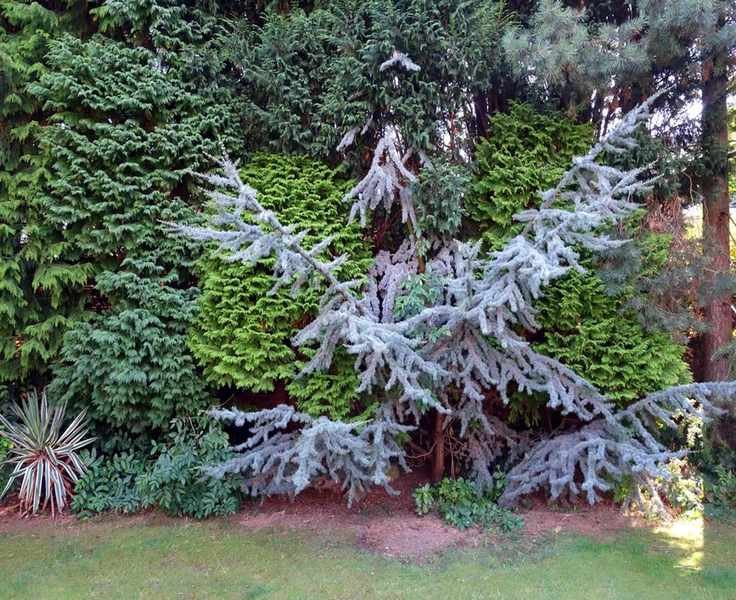
Mixed Hedging offers a vibrant blend of colors and textures, ideal for attracting birds and bees.
'I prefer mixing different shrubs and grasses for a more dynamic hedge,' states a landscape designer. 'This method is more environmentally friendly and easier to maintain.'
Growing tips: Start with larger plants for faster growth and better establishment.
8. Best for Topiary
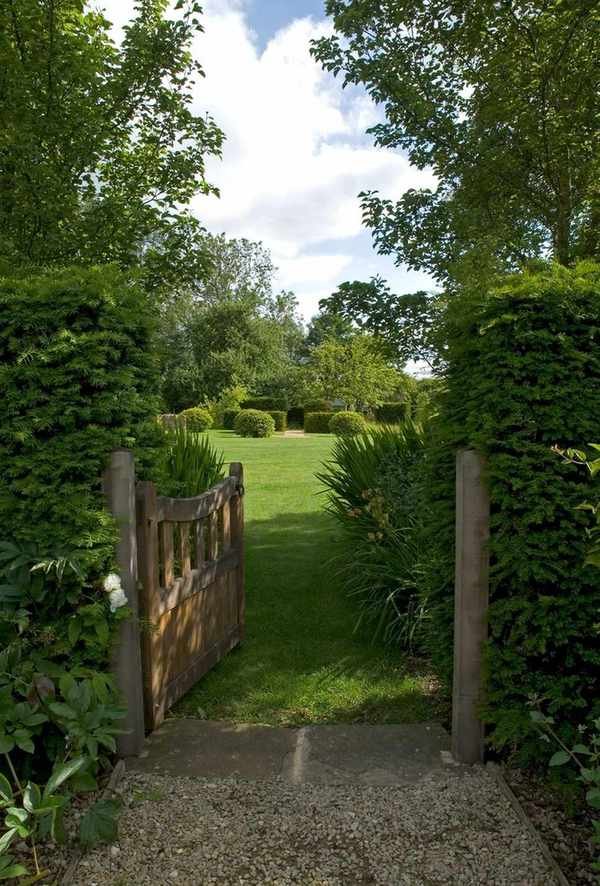
Yew has been a staple of formal gardens for centuries, known for its dense growth and versatility in topiary design.
A famed garden creator called yew the finest hedging plant, noting its rapid growth and how easily it can be shaped.
Growing tips: Ideal for spacious gardens due to its dark foliage. Regular watering is essential until established. Note: All parts of yew are toxic.
Hardiness: USDA 5-8 (UK H7).
Height: 6-8ft (2-2.5m) or taller.
9. Best for Sound

Bamboo offers a modern, dense hedge that creates a soothing rustling sound when the wind blows.
Fargesia (F. rufa or F. murielae) is ideal for small gardens, while taller types like Phyllostachys aurea can thrive in larger areas.
Growing tips: Fargesia is non-invasive, but be cautious with other types. Regularly trim any runners to manage growth, and consider installing a bamboo barrier.
Hardiness: USDA 4-9 (UK H5-6); varies by type.
Height: 10-15ft.
10. Best for Scent
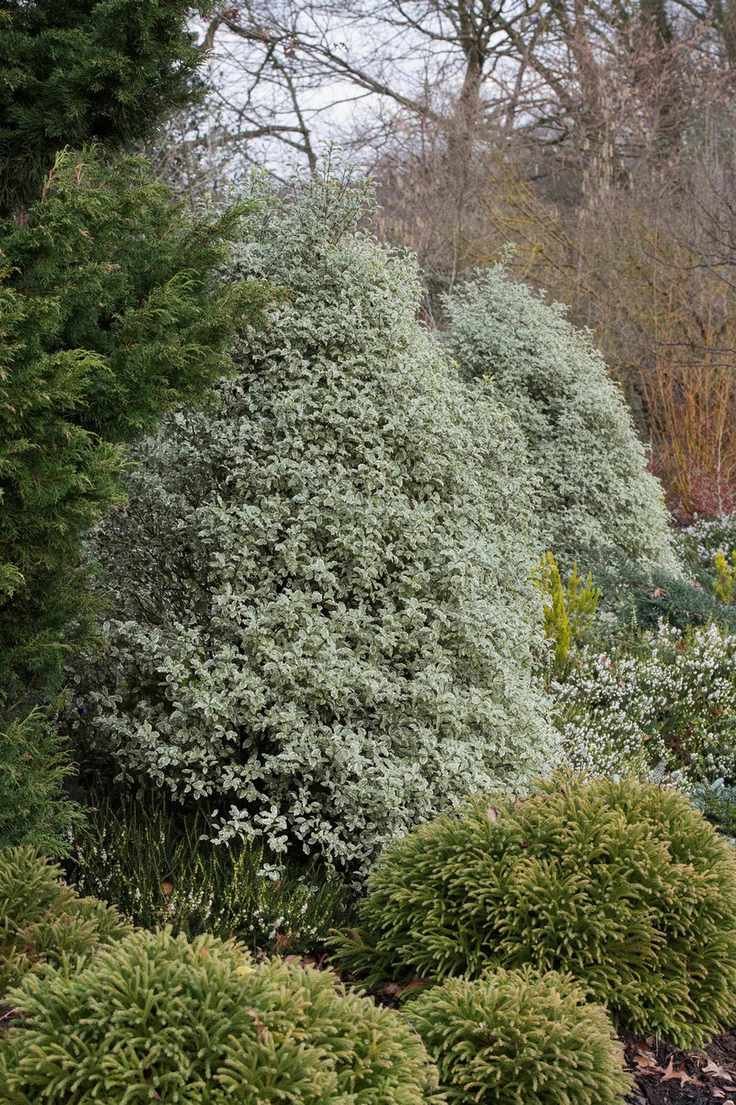
Pittosporum is sought after for its glossy leaves and fragrant flowers.
'Pittosporum tenuifolium is fast-growing and easy to manage,' states a garden designer. 'Varieties like 'Abbotsbury Gold' offer delightful scents, perfect for evening enjoyment.'
Growing tips: Select larger varieties for tall hedges and plant in well-drained soil. For best results, choose sunny spots for flowering and protect in winter.
Hardiness: USDA 7-10 (UK H3-4), depending on species.
Height: 4-15ft (1-4.5m).
Best Fast-Growing Hedge for Wildlife
For quick privacy solutions, opt for larger native plants, suggests a gardening expert. Layering different types, like arborvitae, grasses, and shrubs, can provide year-round color and benefits for local wildlife.
Best Long-Term Privacy Hedge
A mixed hedge is ideal for sustainable privacy. It supports diverse wildlife and presents a stunning visual display through the seasons. If part of the hedge dies, replacing it is easy without disrupting the overall look.
'I prefer lively, mixed hedges over traditional uniform ones for their ease of maintenance and ecological benefits,' remarks a landscape designer.