Create a Hedgehog House to Help These Essential Garden Guests
With their adorable spiky fur and curious little noses, hedgehogs have a special charm. Once a common sight in UK gardens, these creatures are now increasingly rare.
Recently classified as vulnerable to extinction, hedgehogs need our help more than ever. The Wildlife Trusts reports that there were around 1.5 million hedgehogs in 1995, but now fewer than 500,000 are thought to exist.
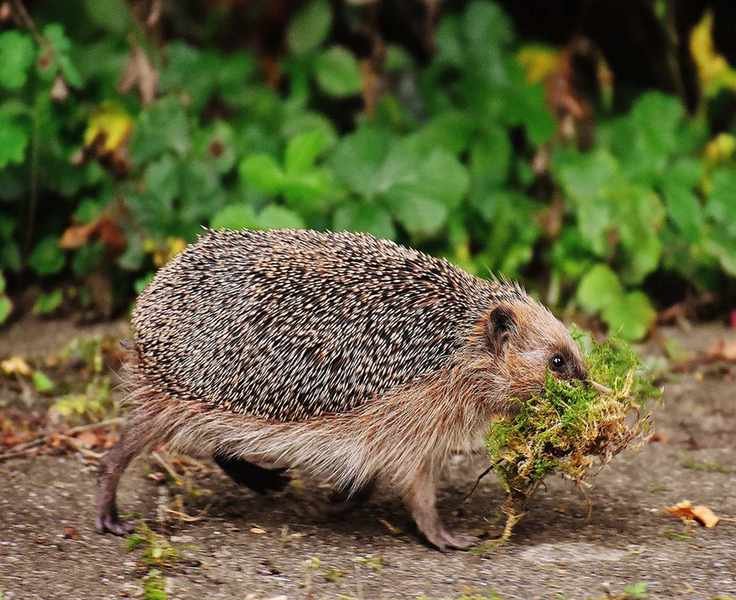
The drastic decline in their numbers is largely due to habitat destruction from urban development and deforestation, compounded by a decline in food sources linked to the increased use of pesticides in agriculture and home gardens.
"Hedgehogs are becoming incredibly rare," states gardening expert Monty Don. "If you spot one in your garden, it's essential to take care of it."
According to Sally Coulthard in her book The Hedgehog Handbook, "Constructing a hedgehog house gives them a safe, warm environment to sleep, reproduce, or hibernate."
Do hedgehogs actually use these houses?

Yes, hedgehogs do utilize these shelters, providing essential refuge whether they are hibernating during the winter or resting throughout the day. With their natural habitats vanishing quickly, this protection is critical.
Hedgehogs are beneficial garden companions as they consume slugs, snails, and other pests. To protect them, avoid using slug pellets, which can be lethal to hedgehogs and decimate their food supply. Instead, shield plants overnight with protective covers, beer traps, copper tape, or crushed eggshells. Gradually, hedgehogs (along with birds) will help manage the slug issue for you.
What type of hedgehog house is most effective?
There are numerous options available.
Building your own hedgehog house is quite simple. Many free plans online guide you through creating a wooden structure. For a quick alternative, take an old plastic storage bin, cut a door and two small ventilation holes, and fill it with dry leaves.
If you prefer a ready-made option, garden centers and wildlife organizations offer a wide variety of styles—from charming wooden cabins to natural twig igloos. You're sure to find one that complements your garden's aesthetic.
How to entice hedgehogs into your house
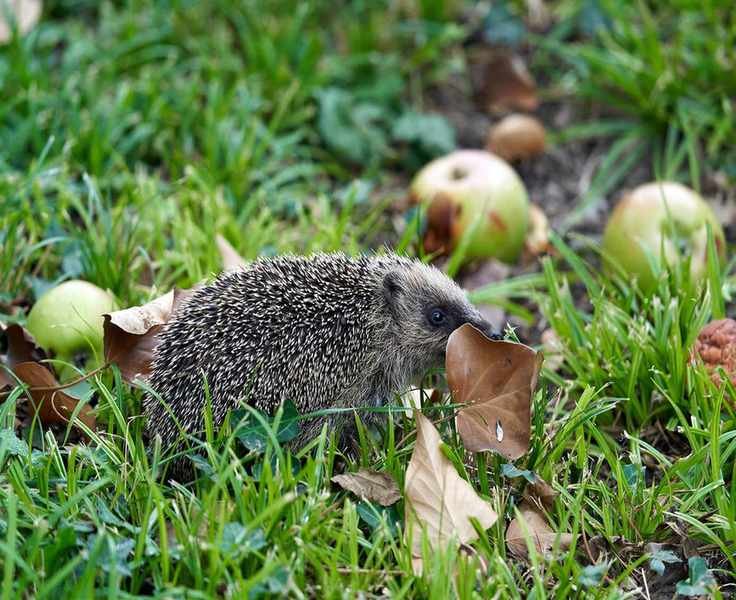
"Position the house near ample nesting materials—hedgehogs prefer to create their own nests, so placing the box near leaves, straw, hay, grasses, or fine twigs is ideal; the more untidy, the better," advises Sally Coulthard in The Hedgehog Handbook.
Refrain from clearing or trimming the plants surrounding the house—hedgehogs like to feel concealed. "Place it in a quiet area of your garden, and it will shelter multiple hedgehogs—some may stay for just one night, while others may hunker down for weeks during winter."
To further attract and retain hedgehogs, avoid chemicals, be cautious when mowing or clearing, ensure your pond has a safe exit ramp, and keep netting elevated. Lastly, provide food and water, but not inside the house. Hedgehogs typically don't eat where they sleep, so place the food bowl nearby instead.
How to attract hedgehogs without inviting rats

Create a 'hedgehog highway' by cutting small openings in your fences, allowing them to wander freely between gardens.
"Make openings in your fences so they can move between gardens," suggests gardener Kate Bradbury. "They can travel up to a mile each night in search of food, so one garden alone is often insufficient for them."
"Avoid excessive tidiness," advises Monty Don. "Try not to disrupt natural hibernation spots, particularly if you are vigorously cleaning up after a long winter."
To prevent attracting rats, place the hedgehog's food in an open space next to the house—rats prefer the edges and are less likely to venture into open areas. Feed them just before dusk (hedgehogs are nocturnal) and only put out a small amount. While cat food works well, it's best if they can feast on garden pests instead.
What food is suitable for hedgehogs?

Never provide milk to hedgehogs, as they are lactose intolerant. Instead, offer cat or dog food (either canned or dry), which is readily available and generally appreciated. Use a sturdy bowl or terracotta dish, as hedgehogs can easily knock over lightweight containers due to their poor eyesight.
In addition to slugs and snails, hedgehogs enjoy earthworms. Promoting earthworm populations in your soil not only feeds hedgehogs (and birds) but also enhances soil health, as noted by Sally Coulthard in The Hedgehog Handbook. Distributing decaying organic matter like compost, dried leaves, or manure in your beds will help earthworm populations thrive.
Should you clean the hedgehog house?

It's best to clean the hedgehog house once a year in mid-to-late spring to prevent pests from taking over. Just ensure no hedgehogs are inside before you begin.
Overall, a hedgehog house is a low-maintenance addition that can significantly benefit local wildlife.