Growing Rosemary: Tips for Planting from Cuttings and Seeds
Learning to grow rosemary can bring immense joy with its delightful aroma and flavor. This culinary staple not only enhances dishes but also attracts beneficial pollinators like bees. Whether you choose to add a single pot to your patio or create a lush herb garden, growing rosemary will delight both you and nature.
Renowned for its versatility, rosemary elevates the taste of meats, particularly lamb, as well as fish, tomato dishes, beans, and sauces. According to expert Judith Hann, 'Rosemary can be both beautiful and low-maintenance; when planted properly in spring with well-drained soil, it can thrive for decades.'
There are various rosemary types to consider, with Miss Jessopp's Upright being especially popular for its appearance and flavor. Other favorites include Benenden Blue, Lady in White, the Prostratus Group, Majorca Pink, and McConnell's Blue.
As an evergreen shrub, rosemary can provide fresh herbs year-round.
Successful Rosemary Cultivation
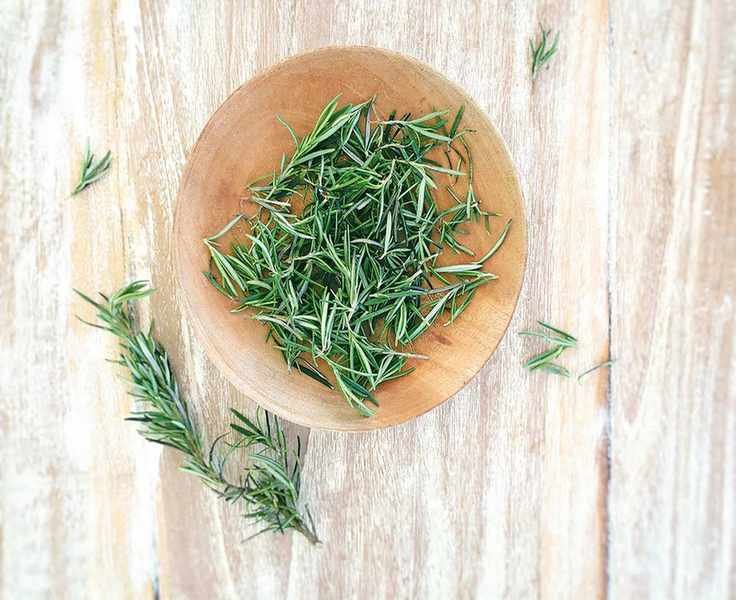
For successful rosemary cultivation, understanding its native Mediterranean origins is crucial. Position the plant in a sunny and sheltered area of your garden. Surprisingly, rosemary is frost-resistant, but it requires well-drained soil and struggles in heavy clay or soggy conditions.
Celebrity gardener Monty Don notes, 'While rosemary can endure temperatures as low as 5°F (-15°C), it detests being in cold, wet soil. Adequate drainage is vital for thriving plants.' If you reside in zone 6 or colder, consider bringing rosemary indoors during winter or treating it as an annual.
Growing Rosemary from Cuttings
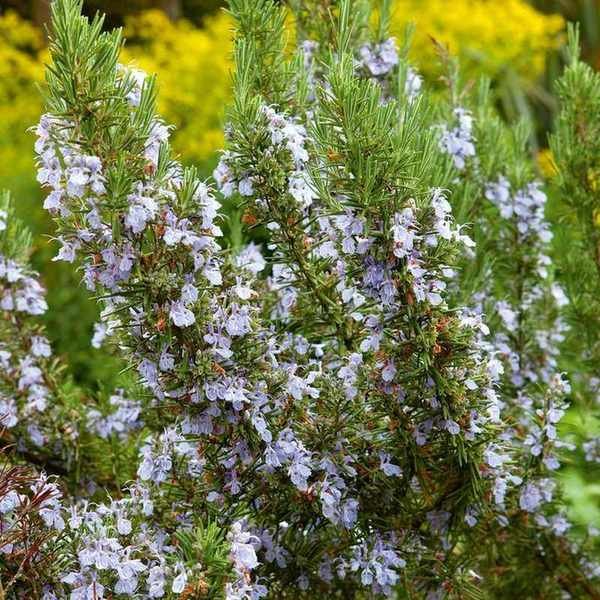
Propagating rosemary from cuttings is an efficient method for creating new plants. According to Hann, 'Rosemary is simple to propagate using softwood cuttings.' The ideal time for cuttings is spring, after flowering, though summer and fall can work if the plant isn't actively blooming.
Cut 3 to 5 inches of non-flowering shoots just below a leaf node with a sharp, clean blade. If you can't plant them right away, store the cuttings in a sealed plastic bag away from direct sunlight.
To root, remove most lower leaves and insert the stems into gritty compost with a good amount of vermiculite. Use a larger pot for multiple cuttings or individual modules in a seed tray.
Dipping the stems in rooting hormone can enhance success rates, though it's not mandatory. Water the cuttings and place them in a propagator, cold frame, or bright windowsill. Keep the soil consistently moist.
Check for roots after about four weeks. Gently tug; if you feel resistance, roots have formed. Transfer rooted cuttings into individual containers with loam-based compost, continuing to water until the roots fill the pots. By the following spring, these plants will be ready for their final outdoor spots.
Growing Rosemary from Seeds

According to Monty Don, 'Rosemary seeds sown in spring can be pricked out into pots and moved outdoors the following year.' Seed cultivation requires patience, and you should plant four times as many seeds as you want successful plants due to low germination rates.
Start seeds indoors at least three months before the growing season, using well-draining compost with vermiculite or perlite. Moisten the mix without soaking it. Scatter seeds on top and cover lightly with potting mix, misting the surface with water. Cover with plastic or place in a propagator.
Remove the cover when seedlings emerge, typically after 14-28 days. Position them in direct sunlight, ensuring the soil remains moist.
Once seedlings reach 3 inches tall, pot them on or plant them outside if conditions allow.
Timeframe for Growing Rosemary
From seed to harvest, rosemary takes about a year to mature outdoors. Growing from cuttings can shorten this period to around six months, allowing you to enjoy fresh rosemary sooner.
Optimal Conditions for Rosemary
Rosemary grows best in sunny, sheltered areas with well-drained soil. Leigh Clapp advises that 'shrubby herbs like rosemary prefer soils that aren't overly acidic.' If your soil is heavy or too acidic, consider container gardening as rosemary thrives in pots.
Potted Rosemary Care
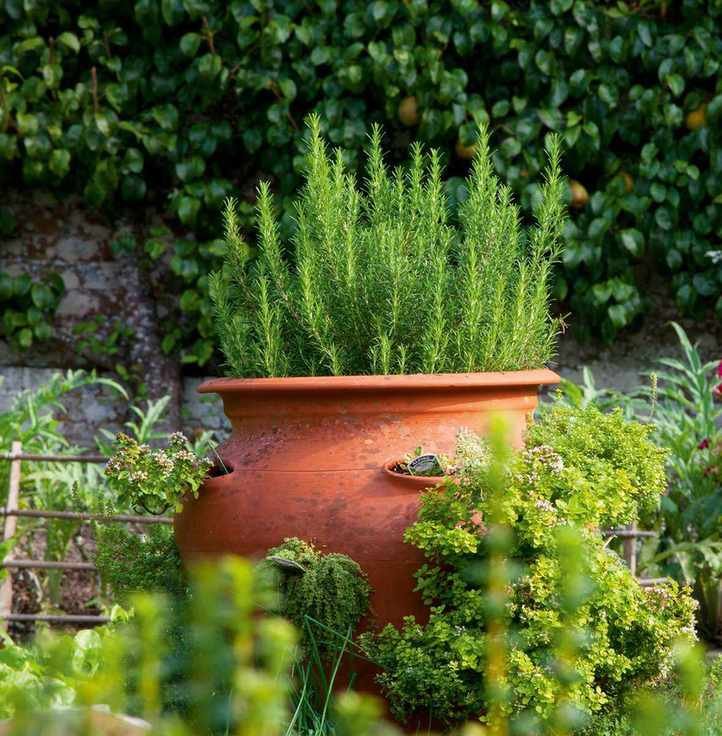
According to Hann, 'Pots are ideal for less hardy rosemary varieties, especially in colder regions.' Select a pot with a diameter of at least 12 inches and adequate drainage holes.
Always use well-drained soil, mixing in grit with compost. Avoid overwatering and only fertilize after flowering. In freezing conditions, you may need to protect your plants with fleece.
Caring for Your Rosemary Plant
Rosemary care is straightforward, provided you have the right soil and temperatures above 5°F. It's better to underwater than overwater, as rosemary thrives in dry climates. This drought-resistant herb only needs occasional watering once established.
Leigh Clapp recommends 'feeding with nitrogen fertilizer to promote healthy foliage.' Mulching helps suppress weeds and retain summer moisture.
Frost damage can be mitigated by covering plants with fleece or bringing them indoors. For any damage, prune away affected stems. Rosemary beetles can be managed by handpicking them off the plants, as they can quickly strip leaves if left unchecked.
Fungal diseases thrive in moist, humid environments. Ensure good air circulation around the plant by removing weeds and any touching branches. Regular pruning is beneficial; Hann suggests pruning once a year, typically after winter blooms, or in autumn. Growing rosemary in a fan shape against south-facing walls can also be effective.