How to Create Good Feng Shui in Your Home: 10 Room-by-Room Tips
Feng Shui might be an ancient practice, but its principles still hold real value for modern homes. By tuning into our living spaces, we can design environments that support us — and who wouldn't want a home that feels both relaxing and energizing?
Applying bedroom Feng Shui can boost wellness and create a restful sleep sanctuary. And when you carry that mindful approach throughout your home, understanding Feng Shui's core meaning, you'll cultivate a space that feels nurturing and comfortable.
Below, we've gathered expert advice on how to bring good Feng Shui into your home, room by room. These simple shifts can make a surprisingly big difference in your surroundings — and your life.
The Basics of Good Feng Shui at Home
Feng Shui promises spaces that feel balanced and harmonious. By arranging buildings, objects, and rooms according to its principles, you can improve the flow of positive chi — the life force in everything — and keep negative energy at bay.
But how do you actually bring those benefits into your interiors? Take these room-by-room tips as your starting point.
1. Let Chi Flow Freely in the Living Room
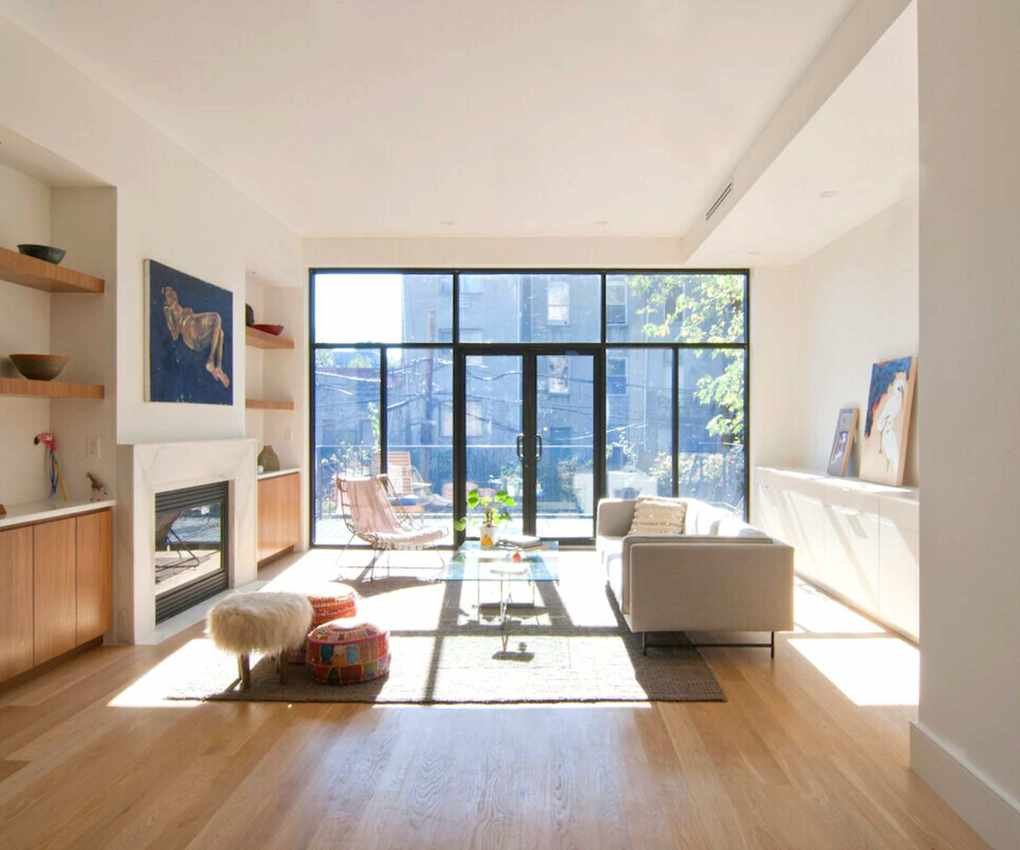
Living room Feng Shui can set a positive tone for this heavily used space. So where do you begin?
'First, look closely at your layout and pinpoint any spots that feel cramped or cluttered,' says Luke Lee, founder and designer of Ever Wallpaper, a company focused on making interiors more comfortable and healthier. 'These are places where chi tends to get stuck, so make sure they're well ventilated and free of obstacles.'
Where you place your sofa matters a lot in Feng Shui — it directly affects energy flow. Never put it directly in front of a window; instead, position it against a wall and where you can see the door without being in line with it.
2. Prioritize Bedroom Layout
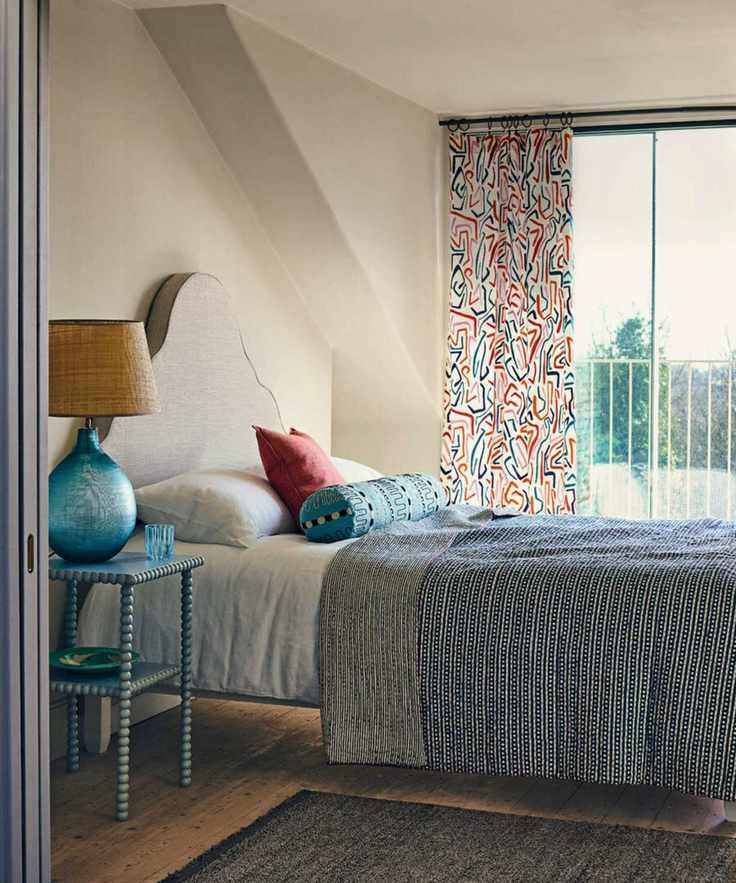
Setting up a bedroom for good Feng Shui energy aims to make it a place of rest and renewal. A Feng Shui bedroom layout creates the conditions for those desirable outcomes.
Feng Shui bed placement is a key part of good Feng Shui furniture placement and crucial for creating 'good' energy. Since the bed is the largest piece in the room, its position shapes how the whole space works.
The commanding position is essential here: your bed should be placed so you can see the door from it, but not be directly in line with it. Also, your feet shouldn't point straight out the door — that's the Feng Shui death position (or coffin position), which is said to disrupt sleep. And Feng Shui advises against placing a bed under a window.
3. Bring Metal into the Kitchen
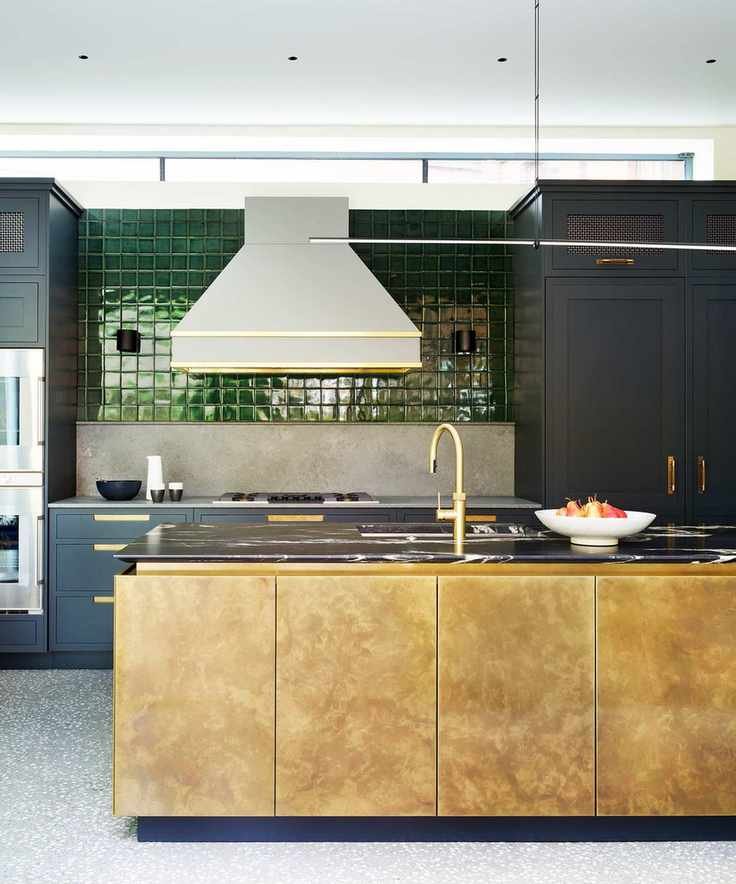
Metal is one of the five key Feng Shui elements — along with wood, earth, water, and fire. Each element carries specific qualities; metal is linked to clarity and precision.
Add metal to your kitchen to invite those attributes. Think metal backsplash ideas, or incorporate it through cabinet handles and knobs. White and gray tones, as well as metallic finishes, also count. You could paint walls or choose cabinets in these colors.
4. Boost Productivity in a Home Office

With more of us working from home, office Feng Shui ideas are worth exploring to advance your career and maximize productivity. Position your desk in the commanding position (as with the bed in the bedroom): you should see the door, but the desk shouldn't be directly in line with it.
Also practice desk Feng Shui. Clear clutter, then add objects representing the five elements — wood, fire, earth, metal, and water — to balance energy and encourage positive chi flow.
5. Choose Calming Bedroom Colors
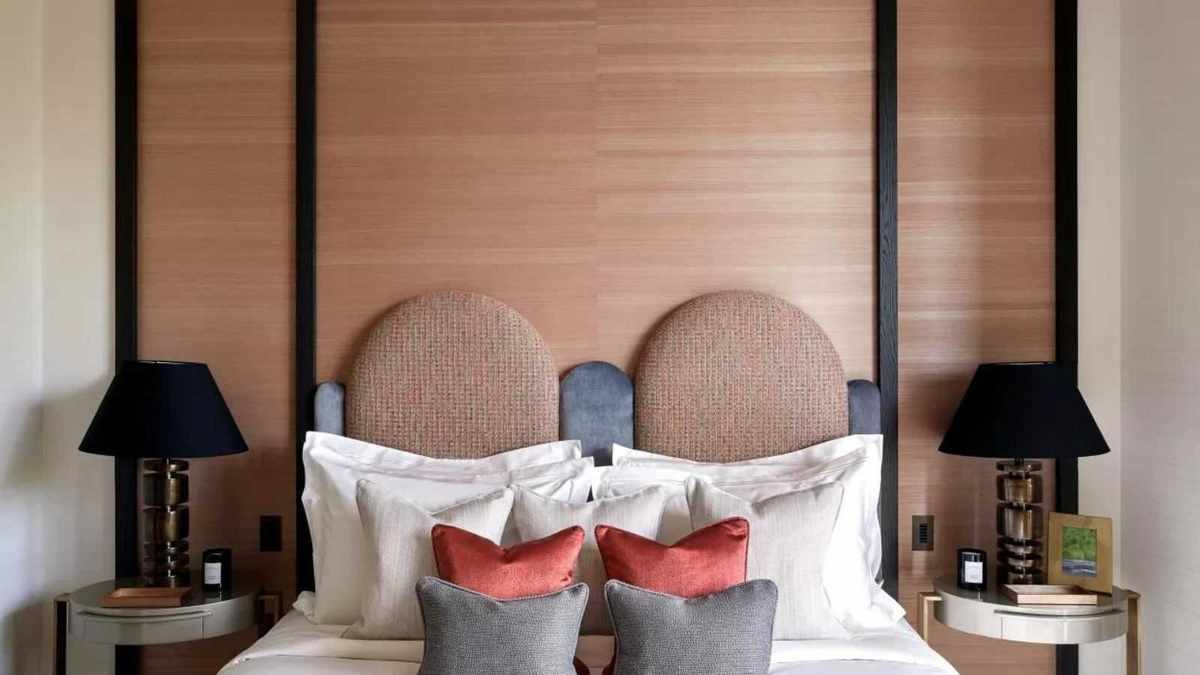
Feng Shui bedroom colors should lean toward the soothing. 'Practitioners recommend warm, rich earth tones like copper, coral, cream, and cocoa to create a cozy, welcoming atmosphere,' says Karin Sun, home design industry expert and founder of Crane & Canopy.
'Soft, natural colors like light blues, greens, and lavenders also create quiet, tranquil energy. Adding bright pinks and reds can boost romance, but limit those to accents — pillows, throws, or decorative pieces. Use a softer pink for bedding or walls, or it can feel overwhelming.'
6. Understand Bedroom Mirror Rules
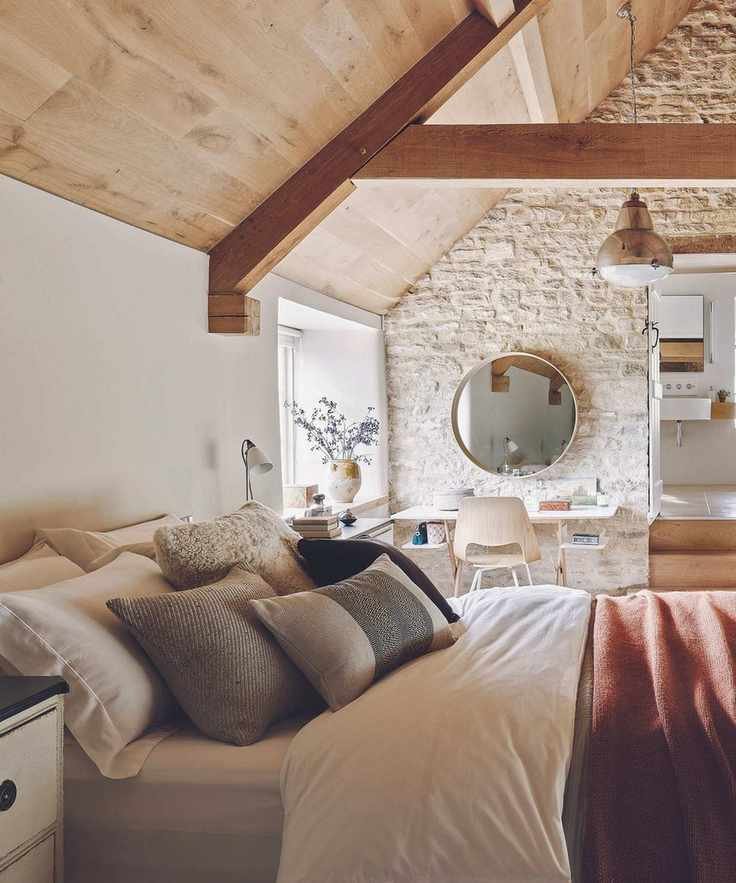
You might have wondered whether you should have a mirror in your bedroom according to Feng Shui — some practitioners say no. But there are guidelines on where mirrors can go.
Mirrors are said to reflect energy around the room, affecting sleep quality and well-being. Going without one can be inconvenient, but with proper placement you can still include one.
A key rule: don't place a mirror opposite, next to, or above your bed. 'Besides bouncing too much energy around to allow restful sleep, these reflective surfaces are thought to magnify problems and worries,' says Karin Sun.
7. Apply Bathroom Feng Shui
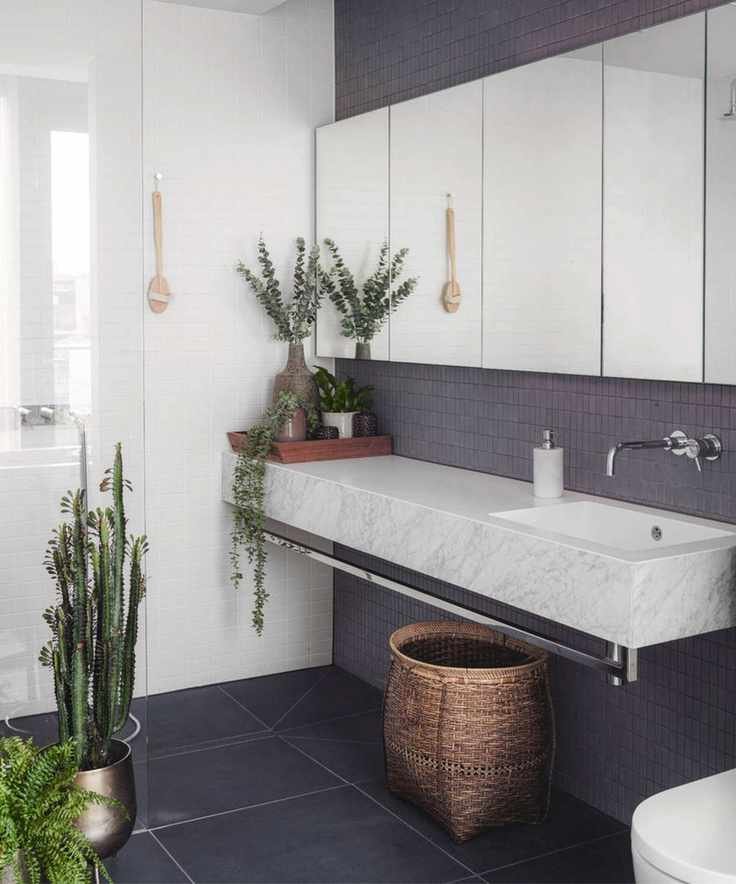
The bathroom represents the water element, which in Feng Shui can sometimes be linked to draining wealth. To channel positive energy, start by keeping the bathroom spotless — create a true spa-like atmosphere. The space should feel healing and restful.
Add Feng Shui plants, but avoid certain varieties. Placing a live plant behind the toilet can transform downward water energy into upward life energy, since plants thrive on water. Always keep the toilet lid down when not in use, and keep mirrors clean so they reflect energy with intention.
8. Set the Tone at the Entryway
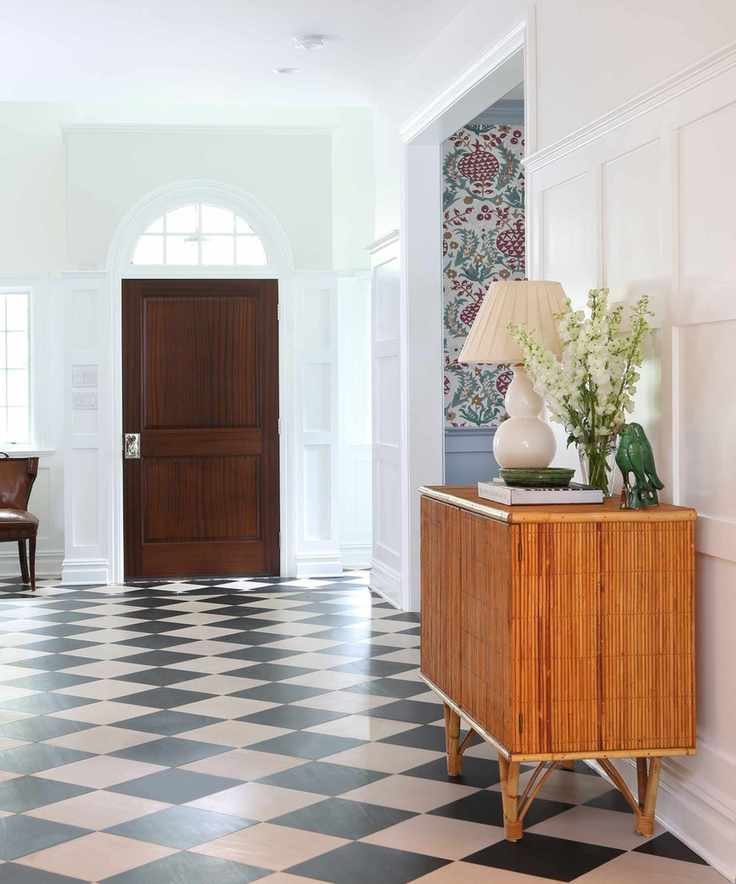
The entryway sets the tone for your entire home. Entryway Feng Shui principles can help elevate this space.
'The entryway is all about first impressions, how we greet loved ones (including ourselves), and the transition between outer life and inner world,' says Kimberly Garner, founder of the School of Holistic Design.
'Have a designated place for everything and keep it there — keys, glasses, mail, hat, coat. Walking into a home that supports your needs and lifestyle is key.
'Is there a place to sit while taking off shoes? Always remove shoes upon entering, and keep indoor shoes or slippers by the door as a symbolic welcome. A plant offers a lovely reminder of growth and life.
'Create a visual anchor that feels good and that you see when you step through the entrance. This sets the tone for what follows. Place something in the space that symbolically reflects your values, intentions, or dreams.'
9. Focus on the Dining Room

Feng Shui for the dining room can help nurture relationships.
This room is for gathering, sharing meals, and strengthening connections with loved ones. It also symbolizes friendship and abundance, making it a key area for inviting positive energy.
If your dining table doubles as a workspace or catch-all, clear it completely before meals. Using the table regularly for meals helps attract meaningful connections and fosters warmth. Adding fresh flowers invites vitality and good energy.
Consider adding a mirror. 'A mirror reflecting the table is said to enhance abundance because it symbolically doubles the amount of food,' says interiors therapy and Feng Shui expert Suzanne Roynon. Think about seating, too. 'The head of the family should sit facing the door,' she says.
10. Edit Living Room Accessories
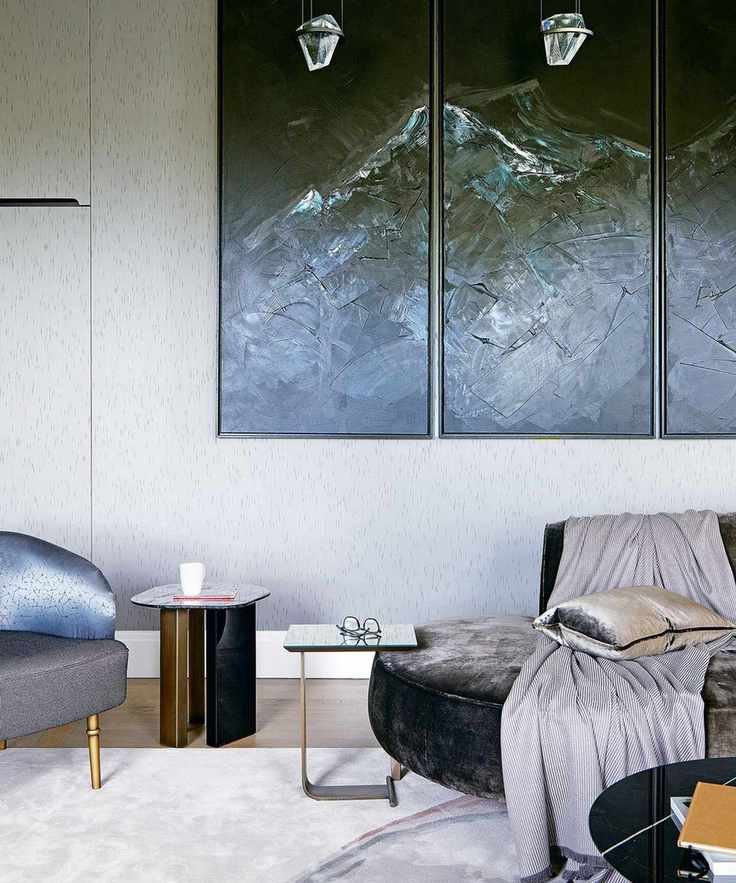
A cluttered living room is best avoided in Feng Shui — and the same goes for decorative accessories.
Curate your collections so each object brings a smile or a positive memory. That way, the environment boosts your well-being. Consider artwork, too, and avoid any negative symbolism.
How Can I Improve My Feng Shui at Home?
To improve Feng Shui at home, start by thinking about space. Are pieces of furniture blocking your path? Are closets and drawers overstuffed? Creating space — both in rooms and in smaller areas — invites opportunity and ensures a sense of flow.
Let fresh air into rooms, and maximize natural light by swapping heavy drapes for lighter options. Good lighting schemes are also key to illuminating the whole space after dark.
What Are the Five Principles in Feng Shui?
The five elements in Feng Shui are wood, earth, water, metal, and fire. You can bring them into your home easily: wood for furniture, metal for vases or sculptures, plants for the earth element, reflective surfaces for water, and an accent color for fire.