6 Simple Fruit Trees for Effortless Homegrown Harvests
Growing fruit at home might seem like a labor-intensive task, but it doesn't have to be. Many fruit trees are surprisingly easy to cultivate, offering tasty rewards with minimal care.
Having worked extensively with various fruit trees in gardens and orchards, I assure you that you don't need a green thumb to enjoy healthy trees that yield delicious fruits year after year.
This article highlights some of the most straightforward fruit trees to grow. I'll provide planting tips, essential care advice, and factors that help these trees flourish.
Which Fruit Trees Are Easiest to Grow?
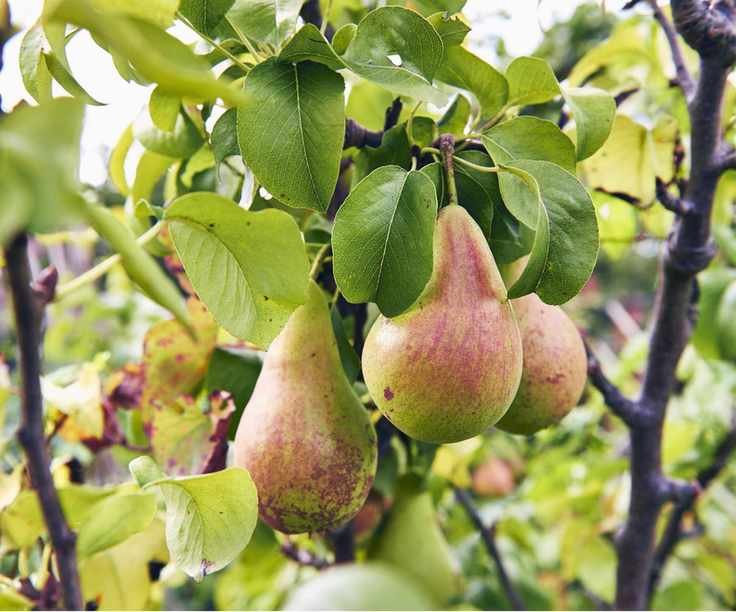
The following fast-growing fruit trees are easy to maintain and can thrive outdoors year-round. They're also perfect for container gardening, with dwarf varieties ideal for patios or balconies.
1. Apple

Apple trees are among the simplest fruit trees to cultivate, with numerous types and varieties available. There's an apple tree suited to every garden.
For optimal growth, plant your apple tree in sunny, fertile, well-draining soil. Regularly prune the tree to keep it healthy and productive, and fertilize in spring once established to enhance growth and fruit yield.
Select varieties that match your climate's chill hours for best results. Self-fertile and disease-resistant types can make aftercare easier.
Honeycrisp Apple Tree
This medium-sized tree grows 8-10 feet tall and withstands temperatures down to -30°F. The Honeycrisp is also known for its disease resistance and reliable fruit production.
2. Cherry

Cherry trees provide stunning spring blooms and sweet summer fruits. Self-fertile varieties allow for fruit production with just one tree, while dwarf types can thrive in smaller spaces.
Plant cherry trees in well-draining soil with ample sunlight. Sunlight is crucial for sweet cherries, although some dessert varieties can tolerate partial shade.
To maintain tree health, prune after harvesting in summer to prevent diseases and improve air circulation.
For a fun challenge, you can try growing a cherry tree from seed, although it may take ten years to bear fruit.
Stella Cherry Tree
A compact, self-pollinating cherry tree that grows well in hardiness zones 5-9, featuring fruits that resist splitting.
3. Fig

Fig trees flourish in various environments, with options for both warm and cold climates. They are also drought-tolerant once established and are self-pollinating.
These trees thrive in warm, sunny spots. Regular pruning twice a year is essential; do so during dormancy in late winter or early spring and again in mid-summer, taking care to avoid sap bleeding.
A great option for colder regions is the 'Chicago Hardy' fig tree, which tolerates temperatures down to -10°F.
4. Peach

While peach trees are often thought to be challenging, they're actually manageable, even in cooler climates.
Plant peach trees in warm, bright locations, ideally near sunny walls for added warmth. Many self-pollinating varieties are available, and compact versions are suitable for pots.
Prune in spring or summer to prevent silver leaf disease, and ensure they're well-watered during dry spells. Annual mulching is also recommended.
A cold-hardy variety to consider for cooler areas is the 'Reliance' peach tree.
5. Pear
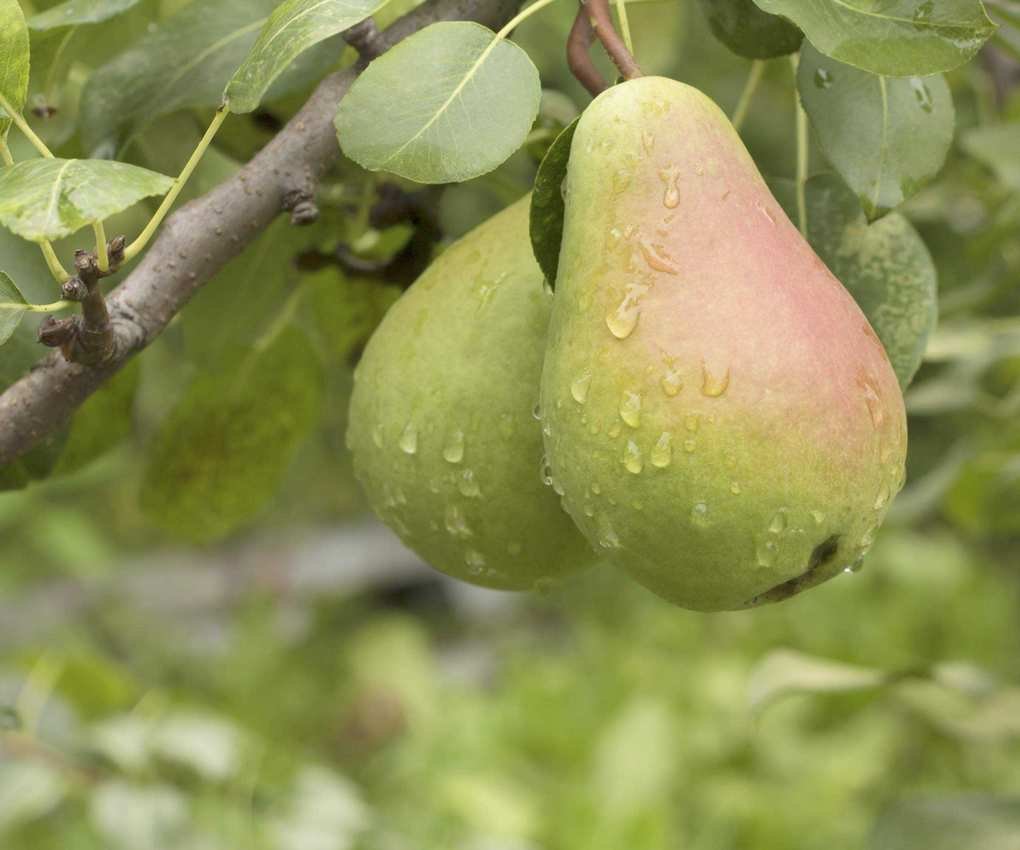
Pear trees thrive in US hardiness zones 4-8 and are relatively easy to care for. Ensure they get plenty of sunlight and avoid planting in frost-prone areas.
Choose disease-resistant self-fertile varieties, but note that pears often produce better when planted with other trees from the same pollination group.
Water during prolonged dry spells and prune in winter to maintain shape and enhance air flow. Fertilizing in early spring helps promote fruit production.
If you're adventurous, you can even attempt to grow a pear tree from seed.
Bartlett Pear Tree
One of the world's favorite pears, ideal for zones 5-9, growing to 18-25 feet, making it suitable for urban gardens.
6. Plum
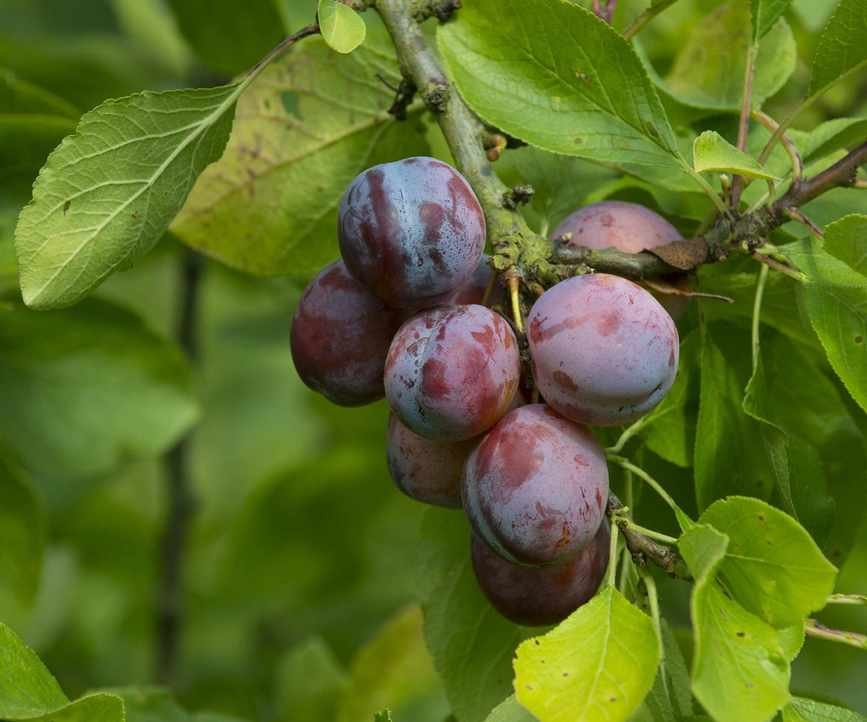
Plum trees are hardy in US zones 6 and above, available in dessert, culinary, or dual-purpose types. Once established, they produce abundant sweet plums every summer.
Plant in sunny, sheltered spots with fertile, well-draining soil. Water well for the first few years, then focus on pruning in spring or early summer to prevent diseases.
Mulching and seasonal feeding will enhance blooming and fruiting.
Santa Rosa Plum Tree
A widely favored plum variety, adaptable to various soil types, self-fertile, and performs best with a companion tree nearby. Thrives in zones 5-9.
FAQs
Which Fruit Tree Requires the Least Water?
All fruit trees need regular watering initially to establish strong roots, typically taking 2-3 years. Once established, fig trees are the most drought-resistant. However, even hardy varieties of fig trees benefit from deep watering during hot, dry spells.
For dry climates, choosing drought-tolerant trees like figs, pomegranates, and olive trees can simplify care and maintenance.