Understanding US Hardiness Zone 4 for Successful Gardening
Hardiness zones represent regions with similar average cold winter temperatures. These zones appear on the USDA Hardiness Zone map, numbered from zone 1 (coldest) to zone 13 (warmest).
Understanding these zones is crucial because the hardiness ratings on plant tags and websites indicate which species can endure the winter in your location.
In zone 4, an earlier spring thaw and extended fall frost-free days allow for a broader variety of edibles to flourish.
Additionally, you'll find more evergreen shrubs, annual flowers that thrive in the frost-free season, and an array of perennials that can be cultivated. We explore essential aspects of gardening in this zone and identify plants that will thrive.
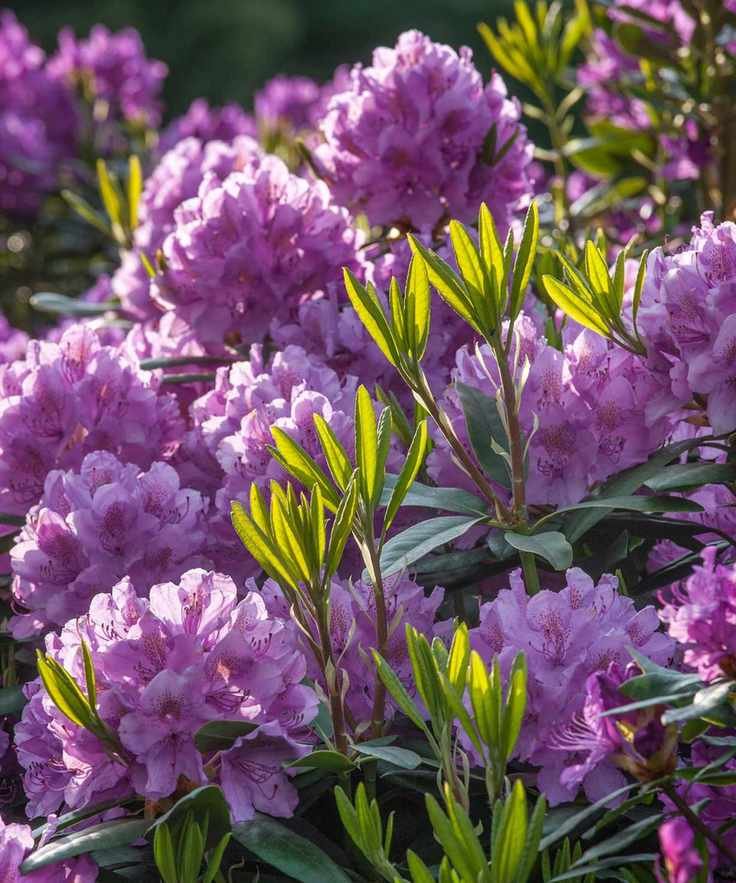
Rhododendron shrubs flourish in hardiness zone 4
Gardening Tips for Hardiness Zone 4
Zone 4 experiences average low winter temperatures between -30F and -20F. Local factors like mountains, bodies of water, and buildings can also affect a plant's growth in your garden.
Key Features of Gardening in Zone 4

Mulching is beneficial for protecting plants in zone 4
- Select plants that are rated for zone 4, but remain flexible as some zone 5 plants may thrive in favorable microclimates.
- Utilizing hoop houses and low tunnels can provide extra growing days in spring.
- Applying mulch in spring offers insulation benefits in fall.
- Mature evergreen shrubs and small trees create microclimates that help borderline plants survive.
- Be aware that features in both your and your neighbors' gardens can create sheltered areas.
- However, fences, walls, and hedges might block warmth from the spring sun and delay plant growth.
- Embrace surprises: well-chosen kiwi vines and cacti can thrive in zone 4.
- Use various types of mulch—bark, garden compost, composted leaves, or gravel (for sunny, well-drained spots)—to combat winter chill, while black plastic can warm soil in spring.
- Consider raised beds for quicker spring warming and reduced weeding strain.
Main Features of Zone 4

Crabapple trees thrive in zone 4
Zone 4's average coldest winter temperatures range from -30F to -20F.
Zone 4a has a minimum average temperature of -30F to -25F, while zone 4b ranges from -25F to -20F.
This zone covers much of the northern US, including most of Montana, parts of Alaska, and regions of North Dakota, Minnesota, Wyoming, South Dakota, Wisconsin, New York, Vermont, New Hampshire, and Maine.
Ground in zone 4 remains frozen for many winter months, causing plants to stay dormant, with an active growing season typically lasting around four months. Long summer days are often warm.
The first frost date usually falls between September 21 and October 7, while the last frost date generally occurs between April 24 and May 12.
Plants Suitable for Zone 4

Columbine or aquilegia is a native wildflower in hardiness zone 4
A variety of deciduous trees, shrubs, perennials, vegetables, and fruits thrive in zone 4. Many fast-growing annuals benefit from the longer, warmer summer days.
Deciduous Trees
Flowering cherry (Prunus): Showy white or pink blossoms and vibrant fall colors.
Saucer magnolia (Magnolia × soulangeana): Stunning large, saucer-shaped pink or white flowers in spring.
Also consider: Crabapple (Malus).
Evergreen Trees
Colorado spruce (Picea pungens): A resilient tree with various height options and silver-blue needles.
Arborvitae (Thuya occidentalis): A North American native with multiple varieties, many displaying bronzed winter foliage.
Also consider: Other spruces like Picea koreana.
Deciduous Shrubs
Barberry (Berberis thunbergii): Hardy, with beautiful summer and fall leaves; choose new non-invasive varieties.
Red buckeye (Aesculus pavia): Bright orange-red flower spikes attract hummingbirds.
Also consider: Winterberry (Ilex verticillata).
Evergreen Shrubs
Boxwood (Buxus): Essential for foundation planting and hedges, ideal for shaping.
Rhododendron (Rhododendron): Offers a vast array of plant sizes, flower colors, and leaf variations, thriving in acid conditions.
Also consider: Heather (Calluna).
Vines
Kiwi vine (Actinidia): A twining vine boasting bold foliage, occasionally featuring green-pink-and-white leaves.
Clematis (Clematis): Features a wide variety of flowering, self-supporting vines in different sizes and colors.
Also consider: Climbing hydrangea (Hydrangea petiolaris).
Perennials
Shasta daisy (Leucanthemum): Large white flowers rise from dark green foliage; yellow and double-flower options are available.
Cranesbill (Geranium): Offers numerous bushy plants with saucer-shaped flowers in various colors.
Also consider: Hellebore (Helleborus).
Spring Bulbs
Snowdrop (Galanthus): A charming white flower signaling the end of winter; easy to grow and spreads steadily.
Crocuses (Crocus): Goblet-shaped flowers that open widely, showcasing a vibrant color spectrum.
Also consider: Glory of the snow (Chionodoxa).
Summer Bulbs
Autumn crocus (Colchicum): Large-flowered, late-summer crocus in purple, lilac, pink, or white.
Lily (Lilium): Striking flowers in various colors, many featuring beautiful spots; some are native.
Also consider: Ornamental onion (Allium).
Natives
Black Chokeberry (Aronia melanocarpa): A glossy-leaved shrub with clusters of white flowers producing edible black berries.
Trumpet creeper (Campsis radicans): A vigorous vine with loose clusters of large orange flowers in late summer.
Also consider: Columbine (Aquilegia canadensis).
Annuals
Cosmos (Cosmos): Eye-catching daisies in a variety of colors, perfect for cutting.
Sunflower (Helianthus): Easy-to-grow annuals of varying heights and sunny colors.
Also consider: Zinnia (Zinnia).
Vegetables
Tomatoes: Start with local favorites, but explore new varieties that may be more disease resistant.
Cucumbers: Growing vining types in pots against warm walls is often the best method.
Also consider: Zucchini.
Fruits
Apples: Consult neighbors or the extension service for the best varieties for your area, and ensure proper pollination.
Strawberries: Thrive even in colder zones, but fruit production may take a year.
Also consider: Sour cherries.
FAQs
What is the growing season length in zone 4?
In hardiness zone 4, the growing season lasts about four months. While many plants can thrive in this region, they often require extra care to keep warm during colder months, using horticultural fleece, cloches, or greenhouses.
Numerous annuals flourish in zone 4 during summer. Our guides on growing cosmos and zinnias can be helpful for gardeners in this area.