Understanding Deep Watering: Efficient Techniques for Healthier Plants
Watering is a fundamental task in gardening that goes beyond simply keeping plants alive. While it sounds straightforward, it can be fraught with challenges and requires knowledge of various techniques.
Deep watering, often recommended in watering guidelines, offers significant advantages. Rather than just a light spray, this technique delivers a substantial drink, ensuring plants grow stronger and healthier.
You might wonder about the duration and best methods for deep watering. We’ll explore these questions to help you master this technique and enhance your gardening practice.

Deep watering supports all plants in your garden
Key Insights on Deep Watering
Deep watering is particularly effective for maintaining hydration in flower beds and borders, as well as for vegetable gardens. It’s also beneficial for larger pots and planters.
As a seasoned gardener, I’ve employed various irrigation methods, from watering cans to drip systems. Drawing from my experience and insights from fellow professionals, I’ll explain what deep watering entails, its benefits, and the best practices for implementation.
Defining Deep Watering

Deep watering can be achieved using a standard garden hose
Deep watering is a smart strategy for watering your garden. It benefits a range of plants, including trees, shrubs, flowers, and edibles, and can also be effective for lawns, especially during hot spells.
This method ensures moisture penetrates well beyond the surface, reaching depths of up to eight inches. It’s vital for water to reach the root zone, which varies in depth based on the plant type.
“This approach encourages deeper root systems, making plants more resilient to drought and extreme temperatures,” explains a drought-tolerant gardener. “Deep watering reduces the frequency of watering, keeping the soil moist longer, which conserves water and saves money.”
It’s essential to water slowly, ensuring the soil drains well to avoid water pooling around roots and causing waterlogging.
If your soil is clayey or sandy, incorporating organic matter like compost or leaf mold can enhance structure and drainage, helping retain moisture.
Deep Watering vs. Shallow Watering
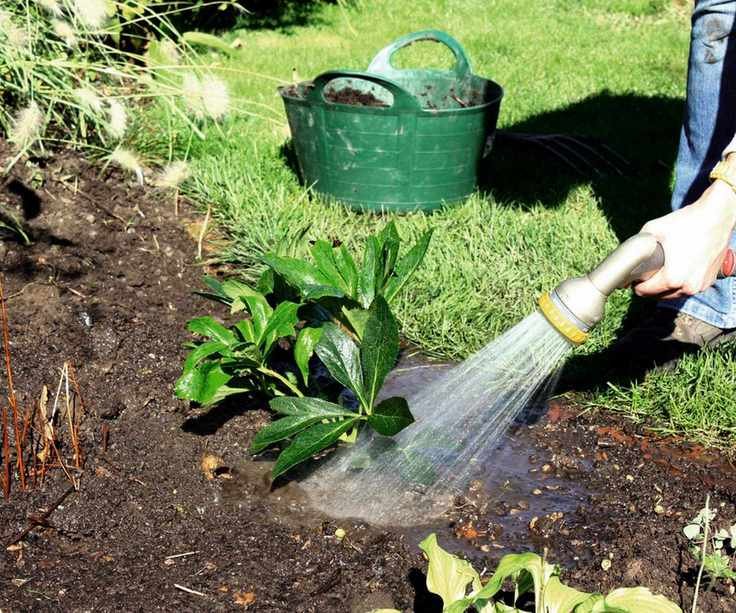
Newly-planted shrubs and trees require deep watering
Deep watering cultivates healthier plants that can endure dry spells due to their well-established root systems, which seek moisture further down in the soil.
Plants thrive with less frequent, deeper watering compared to frequent shallow sips. A small amount of water can create problems, especially in hot weather when watering plants.
“Water that penetrates 6 to 8 inches deep stays longer in the soil, while surface watering evaporates quickly during hot summer days,” warns a former professional gardener. “This not only wastes resources but also harms your plants.”
Shallow watering promotes weak root systems that remain near the surface, where moisture is limited. Strong plants need deep, developed roots. By deep watering from the start, you’ll cultivate resilient plants that resist drought.
In summer, surface soil dries rapidly, leaving shallow-rooted plants vulnerable. Those with deeper roots access moisture that remains available longer, allowing them to thrive even without daily watering.
Effective Deep Watering Techniques
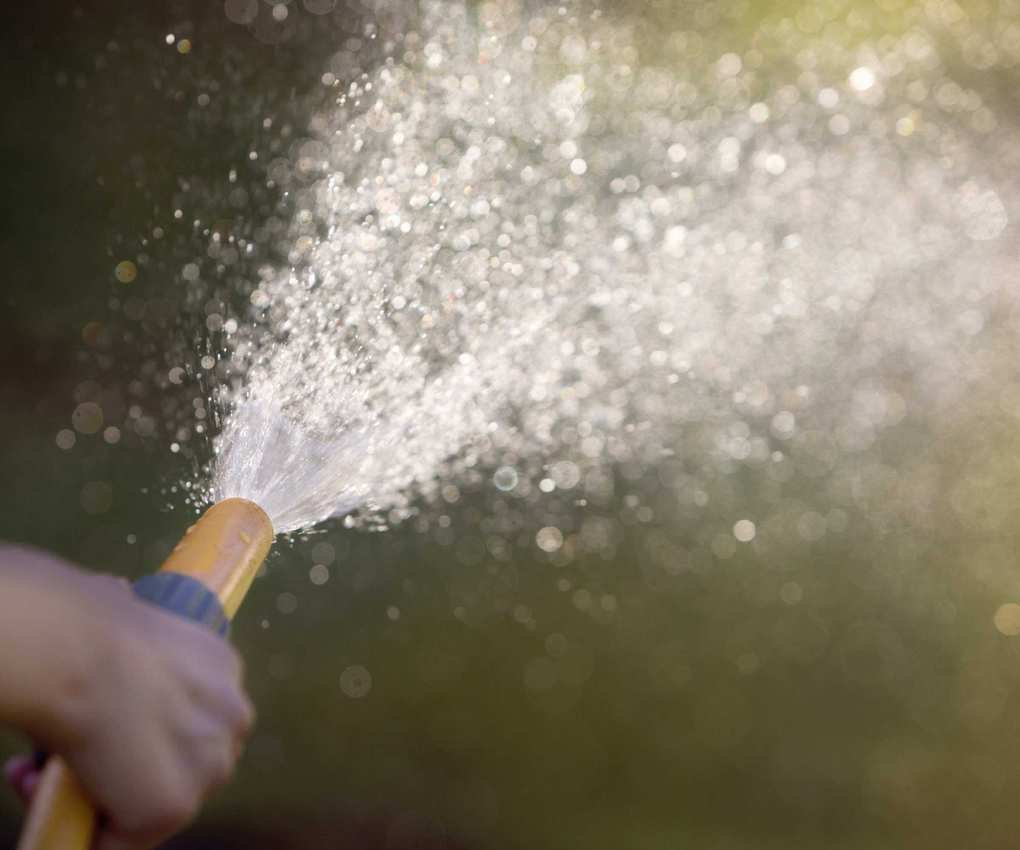
Reduce water flow when deep watering
The essence of deep watering is delivering water gradually into the soil. Pouring too quickly can lead to puddles on the surface instead of allowing moisture to penetrate. If you notice puddling, pause until it disperses before resuming at a slower rate.
You can deep water using a watering can or a garden hose. While a watering can offers precision, a hose can be more efficient for larger areas.
“For established trees or shrubs, use a hose to water deeply,” suggests a gardener. “Water early in the morning for about 20 minutes, rotating among plants.”
“Keep the faucet at a light to medium flow to avoid overwhelming the soil,” they add.
Drip irrigation systems or soaker hoses are optimal for deep watering. “These tools slowly release water at soil level, minimizing waste from runoff and evaporation,” experts recommend.
Such systems can water the soil effectively over an hour, reaching deep into the root zone. Another benefit is avoiding wet foliage, which reduces the risk of fungal diseases.
To keep soil moisture optimal, consider your watering times. “Early mornings or late evenings are best to minimize evaporation,” experts advise. “Applying mulch around plants also helps retain moisture.”
Essential Deep Watering Tools
Soil Moisture Meter
Check soil moisture levels easily with this handy probe, featuring ten scales for clear readings.
Flat Soaker Hose
A drip hose that delivers consistent, slow soaking throughout its length.
Expandable Garden Hose
This hose expands to 100 ft within seconds when the water is on, then shrinks back to a compact size when not in use.
Common Questions
How can I ensure water penetrates the soil effectively?
Soil can become hydrophobic when extremely dry, posing a challenge in hotter climates. To improve penetration, incorporate organic matter to enhance soil structure, lightly re-wet it gradually, or use wetting agents.
Now you understand that deep watering is a vital technique for helping your plants thrive during dry spells. If you plan to be away in summer, deep watering beforehand can sustain your plants.
There are additional methods to keep plants hydrated while on vacation, such as creating a DIY watering system from old bottles or using water spikes for gradual hydration.