When is the Best Time to Start Vegetable Seeds Indoors?
Growing vegetables from seed is an affordable and rewarding way to cultivate fresh produce for your home. However, it's essential to resist the urge to plant seeds too early, even if you're eager to get started indoors.
This brings us to the question: when is the right time to begin sowing vegetable seeds indoors? The easiest answer is to check the seed packet, which often provides guidelines on indoor sowing times. A good rule of thumb is to start seeds indoors at least six weeks before your region's last frost date.
With years of experience growing a variety of vegetables, I can attest that careful planning is critical. It involves determining when to plant outdoors and working backward to figure out when to sow seeds indoors. Timing is everything, as seedlings kept indoors for too long can suffer from stunted growth.
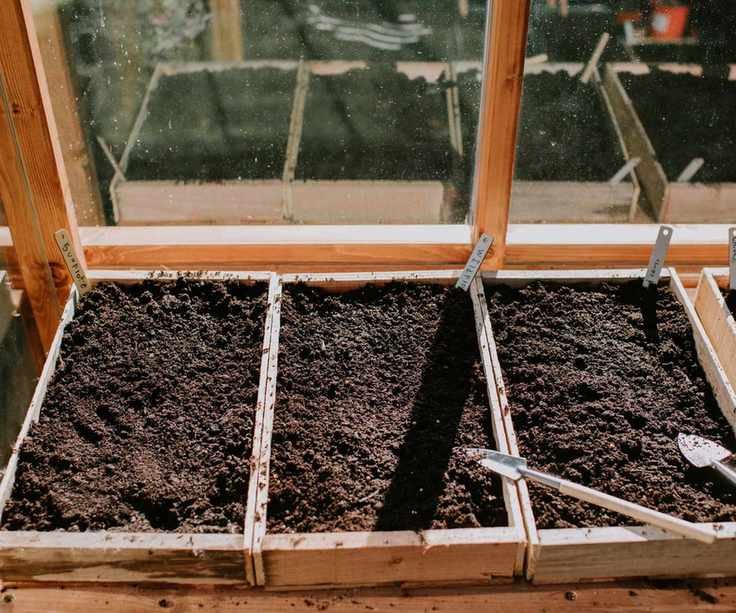
A greenhouse provides warmth and light for successful sowing.
When is the Right Time to Start Vegetable Seeds Indoors?
Every year, I create a seed sowing schedule alongside a planting timeline for my vegetable garden. This helps me stay organized and ensures I know when to sow seeds indoors, how long they will take to mature, and when to transplant them.
Starting seeds indoors provides a controlled environment for better germination rates. It allows growers to kick off their gardening season earlier, usually in spring, so plants are ready for outdoor planting after the frost risk has passed.
For those unsure about when to start vegetable seeds indoors, the seed packet is your best resource. It typically outlines the ideal months for sowing both indoors and outdoors, along with the necessary germination temperatures.
Some crops, like tomatoes, require indoor sowing to thrive, while others, such as cauliflower, can be started either indoors or outdoors. A quick online search can yield plenty of information on optimal indoor sowing dates and temperature requirements for various vegetables.
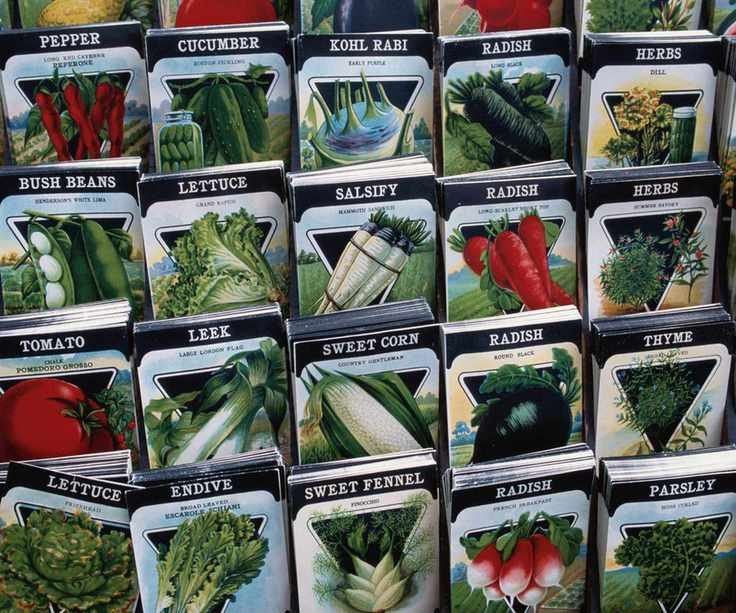
Seed packets provide essential sowing date recommendations.
A common guideline is to sow many vegetable seeds indoors at least six weeks prior to your area's last frost. The last frost dates vary across USDA Zones, ranging from late February in Zone 9 to late May or early June in Zone 1. For Zones 10-13, where frosts are rare, seeds can be started indoors much earlier. It's wise to wait an additional two weeks after the expected end of frost before planting outdoors to avoid unexpected cold snaps.
Your indoor setup will also influence when you can start sowing seeds. Providing adequate heat and light is essential for early sowing. For instance, if you have a heated greenhouse, you can begin sowing much earlier than in a cold frame or an unheated greenhouse. Always keep in mind the final planting location and expected frost dates.
Using heated benches or mats can accelerate germination by providing warmth from below. Such mats maintain consistent temperatures, allowing for earlier sowing compared to a windowsill. For example, the BN-LINK Seedling Heat Mat available at Walmart can be a helpful tool.
While many packets suggest placing seeds on a sunny windowsill for germination, this method is less effective than using a greenhouse. Windowsills often experience variable temperatures and lighting, which can lead to leggy seedlings if sowing occurs too early.

Start sowing seeds indoors at least six weeks before the last frost.
Challenges of Sowing Seeds Too Early
It's crucial to remember that just because you can start seeds early doesn't mean you should. Premature sowing can lead to seedlings becoming overly mature before frost-free days, causing issues like elongated and weak growth.
Sowing seeds indoors too early may result in seedlings spending excessive time in pots, leading to increased maintenance and costs. Plants can become root-bound, which stunts their growth when eventually transplanted.
Is Indoor Sowing Necessary?
Starting seeds indoors isn't mandatory; many vegetables grow perfectly well when sown directly outdoors. However, tender varieties like tomatoes, cucumbers, eggplants, and chili peppers benefit from indoor sowing as they require warmth for germination.
Many other crops, such as brassicas, alliums, beans, salad greens like lettuce, and numerous root vegetables can be sown indoors or outdoors.
Indoor sowing can lead to earlier harvests and improved germination rates, but it's not essential for all crops. Some vegetables, such as carrots and parsnips, should always be sown directly in the soil.
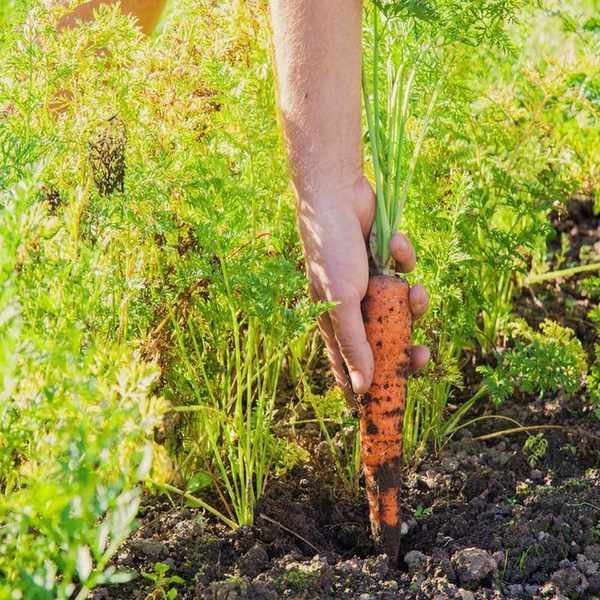
Carrots must be sown directly in the ground.
FAQs
Can I Start Seeds Indoors in an Unheated Greenhouse?
An unheated greenhouse is suitable for starting many seeds, provided you can maintain the minimum temperature needed for germination.
Seed packets and gardening websites often list the temperature requirements for germination. With a thermometer, you can ensure your unheated greenhouse is at the right temperature. Expect to start seeds later in an unheated greenhouse compared to a heated one, but it still offers a more inviting environment than outdoor soil.
Do I Need Grow Lights for Indoor Seed Starting?
While not essential, grow lights can significantly enhance indoor seed starting. Many seed packets suggest beginning seeds on a well-lit windowsill, with south-facing ones being the best. However, even these can struggle to provide sufficient light, especially if seeds are sown too early.
Grow lights help control light levels, preventing seedlings from becoming leggy. Always adhere to the sowing dates on your seed packets and consider grow lights if they require ample light.
When determining when to start vegetable seeds indoors, consider factors such as germination time, growth duration, and readiness for planting. Proper planning is key to a successful vegetable garden. Seed packets, websites, and catalogs provide valuable guidance for timing your indoor sowing. Getting this right ensures healthy seedlings and a bountiful harvest.