Greenhouse Ideas: 19 Innovative Glasshouse Design Tips for Every Garden
Every passionate gardener eventually explores greenhouse ideas, as they revolutionize gardening. A greenhouse enables early seed sowing, protects delicate plants in winter, and allows for the growth of exotic varieties that wouldn't thrive outdoors.
Once you invest in a greenhouse, you'll find it indispensable. However, getting the design right is crucial for both functionality and aesthetics, ensuring it integrates beautifully with your garden.
For those with ample time and space, growing seedlings, indoor crops, and overwintering delicate plants will always be in vogue.

Greenhouse Ideas
When considering greenhouse ideas, assess your available space for the structure, whether you prefer a freestanding model or one that leans against a wall. The ideal greenhouse should harmonize with your garden's style, and having a power source for heating and lighting is beneficial for winterizing your greenhouse. If your budget is limited, don't forget there are various DIY options worth exploring.
Our guide will help you ensure your glasshouse design meets your gardening needs and enhances your vegetable garden.
1. Create a Stunning Focal Point

A well-designed greenhouse can be both functional and visually striking. Choose a design that complements your home's architecture and carefully select its location.
'For optimal results, the glasshouse should catch the morning sun and retain warmth into the evening,' says garden designer Helen Elks-Smith.
Sometimes, compromises are necessary. Prioritize positioning your greenhouse for maximum morning sunlight, which is more beneficial than catching rays later in the day.
2. Maximize Size
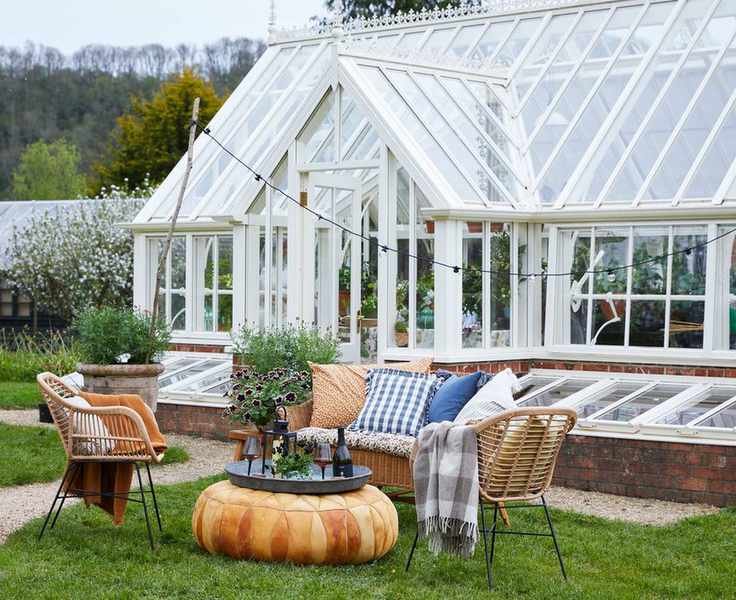
As you plan your greenhouse, you'll likely wish for more space, so aim for the largest possible design.
An ideal greenhouse should measure at least 6ft in width to provide ample room for both plants and easy movement. Don't forget to leave at least 1.5 meters around the base for maintenance access.
3. Consider Unique Shapes

Even with limited outdoor space, greenhouse options like octagonal designs can work wonders. 'Octagonal greenhouses feature all-around staging, minimizing wasted space,' say experts at The Greenhouse People.
Such designs also capture sunlight from all angles, ideal for the best crops.
4. Embrace Height
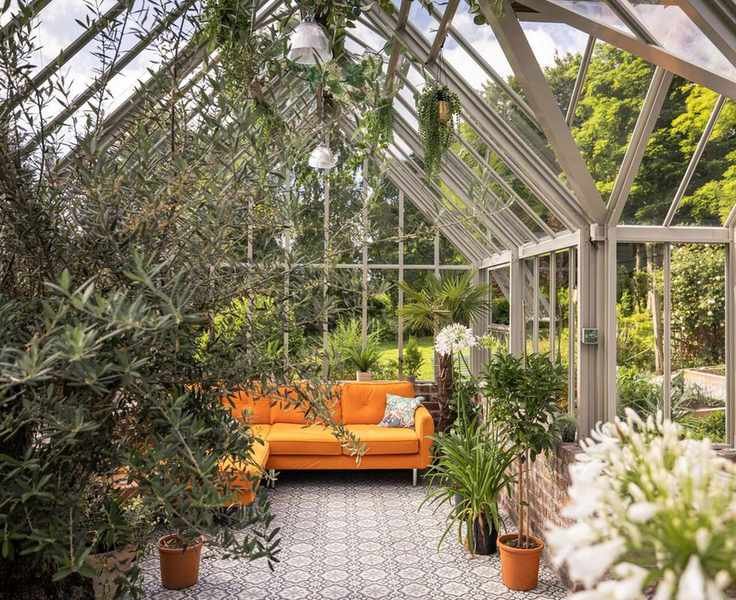
If you're looking to grow taller plants like palms or climbing vines, choose a greenhouse with a higher pitch.
This design is also advantageous for using the space for dining or relaxation, transforming your greenhouse into a stylish garden room.
5. Position Near the Home
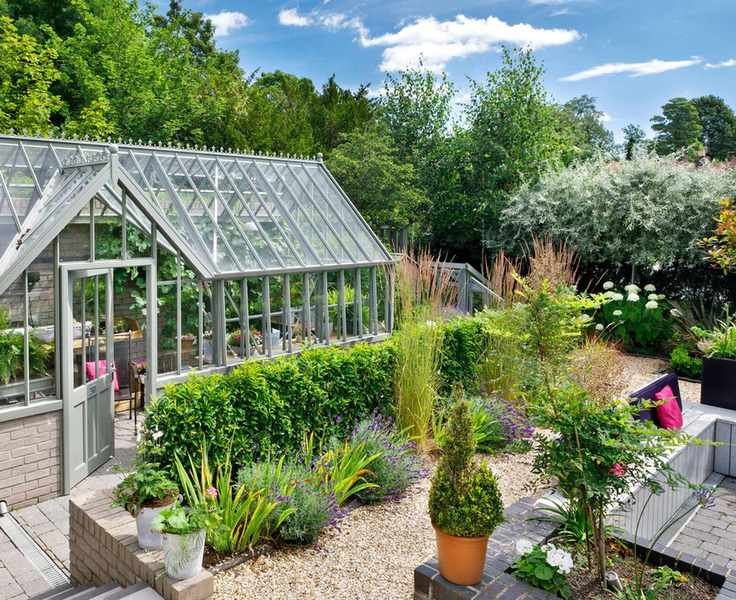
When choosing greenhouse designs, think about how it fits into your garden as a whole.
'Consider the distance from your home,' advises Helen Elks-Smith. 'Plants require regular attention, so make the path to the greenhouse enjoyable rather than burdensome.'
6. Multi-Functional Spaces
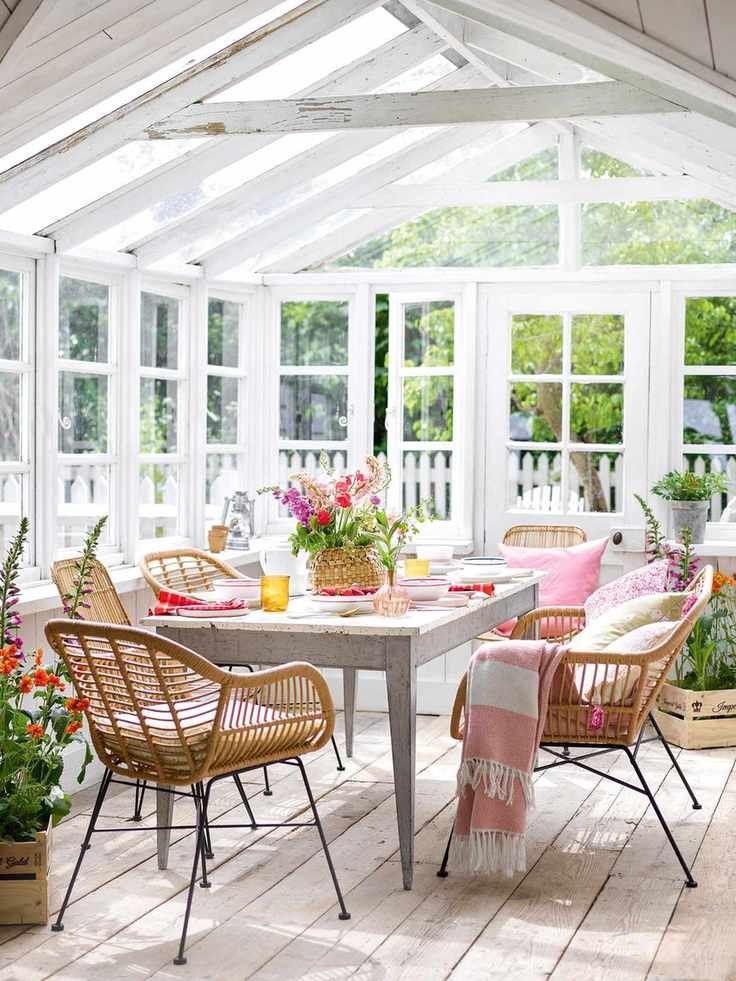
Greenhouses are increasingly designed for more than just plants; many resemble elegant conservatories, perfect for dining or lounging during cooler months.
Tom Barry, CEO of Hartley Botanic, notes that homeowners now blend functional and aesthetic elements into their gardens, creating spaces for relaxation.
7. Incorporate a Base Wall
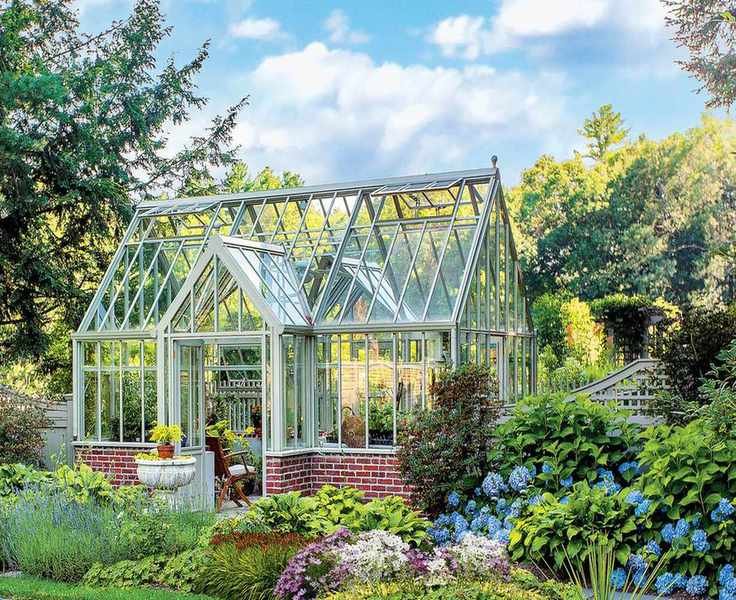
Opting for a greenhouse with a dwarf wall offers benefits over all-glass designs. It protects against low-level damage and conceals gardening items.
'You can get creative with materials, achieving an aesthetically pleasing result,' says Christopher White from Hartley Botanic.
8. Expand Your Options

For avid gardeners, multiple greenhouses can create distinct environments for various plants, enabling unique microclimates.
9. Integrate with the Kitchen Garden
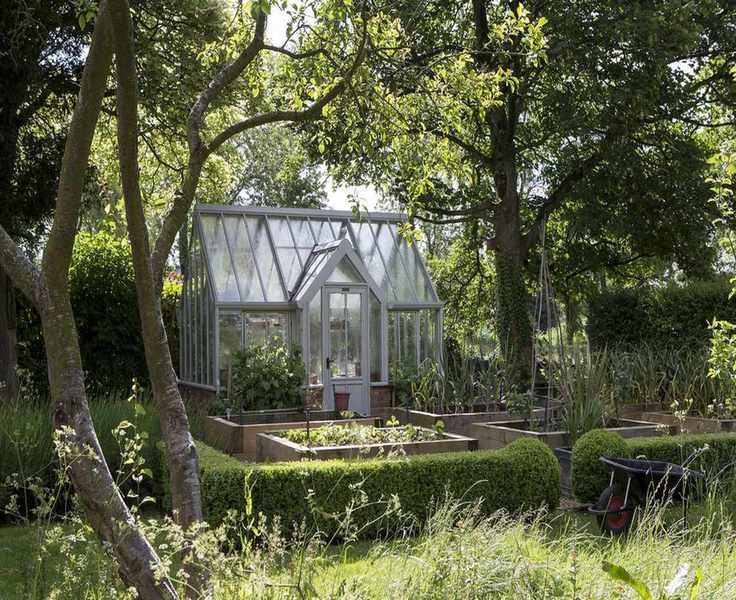
Position your greenhouse in your kitchen garden to maximize crop diversity and yield.
Warmth-loving crops like tomatoes and herbs thrive under glass, while tougher varieties can start in the greenhouse before moving outside.
10. Add a Splash of Color

Finishing touches can transform a plain greenhouse into a stunning feature. A painted aluminum greenhouse can become an eye-catching centerpiece.
11. Combine Shed and Greenhouse

A structure that combines a shed and greenhouse offers practicality. The glazed front displays your plants, while clutter can be stored out of sight.
12. Choose a Pitched Roof
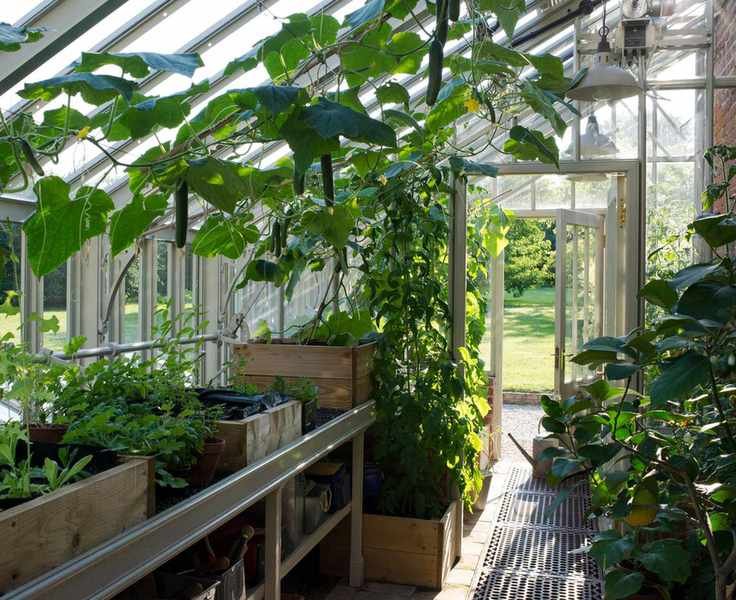
A pitched roof increases height for taller plants and enhances airflow, essential for summer months.
13. Create a Link Between Structures
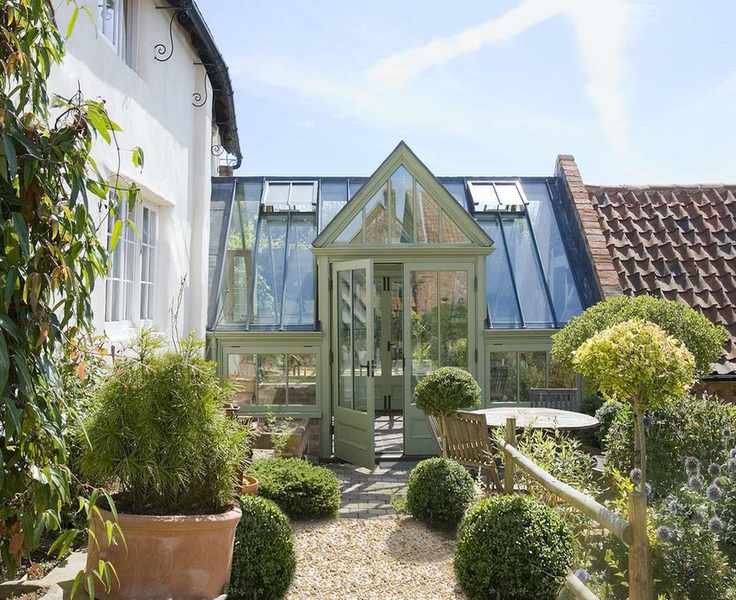
A glazed greenhouse can connect two differently constructed buildings, creating a lovely central oasis.
14. Keep it Compact
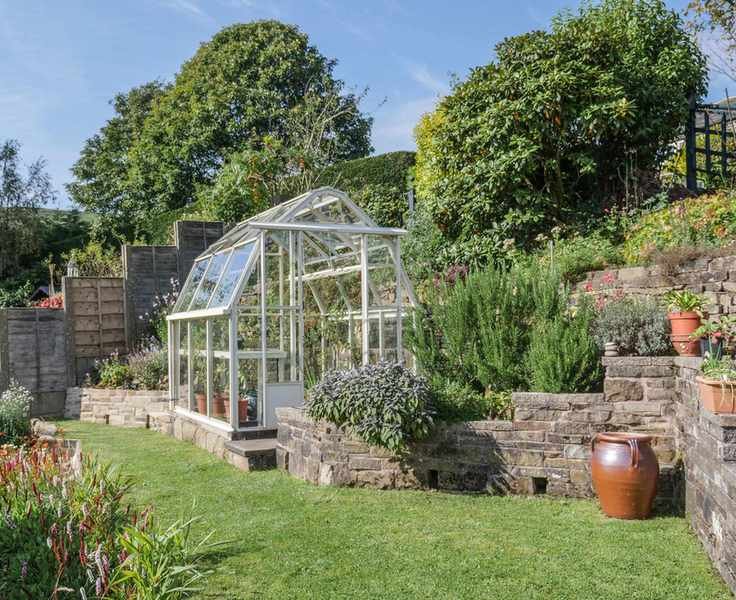
Large gardens don't require oversized greenhouses. Assess your planting needs and choose an appropriate size.
15. Opt for Victorian Vinehouse Style
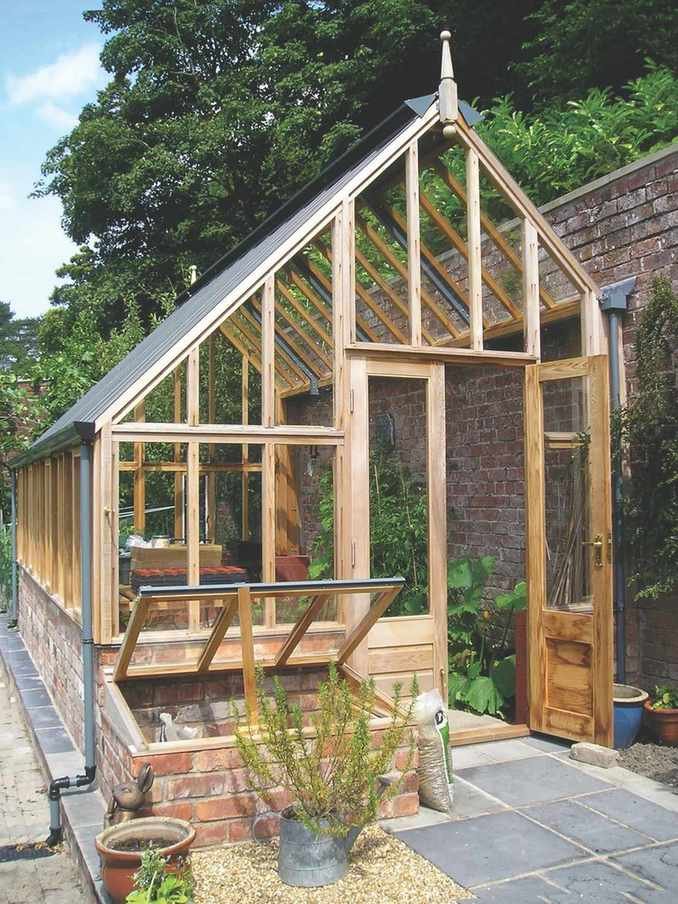
Vinehouses, a Victorian innovation, utilize existing walls, effectively storing warmth for plants.
16. Select Clear Glazing
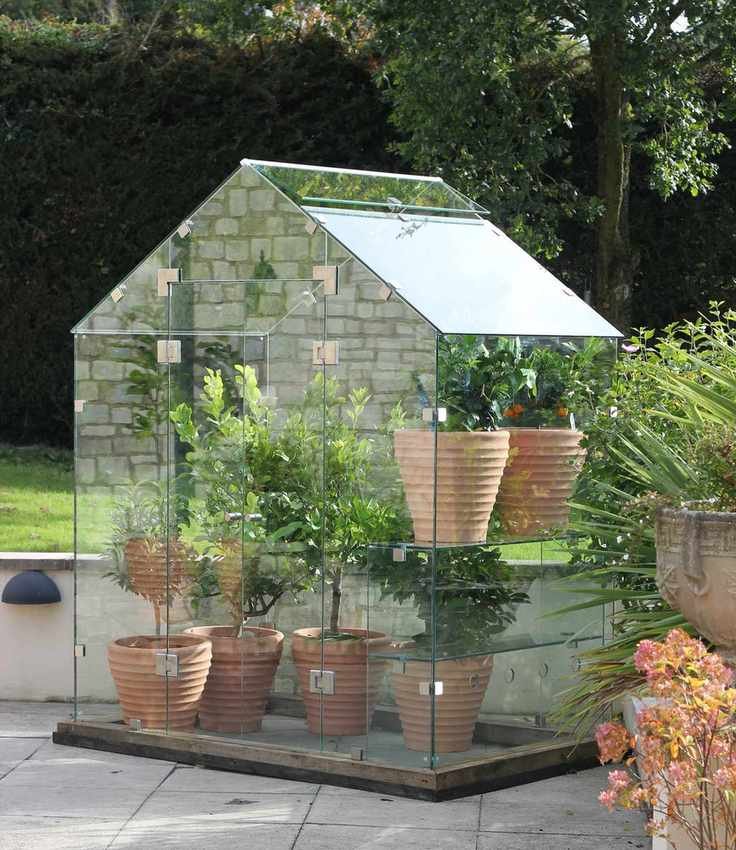
Frameless glass structures offer unobstructed views of your garden, enhancing light for your plants.
17. Embrace Wooden Designs

Modern wooden greenhouses require less maintenance, providing beauty and durability.
18. Lightweight Aluminium Options

Aluminium greenhouses mimic wood, require minimal cleaning, and allow more light due to thinner frames.
19. Lean Against a Wall

Lean-to greenhouses maximize space and gain heat from a wall. They are ideal for small gardens.
What is the Most Efficient Greenhouse Design?
Positioning a greenhouse in a sunny, south-facing spot ensures efficiency. An octagonal design captures sunlight from all angles.
Should I Buy a Greenhouse?
Your gardening goals dictate whether a greenhouse is necessary. For extensive planting, a greenhouse is essential.
Where Should I Position My Greenhouse?
Choose a location with minimal shade and wind exposure to enhance your greenhouse's effectiveness.
What Greenhouse Design Should I Choose?
Your chosen design should align with your garden style and requirements. Lean-to models are excellent for temperature regulation.