Understanding US Hardiness Zone 8 for Successful Gardening
Winter frost poses a threat to unadapted plants, particularly in colder areas. While some plants can tolerate mild frosts, others flourish in the cold and bounce back in spring. The key is selecting plants suited for US hardiness zone 8, where specific guidance can help identify the trees, shrubs, and perennials that thrive in these conditions.
The USDA has meticulously compiled data from thousands of weather stations across the nation, creating the US Hardiness Zones Map. The map categorizes regions by their lowest winter temperatures, displaying a range from zone 1 to zone 13.
Simultaneously, the American Horticultural Society has worked with horticultural experts to assess how well various plants withstand winter cold, assigning them hardiness ratings. These ratings can be found on plant tags, online, and in gardening literature. Choosing plants that align with your zone's rating is straightforward. Here's a detailed look at what can be planted in US hardiness zone 8.
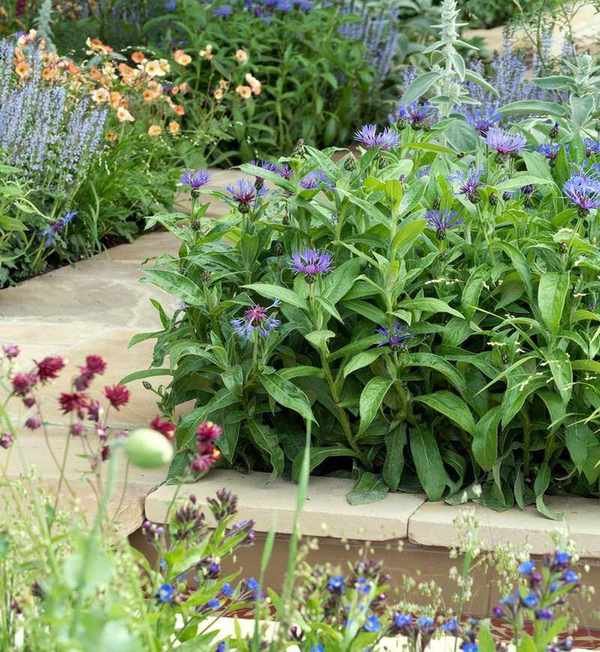
Overview of US Hardiness Zone 8
This zone supports a diverse range of plants. While colder zones struggle with winter frost, warmer zones may hinder plants that thrive in cooler conditions.
Keep in mind that natural factors such as lakes, mountains, and local architecture can influence your area's minimum winter temperatures.
Gardening in Zone 8
Zone 8 is ideal for numerous trees and shrubs, including both deciduous and evergreen varieties, which are cultivated for their foliage and blooms. Many perennials and frost-sensitive bulbs can remain in the ground throughout winter, and some annuals may also survive cold snaps.
A sunny wall can provide additional warmth, allowing even more plant varieties to thrive.
- Select plants rated for zone 8, but be open to trying those rated for zone 9, as they might thrive in specific microclimates within zone 8.
- Utilizing hoop houses and low tunnels can extend the growing season for vegetables and herbs, potentially yielding fresh produce even in mid-winter.
- Light frosts in early spring can damage new growth on perennials and shrubs, including roses. Old bedsheets can be used as protective covers during this time.
- Applying mulch in the fall can safeguard tender perennials and bulbs during winter. Avoid mulching in spring to prevent smothering early-spring bulbs.
- Established evergreen shrubs and small trees can create sheltered microclimates, allowing more sensitive varieties to survive.
- Most fruit trees thrive in zone 8, though frost can harm blossoms, impacting yields. Opt for late-flowering varieties known to perform well locally.
- Mulch is essential; options like bark, compost, and gravel help mitigate winter chill, while black plastic can warm soil temperatures in spring.
Key Characteristics of Zone 8
Zone 8 experiences average winter temperatures ranging from 10°F to 20°F. Zone 8a has a minimum average temperature of 10-15°F, while zone 8b is between 15°F to 20°F.
This zone encompasses regions including North and South Carolina, much of Georgia, Alabama, Missouri, and southern Arkansas. It also spans central Texas, central Arizona, and along the West Coast through California, Oregon, and Washington.
In many gardens, the soil undergoes cycles of freezing and thawing throughout winter, rarely penetrating deeply. The survival of tender bulbs, such as dahlias, can vary each winter based on conditions and mulching practices.
Typically, the first frost occurs between November 7 and November 28, while the last frost usually falls between March 13 and March 28.
Recommended Plants for Zone 8

Zone 8 is favorable for a wide assortment of ornamental and edible plants. Species that thrive in mountainous regions can coexist with those from subtropical environments.
Plants from zone 4, zone 5, zone 6, and zone 7 are also appropriate for zone 8.
Deciduous Trees
Coral Bark Maple (Acer palmatum 'Sango-kaku') is a compact tree featuring coral pink bark and vibrant fall foliage.
Sassafras (Sassafras albidum) has unique lobed leaves and offers stunning fall colors.
Also consider: Stewartia (Stewartia pseudocamellia).
Evergreen Trees
American Holly (Ilex opaca) forms dense pyramids of dark green leaves adorned with red berries in winter. It grows slowly but reliably.
Chinese Windmill Palm (Trachycarpus fortunei) is the hardiest palm, showcasing large fan-like leaves.
Also consider: Italian Cypress (Cupressus sempervirens).
Deciduous Shrubs
Hydrangeas are easy to cultivate; look for PeeGee (H. paniculata) and Annabelle (H. arborescens) varieties.
Viburnum offers various native and non-native types featuring white flowers in spring, followed by colorful berries.
Also consider: Mock Orange (Philadelphus).
Evergreen Shrubs
Camellias are known for their stunning flowers in various colors against glossy green leaves.
Privet (Ligustrum japonicum) produces fragrant flowers and glossy foliage, followed by black berries.
Also consider: Fringe Flower (Loropetalum).
Vines
Honeysuckle (Lonicera periclymenum) is a fragrant, colorful twiner, an excellent alternative to invasive varieties.
Roses (Rosa) thrive in zone 8, needing careful pruning and support for climbing varieties.
Also consider: Wisteria (Wisteria frutescens).
Ground Covers
Ground Cover Roses (Rosa) flourish in sunny spots and can bloom throughout the summer. Start with the Flower Carpet Series.
Cranesbill (Geranium) effectively smothers weeds and provides charming flowers all summer long.
Also consider: Lilyturf (Liriope).
Shade Perennials
Hostas offer an array of foliage patterns, perfect for shady gardens or containers.
Ferns, such as Lady Ferns (Athyrium) and Male Ferns (Dryopteris), complement hostas beautifully.
Also consider: Hellebore (Helleborus).
Sun Perennials
Perennial Sage (Salvia nemerosa) provides vibrant summer flowers in various colors.
Tickseed (Coreopsis) produces daisy-like blooms in numerous colors and combinations.
Also consider: Coneflower (Echinacea).
Spring Flowering Bulbs
Daffodils (Narcissus) are familiar favorites, now available in various colors beyond yellow.
Grape Hyacinth (Muscari) forms clusters of small, rounded flowers resembling grape bunches.
Also consider: Wood Anemone (Anemone nemerosa).
Summer Flowering Bulbs
Dahlias produce stunning flowers in various sizes, with some varieties surviving zone 8 winters.
Lilies (Lilium) are hardy bulbs that produce exotic, fragrant summer blooms.
Also consider: Foxtail Lily (Eremurus).
Native Shrubs
Creeping Juniper (Juniperus horizontalis) has low, spreading growth with sharp, blue-green needles.
Blackhaw Viburnum (Viburnum prunifolium) boasts white flowers that yield berries maturing from pink to bluish-black.
Also consider: Buffalo Currant (Ribes odoratum).
Native Perennials
Bee Balm (Monarda) has aromatic foliage topped with colorful summer flowers that attract bees.
Tall Summer Phlox (Phlox) features fragrant, vibrant flowers in shades of red, purple, pink, or lavender.
Also consider: Coneflower (Echinacea).
Annuals
Wax Begonia (Begonia semperflorens) showcases glossy foliage and bright flowers throughout summer.
Petunias are versatile annuals available in a range of forms for various garden styles.
Also consider: Impatiens.
Vegetables
Corn is best started in individual pots for protection, then planted in blocks after the last frost.
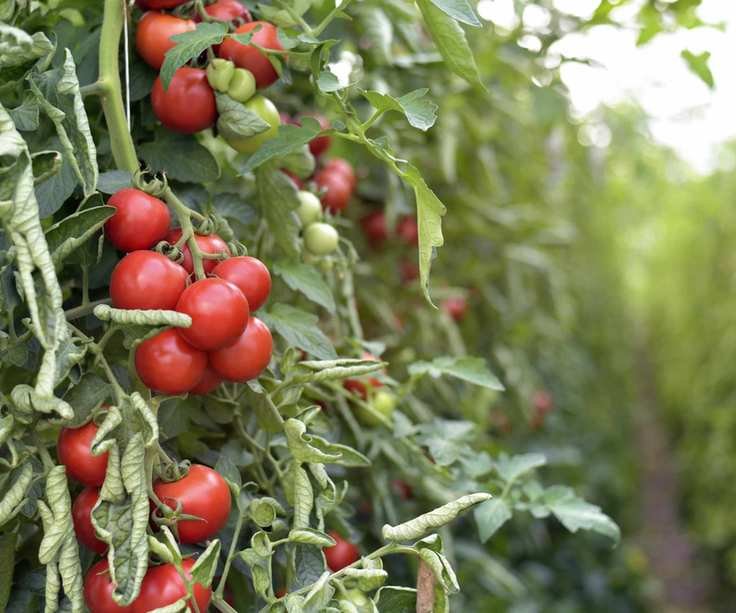
Tomatoes should be selected for outdoor cultivation and planted following the last frost.
Also consider: Melons.
Fruits
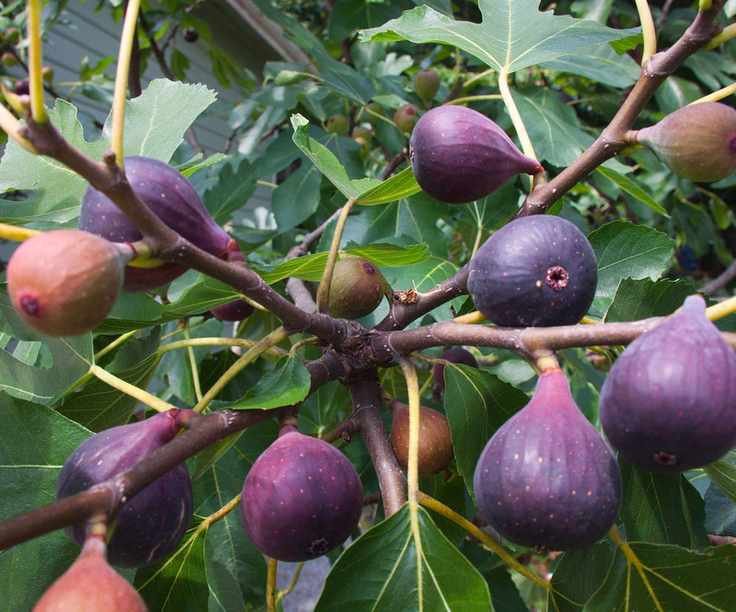
Figs (Ficus carica) thrive in zone 8, with the dwarf 'Little Miss Figgy' excellent for containers.
Meyer Lemon (Citrus x limon 'Meyer') is the hardiest citrus for this zone, needing protection from cold winds.
Also consider: Peach (Prunus persica).
If you're in US hardiness zone 8, your plant, vegetable, and flower options are extensive. Whether you're designing a fragrant garden or planning a vegetable patch, the possibilities are exciting.