Top 12 Drought-Tolerant Shrubs for Low-Water Gardens
Choosing the right plants for your garden requires careful thought, particularly as we increasingly need to consider drought-resistant options. This quality is essential even in temperate regions.
Fortunately, there are many shrubs suited for extended dry spells. Once well established, these plants can tap into moisture deep within the soil. Others are specifically adapted for xeriscapes, desert, and gravel gardens, enhancing the creative possibilities for borders and planters.
Cricket Riley, Nursery and Design Services Director at the Ruth Bancroft Garden in Walnut Creek, CA, emphasizes the shift from "drought tolerant" to "climate appropriate." The Bay Area has various microclimates, making it crucial to select plants that thrive in specific conditions.
Best Drought-Resistant Shrubs for Arid Climates
When designing a dry garden or flower beds in hot areas, prioritize native plants or those proven to withstand drought from arid regions like South Africa and Australia.
1. Cotinus
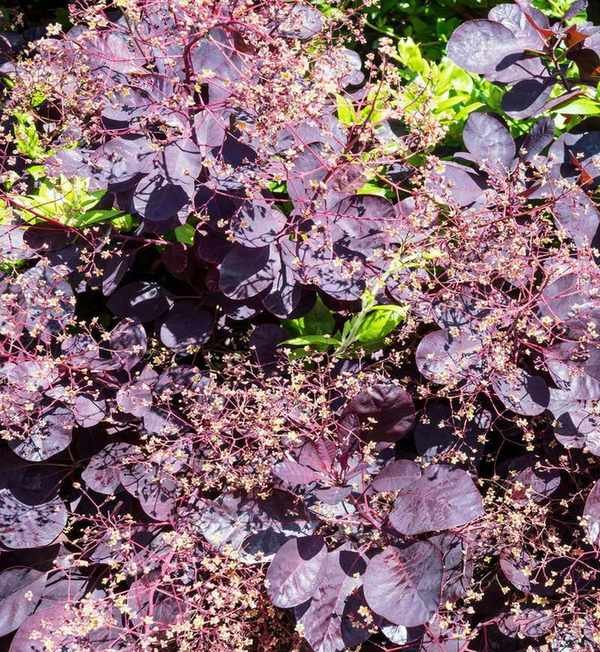
Cotinus coggygria
- Ideal for: Purple foliage and late summer flower contrasts
- Height: 15ft
- Spread: 15ft
- Hardiness: USDA 5-9
Cotinus, or Smokebush, is celebrated for its delicate summer blooms and vibrant fall colors. While often treated as a shrub, it can also function as a small tree and responds well to pruning for size control.
Eric Hsu from the Chanticleer Garden shares that Cotinus coggygria thrived during the summer of 2022. He also suggests the native Cotinus obovatus found in the southeastern U.S.
2. Scotch Broom (Cytisus)
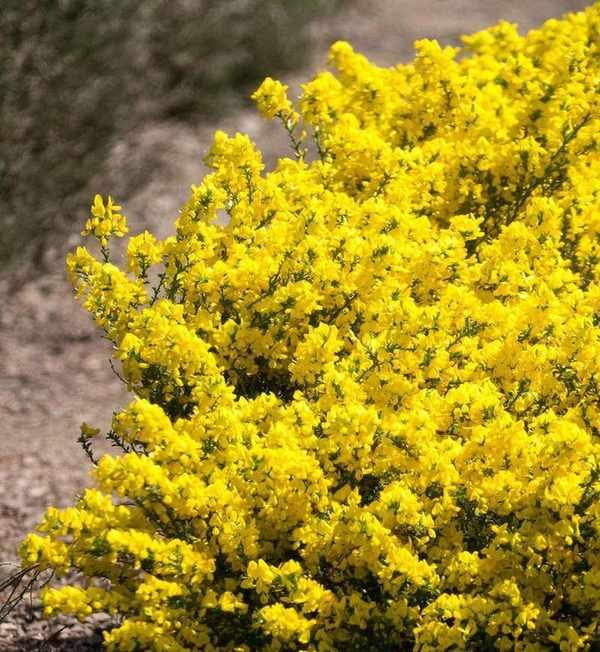
Scotch broom, also known as cytisus
- Ideal for: Mid-border spring blooms
- Height: 6ft
- Spread: 6ft
- Hardiness: USDA 5-8
This vibrant shrub produces sunny yellow, lightly scented blooms in mid to late spring, adored by pollinators. It's a semi-evergreen option in warmer areas, perfect for informal boundaries due to its natural, unpruned form.
Scotch Broom flourishes in poor soils with a slightly acidic pH and can become invasive, particularly on the West Coast.
Nature Hills recommends compact varieties like 'Sister Redhead' for its unique orange flowers, along with bi-colored 'Sister Disco' and pink 'Sister Rosie'.
3. Cistus (Rock Rose)
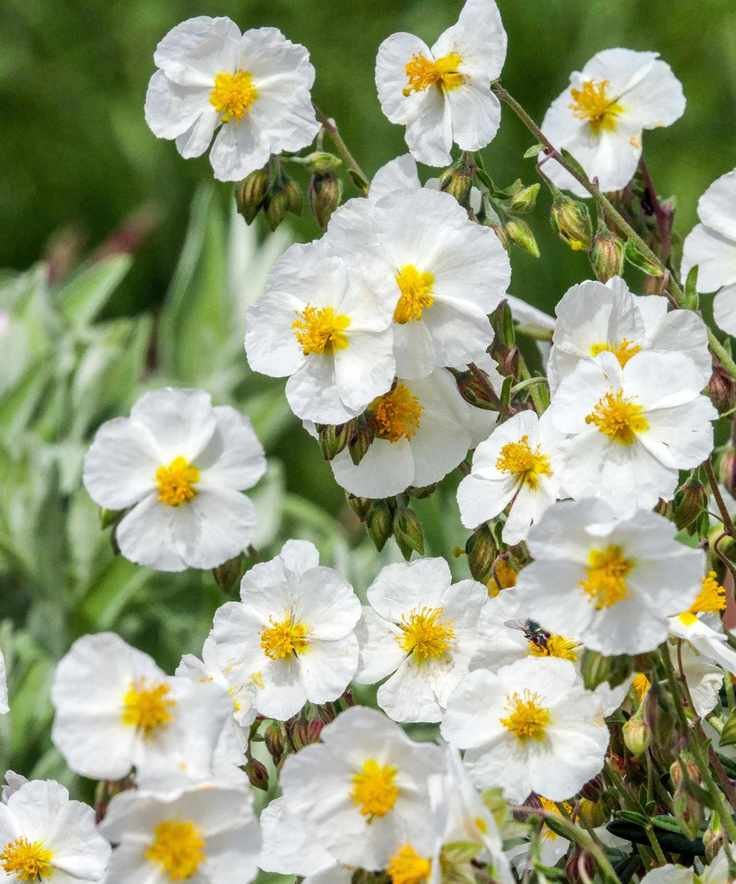
White rock rose
- Ideal for: Front border and Mediterranean gardens
- Height: 4ft
- Spread: 4ft
- Hardiness: USDA 6-9
This small evergreen shrub flourishes in well-drained soil and full sunlight. Its leathery foliage contrasts beautifully with the delicate, colorful flowers.
These flowers bloom in vibrant magenta or white, often with striking maroon accents. Cistus pairs wonderfully with herbs like lavender, sage, and rosemary, and requires minimal pruning after flowering.
4. Leptospermum
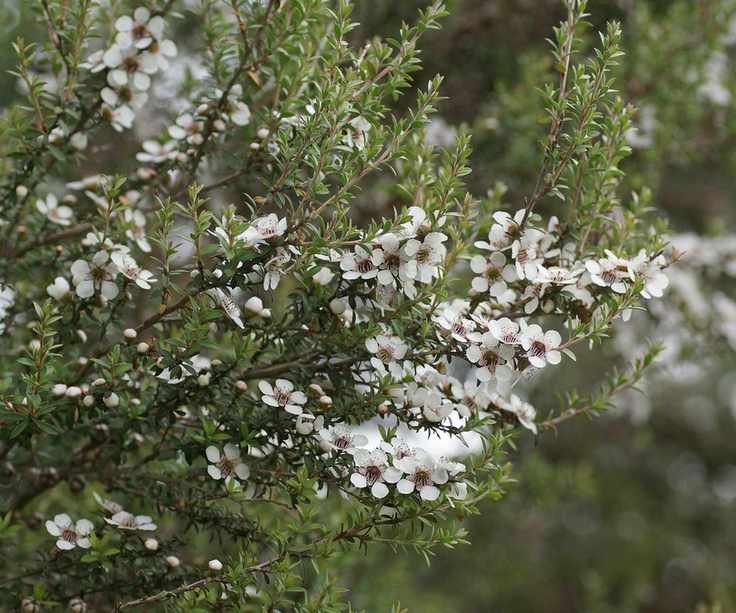
Leptospermum scoparium
- Ideal for: Sunny, dry borders
- Height: 8ft
- Spread: 5ft
- Hardiness: USDA 9-10
This shrub from New Zealand is well-adapted to dry environments, with glossy evergreen leaves. It produces lovely white or pink flowers in early spring and summer and combines beautifully with Mediterranean plants. Popular varieties include 'Red Damask.'
While it's not the source of tea tree oil, it does have medicinal uses in Maori culture and contributes to the production of Manuka honey.
5. Lemon Bottlebrush
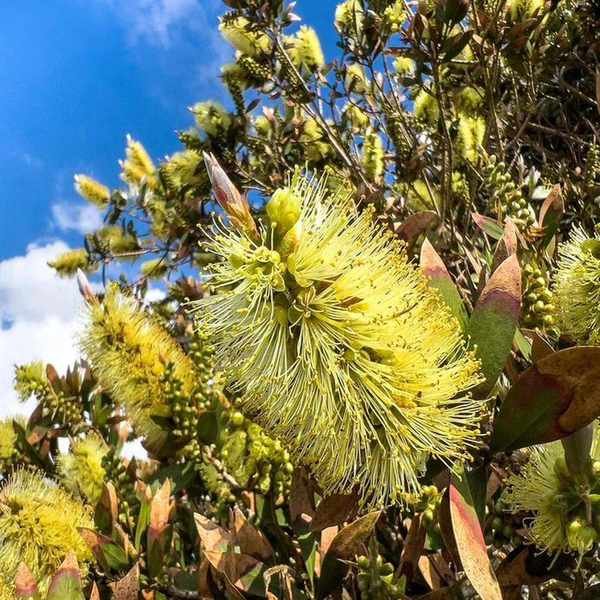
Lemon bottlebrush plant, also known as callistemon pallidus
- Ideal for: Structure and flowers in mixed borders
- Height: 13ft
- Spread: 7ft
- Hardiness: USDA 10-11
This shrub, also known as Melaleuca pallidus, is native to eastern Australia and thrives in hot, dry conditions. Its evergreen leaves and striking bottlebrush flowers create a unique visual appeal.
With flowering colors ranging from light lemon yellow to vibrant red, this plant attracts pollinators, particularly hummingbirds. A light pruning after flowering is essential for maintaining shape.
6. Perovskia (Russian Sage)
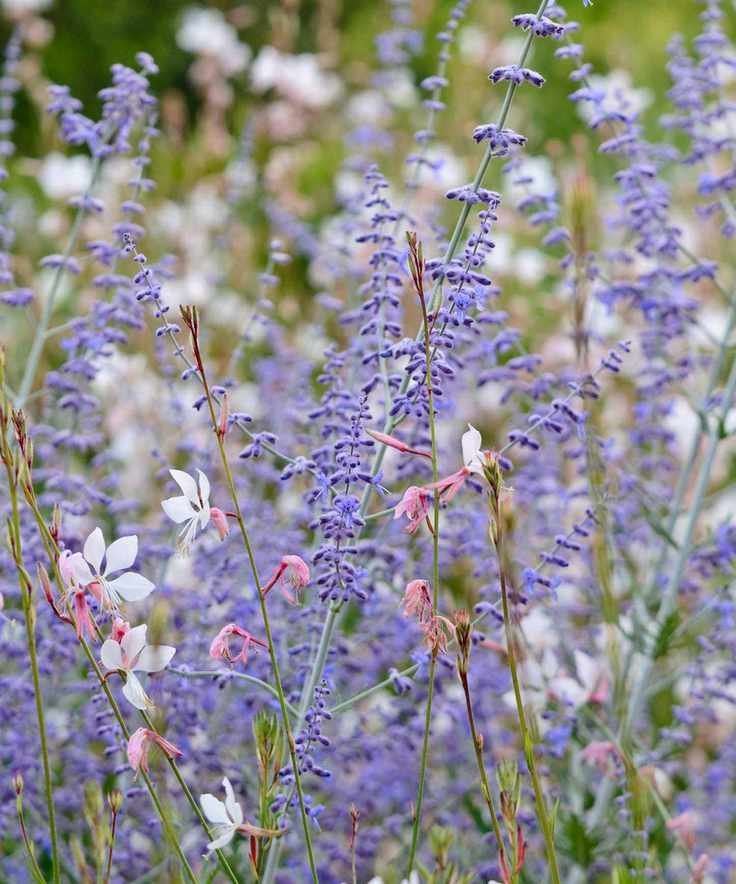
Russian sage, also known as perovskia
- Ideal for: Mediterranean and gravel gardens
- Height: 3ft
- Spread: 3ft
- Hardiness zones: 4-9
This deciduous sub-shrub offers height, color, and scent to mixed borders, with its tall stems producing blue flowers from mid-summer until fall. Minimal maintenance is required apart from cutting it back in early spring.
Popular cultivars like 'Blue Spire' and the compact 'Little Spire' are perfect for smaller gardens. They pair well with sun-loving perennials and ornamental grasses.
7. Buddleja (Butterfly Bush)
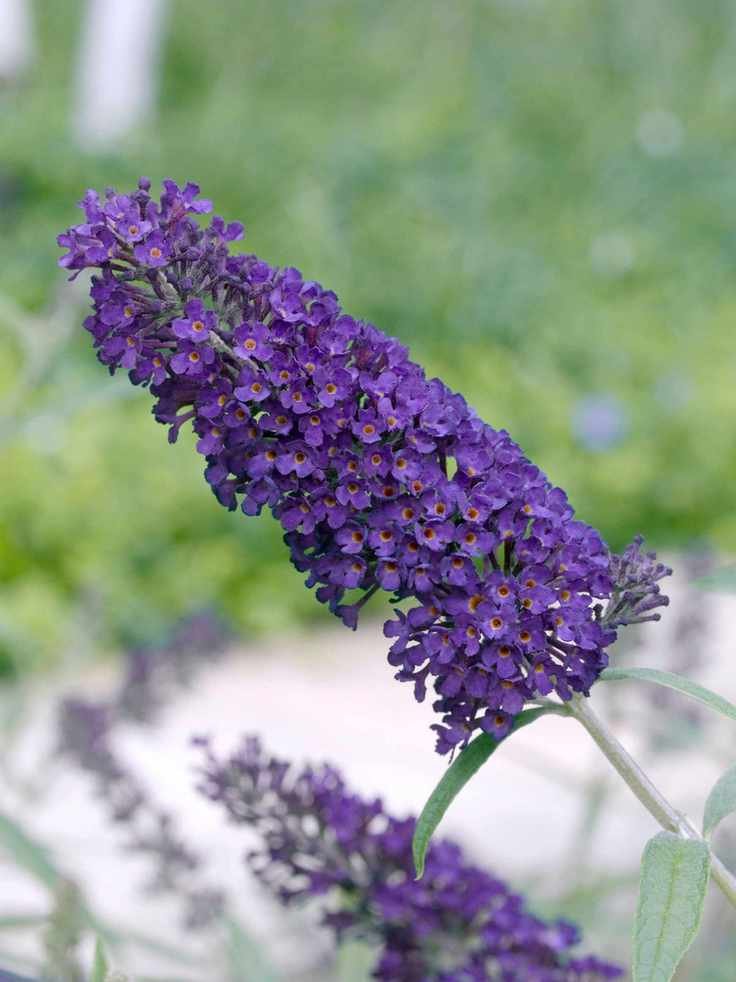
Buddleja davidii 'Black Knight'
- Ideal for: Borders, containers, mixed plantings
- Height: 2ft-6ft
- Spread: 2ft-6ft
- Hardiness: USDA 5-9
No collection of drought-tolerant shrubs is complete without the lovely butterfly bush. Its fragrant blooms attract numerous pollinators and thrive even in harsher conditions.
This vigorous plant can easily become invasive, often sprouting from cracks in pavement, so be sure to prune it heavily in spring to maintain its shape. You'll find a range of colors, from classic violet to elegant white.
For smaller gardens, consider compact varieties like the Pugster and Buzz series.
8. Trachelospermum Jasminoides (Star Jasmine)
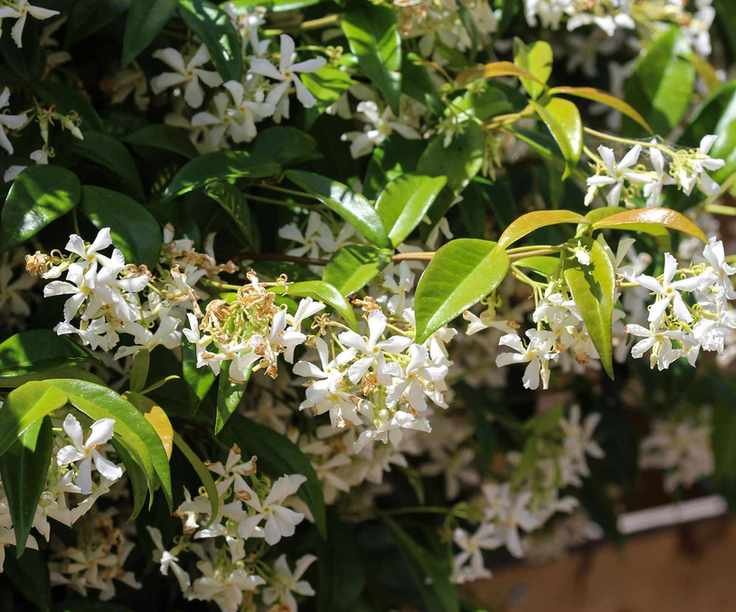
Star jasmine
- Ideal for: Trellises, near seating areas
- Height: 20ft
- Spread: 20ft
- Hardiness: USDA 8-10
If you need a resilient climbing plant, star jasmine is a fantastic option, combining beauty with durability. Once established, it withstands drought conditions well.
This evergreen shrub thrives on walls or trellises, offering a stunning display of fragrant white flowers in summer and attractive fall foliage.
9. Pittosporum Tobira
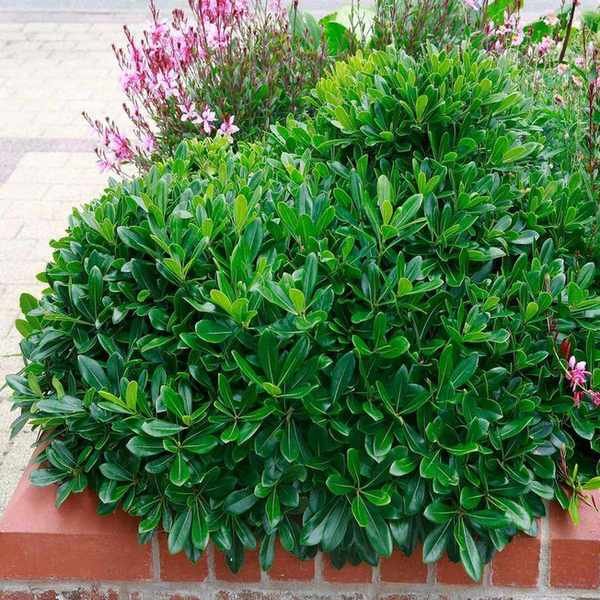
Pittosporum tobira
- Ideal for: Evergreen structure
- Height: 2ft
- Spread: 2ft
- Hardiness: USDA 8-12
This compact evergreen shrub features glossy leaves and makes an excellent addition to any garden layout. The 'Nana' cultivar works well as an accent around doorways or garden paths.
When left untrimmed, it produces fragrant white flowers, gaining the nickname mock orange. It requires regular watering initially but is drought-tolerant once established.
10. Yucca Gloriosa
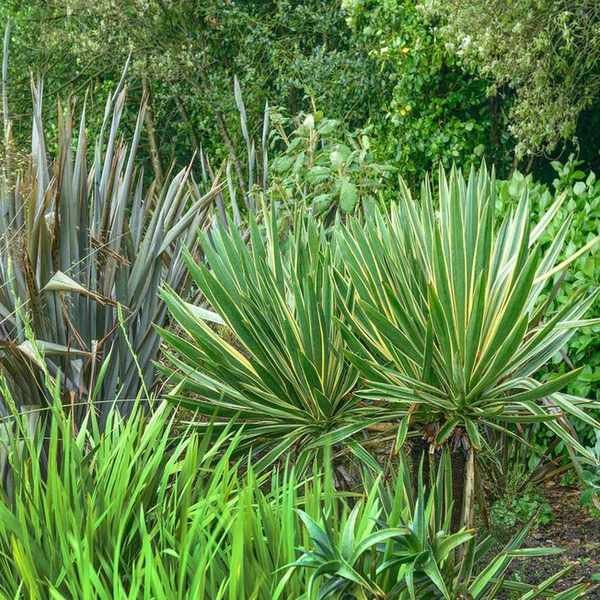
Yucca gloriosa
- Ideal for: Architectural presence in gravel gardens
- Height: 3ft
- Spread: 3ft
- Hardiness: USDA 7-11
This native shrub from the Southeastern USA offers a striking appearance, thriving in hot, dry environments. Its tall white flower spike emerges from a rosette of spiky leaves, creating a dramatic focal point.
It prefers dry, well-drained soil and full sun, making it suitable for desert or coastal gardens, while also tolerating wet winters.
11. Leucadendron
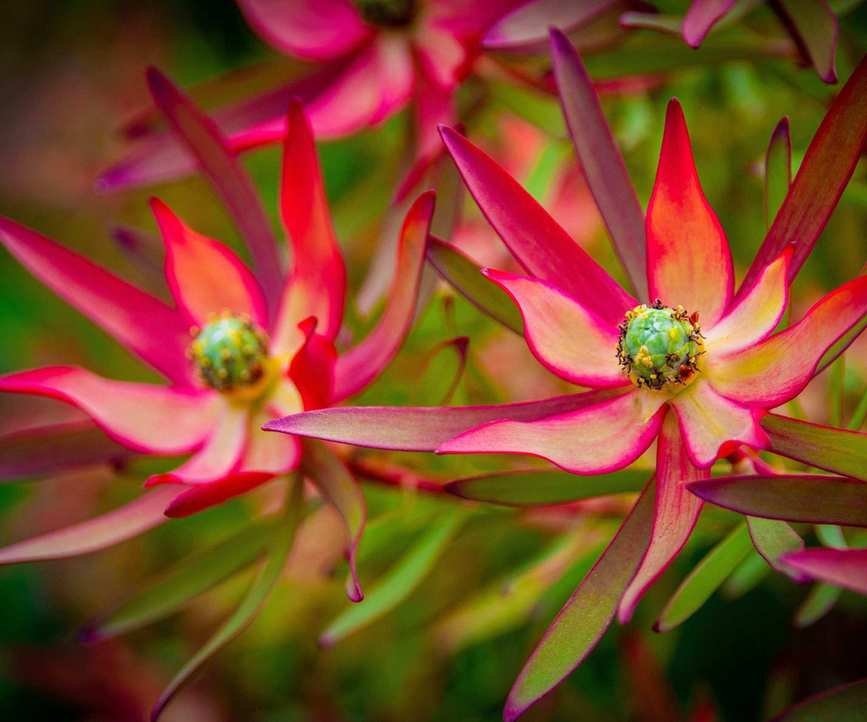
Leucadendron 'Safari Sunset'
- Ideal for: Rocky or desert landscaping
- Height: 8ft
- Spread: 6ft
- Hardiness: USDA 9-11
This stunning South African shrub features eye-catching evergreen foliage and flowers often found in floral arrangements. It thrives in sandy soils and full sun, offering a stunning contrast with lower-growing plants.
12. Mediterranean Herbs
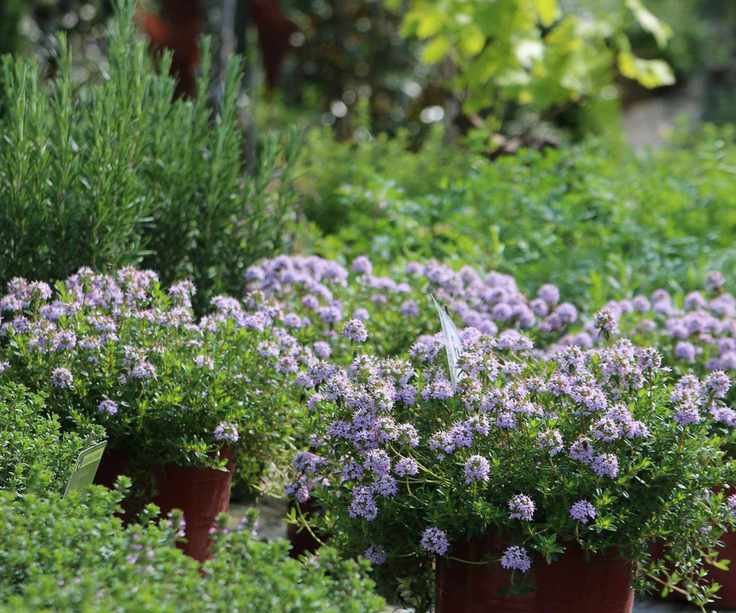
Mediterranean herbs
- Ideal for: Herb gardens, border edging, containers
- Height: 2-4ft
- Spread: 2-4ft
- Hardiness: USDA zone varies
Herb gardens thrive in hot conditions, with many Mediterranean herbs flourishing once established. Consider planting lavender, rosemary, santolina, helichrysum, and thyme in gravel gardens or dry areas for aromatic beauty.
These herbs provide year-round interest, requiring minimal maintenance aside from spring pruning and regular leaf harvesting. Herb propagation is easy, ensuring a steady supply.
Which Native Shrubs are Drought-Tolerant?
Look to the west coast of the U.S. for excellent drought-resistant shrub options.
Zauschneria californica is a low-growing semi-evergreen shrub favored by hummingbirds. Fremontodendron californicum displays bright yellow flowers from spring to early summer and is ideal for wall training, but be cautious as its tiny hairs can irritate skin.
Ceanothus, or California Mountain Lilac, comes in various sizes, from dwarf varieties to small trees, with clusters of blue flowers that brighten early summer and some varieties that bloom in fall. Notably, Ceanothus 'Valley Violet' comes highly recommended.
What are the Best Drought-Tolerant Shrubs for Shade?
Gardening in shady, dry areas can be challenging, yet certain shrubs thrive in these conditions. Cricket Riley recommends Mahonia 'Soft Caress', Correa cultivars, and Ceanothus 'Diamond Heights' as reliable choices. Other options include nandina, Hydrangea paniculata, berberis, and Daphne laureola.
Which Drought-Tolerant Shrubs Work Well for Hedges?
To create natural green boundaries, several drought-resistant shrubs can serve as hedges. Classic options include English laurel, Texas privet, and bay laurel.
From California, the evergreen California wax myrtle Myrica californica is a suitable choice. For coastal gardens, consider the hardy Australian Coast Rosemary, Westringia fruticosa, which grows to about 6ft and tolerates pruning.
As weather patterns may be unpredictable, ensure proper drainage by adding grit or extra compost when planting drought-tolerant shrubs. While many can withstand cooler temperatures, soggy, cold soil is detrimental.