Protecting Plants from Frost: 12 Essential Strategies for Winter Care
Sudden winter cold snaps can decimate young and delicate plants. Being prepared with strategies for protecting plants from frost is essential as temperatures drop.
There are several effective methods to shield vulnerable plants from frost damage. It's far better to take precautions than to watch your beloved plants succumb to freezing temperatures overnight.
If you're not in a warm US hardiness zone or growing resilient frost-hardy perennials, many of your ornamental plants and crops will require some form of winter protection. Let's explore how to ensure their survival through the colder months.
Which Plants Need Protection?
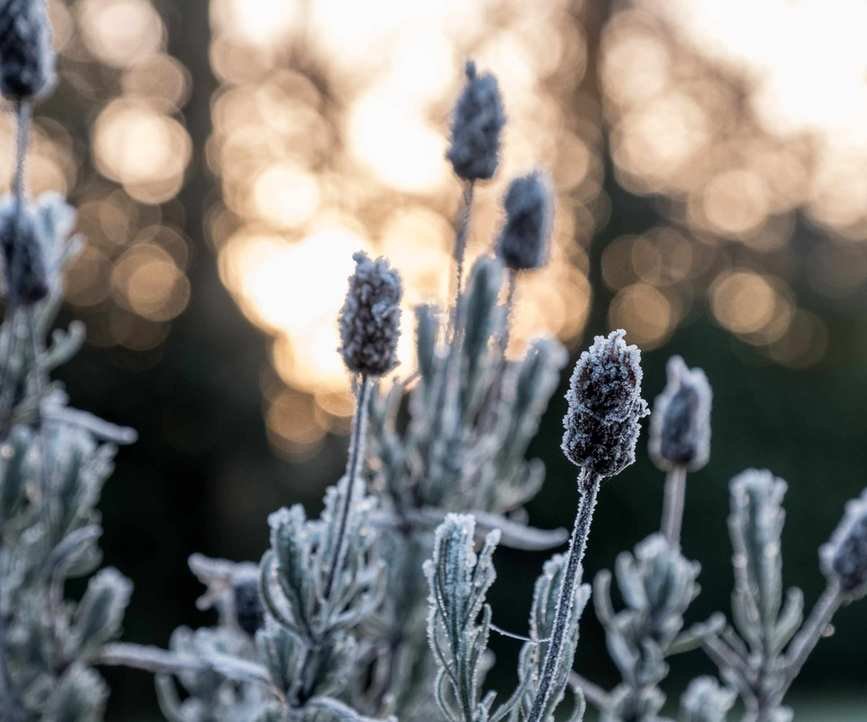
Not every plant needs frost protection, but several categories definitely do, such as:
- New seedlings and fresh growth
- Tender perennials
- Half-hardy varieties
- Tropical and subtropical plants like palms and banana trees
Frost damage often appears as blackened, distorted growth or limp leaves, particularly on evergreens. If unsure, research your plants' hardiness and conditions. Always err on the side of caution by planning frost protection if cold weather is on the horizon.
Some vegetable crops, however, actually improve in flavor after frost exposure. Nicole Burke, author of Rooted Garden, notes, "Certain veggies are frost tolerant, if not resistant." If you're in a colder area, consider learning how to grow kale and other frost-tolerant crops. Otherwise, plan to winterize your vegetable garden.
12 Solutions for Frost Protection
Whether your plants are in the ground, flower beds, or containers, there are effective strategies to shield them from frost damage. Here are 12 quick methods to help protect your plants this winter.
1. Bring Potted Plants Indoors
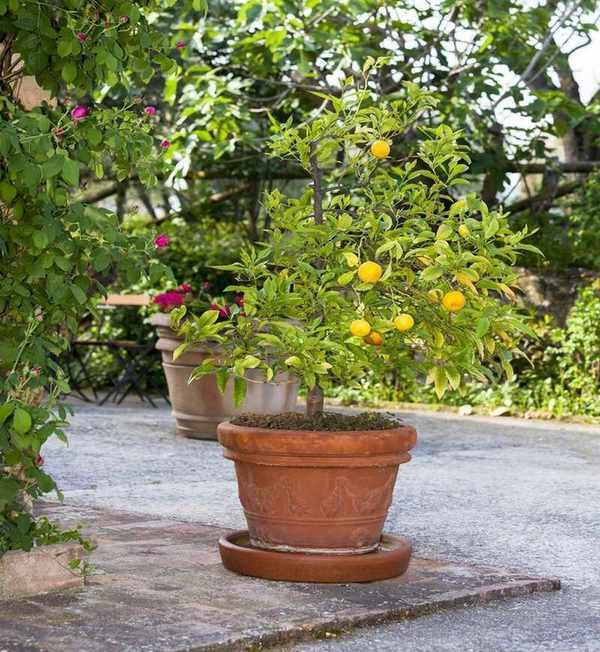
One of the simplest ways to protect plants from frost is to bring them indoors, especially tender potted varieties. Potted plants are more exposed to frost damage and lack the insulation of ground-planted flora.
As Valeria Nyman, a gardening expert from Taim.io, suggests, "Potted plants can be moved easily. If frost threatens, just bring them inside or under cover. This is essential in colder climates."
Utilize a conservatory, garage, or frost-free greenhouse for overwintering potted plants, avoiding overly warm spaces.
2. Apply Mulch Around Garden Beds

Sarah Raven advises, "Spread dry mulch like chipped bark or straw around borderline-hardy plants to protect their crowns."
Leaf mold or piles of leaves can also serve as insulation and a barrier against cold. Utilize fallen leaves effectively for added protection.
3. Cover Plants with Fleece

For larger garden plants and shrubs, consider covering them with horticultural fleece or a frost cloth. Alternatives like bed sheets, blankets, or bubble wrap can work too.
Set up stakes around your plants and drape the material over them to create a protective tent. Secure the corners to prevent blowing, and remove coverings during the day.
4. Position Plants in Sheltered Areas

Using the mantra 'right plant, right place' can help safeguard plants from frost. Place tender plants in a sheltered location—ideally against a south-facing wall that absorbs heat during the day.
Other sheltered spots include areas near fences, under evergreens, or within patio spaces. This will help reduce wind exposure and the risk of frost damage.
5. Lift and Store Tender Perennials

To protect tender perennials, lift them before frost sets in. Store roots, bulbs, and corms in a cool, frost-free area like a potting shed or greenhouse. This method is useful for overwintering dahlias or begonias.
6. Use Cloches for Protection

Cloches, bell-shaped covers made from glass or plastic, are excellent for protecting seedlings and smaller plants. They can be purchased or made from recycled items. Make sure to remove them during the day for sunlight exposure.
7. Utilize a Cold Frame

Young hardy annuals planted in fall may also benefit from some frost protection in a cold frame. Ensure proper ventilation on warm days.
8. Keep Seedlings in a Greenhouse

Greenhouses provide warmth and shelter for young plants and seedlings. Even a small, insulative greenhouse can effectively trap heat and protect against frost.
9. Water Plants in the Morning

Watering your plants in the morning helps retain heat in the soil, providing a thermal buffer against frost. Wet soil holds heat better than dry soil, making it a smart strategy.
10. Cut Back on Watering

As temperatures drop and plants become dormant, limit your watering. Overwatering leads to excess moisture that can freeze and damage roots.
11. Wrap Container Plants

If moving containers is not an option, wrap them with materials like bubble wrap or burlap. This insulation helps protect roots from freezing.
12. Select Hardy Plants for Your Area

Instead of trying to protect unsuitable plants, choose those that flourish in your climate. Many evergreen shrubs are hardy and can survive well in your zone. While this may limit plant options, there are still plenty of suitable varieties.
FAQs
At What Temperature Should I Cover My Plants?
Frost typically occurs at temperatures below 32°F. Protect plants when temperatures drop below this threshold, especially tender species that require safeguarding before temperatures dip below 40°F.
Can Plastic Bags Be Used for Frost Protection?
Plastic bags are not recommended for covering plants due to potential damage from moisture buildup, making them less insulating and not eco-friendly. Seek better alternatives.
Taking steps to safeguard plants from frost and snow should be a priority on your winter gardening checklist. Being proactive is key to ensuring your plants thrive through winter.
For more winter gardening advice, including whether to remove snow from plants, we have everything you need to keep your garden safe this winter.