7 Compact Native Plants to Attract Pollinators to Small Gardens
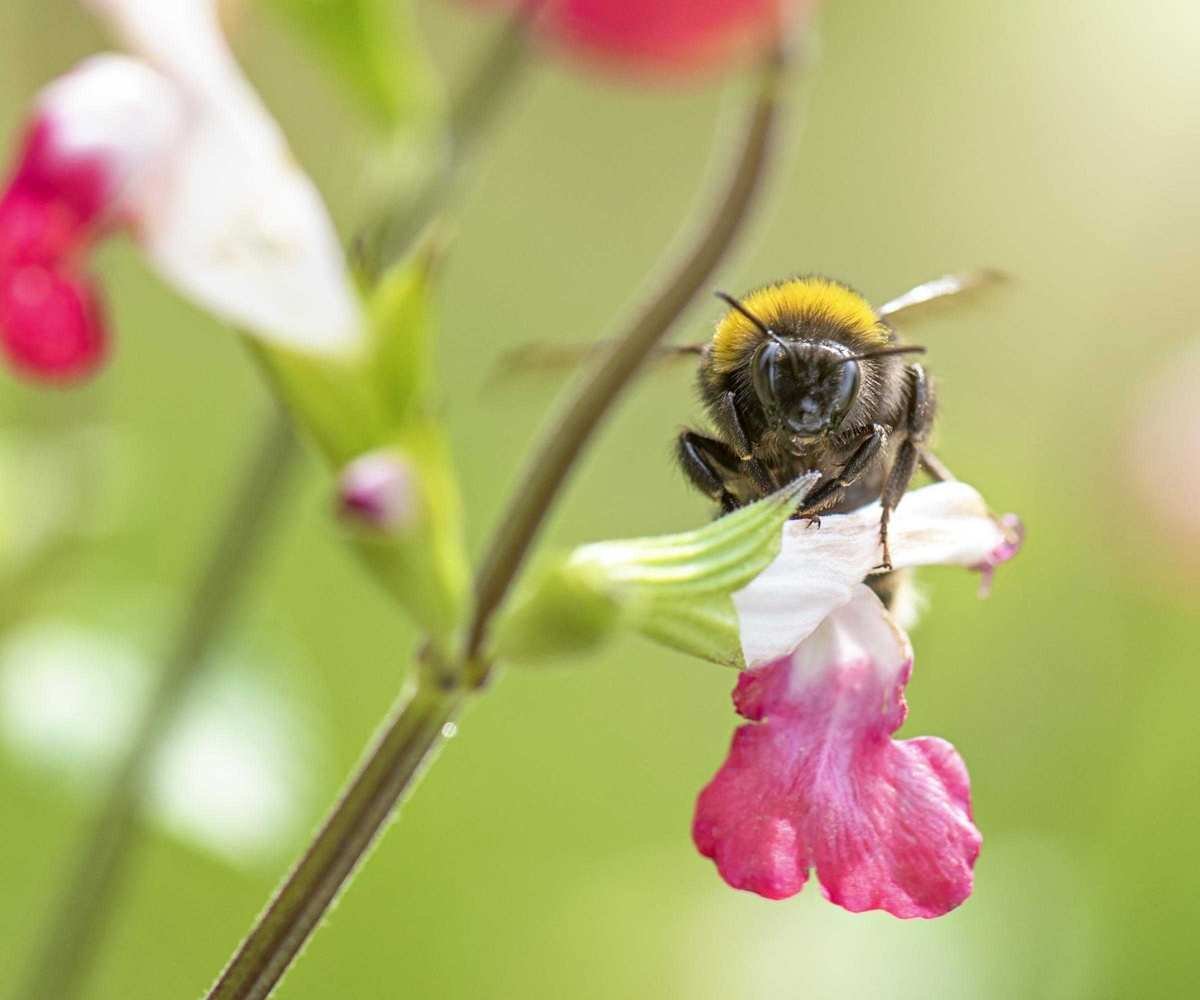
Pollinators play a vital role in gardens, and you can create spaces for them, regardless of size. Don't hesitate to use small native plants to attract bees, butterflies, and other pollinators, even in the tiniest gardens.
These small pollinator plants range from four to 12 inches tall. Though modest in height, they boast vibrant blooms that provide nectar throughout the seasons.
Plants like creeping phlox, stonecrop, tickseed, wild strawberries, and dwarf perennial varieties are ideal for limited spaces and containers, drawing in numerous pollinators. Let's explore these small pollinator plants that deserve a spot in any cozy garden.
7 Native Plants Perfect for Small Pollinator Gardens
Native plants are the top choice for attracting pollinators to any area. They have adapted alongside local pollinators, making them the best fit for the wildlife in your region.
For a lively pollinator spot on your balcony, patio, or deck, consider prioritizing native plants.
Here are seven compact native pollinator plants to enhance your garden:
1. Creeping Phlox
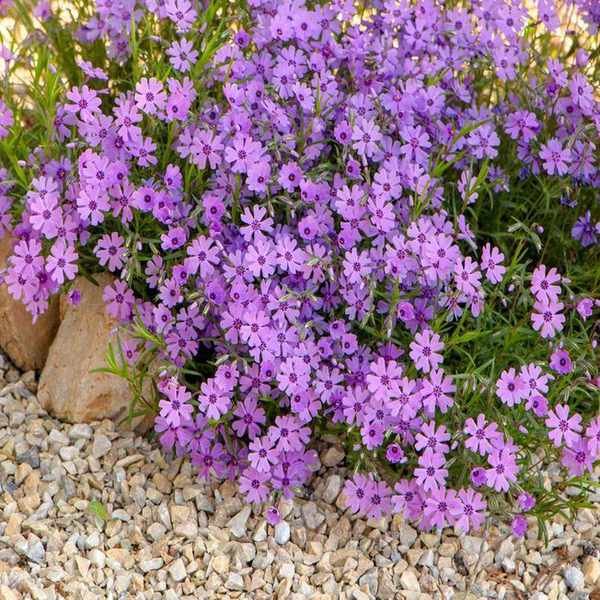
Creeping phlox (Phlox subulata) is a low-growing species native to the Northern Midwest, reaching heights of 4-6 inches.
This plant forms low mounds adorned with pink, purple, blue, and white blooms. Its nectar-rich flowers bloom in early to mid-spring, attracting bees, butterflies, and hummingbirds seeking food.
Creeping phlox is versatile, suitable for various spaces. It effectively suppresses weeds and can edge borders or paths. In smaller areas, it also thrives in containers, cascading beautifully over pot edges.
Consider planting Purple Beauty Creeping Phlox at Nature Hills in zones 3-9 for stunning lavender blooms that entice early pollinators.
2. Stonecrop
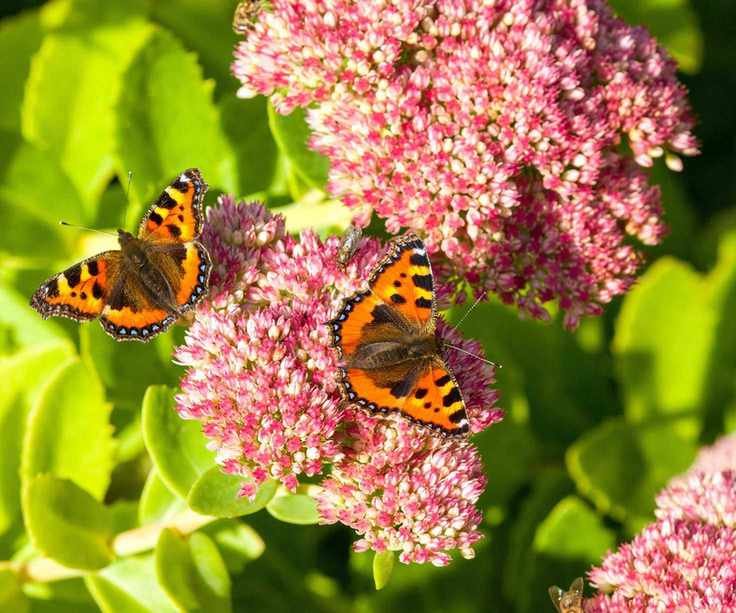
Stonecrop (sedum) encompasses a diverse range of plants, from tiny varieties to larger border types. This broad genus includes several low-maintenance, drought-resistant species perfect for compact areas.
Stonecrop features clusters of star-shaped flowers, serving as ideal landing spots for pollinators while providing essential nectar for various bees and butterflies.
Sedum ternatum, native to the Eastern US, grows just 3-6 inches tall, displaying white flowers with black stamens from mid-spring to early summer.
You can find a live Sedum ternatum plant at Amazon, which prefers light shade and can even thrive in wall crevices.
3. Dwarf Beardtongue
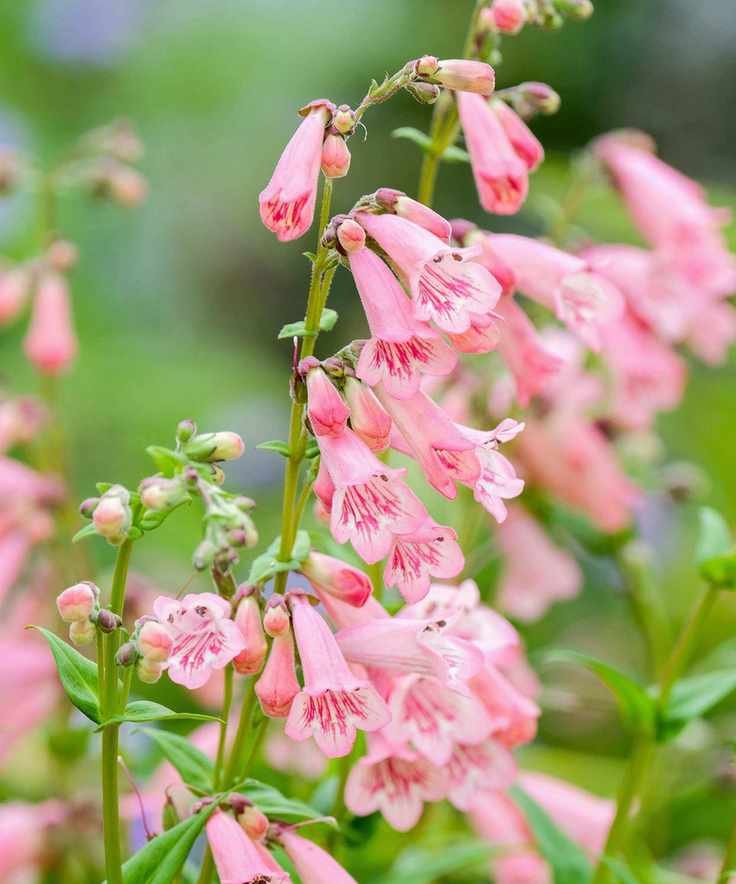
Dwarf varieties of beardtongue, or penstemon, are numerous across the US, and the Dwarf Beardtongue (Penstemon hirsutus 'Pygmaeus') stands out, growing only 6-8 inches tall.
This compact plant features glossy green leaves that turn maroon in fall and purple-blue flowers with white throats blooming from early summer onward. Its tubular, nectar-rich flowers attract hummingbirds, bees, and butterflies.
Plant a dwarf beardtongue in a small cottage garden, compact rock garden, or a container with well-draining soil. It enjoys partial shade, and deadheading promotes continuous blooms.
4. Wild Strawberries

If you're looking for a native small pollinator plant that yields edible fruit, wild strawberry (Fragaria virginiana) fits the bill.
These native strawberries grow low and spread if permitted, but can also flourish in container gardens, offering both flowers and small fruits.
The 6-8 inch plants produce white flowers with yellow centers in spring, attracting a variety of pollinators. They are beneficial for many butterflies and moths, and the flowers cater to short-tongued native bees.
Wild strawberries can be cultivated as perennials in zones 4-8 or as annuals in zones 9-10. To grow your own, consider a packet of wild strawberry seeds at Amazon.
For optimal results, stratify seeds in the refrigerator for a few weeks before planting. Sow seeds indoors in spring or fall in pots with seed compost (like this seed starting mix at Burpee), ensuring the seeds are lightly covered for light exposure during germination.
5. Tickseed
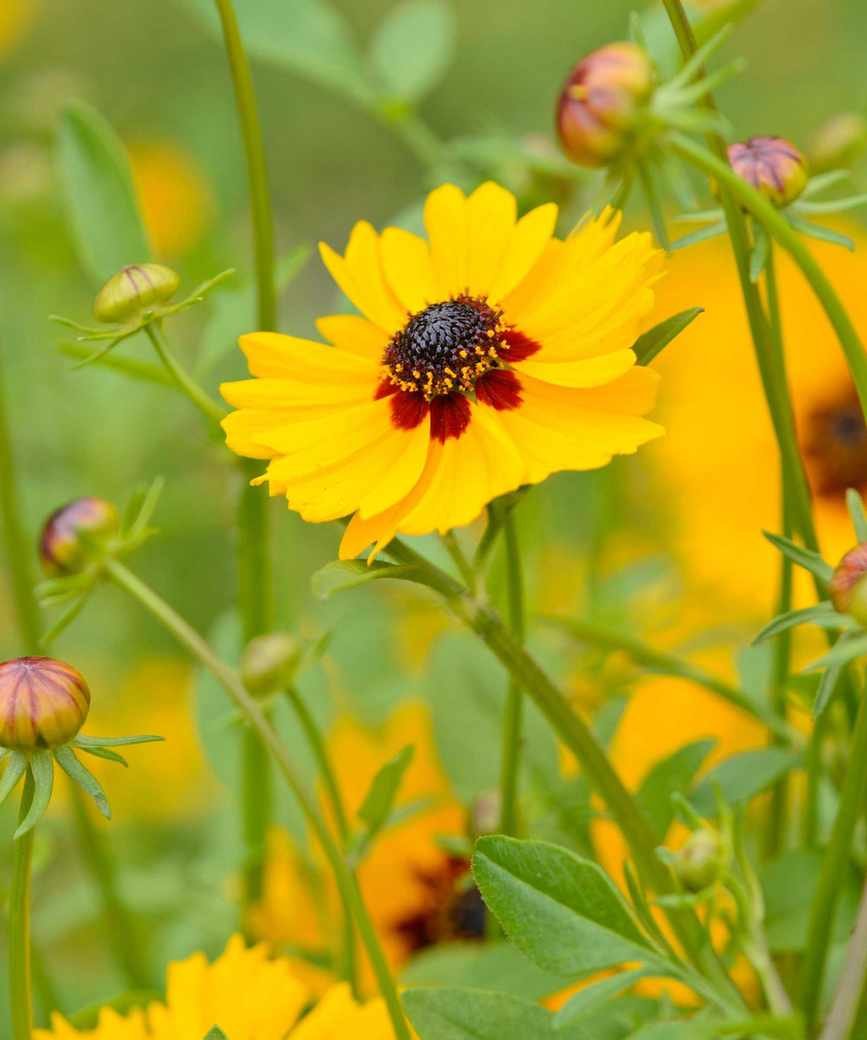
With over 100 species of native tickseed, also known as coreopsis, the options range in size and color, from annuals to perennials that can grow between six inches and four feet tall.
Even the smallest dwarf varieties provide support for numerous pollinators, and there is a great selection of small plants below two feet that are low-maintenance options for pots.
Tickseed serves as a vital food source for many native bees and acts as a host plant for butterfly larvae.
Pollinators are drawn to the daisy-like blooms in various colors. Additionally, tickseed is among the longest-blooming perennials, offering a lengthy flowering season for wildlife and enjoyment.
Different flower forms exist among the many varieties, but single-flowered types are the most beneficial for easy nectar access.
A lovely option is the Lil Bang Daybreak Coreopsis at Nature Hills, a compact variety that stays around one foot tall, featuring striking orange and yellow blooms that attract pollinators.
6. Dwarf Black-Eyed Susan

Black-eyed Susans are excellent pollinator plants that draw bees, butterflies, beetles, and flies from early summer until the first frosts arrive.
Among the various colors and sizes of rudbeckias, dwarf varieties are perfect for pots or planters, allowing enjoyment of these daisy-like flowers and their accompanying wildlife in compact settings.
One great example is Little Goldstar, a compact black-eyed Susan growing up to 16 inches tall, bursting with bright yellow blooms featuring dark centers. You can find Little Goldstar Black-Eyed Susan at Nature Hills.
Be sure not to cut back Black-eyed Susan until spring, as the dried seed heads provide food for birds in a winter wildlife garden.
7. Melampodium
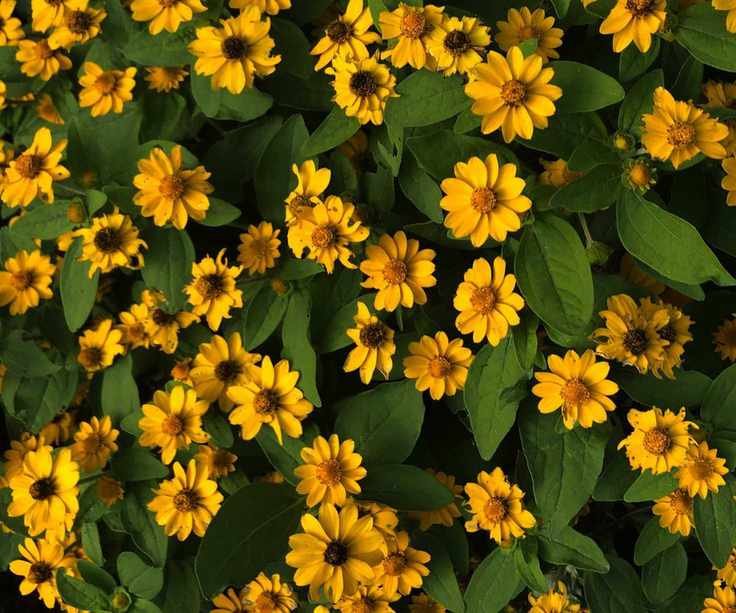
Butter daisies (Melampodium divaricatum) are fast-growing annual flowers in the aster family, growing to heights of 12-18 inches.
These short plants boast bright green foliage and daisy-like flowers in shades of yellow or orange, which are particularly appealing to bees and butterflies.
Melampodium is low-maintenance, requiring no deadheading and producing blooms for an extended period, potentially from late spring until the first frosts.
If you grow butter daisies from seed, expect flowering within eight weeks after sowing. You can find Jackpot Gold Melampodium seeds at Burpee, ideal for compact beds or containers.
Shopping Recommendations
Consider a mix of 24 native wildflower seeds, including both perennial and annual varieties, to attract pollinators, birds, and beneficial insects to your garden.
This 5-tier garden bed allows you to grow various plants for pollinators in limited space, featuring a sturdy metal frame with drainage holes in each tray.
Enhance your garden with a pollinator watering station, a decorative feature that provides a safe water source for bees, butterflies, and more.
To successfully attract pollinators, it's essential to know which colors appeal most to them.
For insights on this topic, check out our guide on colors that attract bees, detailing the flower shades to plant for drawing beneficial insects into your yard.