Understanding Native Planting: A Guide to Eco-Friendly Gardening
Native planting is a trending topic in gardening circles, and for good reason. Recognizing the significant advantages that native plants offer not only to our gardens but also to the surrounding environment is crucial, especially as we face the impacts of climate change and shifting seasons.
This concept aligns closely with the rise of prairie planting and the adoption of more naturalistic garden designs. But what exactly do we mean by native plants? How can you determine which plants are indigenous to your area?
By definition, native plants are those that have naturally flourished in a specific location or ecosystem for thousands of years. They are well adapted to the local environmental conditions, which is why, when selected correctly, native plants can provide extensive benefits to local ecosystems.
'These plants have gradually evolved, making them well-equipped to handle variations in soil, weather, humidity, and even natural disasters,' explains Rituparna Simlai, founder of the landscape architecture firm Studio Arth in Miami, Florida.
According to experts from the California Native Plant Society, 'The key to successful native planting is selecting plants that naturally occur in your area. Explore hiking trails, visit nearby botanical gardens, and observe what plants your neighbors are cultivating,' which are just a few suggestions for identifying local natives.
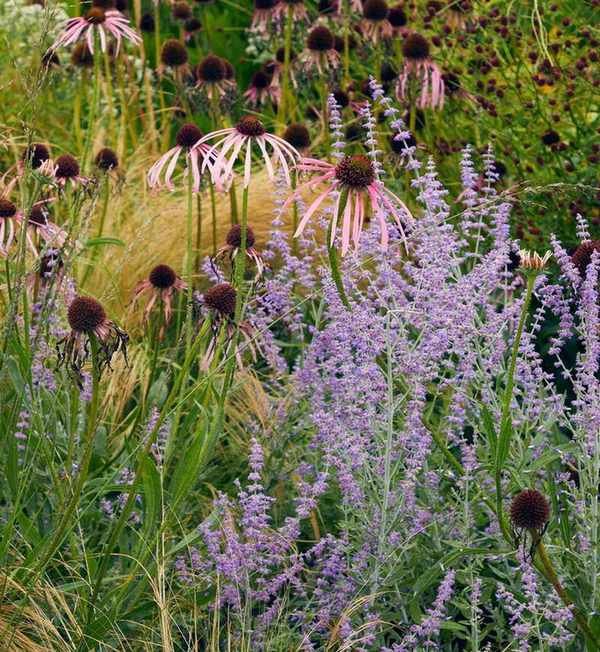
Exploring Native Planting
We consulted native planting specialists to provide insights on discovering native plant species, practical tips for their cultivation, and the numerous advantages they bring to your garden.
The Benefits of Native Plants for Your Garden
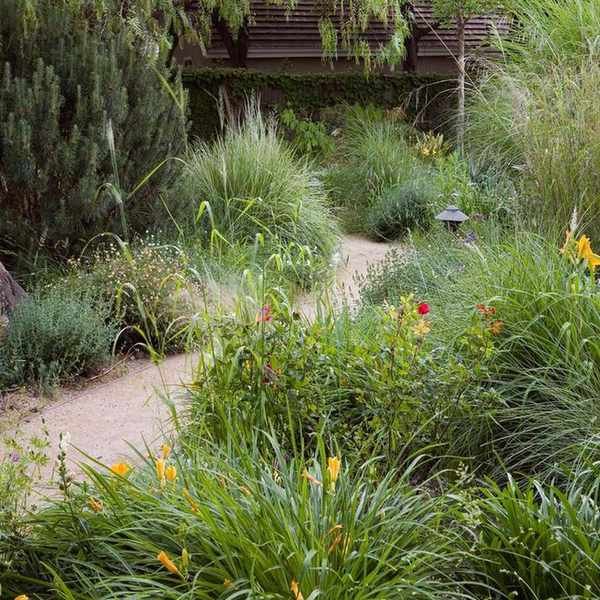
When you incorporate native species into your garden, you support the health of local ecosystems, as these plants are crucial components of the environmental system.
'Native plants and trees create habitats and food sources for local wildlife, drawing in pollinators, which are essential for a thriving ecosystem,' says Fern Berg, founder of Tree Vitalize, who manages over 100 native tree species in the U.S.
'Many native plants feature deep-root systems that help minimize stormwater runoff while enhancing soil quality and water retention,' Fern adds. 'Since these plants are adapted to local rainfall patterns, they typically need less supplemental watering compared to non-natives.'
'By choosing to plant native species, you foster the reconnection of habitat networks and ecosystems that may have been disrupted by urbanization,' she continues.

Fern is the founder of Tree Vitalize and tends to over 100 varieties of native and exotic trees. She also maintains a large vegetable garden and several flower beds, along with a diverse collection of indoor plants. Fern has a keen interest in biodynamic farming, food production, and sustainable agriculture, and is currently pursuing certification as a horticulturist.

Rituparna Simlai leads the landscape architecture company Studio Arth in Miami, Florida, championing local construction practices and the use of native plants in landscaping.
Benefits of Native Plants for Gardeners
'Native plants are inherently suited to regional conditions, making them more resilient to pests and changing weather,' points out Christy Conoly, CEO of Stomps and Company in Athens, Georgia, which emphasizes the importance of native planting in the region.
'For instance, if you're in a flood-prone area in Athens, a great shrub to consider is Aesculus sylvatica, commonly known as painted buckeye, which is deer-resistant and attracts hummingbirds, bees, and butterflies,' Christy explains. 'Other natives in this region include eastern red columbine (Aquilegia canadensis) and Georgia aster (Symphyotrichum georgianum), a native aster that provides nectar for late-season pollinators.'
Fern Berg also remarks that native plants can save you both time and money. 'Since they are adapted to local conditions, they require fewer inputs, such as fertilizers or pesticides, and often need very little pruning, making them generally low-cost,' she adds.
Additionally, these plants frequently develop resistance to local pests and diseases, meaning they are more robust and usually require minimal intervention from you to manage any issues.

Christy Conoly is the CEO of Stomps and Company in Athens, Georgia, known for its handcrafted wooden charcuterie boards. Located along the Middle Oconee River on Native American land, the business promotes the significance of native planting in the area.
Finding and Selecting Native Plants
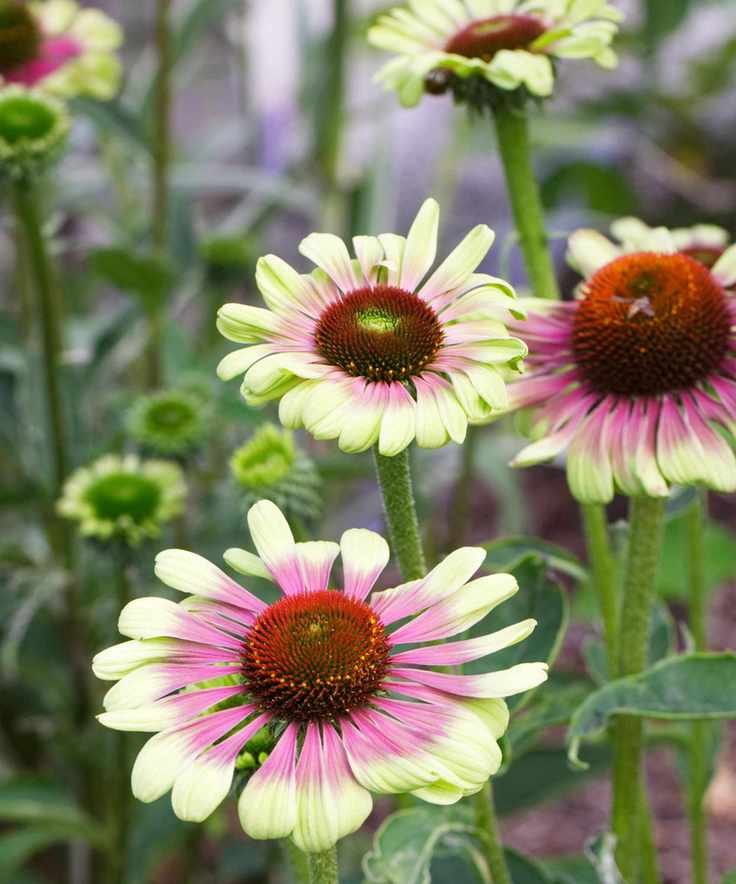
A great starting point for researching plants that naturally grow in your area is to consult local resources like native plant societies, nearby botanical gardens, local nurseries, or state university extension services, all of which can provide extensive information on local plant species.
Be sure to check your USDA Hardiness zone as well, to determine if your selected plants will thrive in your environment.
You can refine your search by connecting with gardening clubs or local societies, which can offer recommendations specific to your community.
Popular native plants in the U.S. include black-eyed Susan, dogwood, and milkweed; the asclepia speciosa variety from Burpee, which attracts butterflies and hummingbirds. Other examples include ninebark, this common variety from Nature Hills, and coneflower. You can also find various ornamental native grasses and wildflowers.
Incorporating Natives into Your Existing Garden
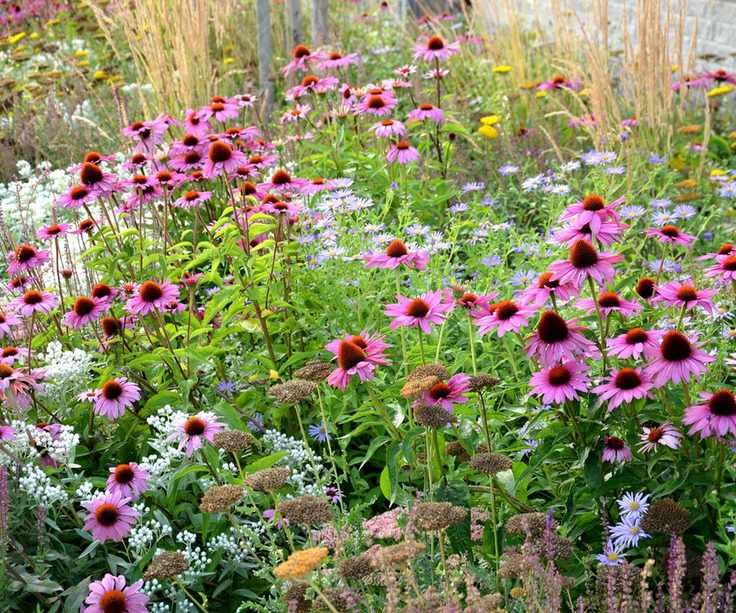
Once you've identified the native plants you'd like to introduce to your garden, the first step is to assess your current growing conditions and identify where these new additions will thrive.
'Examine your soil type and moisture levels. Your region may contain wetland ecosystems and drier upland areas, each supporting distinct native species,' suggests Fern Berg. 'By matching the right native plants to your specific soil and moisture conditions, you'll create a more sustainable and low-maintenance garden.'
Also, keep an eye on the amount of sunlight different areas in your garden receive throughout the day, which will vary with the seasons. Choose plants accordingly, as each species has different light needs.
Fern recommends starting small and gradually expanding your collection. 'Begin with a few species that are relatively easy to maintain. As you gain confidence, you can grow your native plantings until you have a thriving native ecosystem in your backyard.'
'It's best to include a variety of native species, such as trees, shrubs, perennials, and grasses. This diversity will create a habitat that is more resilient to pests and diseases and supports a broader range of local wildlife,' she adds.
Lisha Astorga, owner of the native plant nursery Desert Straw House, which focuses on native desert plants for the Palm Springs area, suggests that the easiest way to begin incorporating native plants is to 'replace your tropical and invasive annuals (like petunias, periwinkles, and impatiens) with native perennials.'
Lisha continues, 'In Southern California—beyond just the desert—we recommend desert marigold (Baileya multiradiata), which is excellent for attracting butterflies, desert milkweed (Asclepias subulata), and blue mist flowers (Ageratum corymbosum).
Rituparna Simlai adds that you can also combine native species with adapted varieties. 'In tropical settings, we often pair native shrubs with large-leaf philodendrons to create vibrant tropical aesthetics,' she explains. 'In temperate areas, you can enhance the blend of native plants with adapted flowering species. Rather than competing for resources, these adapted plants contribute both value and texture to the landscape.'

Lisha Astorga owns Desert Straw House, a native plant nursery specializing in desert plants for the Palm Springs region. Her unique Sky Valley property, featuring straw bale construction, provides guided tours of her native plant gardens to showcase their seasonal beauty.
Frequently Asked Questions
Can I grow native plants if I live in an apartment?
Yes, you can successfully cultivate a variety of native plants in containers on a balcony or terrace. Just ensure you provide proper drainage and watering conditions for your chosen plants, and you should attract bees and butterflies even in an urban environment.
Where can I purchase native plants?
Once you know which plants are native to your area, make sure to source them responsibly from a reputable garden center or nursery.
'Never take plants from natural habitats, as this can damage the local ecosystem,' advises Fern Berg, a tree expert and founder of Tree Vitalize.
No matter how small your start is, adding just a few native plants to your backyard is a step toward positively impacting your local ecosystem and learning to garden in a more sustainable manner. Your plants—and the earth—will appreciate it.