6 Essential Non-Toxic Bathroom Cleaners Recommended by Experts
Bathrooms accumulate germs, mold, stains, and odors, making them challenging to clean.
Though it's tempting to grab harsh chemicals, such as bleach, these can harm your health. That's why professionals choose non-toxic cleaners that effectively tackle grime without the risks.
Here are six top non-toxic products for cleaning your bathroom—great for eliminating bacteria without compromising your well-being.
Non-toxic bathroom cleaners
You don't need harsh chemicals to achieve cleanliness. Ditching bleach and ammonia-based products is a smart choice.
Building a collection of non-toxic essentials in your cleaning supplies simplifies the task and minimizes skin and respiratory irritations while ensuring sparkling results.
1. Non-toxic toilet bowl cleaner
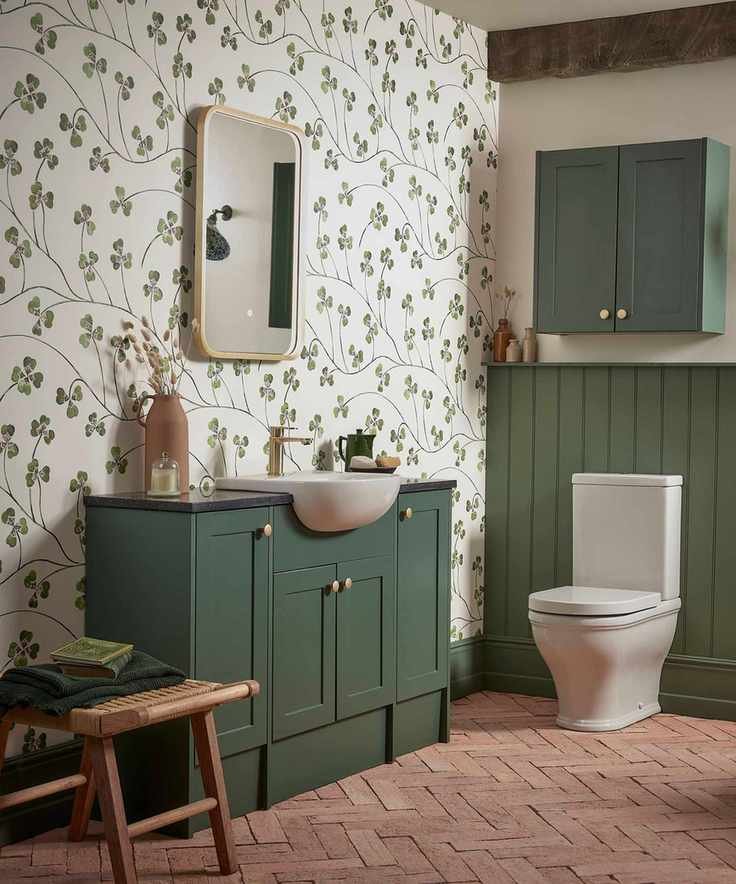
Toilet cleaners rank among the most toxic items in your cleaning supplies.
When switching products, prioritize your toilet cleaner.
A 2020 study revealed that bleach-based toilet cleaners release VOCs and pose a carcinogenic risk.
For a safer option, consider a plant-based alternative. You can even use vinegar to clean the toilet tank.
Maria Mooney, a non-toxic cleaning specialist from Truly Free Home, states, 'Truly Free Home's Toilet Bowl Cleaner uses a plant-based formula that cleans stains and bacteria while preventing mold and mildew growth, delivering a refreshing peppermint scent from essential oils instead of harmful fragrances.'
When using a plant-based toilet cleaner, make it the first item on your bathroom cleaning list. Allowing it to soak helps break down odors, germs, and stains, reducing scrubbing efforts.
 Pine fresh scent
The Ecover line provides a toxin-free clean that's safer for your home and the environment, effectively eliminating stains and odors without harsh chemicals.
 Bleach alternative
Certified by the EPA as a safer choice, Seventh Generation toilet bowl cleaner is free from ammonia and bleach.
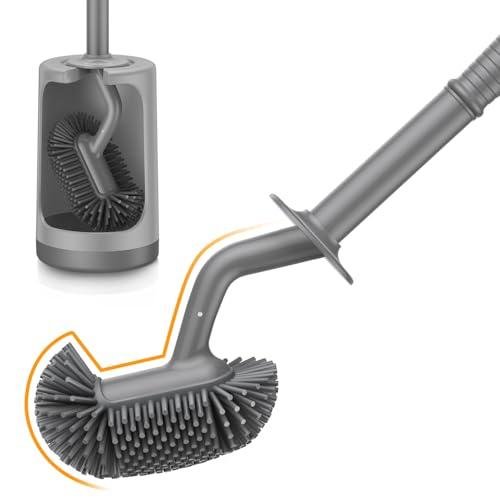 Efficient cleaning
After switching to a silicone toilet brush, I found it more hygienic than traditional plastic bristle brushes. Silicone dries quickly and can be sanitized easily with vinegar, extending its lifespan and cutting down on waste.
2. All-purpose sprays for surfaces
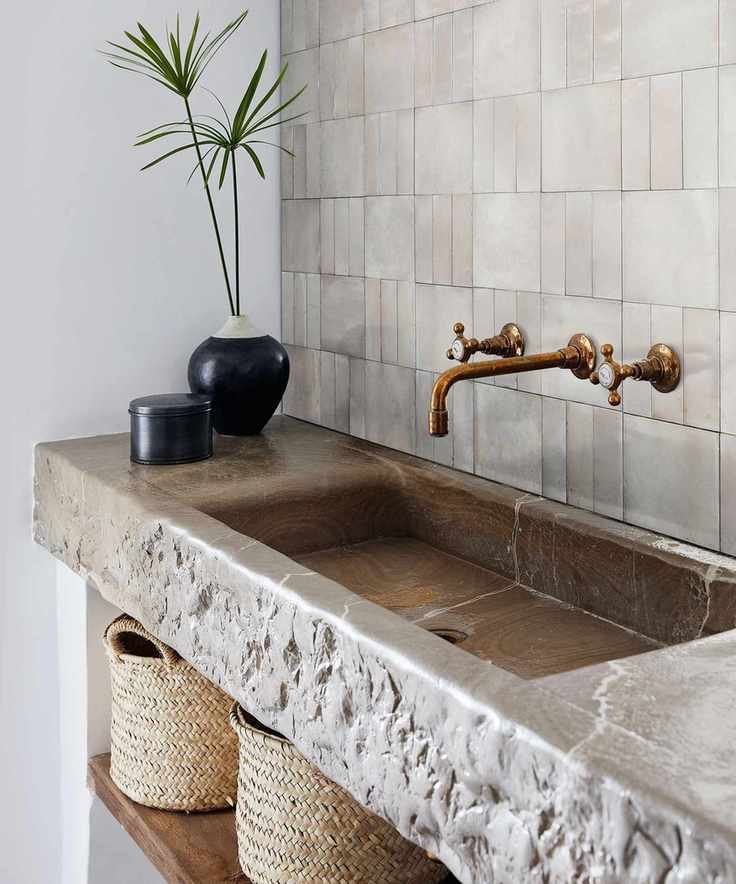
All-purpose sprays sanitize surfaces without damaging finishes.
Marla Mock, cleaning expert and president at Molly Maid USA, suggests, 'Spray an all-purpose cleaner on faucets, sinks, and countertops. Scrub any tough spots, then wipe everything down with a cloth.'
We recommend the Attitude all-purpose cleaner, available at Walmart, certified non-toxic by the EPA, ensuring it's chemical-free and safe for homes with kids and pets. Alternatively, try the Attitude Live Consciously Bathroom Cleaner spray for a focused cleaning approach.
Marla adds, 'An all-purpose solution also works well to scrub dirt in the shower or tub surfaces. Finally, use it on the toilet exterior and lid, finishing with a disinfectant cloth.'
 Pack of 12
Microfiber cloths can be reused for years if properly washed and maintained. Clean in warm water with non-toxic detergent, avoiding fabric softener to preserve their absorbency.
 Quickly removes dust
Dusting your bathroom is easy with the Damp Duster, which traps dust in its grooves instead of redistributing it. Simply rinse to reuse.
 Lemongrass citrus scent
This disinfecting spray is great for cleaning glass shower doors, faucets, basins, and counters, keeping everything sanitary without harsh chemicals that could irritate your airways.
3. Vinegar for mold removal

Vinegar effectively kills mold and lightens stains in shower grout.
Using vinegar is one of the best methods to eliminate black mold. Its low water content makes it more effective than bleach for killing spores, and it's much safer.
Aminah Vieira from InspireClean Cleaning Services explains, 'Black mold releases spores that may lead to respiratory issues, especially for infants, children, and the elderly who are sensitive to air quality.'
'Fortunately, managing it is straightforward. Regularly clean grout with pure, distilled white vinegar and ventilate your bathroom by using an extractor fan or opening a window. Vinegar also works for cleaning bath toys—soaking them weekly in warm soapy water with a splash of vinegar keeps them mold-free and safe for children.'
Moreover, a 2020 study demonstrated that vinegar can kill many household germs and pathogens, including E. coli, making it an effective, affordable non-toxic choice for homes.
These small brushes are perfect for cleaning grout lines or tiny crevices in toys, ensuring a cleaner bathroom.
4. Plant-based mirror cleaners

Glass cleaner helps mirrors shine while removing toothpaste marks and water stains.
Bathrooms have mirrors and glass surfaces galore. For a streak-free shine, Marla Mock suggests using a glass cleaner and a microfiber cloth, such as the Scotch-Brite 3-in-1 cloth from Target.
Research indicates many commercial glass cleaners contain VOCs like glycol ethers and ammonia, making a plant-based alternative necessary for cleaning mirrors without streaks or respiratory irritation.
Punteha van Terheyden cleans all glass and mirrors with her homemade essential oil cleaner, which leaves surfaces streak-free and smelling delightful. She combines 10-20 drops of pure geranium essential oil with two cups of water and a drop of dish soap, which helps the solution adhere to surfaces.
She stores it in an amber glass bottle from Amazon. It's affordable, effective, and makes your bathroom smell like a spa.
This Sparkling Seaside surface cleaner scent is derived from 100% essential oils and botanical ingredients, containing 0% VOCs, artificial fragrances, dyes, or harsh fumes—all in a 100% post-consumer recycled plastic bottle.
5. Baking soda for water stains

Baking soda is a gentle abrasive, effectively breaking down limescale without damaging fixtures.
Cleaning with baking soda is a fantastic choice for delicate surfaces, such as shiny faucets with watermarks.
Mixing baking soda into a paste with warm water or vinegar and buffing it onto faucets with a fine-bristled brush like the Up&Up Scrub Brush from Target or an old toothbrush effectively removes hard water stains by breaking down deposits for a gleaming surface. Natural products may require reapplication or longer soak times, but their gentleness is an advantage.
Baking soda breaks down tough deposits without scratching delicate surfaces like metal and glass. When mixed into a paste with water or combined with vinegar for fizzy cleaning, it's safe for most areas in your home.
6. A powder cleanser for tubs

Bathtubs often accumulate soap scum and residue, making powder cleansers ideal for a refresh.
Cleaning a bathtub can be a laborious chore. To ease the effort, Hector Stewart, a cleaning expert and CEO of Baltimore HCS Home Cleaning Services, recommends a non-toxic powder cleaner.
He highlights that Bon Ami Powder Cleanser, available at Walmart, is a natural scouring powder perfect for scrubbing sinks, tubs, tiles, and grout without scratching. Its simple ingredient list includes five mineral-based components and no harmful additives.
'This powder is biodegradable and free from harsh chemicals, yet highly effective against stubborn stains and soap scum.'
To use Bon Ami, wet the surface, sprinkle the powder, and scrub with a sponge or brush—it works wonders on grimy grout, rust rings, and hard-water deposits.
Best of all, Bon Ami has no overpowering odor, making it suitable for those sensitive to fragrances.
Meet the experts

As a mother of three, Maria is dedicated to providing expert cleaning advice and product recommendations to help families create healthier homes.

Marla has been with Molly Maids since 2021, helping expand the company across the U.S. and managing day-to-day operations.
Aminah Vieira leads InspireClean, a woman-owned and locally operated business featured in various publications.
FAQs
Are non-toxic cleaners effective?
When used properly and as directed, non-toxic cleaners are just as effective as traditional chemical cleaners. In fact, studies indicate that green and homemade products may present lower respiratory health risks than conventional cleaners, making the switch a wise decision.
Non-toxic products aren't the sole way to keep your bathroom spotless. Regular habits like wiping down showers after each use can make weekly bathroom cleaning much easier.