Embrace Natural Cleaning Solutions Without Harsh Chemicals
For years, grocery store shelves have been filled with cleaners packed with harmful chemicals, often displayed in child-proof containers warning of their dangers to health and the environment.
Fortunately, a growing range of natural and plant-based options are emerging, and they're proving to be just as effective, if not better, while minimizing health hazards.
That's why I advocate for green cleaning in various situations, with just a few exceptions where traditional cleaners may still be necessary.
Why Harsh Chemicals Aren't Needed for Cleaning

When people think of 'green cleaning', they often consider doing your part for the planet, but there are also personal reasons to avoid harsh chemicals.
A 2023 study highlighted that using conventional cleaning products can significantly increase exposure to various harmful pollutants, including volatile organic compounds (VOCs).
As a professional cleaner and operations manager, I frequently rely on natural solutions that often outperform their commercial counterparts.
Natural cleaning agents, whether homemade, store-bought, or using steam cleaning, typically contain fewer allergens and irritants, making them safer for those with sensitivities, as well as families with children and pets.
Adopting alternatives like vinegar or applying a toxicologist's recommendations for safer products can lead to both immediate and long-term health benefits.
Moreover, these methods contribute to a more sustainable lifestyle. The runoff from strong cleaners can harm aquatic ecosystems, while natural options are often biodegradable and eco-friendly.
In fact, natural products tend to be safer to handle, store, and dispose of, plus they're incredibly versatile.
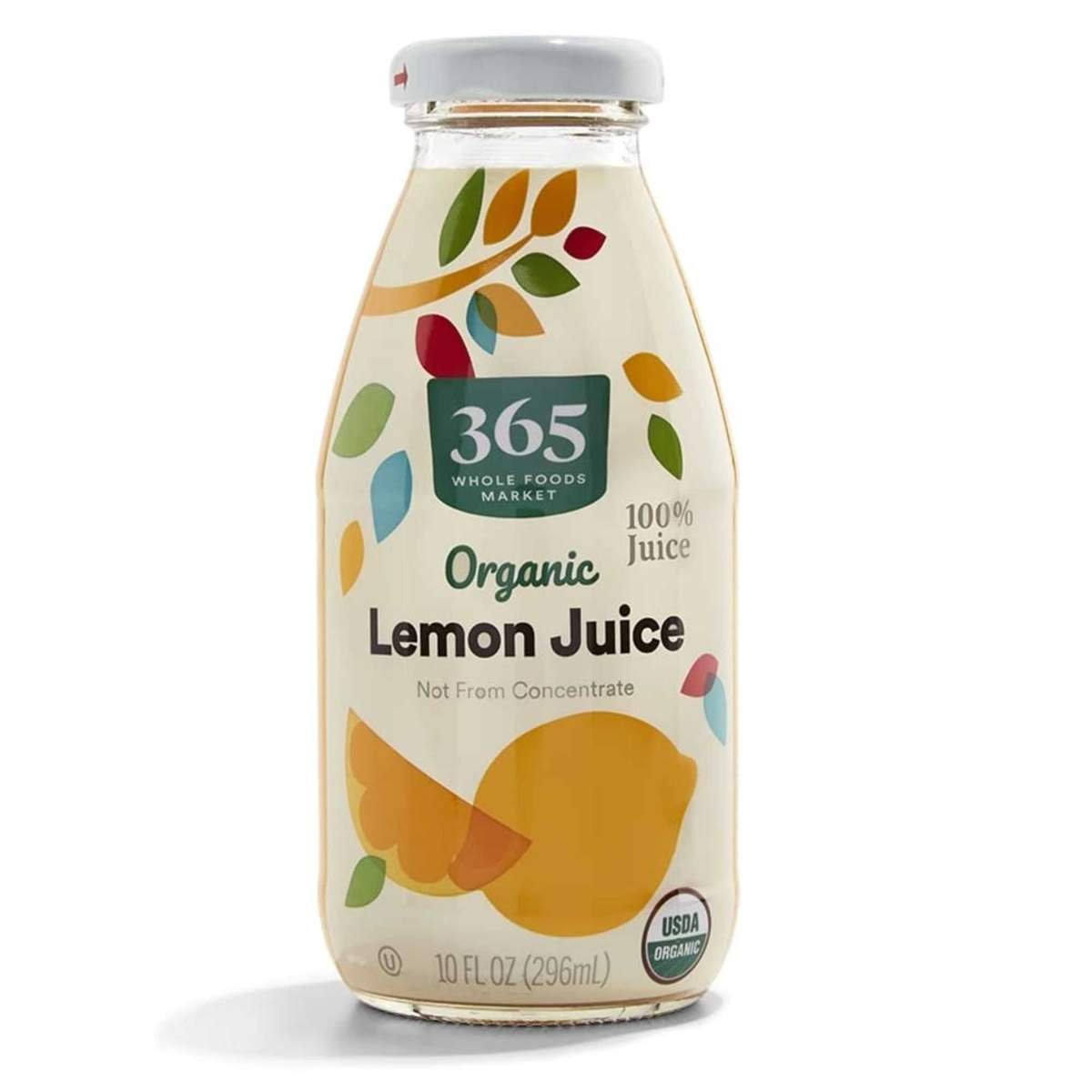 Clean with lemon
Pure lemon juice
Lemon juice serves as a natural acidic cleaner that effectively cuts through grease while leaving a refreshing scent.
 Clean with vinegar
Great Value Distilled White Vinegar
Vinegar is a reliable 'safe' cleaner, effective against bacteria like some strains of E. coli, and neutralizes odors without resorting to harsh chemicals.
 Clean with baking soda
Arm & Hammer Pure Baking Soda
Baking soda acts as a natural deodorizer and a gentle abrasive, effectively breaking down tough residues without damaging sensitive surfaces, and is safe for most home areas.
Numerous studies support the effectiveness of natural cleaning agents. A 2020 study confirmed that vinegar is capable of eliminating various household germs, including certain E. coli strains. These results affirm that natural products are not only economical and convenient—they're also potent and trustworthy alternatives to conventional cleaners.
However, it's important to note that another 2015 study indicated that homemade DIY cleaning mixtures (composed of vinegar, club soda, and tea tree oil) are effective only on the day they're created. This means you'll need to prepare them fresh for each cleaning rather than making them in advance for your cabinet. In this case, pre-made commercial non-toxic solutions may offer more convenience, although they might be pricier.
When Commercial Cleaners Are Necessary
While the health and environmental benefits of natural products are significant, they're not always the best choice for every situation. They often require additional effort—like more scrubbing or longer application times—since they lack the potency of stronger chemical options, and can be crucial for cleaning during illness to prevent infection spread.
There are specific scenarios where I recommend commercial cleaners due to their effectiveness:
- Protein stains: For blood or sweat stains, enzyme-based detergents like OxiClean, found at Walmart, perform exceptionally well for laundry because they effectively break down protein molecules.
- Heavy grease: In commercial settings, specialized degreasers are faster and more effective than natural options.
- Disinfection in medical environments: In places requiring sterility, like hospitals, EPA-approved disinfectants, such as Lysol available at Walmart, are essential for eliminating pathogens effectively.
While natural cleaners can still work in these cases, they often require much more time and effort to match the effectiveness of commercial options. The latter are specifically formulated to provide quicker and more efficient results, ensuring health and safety standards are met.
What Defines a 'Harsh' Cleaner?
What is considered a 'harsh' cleaner?
Harsh cleaning agents are those that contain volatile chemicals. A prime example is bleach, but it can include any product that carries warning labels indicating corrosive properties, environmental hazards, toxicity, or irritants.
Your journey toward a non-toxic lifestyle shouldn't end with cleaning products. There are various non-toxic essentials worth considering for a healthier home overall.