Understanding Wabi-Sabi: Embracing Imperfection in Home Decor
While the term wabi-sabi has gained popularity in the interior design scene recently, its roots stretch back to traditional Japanese culture. This philosophy celebrates beauty in imperfection and the natural world, offering a simplistic perspective that extends beyond design.
In the realm of interior design, wabi-sabi encourages a less-than-perfect approach, highlighting the unique characteristics of natural materials. This creates a tactile and organic ambiance within your home decor.
'The essence of wabi-sabi revolves around finding beauty in simplicity and imperfections,' shares Melissa Read, Creative Director at Studio Burntwood. 'It emphasizes the natural cycles of growth and decay, valuing the modest and raw aspects of life. Unlike Western design principles that often strive for balance, wabi-sabi appreciates the allure of asymmetry and imbalance.'
'Wabi-sabi prioritizes meaning over perfection,' adds Soledad Alzaga, a designer based in San Francisco. 'Wabi signifies living with humility and simplicity while harmonizing with nature; Sabi represents the acceptance of the natural lifecycle of everything.'
How to Achieve Wabi-Sabi Inspired Home Decor
Rather than simply being a fleeting trend, wabi-sabi inspired decor has become a notable approach in contemporary interiors. Designers predict its influence will grow in 2024. While other trends, like this year's favored quiet luxury and retro revival, lean toward polished aesthetics, wabi-sabi focuses on fostering a calm, serene environment enriched by the imperfect beauty of nature.
'Unlike the mid-century modern designs we revisited years ago, these new movements celebrate imperfection,' states designer Peter Spalding, co-founder of Daniel House Club. 'An interior defined by machine precision can feel cold and isolating, no matter how beautifully executed. Finding beauty in imperfection and the transient nature of things provides a grounding perspective – if our spaces can facilitate that, it's fantastic.'
Here, we present five key design elements of wabi-sabi that collectively cultivate a tranquil and minimalist home, allowing organic materials and textures to shine. Continue reading to explore these ideas and channel this aesthetic for 2024.
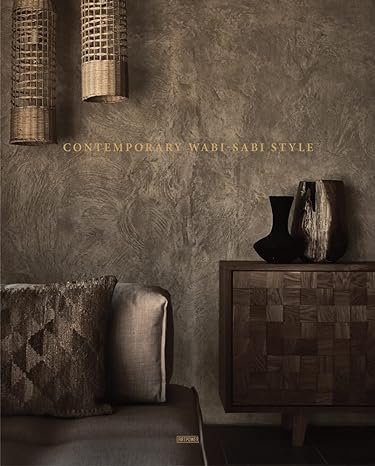
Explore modern wabi-sabi design projects through this curated collection, showcasing inspirational visuals that embody this simplistic philosophy.
1. Embrace a Muted Color Palette
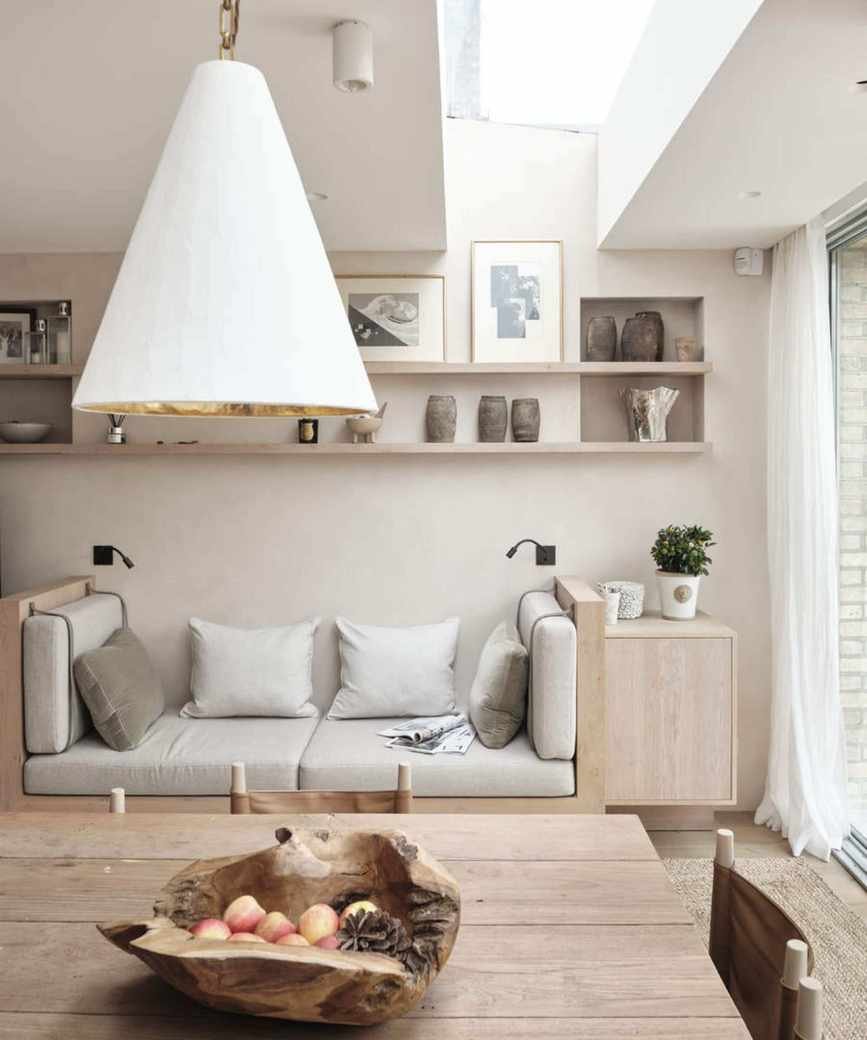
Wabi-sabi decor draws heavily from nature, making soft, organic color trends essential for achieving this aesthetic. 'When creating a wabi-sabi inspired space, it's vital to choose a restrained color palette that reflects the natural world,' remarks Melissa Read. 'Utilizing raw and natural materials contributes to a warm and authentic ambiance.'

Melissa Read honed her skills at the KLC School of Design in Chelsea before joining leading interior design firms in London. Now, as the Creative Director of Studio Burntwood, she specializes in luxury residential design for private clients and property developers.
'Neutral hues foster a tranquil and cohesive atmosphere, highlighting the inherent beauty of materials and forms,' agrees Niko Rasides, Design Director at Nicholas Anthony.
While there are no strict guidelines for selecting muted tones, designer Marzia Dainelli suggests: 'Consider incorporating sage green, rusty orange, and stone gray as foundational colors. Decorating with neutrals, such as off-white or warm cream, is also an effective way to achieve a wabi-sabi look.'
2. Select Natural Materials
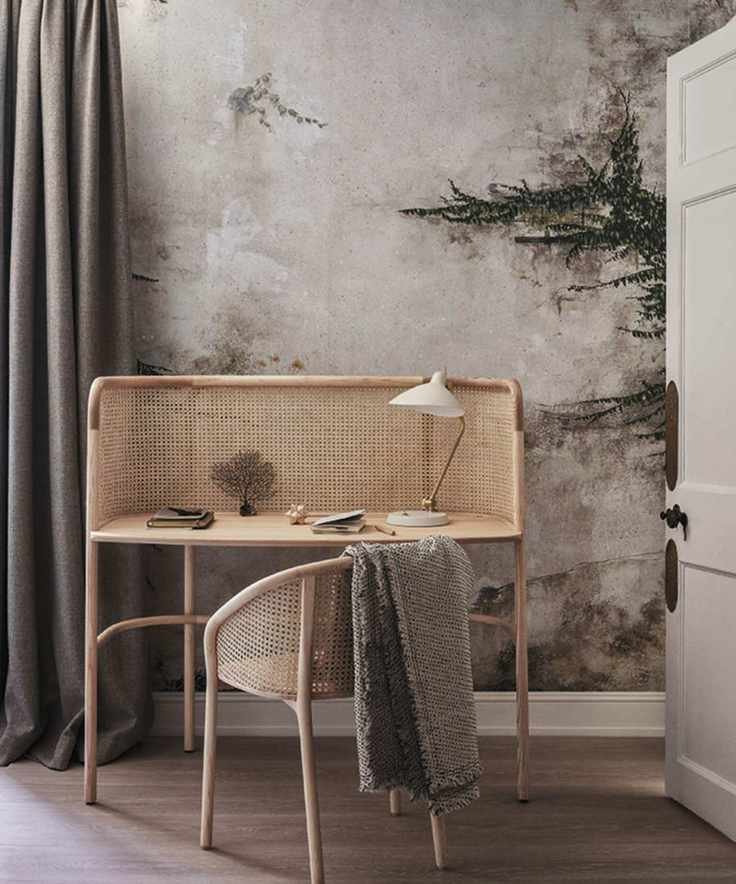
Natural materials are fundamental to a wabi-sabi aesthetic, reinforcing the philosophy's emphasis on the beauty inherent in the natural world. Fabrics like linen, cotton, and wood can enhance your home with a touch of nature while their durability adds to the overall aesthetic.
'Integrate materials such as natural wood, woven textiles, and handmade items, along with natural linens and wool in cushions, curtains, and upholstery,' advises Soledad Alzaga.
'Incorporating elements like wood, stone, and clay brings life to spaces through organic textures and imperfections that only time can impart,' adds Niko Rasides. For kitchens, he suggests using 'countertops with a weathered patina from years of use and wooden surfaces that show their history.'
3. Prefer Open Storage
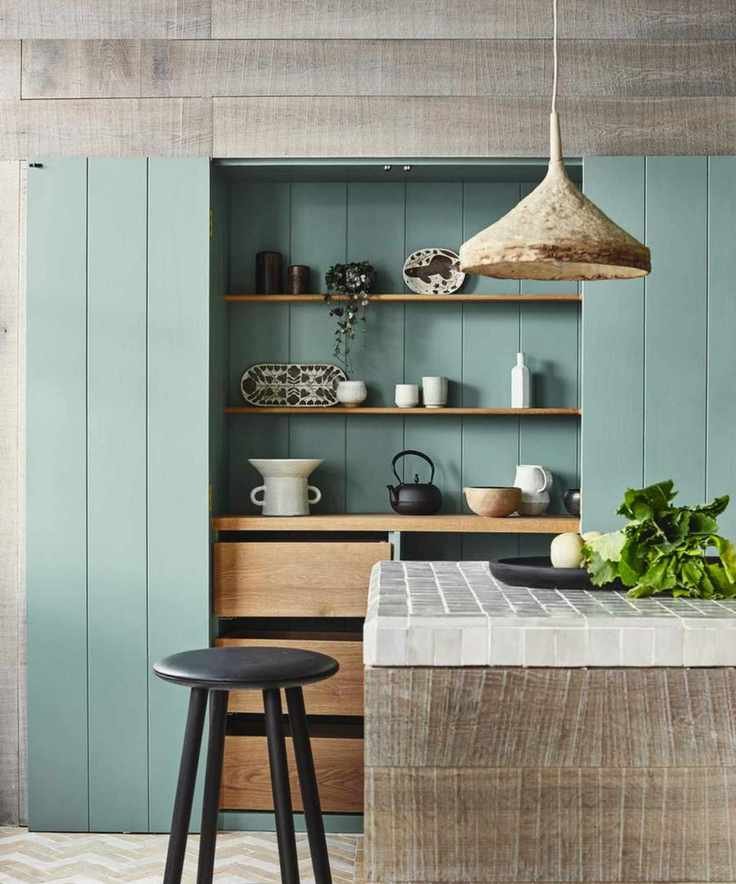
A wabi-sabi approach shares principles with minimalism, focusing on a select few meaningful items that maintain a clean and uncluttered environment, promoting tranquility. For storage solutions, open shelving is often recommended due to its transparency, allowing meaningful items to be displayed.
'Open shelves replace traditional cabinets, inviting simplicity and showcasing everyday items that possess character,' explains Niko Rasides. He illustrates this concept with a kitchen example where 'mismatched utensils, vintage cookware, and treasured heirlooms can shine, transforming the kitchen into a space where functionality and aesthetics blend seamlessly.'
4. Integrate Handmade Decor Items
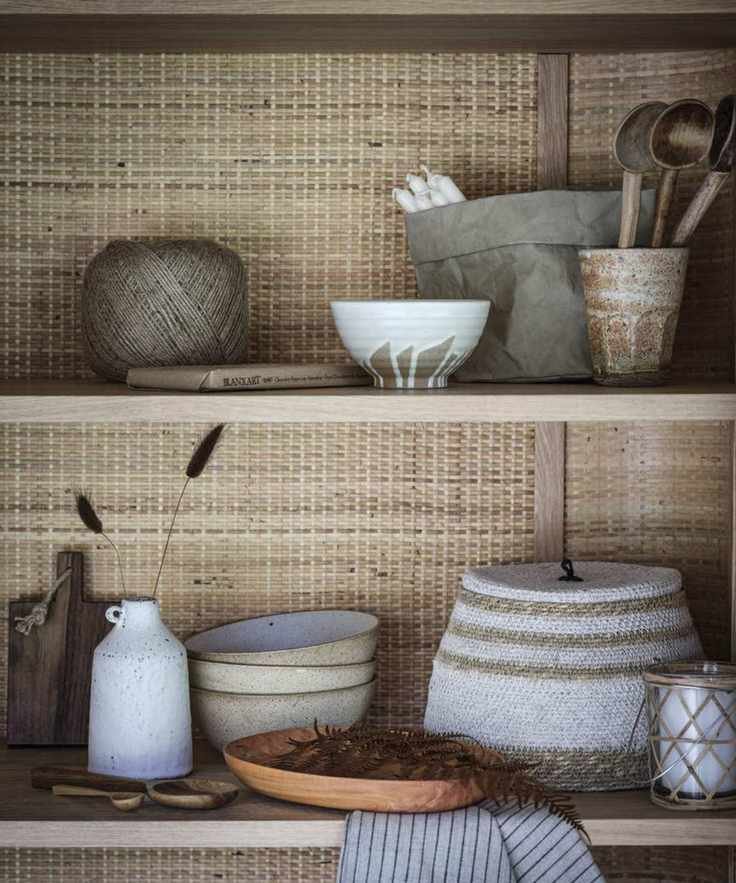
Although wabi-sabi generally embraces minimalism, incorporating handmade decorative items adds unique and sentimental touches that help create the overall aesthetic. 'A simple way to bring these concepts into your home is through handmade pieces. Ceramics or carved trinkets tell a story and celebrate the charm of imperfections in a way mass-produced items cannot,' states Kara Piepmeyer from Studio Kosma.
Marzia Dainelli suggests: 'Be intentional with decorative objects like unglazed raw pottery, patina metals, and large foliage branches.' However, be mindful to avoid clutter; the goal is to maintain balance with meaningful items that narrate a story.
5. Connect with Nature

A key element of the wabi-sabi ethos is the tranquility associated with nature, and homes that embody this style often showcase strong connections to the outdoors.
'Wabi-sabi fosters a profound bond with the natural world,' notes Niko Rasides. To achieve this look, consider incorporating features like indoor plants, large windows, or views of nature to enhance the overall atmosphere. The aim is to create a space that embraces nature's aesthetics while promoting a sense of calmness.
FAQs
Is Wabi-Sabi a Popular Design Trend in 2024?
While trends like quiet luxury and understated elegance have dominated the design landscape in 2023, experts believe wabi-sabi could emerge as a significant trend in 2024. Its ability to cultivate a calming atmosphere offers an appealing respite from the chaos of the outside world.
'This design philosophy values organic shapes and materials, viewing imperfections as intriguing and valuable. I anticipate the wabi-sabi style will represent the next evolution of quiet luxury – an ongoing appreciation for quality alongside organic forms and the understanding that great design embodies elements of evolution and transience,' observes designer Kathy Kuo.
Peter Spalding concurs, identifying wabi-sabi as a trend to watch in the upcoming year, stating: 'I think we'll see a growing interest in this style in 2024. Amid numerous global challenges, this blend creates a comforting environment to process information and accept that nothing is perfect, nothing is eternal, and nothing is ever truly complete. It will resonate widely.'
If you're intrigued by the wabi-sabi concept, you might also appreciate the organic modern trend, which shares similarities through its neutral colors and natural materials, albeit with a more polished aesthetic. As with any design trend, it's essential to embrace a style that resonates personally, creating a home that feels authentic and meaningful.