Top Pond Plants for a Beautiful Garden Water Feature
Incorporating pond plants into your water feature enhances its beauty, aids in algae control, and attracts wildlife. These plants are essential for maintaining a balanced ecosystem while creating a serene atmosphere.
Water elements transform outdoor spaces, adding tranquility and charm. They invite wildlife, fostering a vibrant garden ecosystem filled with life. Including species like frogs and dragonflies can add color and movement to your landscape.
Pond plants offer numerous benefits, from improving water quality to requiring less maintenance for a sustainable garden. The right selection helps keep the water aerated and clear, allowing for a more enjoyable experience.
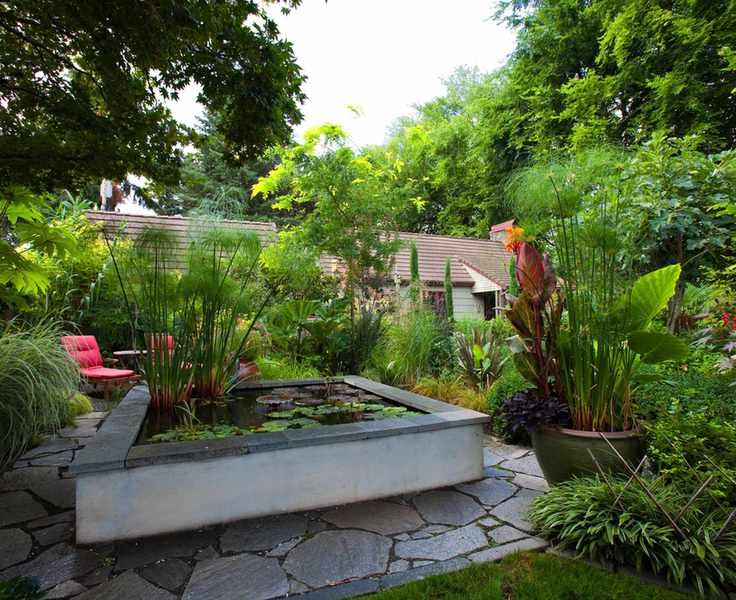
Choosing the Right Pond Plants
Understanding the types of pond plants available is crucial:
- Bog plants: Thrive in damp, boggy soil and are perfect for wet garden areas.
- Marginal plants: Grow on the pond's edge, up to 15 cm deep, offering height or a natural border.
- Deep marginal plants: Suitable for deeper pond edges, planted up to 40 cm deep, reaching the water's surface.
- Deep water plants: Essential for oxygenation and algae control, these can be submerged or floating in water over 40 cm deep.
- Floating plants: While they provide shade and stability, some can block light, so choose wisely to benefit wildlife.
Be sure to select plants that match your pond's environment, considering size, sun exposure, and water depth.
1. Water Mint
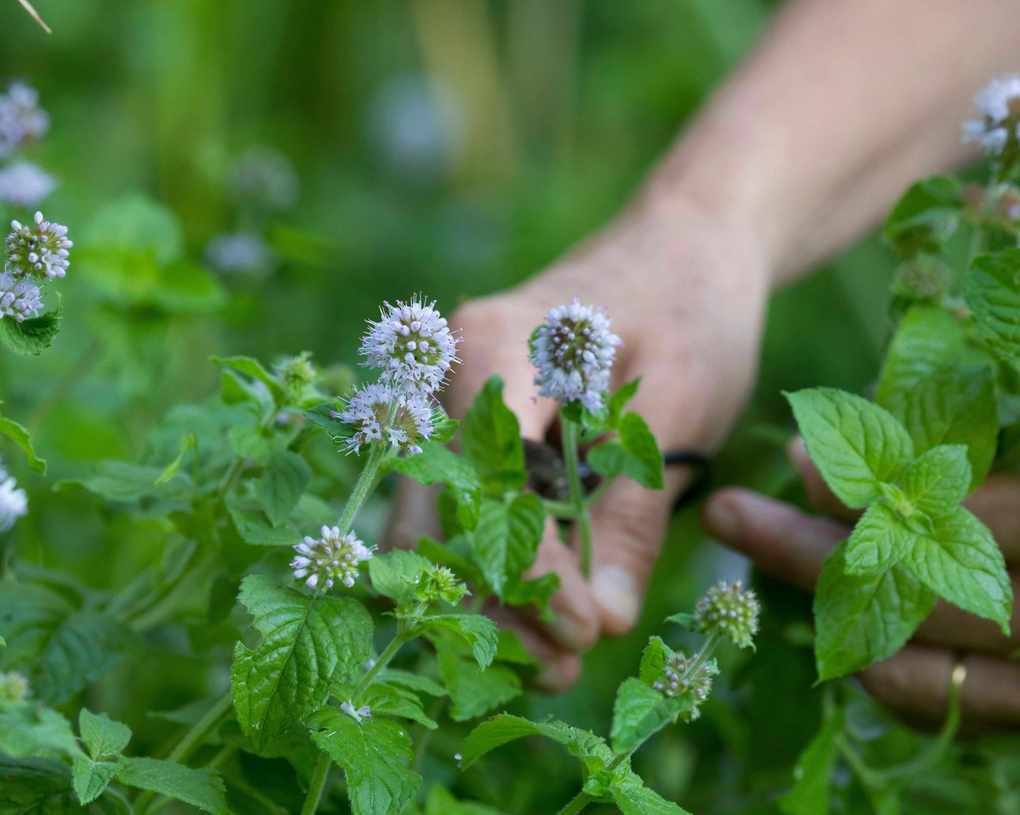
Water mint, a favorite of pond designer Peter Birchall, is versatile and beneficial. It cleans water, attracts pollinators, and can be used in cooking or tea. Best planted along the pond's edge or in shallow water, it thrives in boggy soil and prefers some shade.
Be cautious, as it spreads rapidly and needs regular trimming to control its growth. Ideal for larger ponds, it can flourish with ample space.
USDA hardiness zones 8 – 11
2. Water Forget-Me-Not
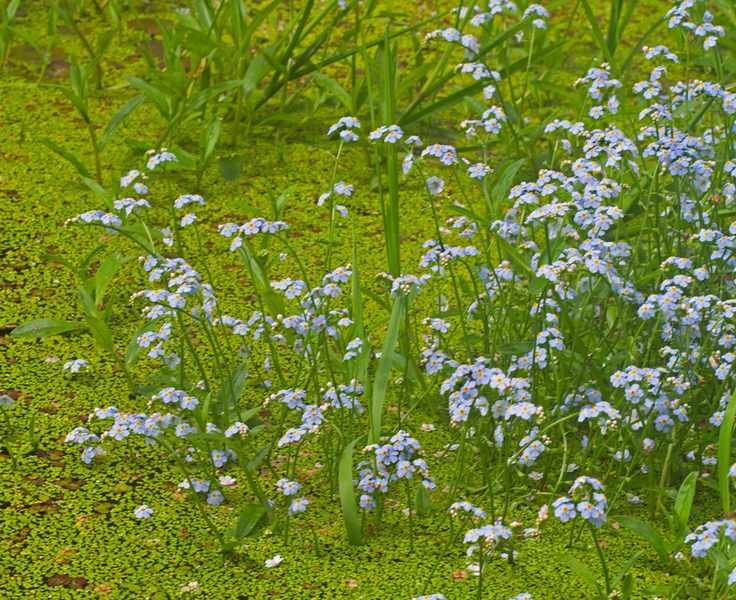
This charming plant features delicate blue flowers throughout the summer. It thrives in damp soil or shallow water, making it an excellent choice for naturalizing pond edges. Easy to cultivate, it prefers full sun but tolerates partial shade.
It can be planted in a submerged basket or directly into the pond substrate and is perennial, self-seeding if conditions allow.
Zones 5 – 9
3. Fanwort
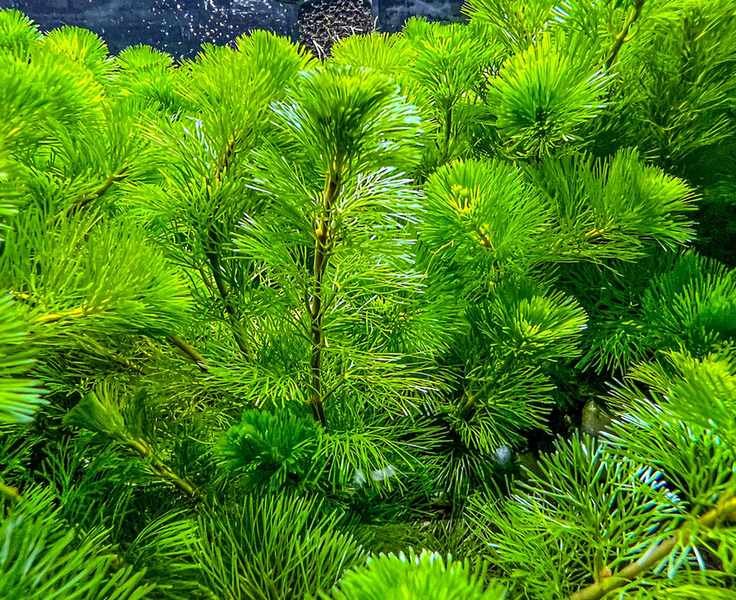
Known as Ridged Hornwort, Fanwort is a fantastic oxygenator and supports diverse wildlife. It can grow rapidly, reaching up to 4 feet per year, and is edible, resembling spinach in taste. It self-seeds and can die back in winter but regenerates with warmer waters.
Zones 6 – 10
4. Waterweed – Elodea
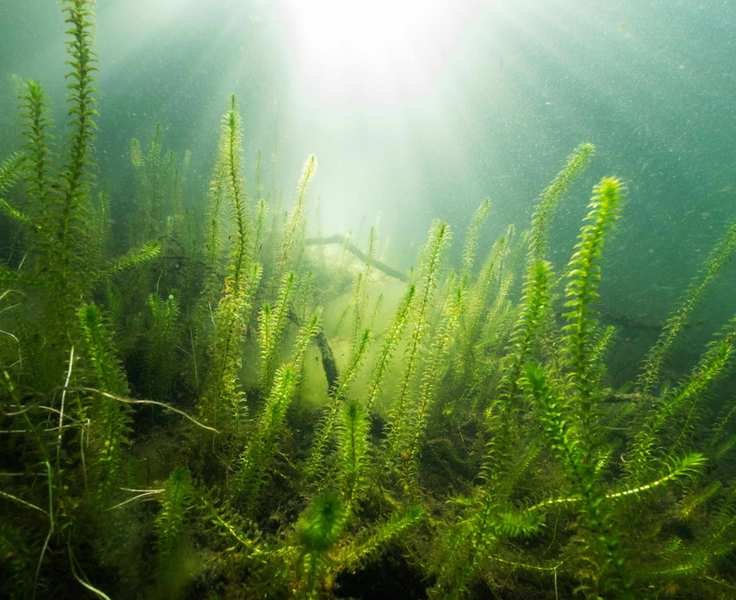
This native US plant is often invasive in the UK. Waterweed remains submerged and excels in filtering nutrients while preventing algae growth. Its fronds adapt well to both still and flowing water.
It's easy to grow and should be anchored to the pond's substrate for best results.
Zones 1 – 12
5. Brooklime – Veronica becabunda
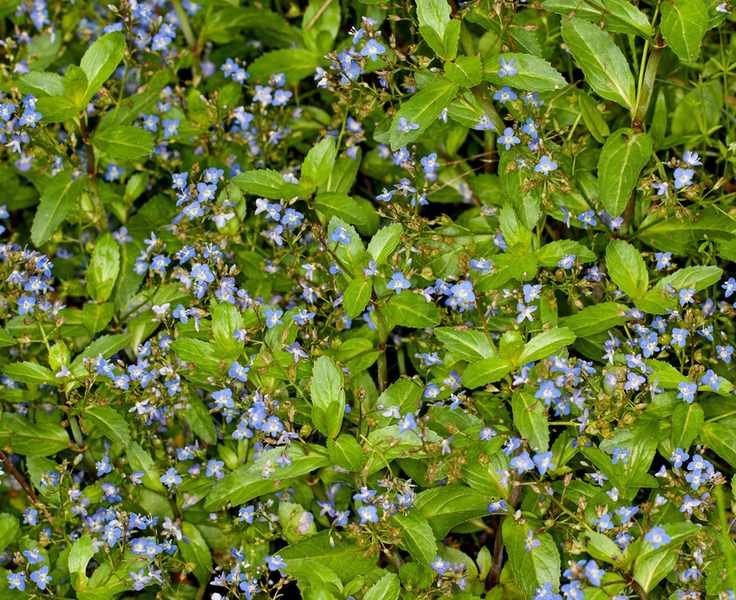
This low-growing plant thrives in boggy shade or full sunlight, making it a great option for attracting wildlife. Its lovely blue flowers add color and provide habitat for newts. Brooklime spreads across the water's surface and is suited for marginal planting.
Zones 4 – 8
6. Flag Iris

Flag Iris, whether Yellow or Blue, adds height and beauty to ponds. These resilient plants adapt well to various conditions and bloom year after year. Grown from rhizomes, proper planting depth is crucial for flowering success.
While they offer wildlife shelter, ensure they're positioned to avoid obstructing the pond view.
Zones 3 – 9
7. Frogbit – Hydrocharis
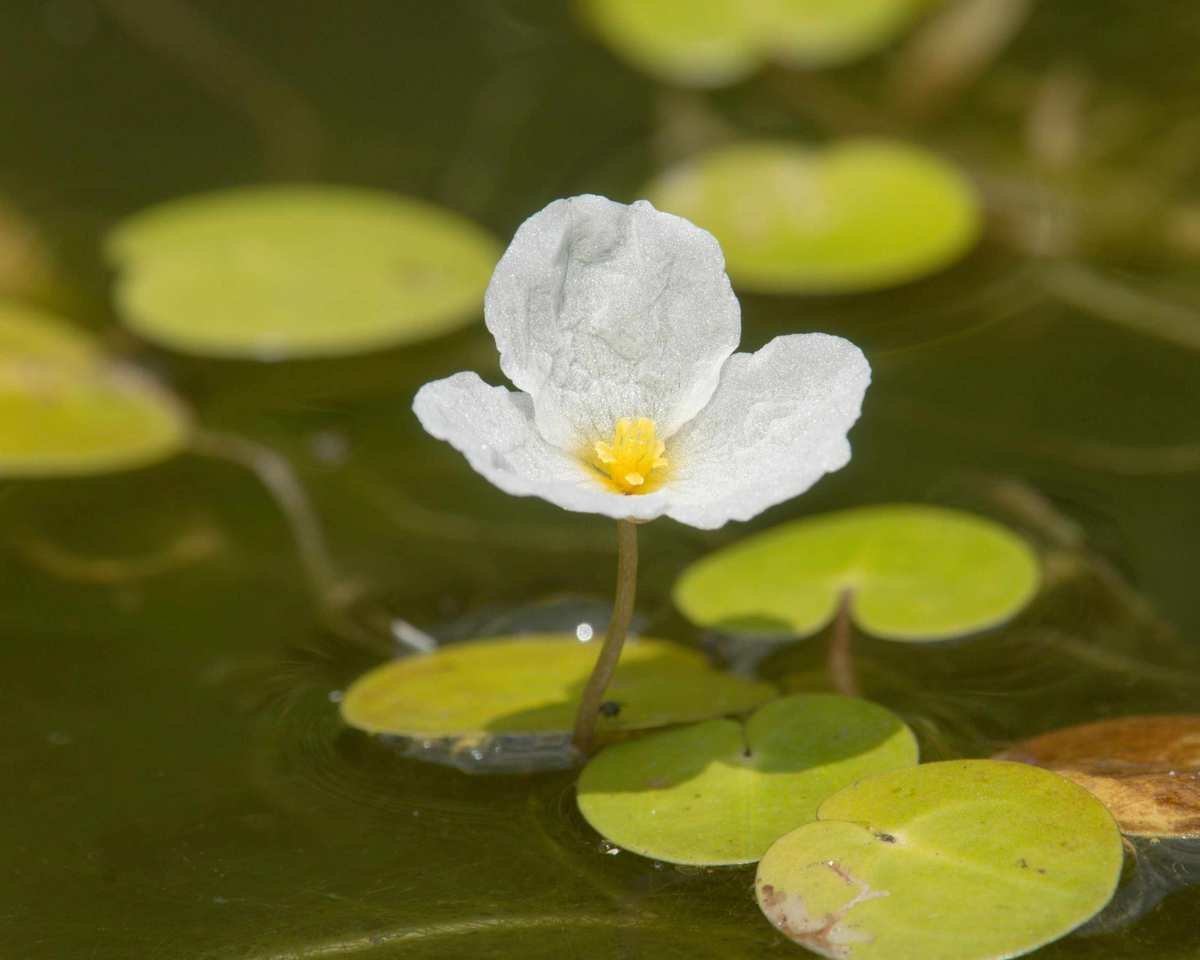
This charming floating plant resembles mini waterlilies, making it perfect for small gardens. With white flowers that attract pollinators, Frogbit thrives in still water and can either float freely or root in the pond's substrate.
Zones 5a – 9b
8. Water Lily
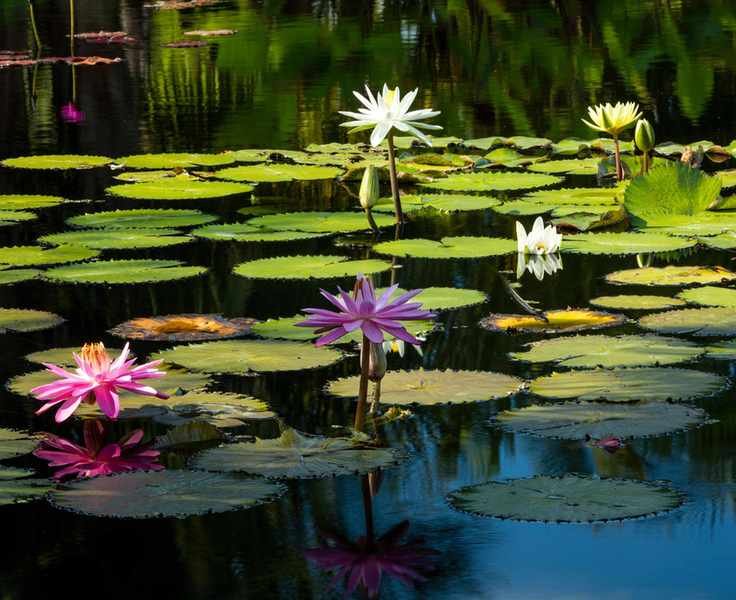
No garden pond is complete without water lilies, available in various colors and sizes. These plants have round leaves and large flowers that grace the water's surface.
Best suited for deeper waters, they can be planted directly or in weighted baskets. They prefer calm waters and thrive in rich, organic soil.
Zones 3 – 11
9. Creeping Jenny
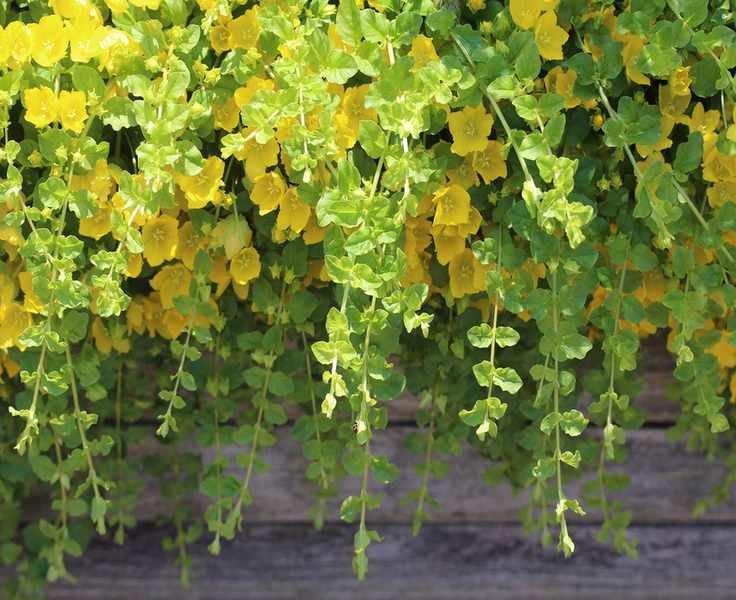
This versatile vining plant is perfect for edging ponds. It flourishes in drier soil and often grows towards the water, creating a lovely backdrop. In summer, it showcases bright yellow flowers. Creeping Jenny is easy to propagate and looks stunning alongside waterfalls or ledges.
Zones 3 – 9
10. Hornwort
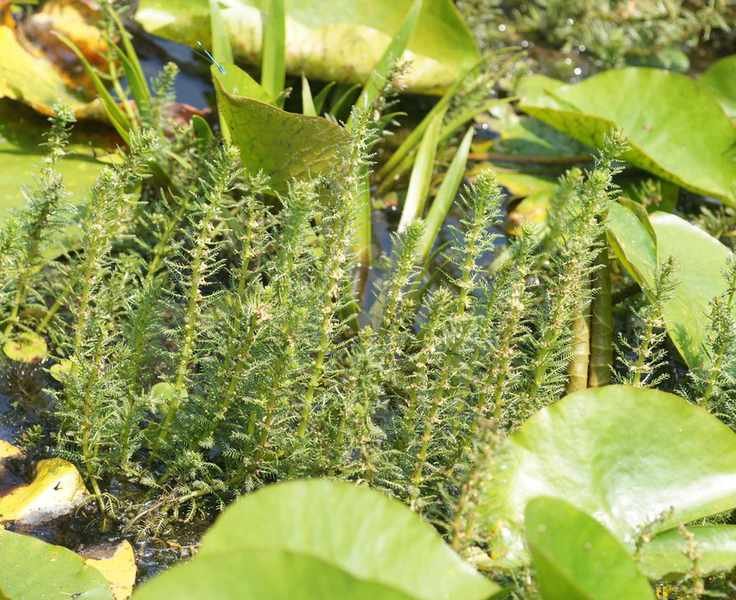
Hornwort is an easy-to-care-for aquatic plant that aerates the pond and supports wildlife. This perennial prefers full sun or partial shade and can be planted up to 9 feet deep, making it ideal for larger ponds.
Before planting, keep it in a shaded, room-temperature water bucket to help it adjust after transportation.
Zones 3 – 11
Using Soil for Pond Plants
When establishing a wildlife pond, it's best to cover the liner with 6-8 inches of low-nutrient clay soil for optimal growth and a natural environment.
Position taller plants toward the back and shorter ones in front to maintain visibility of the pond.
Do Pond Plants Clean Water?
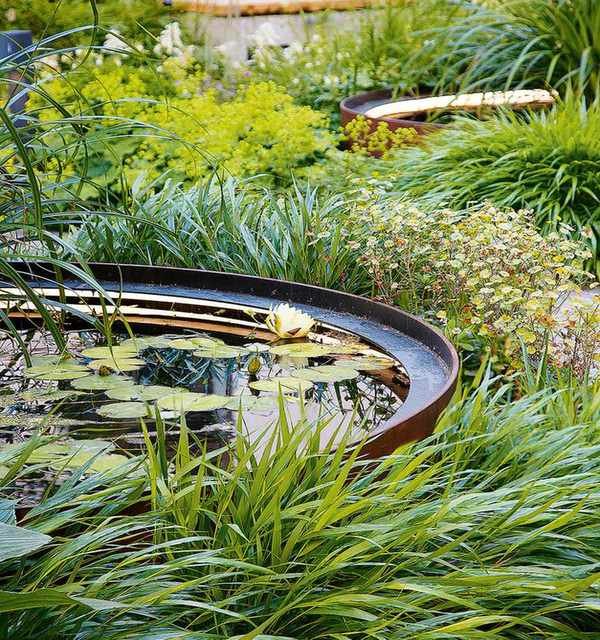
Aerating plants like Fanwort and Hornwort are key to keeping water clear, as they absorb excess nutrients that could lead to algae. Regularly removing some fast-growing plants can prevent overcrowding.
If algae blooms occur, manage them by gently removing the algae and placing it nearby for any residing creatures to return to the pond.
Be cautious about using nitrogen or ammonia-based fertilizers near ponds, as they can contribute to nutrient overload and algae problems.
Best Oxygenating Plants
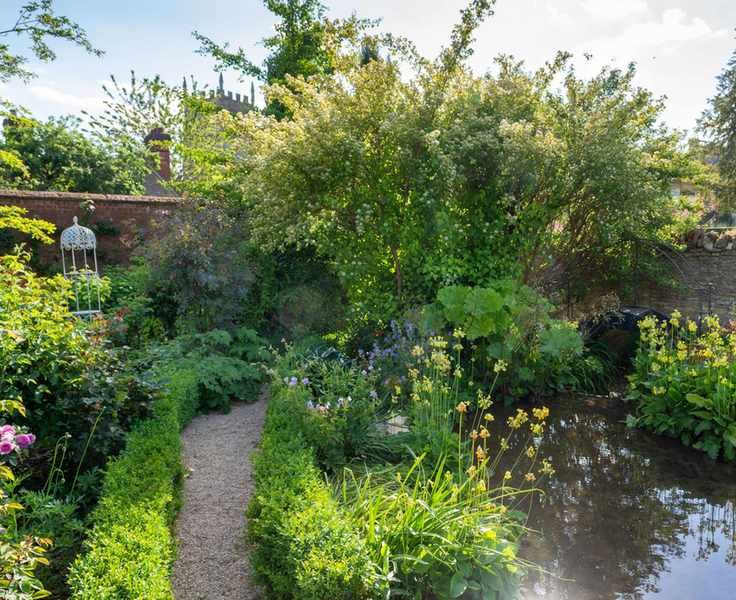
Submerged plants are the best oxygenators, releasing oxygen during photosynthesis. This is vital for maintaining a healthy pond ecosystem. Fanwort and Hornwort are excellent choices, as are water wisteria and eel grass.
Plants Ideal for Small Ponds
Many low-growing plants are perfect for small ponds, thriving in full sun or partial shade. Creating shaded areas encourages wildlife, so consider adding small trees like acers or willows to enhance the habitat.