Top Architectural Plants for a Stunning Winter Garden
Incorporating architectural plants into your garden can significantly enhance its appeal through the winter. As flowers wither and leaves drop, the skeletal structure of your garden becomes visible.
This is where architectural plants shine, providing essential focal points during the chilly months. Though often exotic and distinctive, many of these plants thrive in non-tropical climates.
With their bold, angular shapes, these plants stand out as winter plants, and many are evergreen, ensuring your garden boasts color year-round.
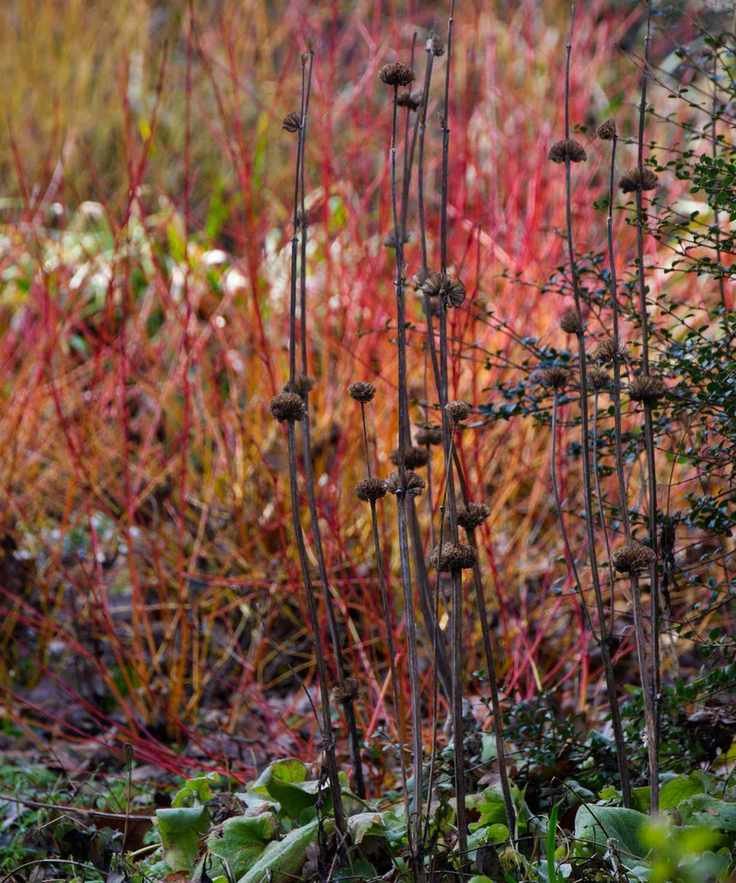
Leave seed heads on some flowers for winter interest
7 Architectural Plants to Brighten Your Garden
'Choose architectural plants that align with your local climate and conditions,' suggests an expert on garden design.
'Think about your home's style. For instance, spiky varieties like yucca and agave suit southwestern landscapes, while palms and canna lilies fit well with bungalows or Mediterranean homes.'
Many popular winter garden plants are drought-resistant, making them excellent for xeriscaping.
1. Phormium 'Sundowner'
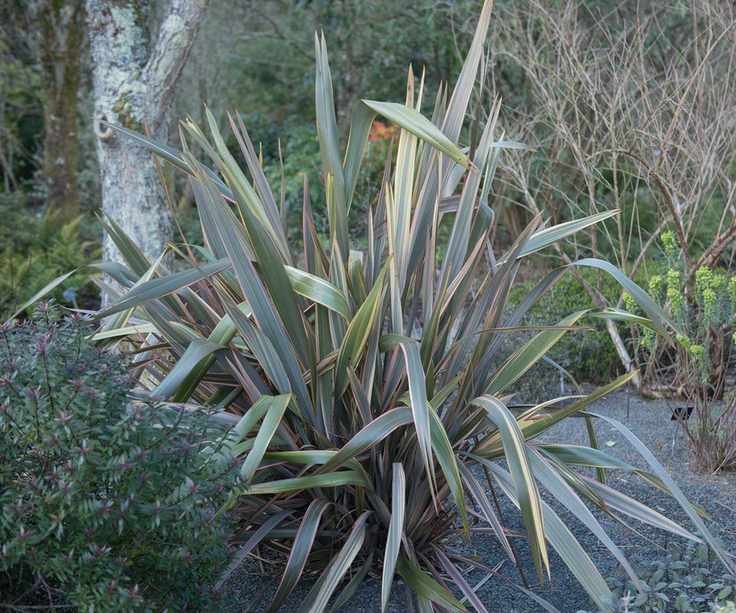
- USDA zones: 9-12
- Height: 1ft
- Spread: 3ft
Phormium 'Sundowner', also known as New Zealand flax, is a hardy evergreen perennial. Its striking, sword-like leaves introduce drama to winter gardens, forming large clumps with a bronze-green hue and lovely red-pink edges.
It thrives in full sun or partial shade, providing year-round color. It's frost-resistant but may require some protection during extreme cold.
2. Black Bamboo
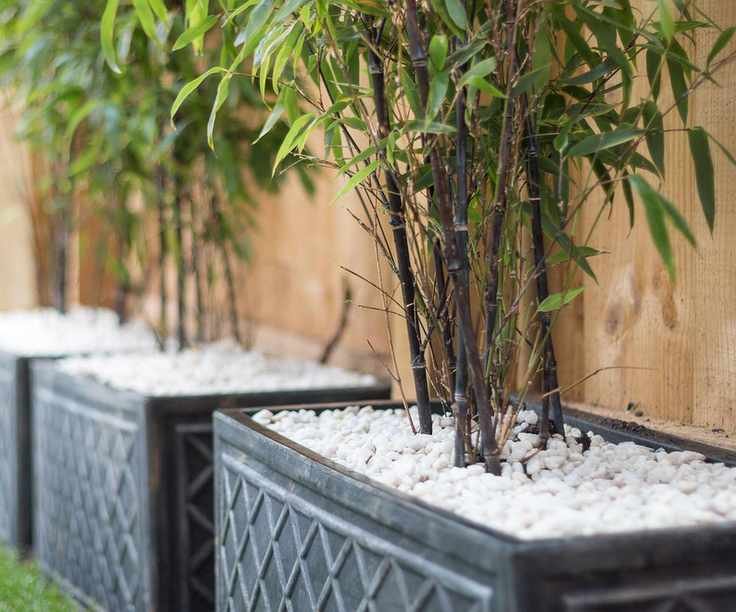
- USDA zones: 7-11
- Height: 25ft
- Spread: 15ft
This elegant evergreen bamboo has slender, jet-black canes and delicate leaves. It's perfect for modern gardens, especially in urban settings, as it grows in clumps instead of spreading invasively.
Every spring, new foliage emerges, and it flourishes in full sun or partial shade, making it ideal for screening.
3. Miscanthus Nepalensis
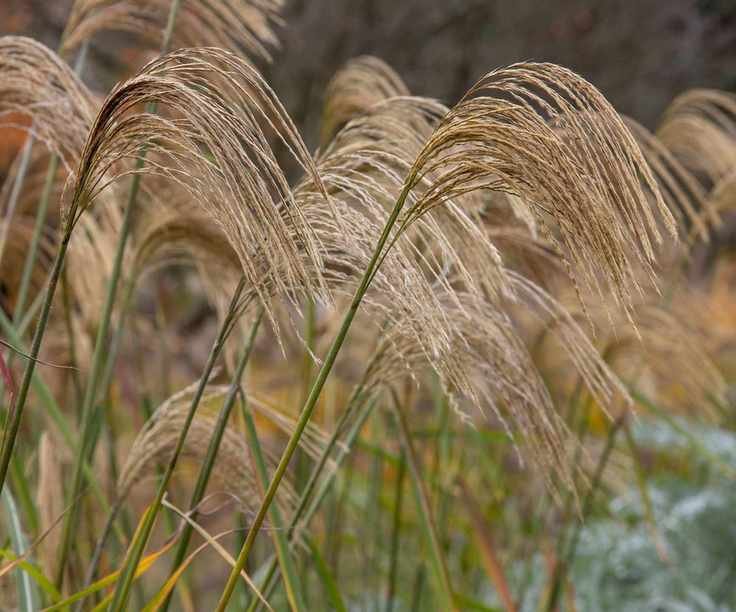
- USDA zones: 8-9
- Height: 5ft
- Spread: 4ft
This ornamental grass, known as Himalayan fairy grass, features arching leaves and silky flower plumes that shimmer in late summer and fall. In winter, its leaves and architectural seed heads turn a beautiful bronze color.
It prefers sunny, sheltered locations and is quite resilient to cold. Growing up to 4-5ft, it complements borders without overshadowing other plants.
4. Mahonia 'Charity'
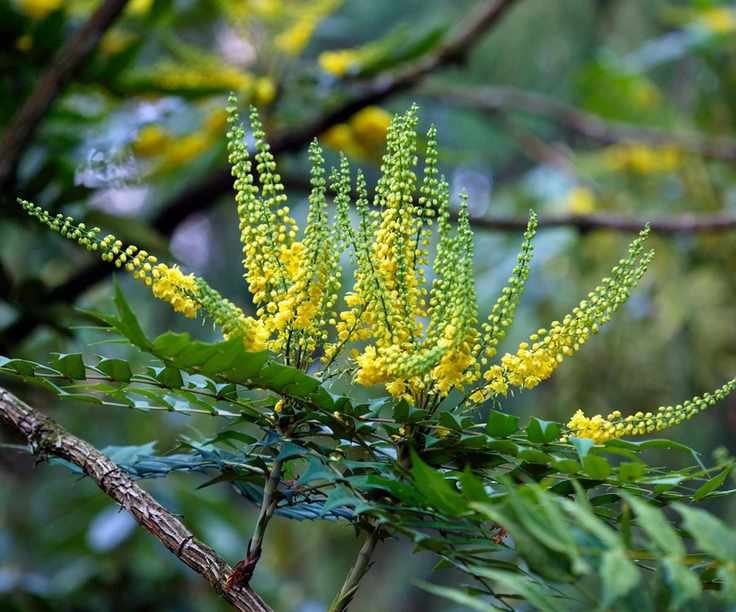
- USDA zones: 8-9
- Height: 20ft
- Spread: 20ft
This impressive evergreen showcases fragrant yellow flowers in winter, creating a captivating focal point. Its holly-like leaves gracefully fan out, enhancing the garden's structure.
It thrives in both full sun and partial shade and is adaptable to various planting conditions.
5. Eryngium

- USDA zones: 5-9
- Height: 4ft
- Spread: 3ft
With spiky leaves and striking cone-shaped flowers, these plants are stunning in winter, taking on a steel-gray tone in low light. Eryngium thrives in sunny spots and is perfect for Mediterranean-style gravel gardens, growing up to 3ft tall.
Not only do they make a bold statement outdoors, but they also shine as centerpieces in dried flower arrangements.
6. Dogwood
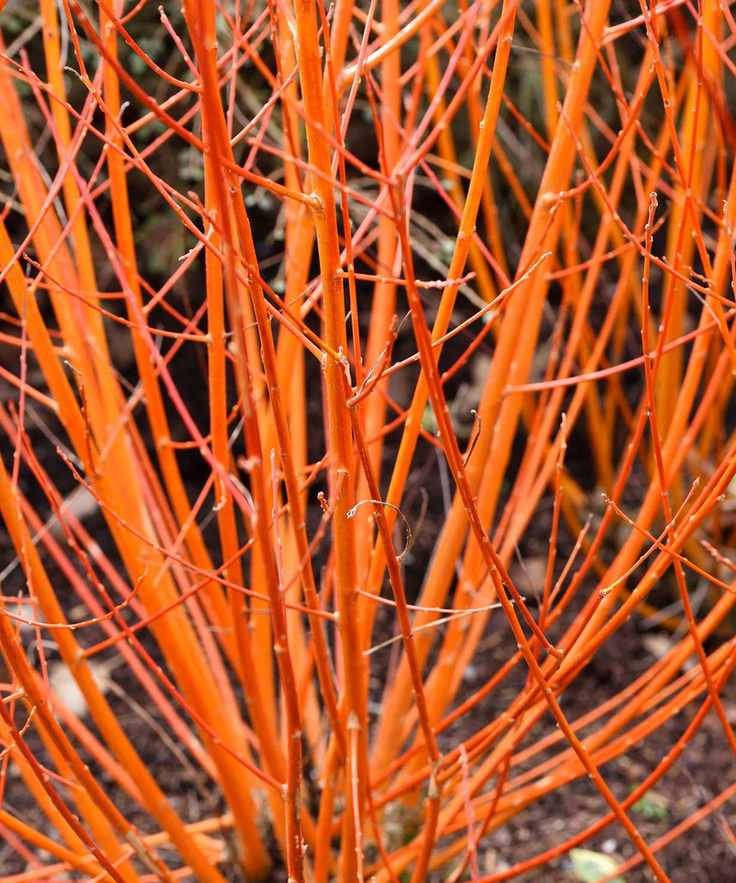
- USDA zones: 5-9
- Height: 8ft
- Spread: 8ft
Commonly known as cornus, dogwood is celebrated for its vibrant stem colors in winter, showcasing brilliant orange, yellow, and red hues once the leaves fall.
Grouping them together creates stunning visual appeal, especially when illuminated by winter sunlight. They thrive in damp, shady areas but prefer sunny spots.
7. Agave parryi
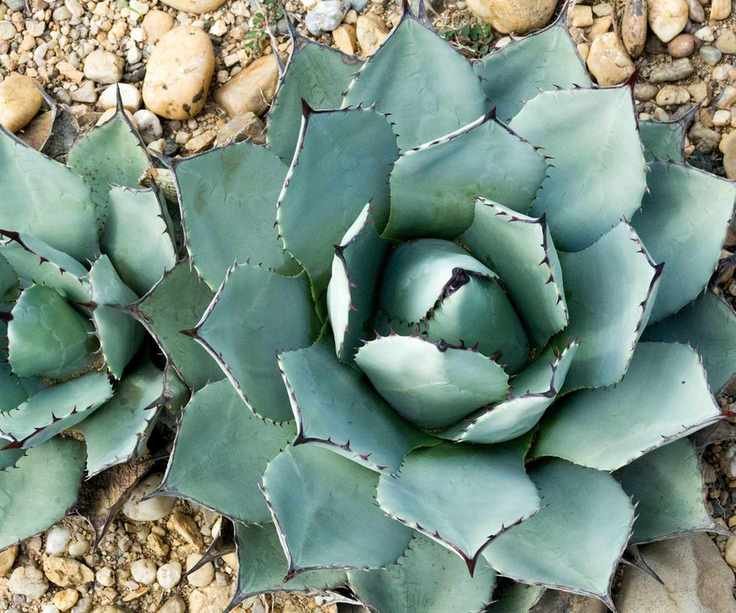
- USDA zones: 7-12
- Height: 2ft
- Spread: 3ft
Agave parryi, native to North America, is a remarkable architectural plant featuring rosettes of large gray-blue leaves adorned with maroon spines.
This agave adds an exotic flair to patios or gravel gardens. It can grow year-round in USDA zones 7-12 or be potted and brought indoors during colder months.
What Defines an Architectural Plant?
An architectural plant enhances landscape structure and form.
'These may include plants with weeping, upright, or arching growth habits, or those with oversized leaves or distinctly shaped flowers,' explains a garden design expert. 'Such plants provide visual interest in beds, borders, and containers.'
Examples include ornamental grasses, weeping cedars, agave, red hot poker, yucca, bear's breeches, sea holly, canna lily, bamboo, windmill palm, and boxwood.
Your local climate is crucial when selecting architectural plants.
While they require minimal upkeep, they will only thrive in appropriate USDA hardiness zones. Check these zones before purchasing to ensure success.