The Best Companion Plants for Kale: Boost Your Harvest Naturally
Companion planting with kale involves growing specific plants that can enhance its growth and help repel pests, leading to more abundant harvests. This leafy green is a favorite for many gardeners due to its ability to thrive in winter and its large, vibrant leaves that bring structure and beauty to any garden bed.
Understanding companion planting is essential, as it focuses on deterring pests, attracting beneficial insects, and selecting plants that won't compete negatively for resources or create poor growing conditions.
Once you learn how to cultivate kale, you can try various kale varieties. While it may seem overwhelming to know which plants will thrive together, the principles of kale companion planting are quite straightforward, and you'll be impressed by the benefits when integrated into your vegetable gardening strategies.
Companion Plants for Kale

When planning your kale companion planting strategy, it's vital to consider potential challenges you might face in growing this crop. Common pests that affect kale include caterpillars, flea beetles, aphids, and, in some regions, Harlequin beetles.
There are several categories of companion plants suitable for kale:
- Trap Plants: These attract pests away from your kale, providing them with alternative food sources.
- Attractants: These plants draw in predatory insects and parasites that help control pest populations.
- Repellents: Strongly scented plants that deter pests through their aroma or visual distraction.
- Sociable Plants: These plants provide benefits like shade or ground cover without competing for nutrients.
- Nitrogen Fixers: Certain plants support beneficial bacteria in their roots that enrich the soil with nitrogen, making it more accessible for kale.
“I prefer to plant 'trap plants' around my kale, which help lure pests away from my crops,” says Sally Morgan, an expert in organic gardening. “At the start of the season, sowing a row of radishes or mustard can help draw flea beetles away from young kale plants.”
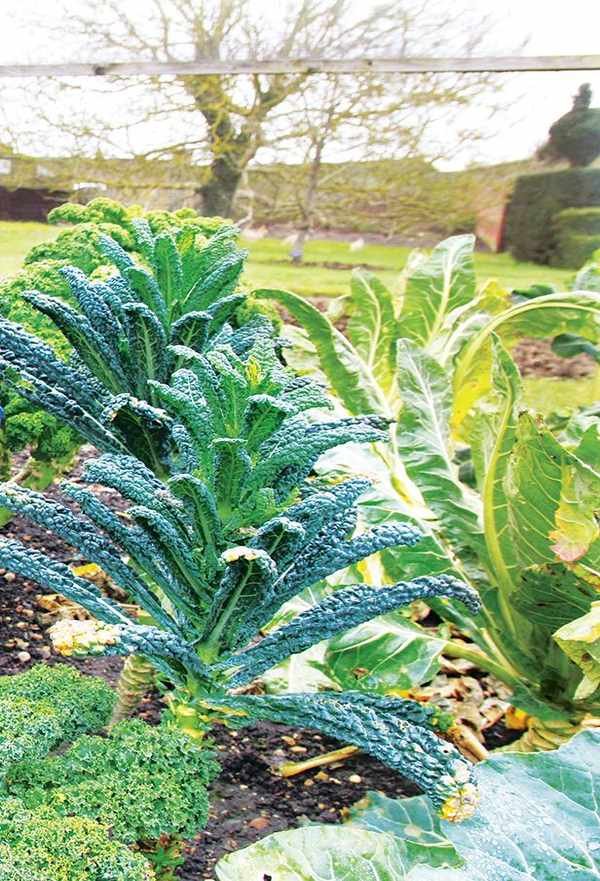
What Plants Pair Well with Kale?
Various flowers, herbs, and vegetables complement kale. Below are some top companion plants categorized by type.
Vegetable Companions for Kale

Several popular vegetable crops make excellent companions for kale when planning your planting schedule.
Onions, including spring onions and shallots, are ideal companions. Their strong aroma helps mask the scent of kale from pests, such as butterflies and flea beetles. Cabbage white butterflies, for instance, lay eggs on kale leaves, and those hatchlings can severely damage the plants. By growing onions, you enhance your kale crop's chances of success.
Garlic serves a similar purpose, deterring pests like cabbage white butterflies and cabbage loopers with its potent scent. Although not as strong as onions, growing garlic alongside kale is beneficial. These tall, slender plants won't compete for space, either.
Leeks are another strong-scented option for companion planting; they help repel butterflies and other pests. Keep in mind, however, that leeks can be crowded out by large kale plants, so ensure adequate spacing.

Peas act as nitrogen fixers, enhancing soil fertility for kale. Additionally, peas can create visual confusion for pests, making it harder for them to locate potential egg-laying spots among kale plants.
Radishes serve as trap plants, drawing flea beetles away from kale during the early season. They grow quickly, often ready for harvest within six weeks, and their flowers attract beneficial insects like hoverflies, which can support your overall garden health.
Herb Companions for Kale

If your kitchen garden includes herbs, consider adding those that will benefit kale.
Lemongrass can mask the scent of kale from pests and visually distract them with its tall leaves. Once you learn how to cultivate lemongrass, you’ll find it's a light feeder, meaning it won't compete heavily with kale for nutrients.
Chives are not only easy to grow but also have a delightful flavor. These hardy herbs emit a strong scent that deters pests. They thrive in various conditions, ensuring a good yield while being minimal competitors for kale.
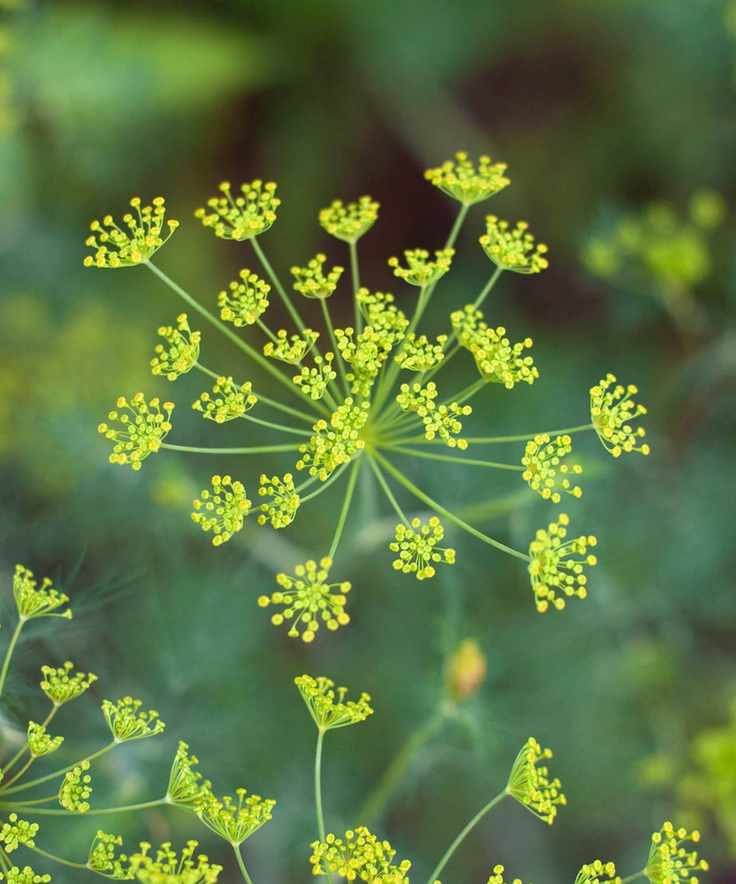
Dill is another aromatic herb that provides numerous companion planting benefits. “Cabbage white butterflies can become a problem for kale later in the season, so planting fennel or dill nearby can attract parasitic wasps, which are beneficial predators,” advises Sally Morgan. Dill also draws in hoverflies and ladybirds that prey on aphids and whiteflies. Growing dill near your kale will bolster its resistance to pests.
Flower Companions for Kale

Flowers not only beautify your vegetable garden but can also be excellent companions for kale.
Nasturtiums are visually appealing flowers that are easy to grow. Their leaves, flowers, and seeds are edible, providing a peppery taste to salads. Nasturtiums attract pests like caterpillars and aphids, which may prefer them over kale, reducing potential damage. Additionally, they grow quickly, making them resilient against pest problems.
Marigolds, with their vibrant yellow, orange, or red blooms, can help deter butterflies. They are also attractive to pollinators, contributing positively to the ecosystem. Find out when to plant marigolds from seed to enjoy their benefits.
Sweet Alyssum is a low-growing white flower that serves as excellent ground cover. It retains soil moisture while suppressing weeds. With low nutrient requirements, it won’t compete with kale and attracts beneficial hoverflies that help control aphid populations.

Plants to Avoid Planting with Kale
There are several plants that should be avoided near kale, as they may compete for nutrients or attract unwanted pests. It's crucial to think about both crops during companion planting to maximize your vegetable garden yields.
Other brassicas, such as cauliflower, brussels sprouts, broccoli, and kohlrabi, should not be planted near kale. This proximity can make it easier for pests to hop from one plant to another, particularly caterpillars that prefer not to travel long distances.
Some lettuce varieties may promote kale growth, but many brassicas, including kale, release chemicals from their roots that inhibit lettuce germination.
Can Kale Grow Near Tomatoes?
While tomatoes can coexist with kale, they aren't the best companions. Both plants tend to be heavy feeders and large in size. Many gardeners find that their tomatoes do not thrive when planted near any brassica family members.