Pruning Elderberry Shrubs for Lush Growth and Abundant Berries
Knowing the right time and techniques for pruning elderberry shrubs keeps them healthy and ensures a vibrant display of flowers and berries each season.
Elderberry plants are easy to cultivate and are prized for their striking foliage, reliable blooms, and dark fruit produced in late summer. The berries are commonly used in various culinary delights and are noted for their health benefits.
If you cultivate elderberries, annual pruning is vital for maintaining their health and enhancing their beauty, rewarding you with a stunning floral display and a fruitful harvest. This guide will cover the optimal pruning times and methods, featuring expert advice to help you prune effectively.
Importance of Pruning Elderberry Shrubs
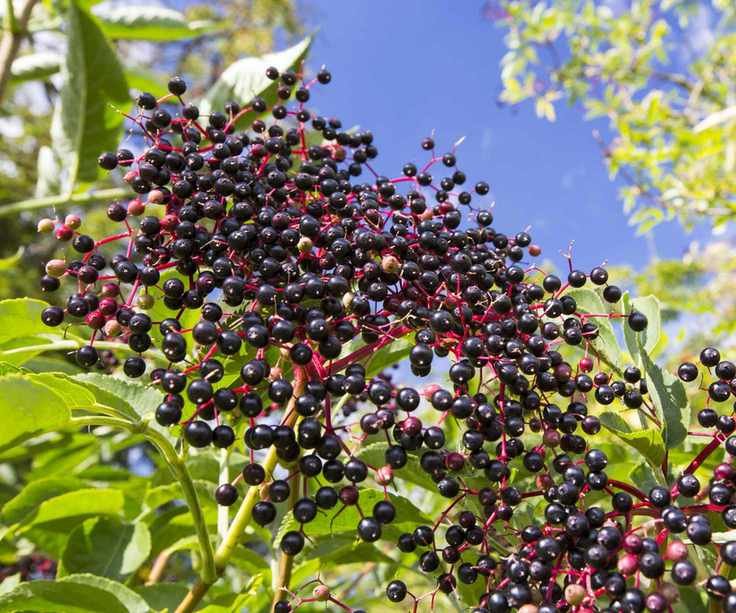
Sambucus, or elderberry, are deciduous flowering shrubs known for their attractive flower clusters and edible berries that are used in pies, jams, and jellies.
These shrubs can grow taller than 12 feet and may become unruly if not pruned regularly. Proper trimming keeps elderberry plants at a manageable height and enhances airflow, reducing the risk of pests and diseases.
Moreover, pruning helps maintain productivity. Ryan Harden, owner of The Harden Garden, emphasizes that trimming away older and less productive canes allows younger canes to thrive, leading to better berry production.
The key to successful pruning starts with choosing the right time. Pruning at the correct time ensures your shrubs remain healthy and yield plenty of blooms and berries.

Ryan Harden is an enthusiastic plant lover and the proprietor of The Harden Garden, an online store specializing in unique and easy-care plants.
Optimal Timing for Pruning Elderberry
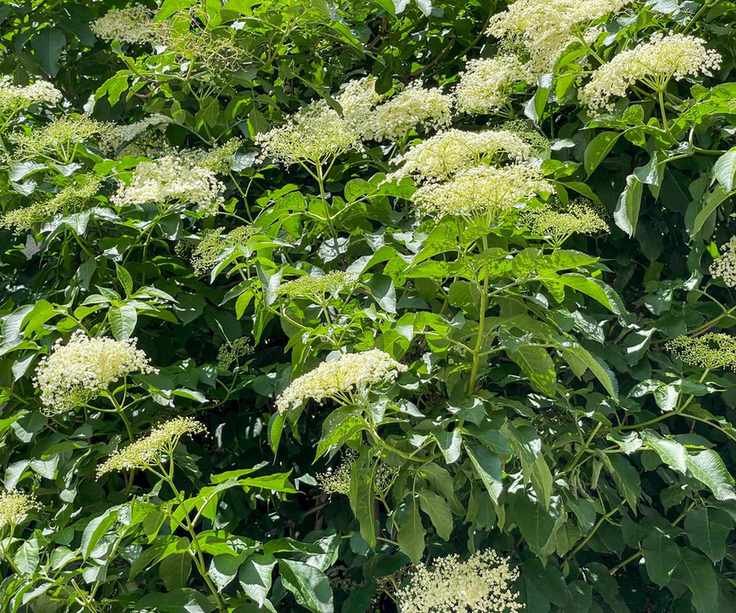
Newly planted elderberry shrubs need minimal pruning during their first two to three years. After they are established, annual pruning from the third year onward is beneficial.
The best time to prune elderberry is during late winter or early spring while the plant is dormant, just before it begins its growth cycle.
Pruning in the dormant phase reduces stress on the plant and allows for better visibility of its structure once the leaves have fallen.
Make sure to incorporate elderberry pruning into your spring gardening tasks, as it typically requires only one annual session. However, minor trimming for dead or damaged stems can be performed throughout the growing season.
Avoid pruning in late summer or fall, as this can trigger new growth that won't have time to mature before winter, increasing vulnerability to cold weather and pests.
Steps for Pruning Elderberry
Before you start pruning, ensure your garden tools are clean and well-sharpened for smooth cuts, preventing damage to the plant. Disinfecting pruning tools is also important to avoid spreading diseases.
Follow these steps for effective elderberry pruning:
- Examine the shrub closely and remove any dead, diseased, or damaged canes.
- Identify older, less productive canes for removal. 'Elderberries thrive best on one and two-year-old canes, so it's crucial to remove the oldest canes yearly to promote new growth,' advises Valeria Nyman, a horticulturist.
- Carefully cut out the selected older canes completely. 'Aim for a balance,' Ryan Harden notes. 'Maintain a mix of one, two, and three-year-old canes, as these are the most productive.'
- Adhere to the one-third pruning rule and avoid excessive removal. Only cut away a third of the old canes and weak or straggly stems. Clear away any crossing stems for better airflow.
- After pruning, consider applying mulch or fertilizer. 'Feed the plant with compost or balanced fertilizer after pruning to encourage growth,' Valeria Nyman suggests. 'With consistent care, your elderberry bush will yield berries year after year.'

Valeria is the Chief Product Officer at Taim.io, a platform that provides personalized gardening advice to users.
Essential Tools for Pruning Elderberry Shrubs
Okatsune 103
These exquisite Okatsune pruners are crafted from top-quality Japanese steel, effortlessly cutting through tough stems. Their lightweight design suits smaller gardeners, and they feature non-slip vinyl-coated handles.
Felco No. 2
Felco No. 2 pruners are well-regarded for their comfort, sharpness, and durability. An added bonus is that all components are replaceable.
Blade Sharpener
This handy pocket-sized sharpener is ideal for maintaining any pruning tools, including shears, loppers, and hedge shears.
Common Questions
Can you hard prune elderberry?
Elderberry shrubs can be hard pruned, cutting stems back to about a foot from the ground. This technique can rejuvenate older bushes and control plant size. Conduct hard pruning while the plant is dormant to encourage vigorous new growth.
Is summer pruning possible for elderberry?
While elderberry bushes can be pruned after summer harvests, leaving berries on the bush can provide food for birds during migratory seasons. Although dead or damaged stems can be cut in summer, it's best to wait for the dormant season in late winter or early spring for annual pruning.
If you wish to propagate elderberries, consider taking hardwood cuttings in late fall or early spring. To propagate, cut viable stems about 9-12 inches long, roughly pencil-thick, trimming above and below a bud, and plant them in potting soil.