Painting Wood Floors: Achieve a Lasting Shine in 5 Steps
Refreshing your space with painted wood floors is budget-friendly and stylish. However, if you're not a professional painter, you might not know the right approach or common mistakes to avoid.
Whether you're looking to brighten a room, introduce color, or rejuvenate worn floors, the process can be simple with the right steps. Here are five key stages to get that flawless finish.
From preparation to sealing, painting wood floors can be a straightforward task if you organize well and follow a systematic approach.
Step 1: Prepare Your Floors

Before you start, proper preparation is crucial for a smooth and lasting result.
Clear out the room completely. Clean the floors thoroughly by sweeping away dust and debris, then mop using a mild detergent solution. This ensures a clean surface free from grime.
Francisco Romero, hardwood floor expert, emphasizes, 'Preparation is key. A clean floor and having all your supplies ready will save you time and effort.'
For tools, use an angled brush for edges and a quality roller for larger areas. High-quality brushes like Purdy make a difference.
Inspect for protruding nails or staples, removing or hammering them down as needed. Fill any gaps or holes with wood filler and allow it to dry completely.
Don't forget painter's tape to achieve clean lines, tack cloths for dust removal, and stir sticks for mixing paint.
For paint, choose a reliable brand like Sherwin-Williams ProMar 200, known for its excellent adhesion and durability.
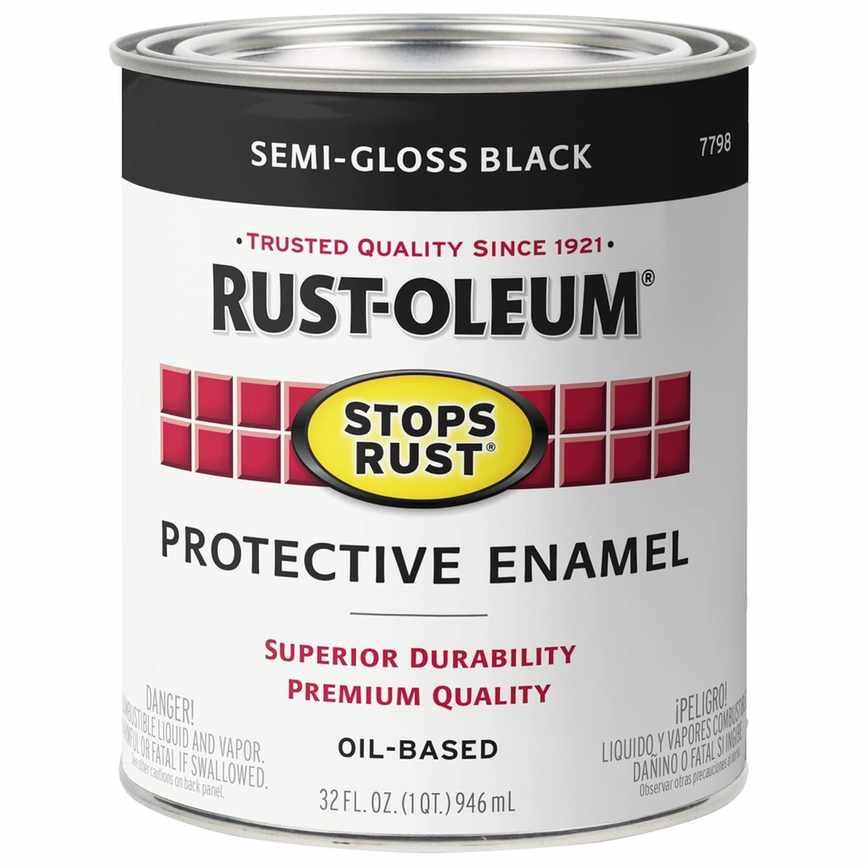 Protective enamel
Size: 1 Quart
This durable, weather-resistant coating protects wooden floors and dries in under 5 hours, covering up to 100 square feet. Its oil-based formula offers excellent rust prevention.
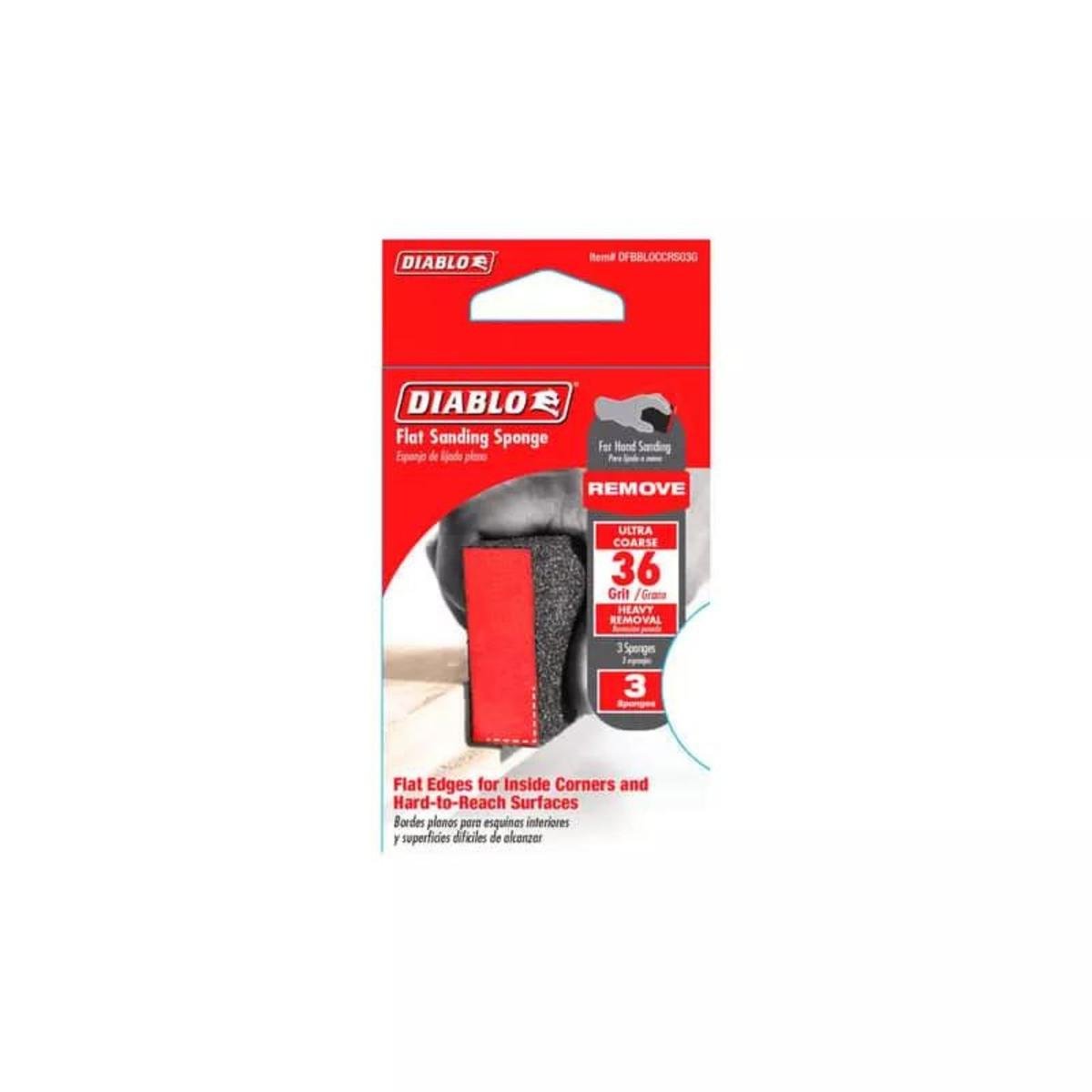 Ultra coarse
Size (inches): 4 x 2.5 x 1
This three-pack of Diablo sanding sponges offers top-notch performance with aluminum oxide for fast material removal and flat edges for tight spaces.
 Mold-resistant
Size: 1 Quart
This water-based, gray primer is suitable for wooden flooring, sealing uniformly without sanding and compatible with any oil or latex topcoat.
Step 2: Sand the Floors
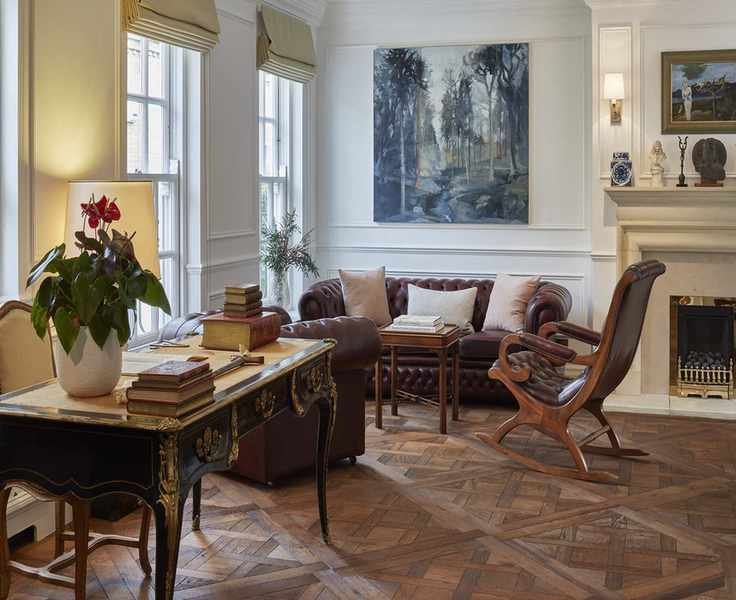
Sanding is a vital step, especially if the floor isn't in perfect condition.
For large areas, use a drum sander, and an edge sander for tight spots. The compact Jet 10-20 Drum Sander is a great tool for this task.
Start with coarse grit paper to remove old finishes, then gradually switch to finer grits for a smooth surface. Always sand in the wood grain direction to avoid scratches. A dual-edge sanding sponge can be very effective.
Vacuum up all dust and follow with a tack cloth for a clean surface. Proper sanding ensures paint adheres well.
Andre Kazimierski, CEO of a painting service, advises, 'Sanding is essential for a long-lasting paint job.'
Step 3: Get Priming
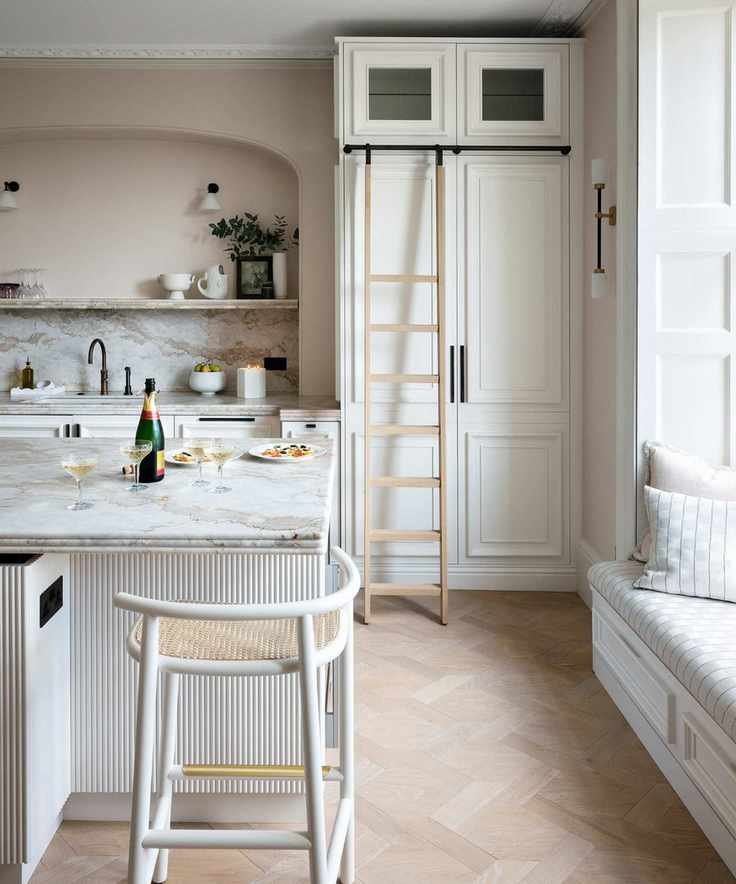
Applying primer is essential for a durable finish. Choose a high-quality primer suitable for your wood type. The Slip Doctors Clear Acrylic Primer works well for porous surfaces.
Apply evenly with a roller, starting from the farthest corner to avoid stepping on wet areas. Use a brush for edges and corners.
Tommy Mello, a DIY expert, recommends Kilz 3 Premium Primer for its strong adhesion and stain-blocking properties.
Allow the primer to dry, usually around 24 hours. Many professionals recommend a second coat for added durability.
Step 4: Paint

Now comes the exciting part: painting. Choose a durable paint designed for floors, like oil-based or latex formulas.
For recommendations, check our top paint brands, including Benjamin Moore and Sherwin-Williams. Sherwin-Williams Duration floor paint is a top choice for high-traffic areas.
Stir the paint well, then apply in thin, even coats with a roller, again starting from the farthest corner. Use a brush for detailed areas.
Applying at least two coats is advisable, allowing for adequate drying time between each layer. Lightly sanding between coats can enhance the smoothness.
Step 5: Seal
Sealing your painted floor adds protection and durability.
Select a clear polyurethane sealer appropriate for floors. Apply it evenly with a clean roller or brush. Thompson's WaterSeal is a solid choice for outdoor surfaces.
Follow the drying time recommended by the manufacturer before applying additional coats. Water-based sealers, like Varathane Water-Based Polyurethane, dry faster and have a lower odor.
Nick suggests applying two or three coats of sealer for the best protection, reapplying every few years and using felt pads under furniture.
FAQs
Can I paint wood floors without sanding?
While it's possible to paint without sanding using a high-adhesion primer, sanding is recommended for optimal results. It ensures a better surface for paint adhesion.
What paint is best for wood floors?
Opt for durable, high-traffic paint like oil-based or latex floor paints, which can withstand wear and tear effectively.
How do I protect a wooden floor?
To protect your floor, use a clear polyurethane sealer post-painting, lay rugs in high-traffic areas, and use felt pads under furniture. Regular cleaning with a damp mop will help maintain the finish.
By following these five steps—preparation, sanding, priming, painting, and sealing—you'll achieve a stunning and lasting finish on your wood floors.
For further projects, check out how to paint over wallpaper and how to effectively paint a wall.