Kitchen Island Layout Ideas to Enhance Your Cooking Space
Introducing a kitchen island is more than just placing a unit in the center; it requires thoughtful planning to enhance functionality over aesthetics. Many overlook the crucial interplay between layout and use.
Your kitchen island ideas should prioritize maximizing space and efficiency. This guide will help you explore layouts and elements to consider while avoiding common pitfalls.
Can Your Kitchen Fit an Island?

This spacious U-shaped kitchen accommodates a sizable island with storage on all sides.
The first step in designing an island is to determine if it fits your kitchen. This depends on the overall size and layout, as well as the space available.
Experts recommend at least one meter (40 inches) between the island and cabinets for easy access to appliances and smooth traffic flow, especially when multiple people are in the kitchen.
If your kitchen can't meet these spacing requirements, an island may hinder rather than help, leading to cramped conditions and awkward access.
Optimal Kitchen Island Layouts
From narrow galley kitchens to spacious open plans, here are the best island layouts tailored to various kitchen shapes.
1. L-Shaped Kitchen with Island
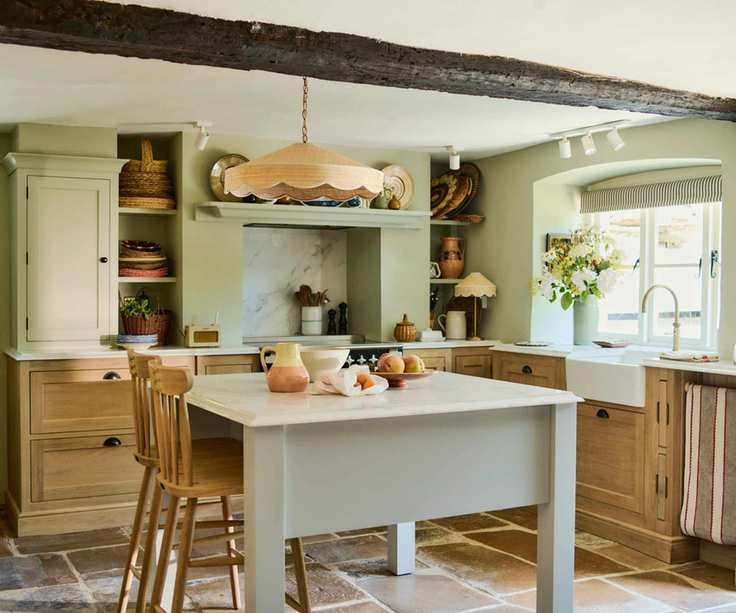
This L-shaped kitchen benefits from a central island that provides extra storage and workspace.
The L-shaped kitchen layout is popular for integrating an island. The perimeter cabinets accommodate essential appliances while the island serves as a functional hub for prep and storage.
This layout works well in open-plan designs, offering additional surface area and storage, similar to what another row of cabinets would provide.
2. Galley Kitchen with Island

This wide galley kitchen allows for a narrow island, complementing the surrounding storage.
In a galley kitchen, space constraints can limit island options. If width permits, a narrow island can fit between parallel cabinets, maintaining the crucial 40-inch clearance.
Long, linear islands work best, often integrating a prep sink while keeping the main sink in the main run to avoid a cramped workflow.
3. U-Shaped Kitchen with Island
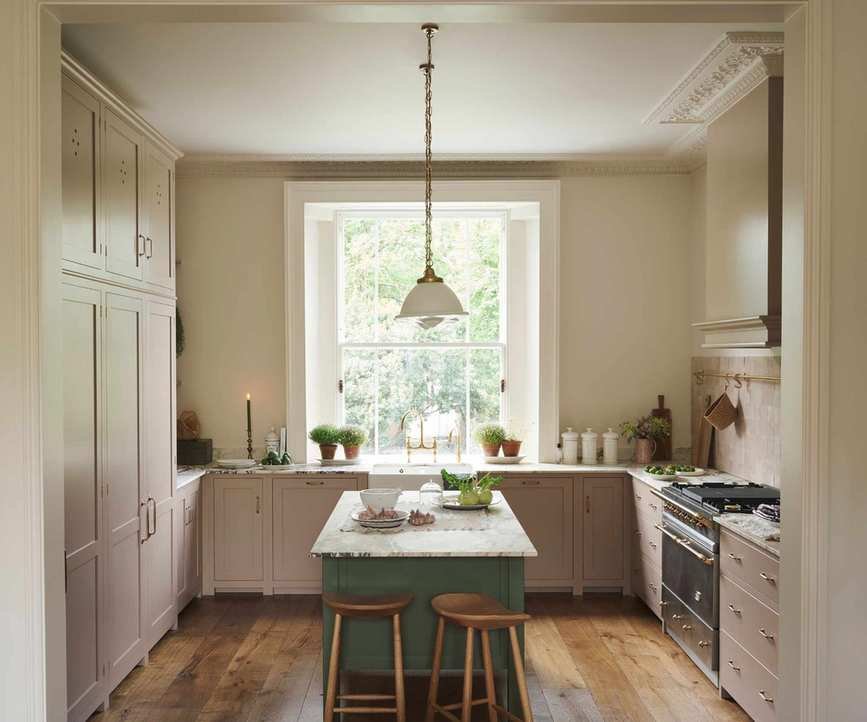
This U-shaped kitchen features island seating at one end, keeping pathways clear.
The U-shaped kitchen layout is ideal for larger spaces, permitting islands of various sizes. This design optimizes storage and surface areas while allowing for customization.
Consider where to position seating to facilitate movement. Seating should generally be on the side facing the living area, enhancing flow and accessibility.
4. Open-Plan Kitchen with Island
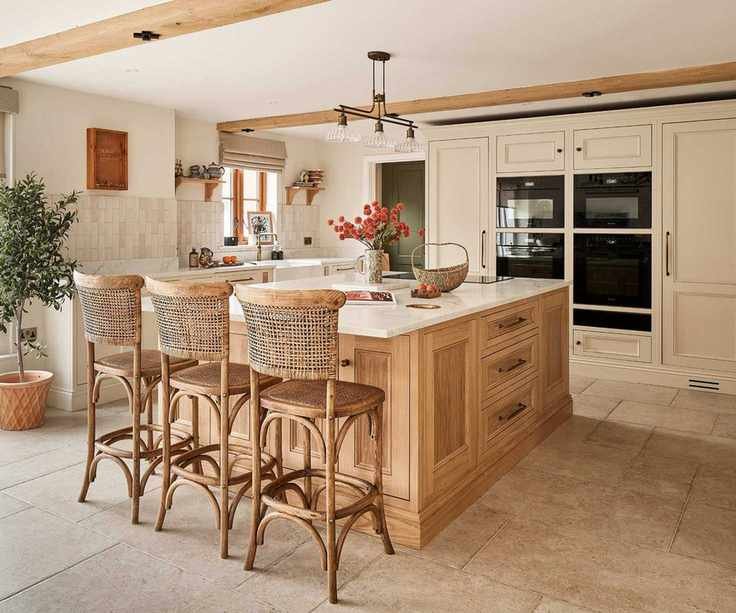
Seating at the open end of this kitchen promotes a cozy, inviting atmosphere.
An open-plan kitchen thrives on zoning. The island can separate cooking from social areas without creating a full barrier.
Design the island to face the dining space, promoting interaction and creating a soft division. Avoid clutter by placing the sink on perimeter cabinetry, opting instead for a cooktop on the island for a more inviting space.
5. Small Kitchen Island Layouts
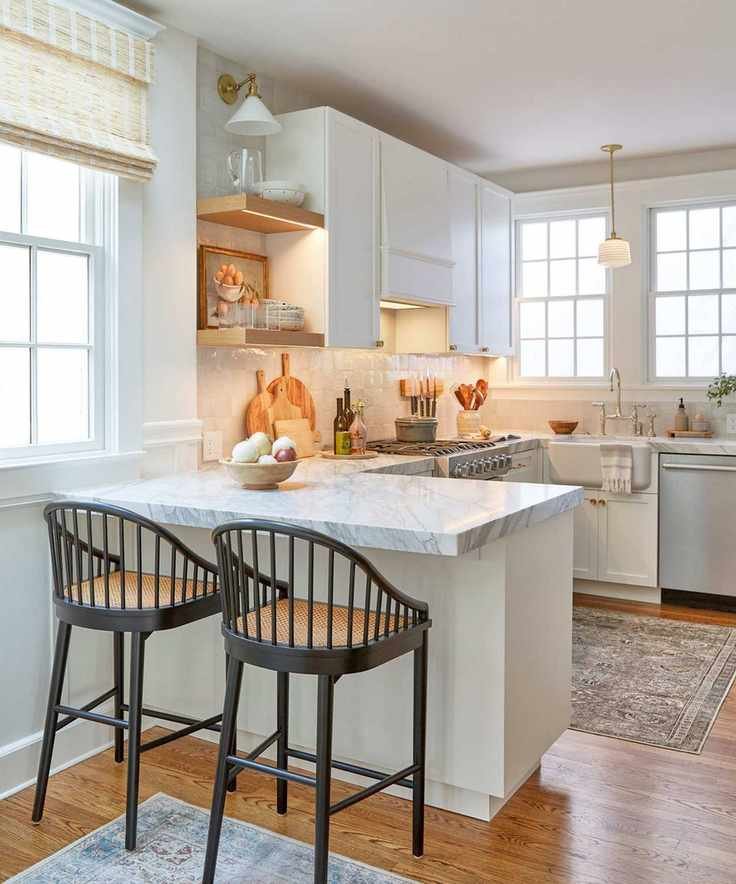
A peninsula enhances space efficiency in this compact kitchen.
In small kitchens, prioritize storage and prep space instead of cramming in appliances. Aim for a clear surface to serve as an uninterrupted workspace.
Consider using a peninsula layout for added surface area without needing full clearance around all sides.
6. Double Kitchen Island Layouts
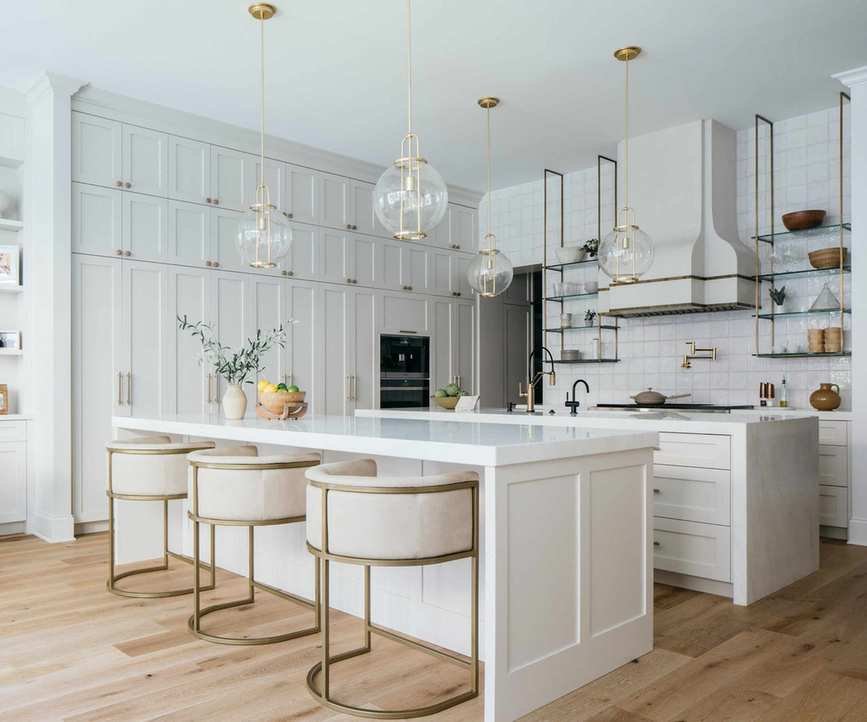
Two islands in this kitchen effectively delineate work and social areas.
A double kitchen island layout is luxurious, fitting only in spacious kitchens. Position the islands parallel or perpendicular to the cabinetry.
Maintain a minimum of 40 inches between islands for smooth traffic flow. Use the island closest to the cooking area for prep and storage, while the other serves as a social space.
What to Include in Your Kitchen Island
Start by assessing your kitchen needs. This will guide your decisions on whether to include specific features in the island or keep them on perimeter cabinets.
Island Storage
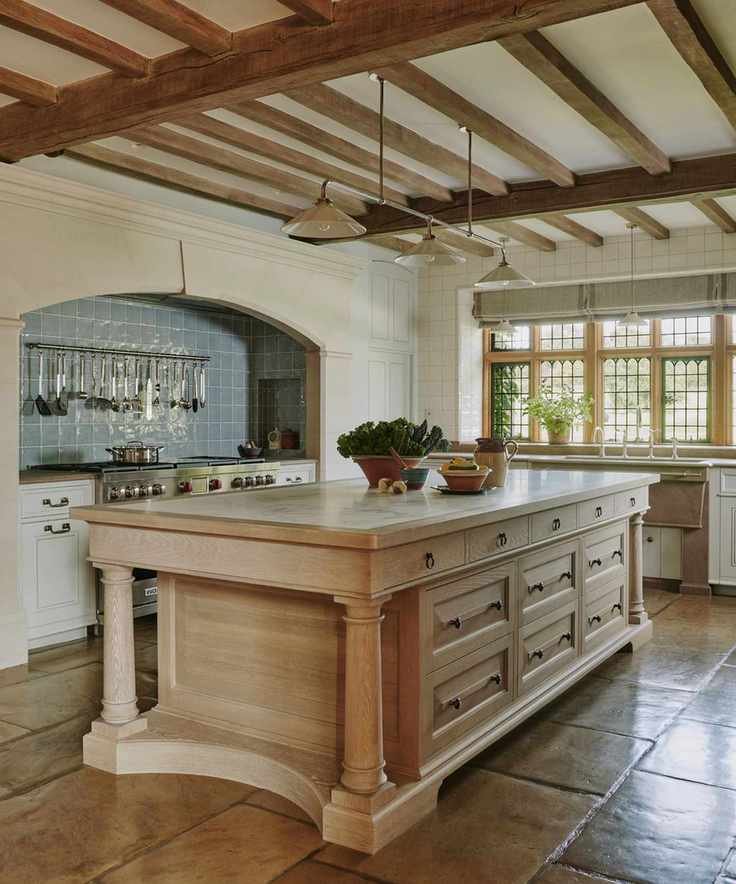
This kitchen island maximizes depth with a variety of drawer sizes.
Effective kitchen island storage focuses on utility. Opt for practical designs that make full use of depth.
Drawers are recommended for easy access, with deeper ones for larger items like pots and shallower ones for utensils. Consider storage on both sides of the island if seating is included.
Sink vs Cooktop vs Prep Space
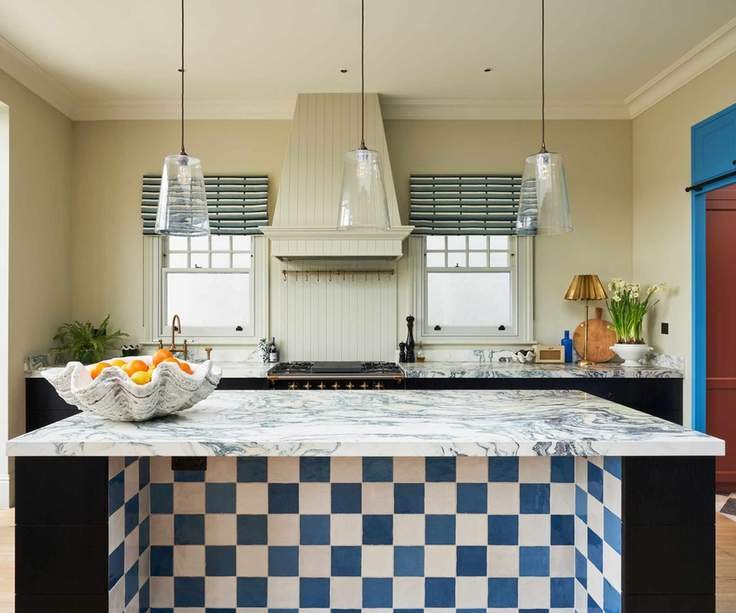
This kitchen island is dedicated to prep space, maintaining a clean aesthetic.
Decide whether to install appliances or keep the space clear for prep. For many, the island serves as a dining or gathering area, while others prioritize storage and prep.
Avoid sinks on the island to keep the area visually appealing and functional. Consider a cooktop if it fosters interaction but keep surfaces clear for an inviting look.
Seating Layouts
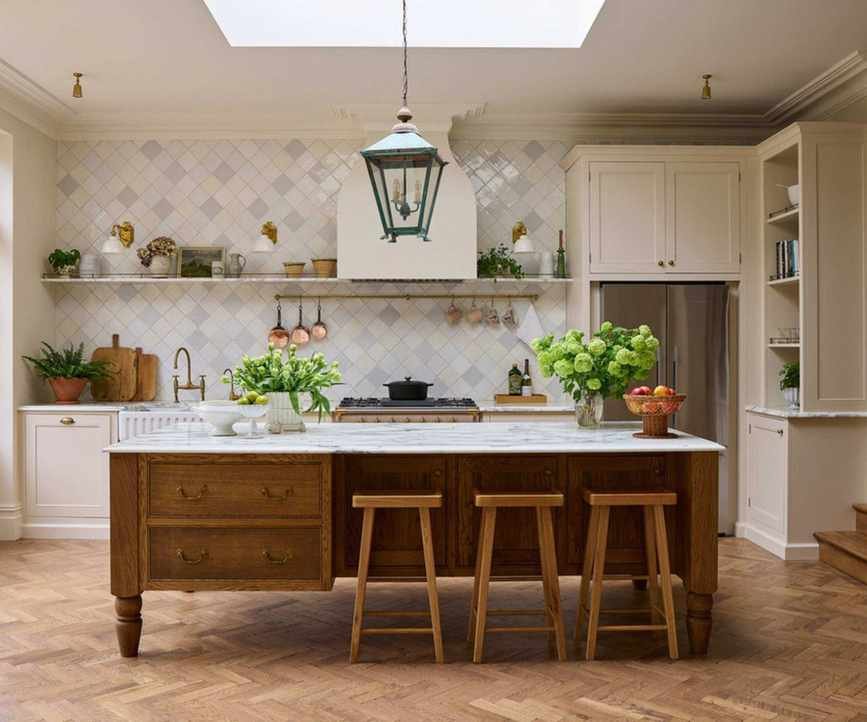
This island design seamlessly incorporates storage and seating.
Seating enhances an island's functionality for cooking, dining, and working. Ensure overhangs are comfortable, ideally 15 to 18 inches, and allocate 24 inches per seat to avoid crowding.
Kitchen Island Size and Proportions
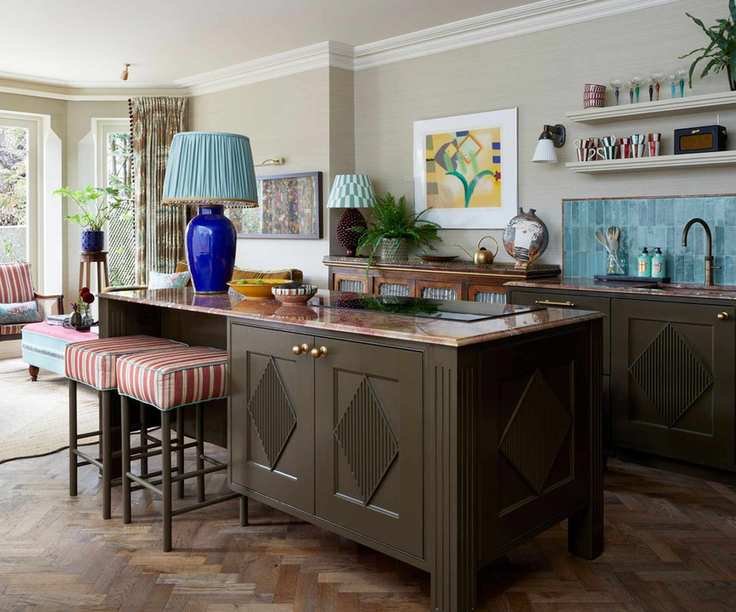
These cabinets feature charming etched details for added character.
When fitting an island, consider its proportions. A width between 30 and 48 inches is ideal; anything smaller feels cramped. Depth should be at least 24 inches for storage, increasing to 40-48 inches if appliances or seating are included.
Common Kitchen Island Layout Mistakes
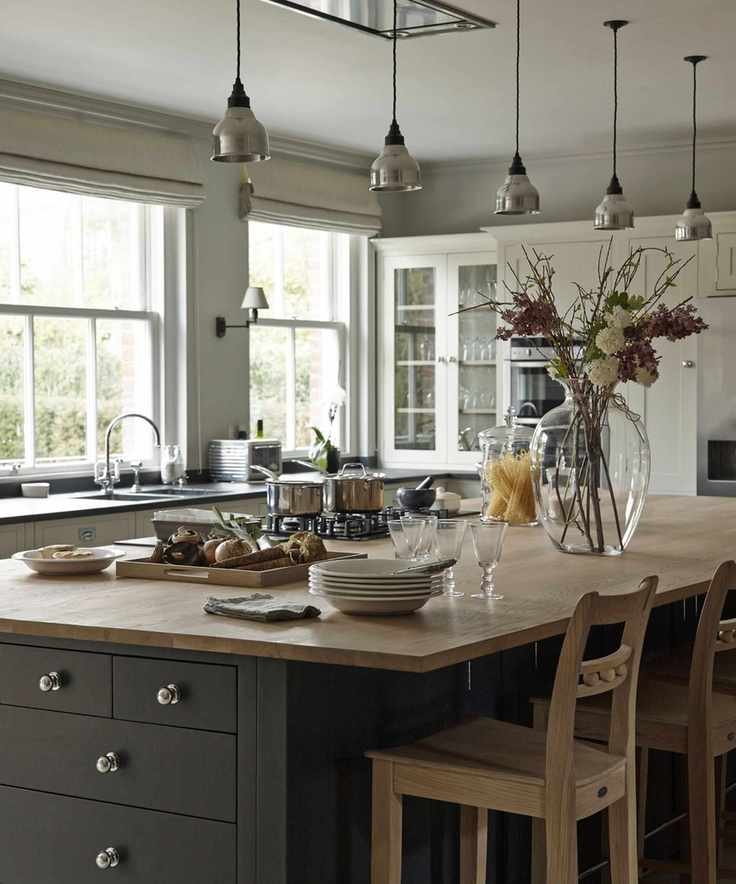
Ample overhang ensures comfortable seating in this design.
Avoid mistakes like blocking walkways, oversizing the island, and overloading it with functions. Ensure clear paths around the island for easy access to storage and appliances.
1. Blocking Walkways
Clearing pathways is paramount; maintain at least one meter of space on all sides for functionality.
2. Oversizing the Island
Too large an island can limit accessibility and make storage hard to reach. Aim for balance without overwhelming the kitchen.
3. Too Many Functions
Don't overload your island with features. Define its purpose to ensure it complements your kitchen.
4. Bad Seating Layout
Ensure seating doesn't impede movement or access to appliances and storage. Position seats away from functional sides.
5. Installing the Main Sink on the Island
Keep the main sink off the island to avoid clutter. Disruptions to workflow can occur when food prep and washing up overlap.
Kitchen Island Layout FAQs

This island serves as the primary storage, with cabinets of varying sizes for organization.
What is the Best Layout For a Kitchen Island?
There's no one-size-fits-all; the best layout depends on your kitchen's size and how the island integrates with the space.
How Much Space Do You Need Around an Island?
Space around an island is crucial for accessibility. Aim for 1100–1250mm of clearance for comfortable multi-person use.
Is an Island Better Than a Peninsula?
Generally, islands offer a more open layout, while peninsulas can be beneficial in tighter spaces.
Ultimately, the perfect kitchen island layout should harmonize with your kitchen's architecture while serving its intended purpose effectively.