Kitchen Diner Ideas: 11 Creative Ways to Enhance Family Time
Modern kitchen diner concepts emphasize space—room to cook, entertain, and gather. Today's kitchen projects extend beyond just new cabinetry and appliances, reflecting our lifestyle needs.
In the last decade, around 20% of U.S. households have removed interior walls, embracing open-plan designs. This shift allows the cook to engage with guests and family members while preparing meals, making it easier to assist with homework or supervise children. This multifunctional approach is especially beneficial in our busy lives.
According to an expert, social norms have shifted, leading people to enjoy shared cooking and dining spaces. Hosting gatherings has become more casual, where cooking and entertaining happen simultaneously. During warmer months, these kitchen-dining areas thrive, often featuring expansive glass doors that connect indoor and outdoor spaces, enhancing the overall living experience.
Kitchen Diner Ideas: Enjoy Life at the Heart of Your Home
Incorporate dining into your kitchen to forge an informal diner, creating a welcoming hub for family life. This space not only showcases culinary skills but also helps guests feel at home.
1. Expand Your Kitchen Diner
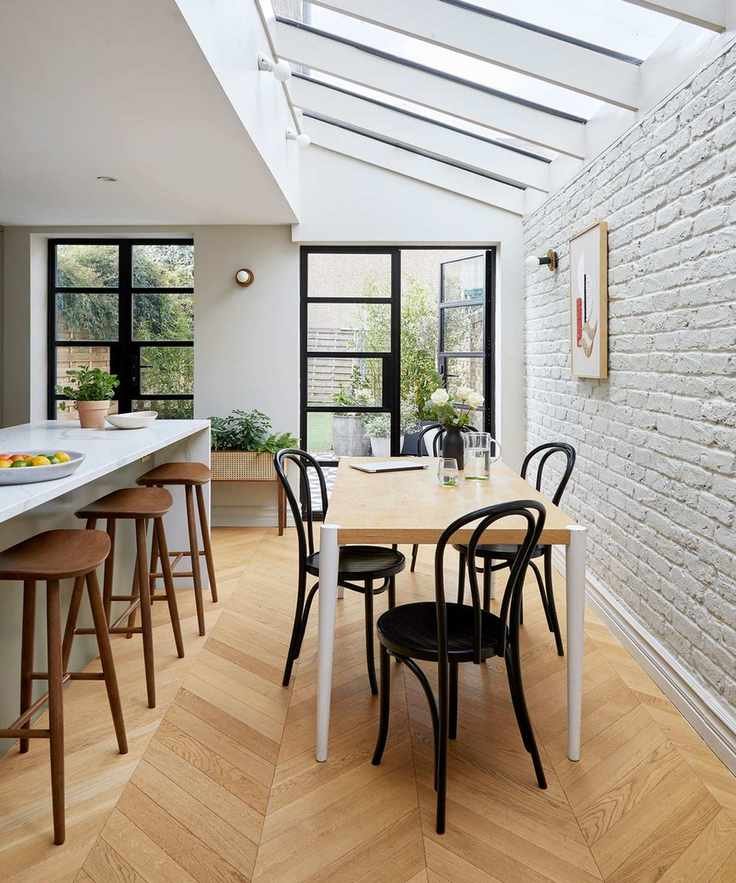
While costly, adding an extension is a prime way to create a spacious open-plan kitchen diner. Evaluate the investment against potential property value increases to avoid negative equity.
If your kitchen is compact, a side return extension can significantly brighten and widen a narrow galley kitchen without sacrificing garden space. A glazed roof or skylights are excellent additions to enhance natural light.
If your property allows, consider a single-storey rear extension or a conservatory for a light-filled dining area. Planning the layout early in the process, ideally with a kitchen designer, ensures optimal functionality.
2. Create a Sociable Layout
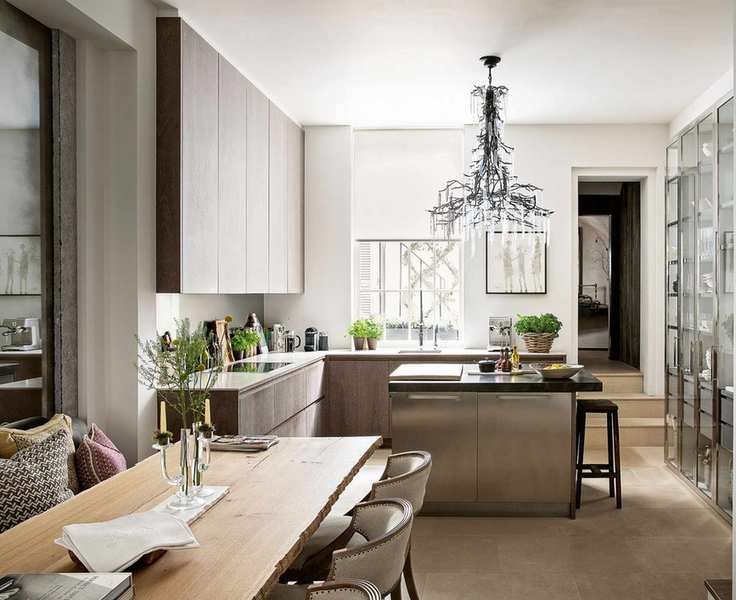
Designing a kitchen diner means rethinking traditional layouts. Incorporate areas for casual and formal dining, soft seating, and even play spaces. Every inch should be thoughtfully planned.
Consider sightlines from the cooking area: can the chef chat while cooking? Ensure the dining table isn't too distant from the kitchen to streamline meal prep and serving.
Accessibility is key—keep the fridge and drinks close to the dining table, and ensure a clear path to the dishwasher for quick cleanup.
3. Achieve Flow in an Open-Plan Space
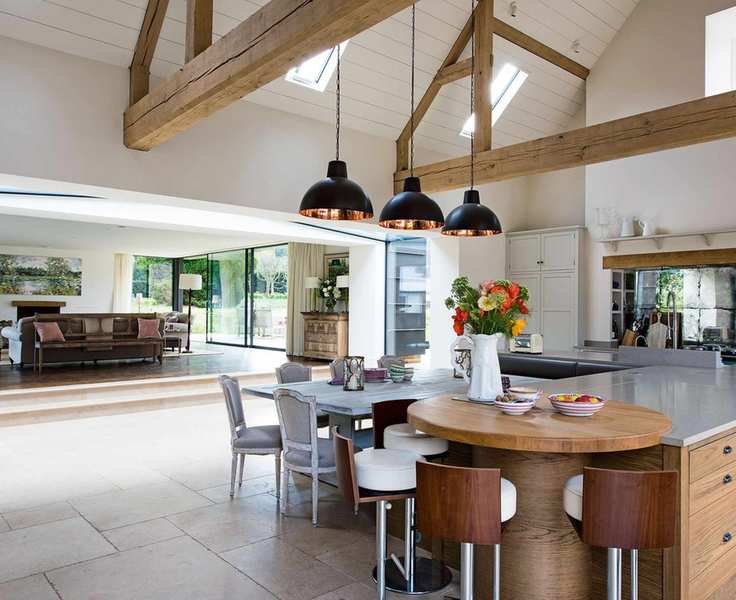
Collaborate with your designer to maintain a logical flow, avoiding obstructions, especially around frequently used areas. An island unit can enhance traffic flow and connect the kitchen to dining and living spaces.
Maintain at least a 90-110 cm pathway in high-traffic zones, considering the space needed for dining chairs and appliance doors.
4. Keep Your Kitchen Diner Organized
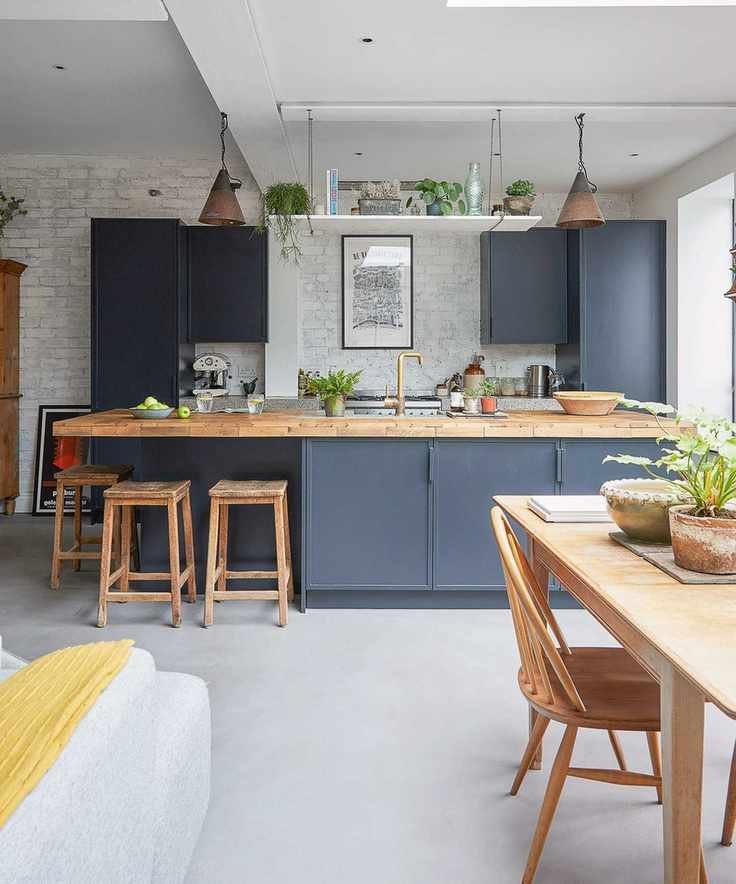
Establish distinct zones for cooking, dining, and relaxing to help manage a multi-functional kitchen diner. Use different flooring or lighting to define these areas while maintaining overall design harmony.
Unifying materials and shapes, like coordinating the dining table with countertops, can help create a cohesive look.
5. Prioritize Lighting
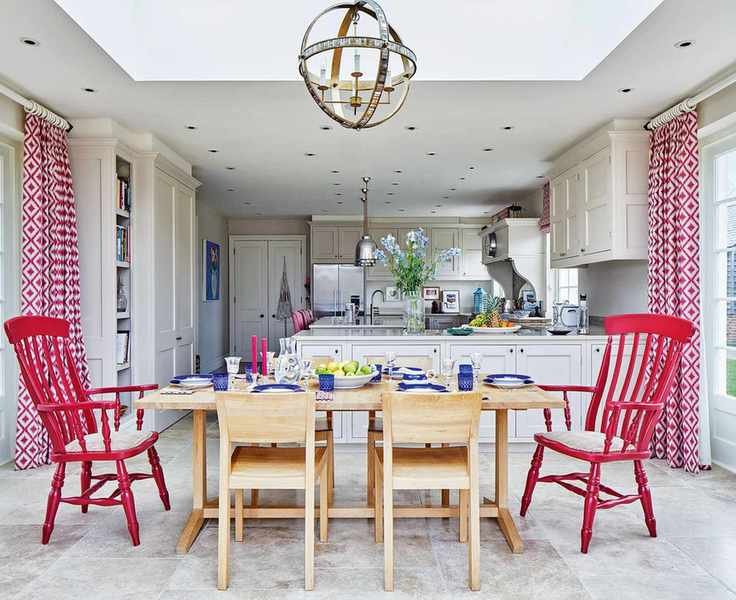
Plan your lighting early, ensuring each zone—cooking, dining, relaxing—has its own controls. Utilize energy-efficient LED fixtures with consistent color temperatures to create a warm ambiance.
Consider flexible lighting options, such as pendants or wall-mounted fixtures, to target specific areas. Natural light is vital, so think about skylights or glazed doors to brighten the space.
6. Consider Heating and Cooling
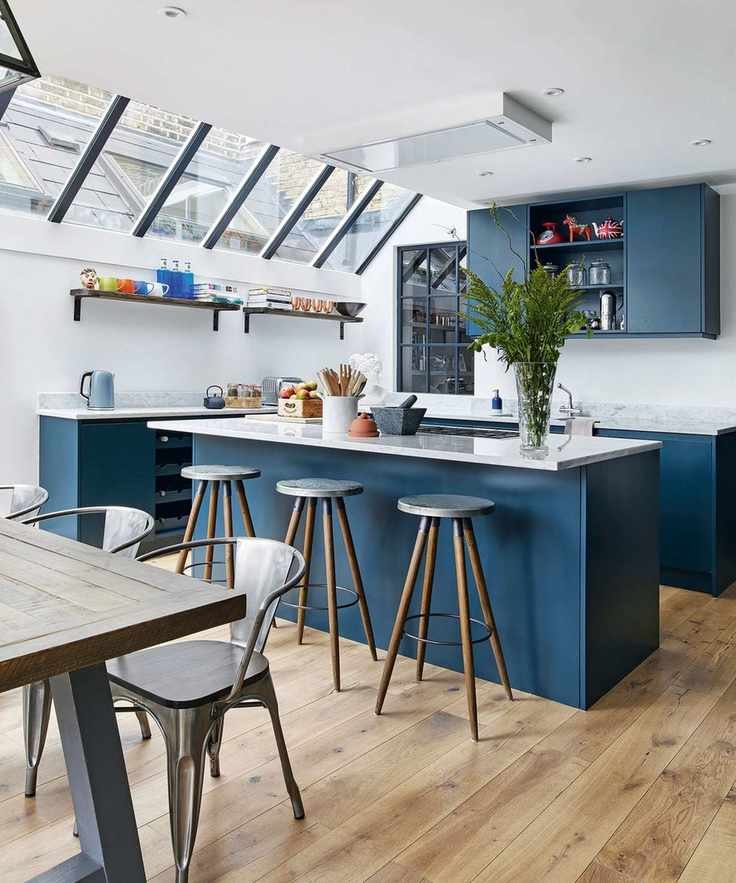
Maintaining a comfortable temperature in spacious kitchens can be challenging. Underfloor heating and vertical radiators are effective solutions, allowing for design flexibility.
For summer, consider air conditioning or skylights with remote control for ventilation. Keeping doors open also helps regulate temperature on hot days.
7. Control Clutter
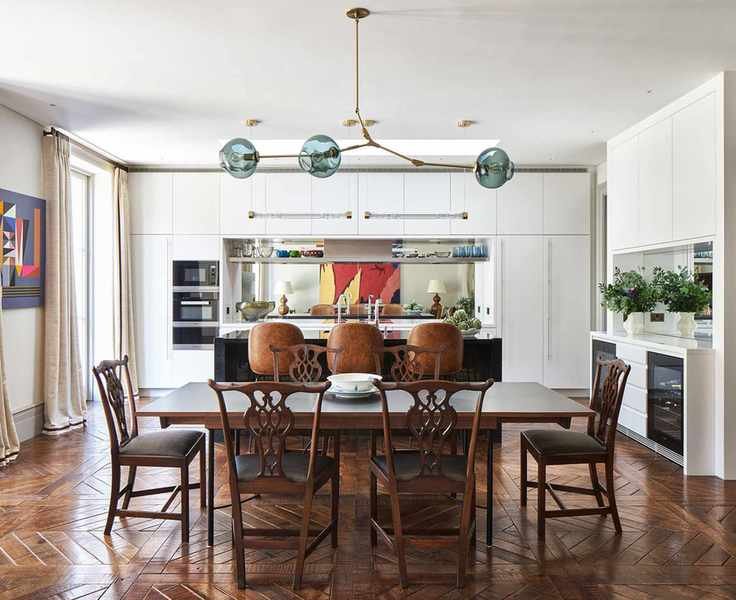
Visible clutter can detract from the enjoyment of your kitchen diner. Ensure dedicated storage solutions are easily accessible but can be tucked away when not in use.
A raised breakfast bar can conceal cooking mess while allowing interaction with guests. A spacious pantry can hide kitchen essentials, making the space feel organized.
8. Manage Sound and Vision

When adding entertainment features, sound and visual aspects become crucial. Consult an audio-visual expert early in the project for optimal wiring and equipment placement.
For simple sound integration, look for LED lights with built-in Bluetooth speakers. For more extensive systems, flush-mounted speakers can provide discreet sound solutions.
9. Envision Your Ideal Space
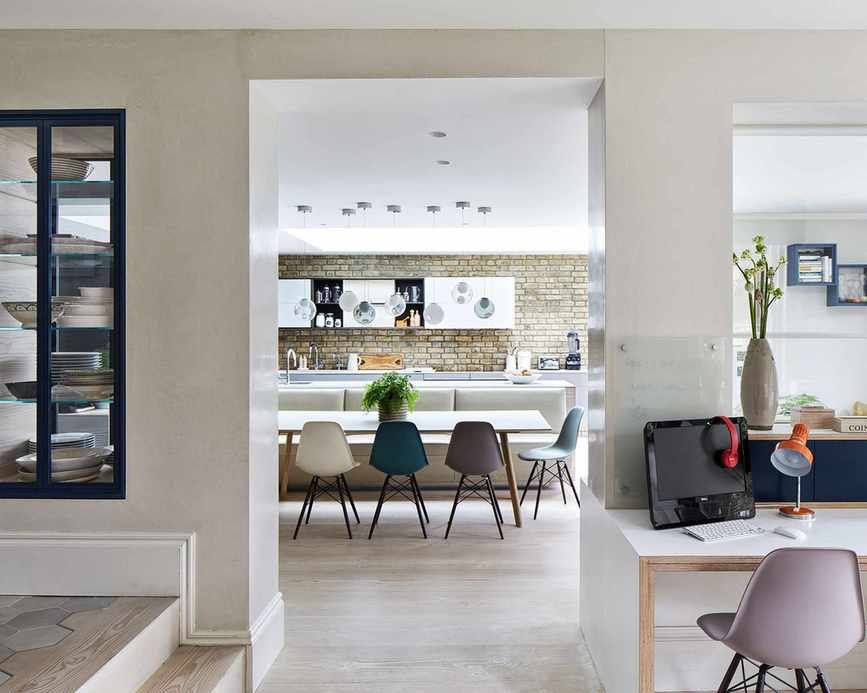
The kitchen diner trend has transformed furniture design, moving beyond basic cabinets to incorporate versatile pieces like tall storage units and multifunctional islands.
Kitchen layouts have also evolved, with contemporary designs offering expansive storage solutions while maintaining efficiency.
10. Create a Cohesive Aesthetic
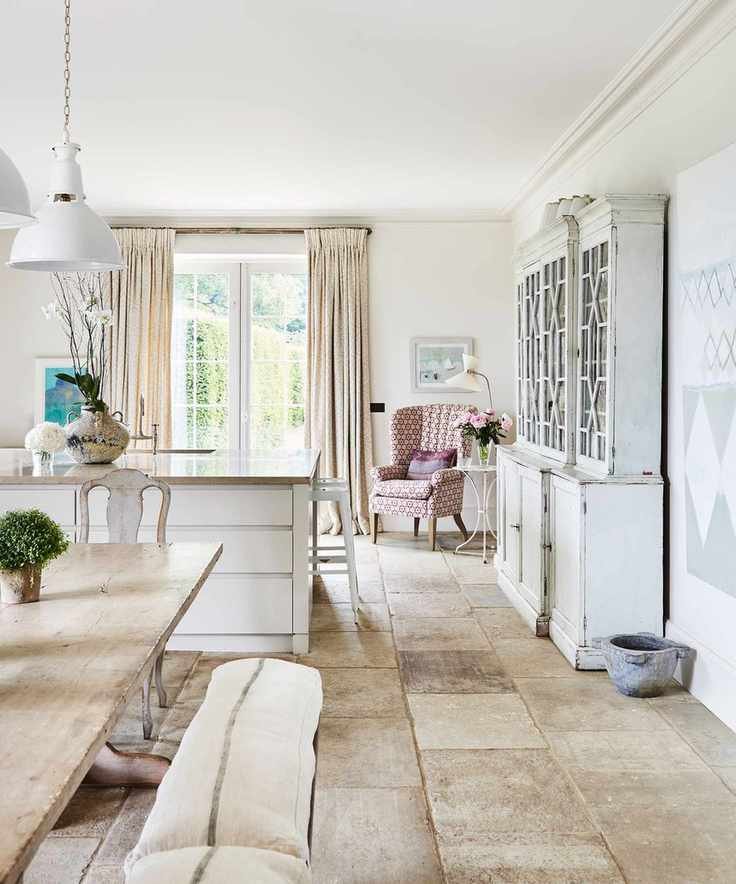
Coordinate your kitchen style with dining furniture for a harmonious look. Opt for rich woods for a formal vibe, or simple painted units for a more casual feel.
If you can't find a matching dining table, consider commissioning a custom piece for a perfect fit.
11. Focus on Comfort
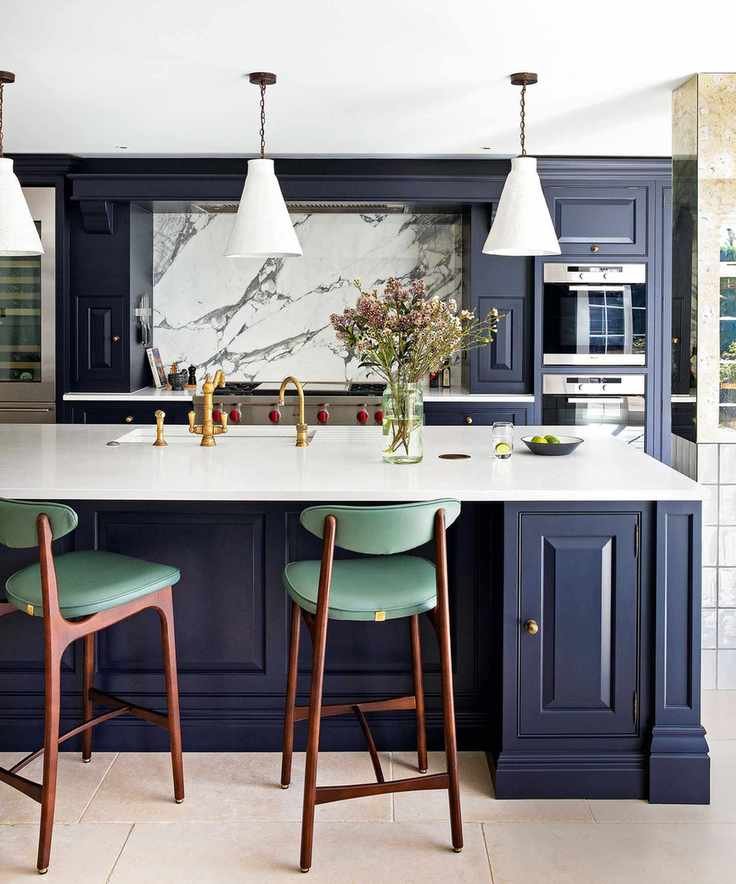
Comfort is vital for enjoyable meals. Choose bar stools with backrests and cushioned seats, and ensure dining chairs are designed for prolonged use. Layered lighting can enhance the atmosphere.
Installing dimmer switches helps transition from task-focused to ambient lighting when moving from cooking to dining.
Is a Kitchen Diner Worth It?
An open-plan kitchen diner redefines communal living, merging cooking and entertaining into a single, vibrant space.
This setup allows parents to interact with children while cooking, fostering family bonding. It also provides more room for guests and creates a sunnier, more inviting atmosphere.
Additional benefits include reduced energy costs by heating a single area and the ability to connect indoor and outdoor spaces, enhancing your lifestyle.
From a design perspective, open-plan layouts enable cohesive material and texture choices, creating stunning results. The question remains: why wouldn't you consider a kitchen diner?
How to Build a Kitchen Diner?
Creating more space doesn't always require a costly extension. Start by evaluating underutilized areas like dining rooms or hallways. Consulting professionals early can reveal potential solutions and maximize your space.
Look for architects specializing in residential projects or hire an interior designer to oversee the entire process, from structural changes to decor.
Kitchen designers are skilled at visualizing the bigger picture and often have connections with local builders. They can help you navigate the complexities of creating a functional and stylish kitchen diner.
To achieve a functional design, addressing technical aspects like drainage and electrical systems is crucial. A knowledgeable interior designer can integrate aesthetics with functionality, ensuring your space is both beautiful and practical.