Is it Safe to Leave a Space Heater On Overnight? Experts Weigh In
As temperatures drop at night, using a space heater can be a tempting solution for a warm and comfortable sleep. Yet, it's crucial to assess the safety of leaving these devices unattended.
With winter's chill setting in, you might wonder if maintaining warmth overnight with a space heater is wise. However, is it truly safe to run one for extended hours?
Our heating specialists outline their concerns and offer practical advice on using space heaters overnight. Continue reading to learn how to heat your space safely for a restful night.
Is Leaving a Space Heater On Overnight Safe?
'In general, it's not advisable to leave a space heater running while you sleep,' says Josh Mitchell, an HVAC technician. 'Key concerns include fire hazards, overheating, and carbon monoxide risks—particularly with fuel-burning models. If you opt to use a space heater overnight, there are crucial safety precautions to keep in mind.'
For more information, check out our guide on space heater pitfalls to avoid.

Josh Mitchell is an HVAC technician specializing in plumbing.
1. Select the Appropriate Heater
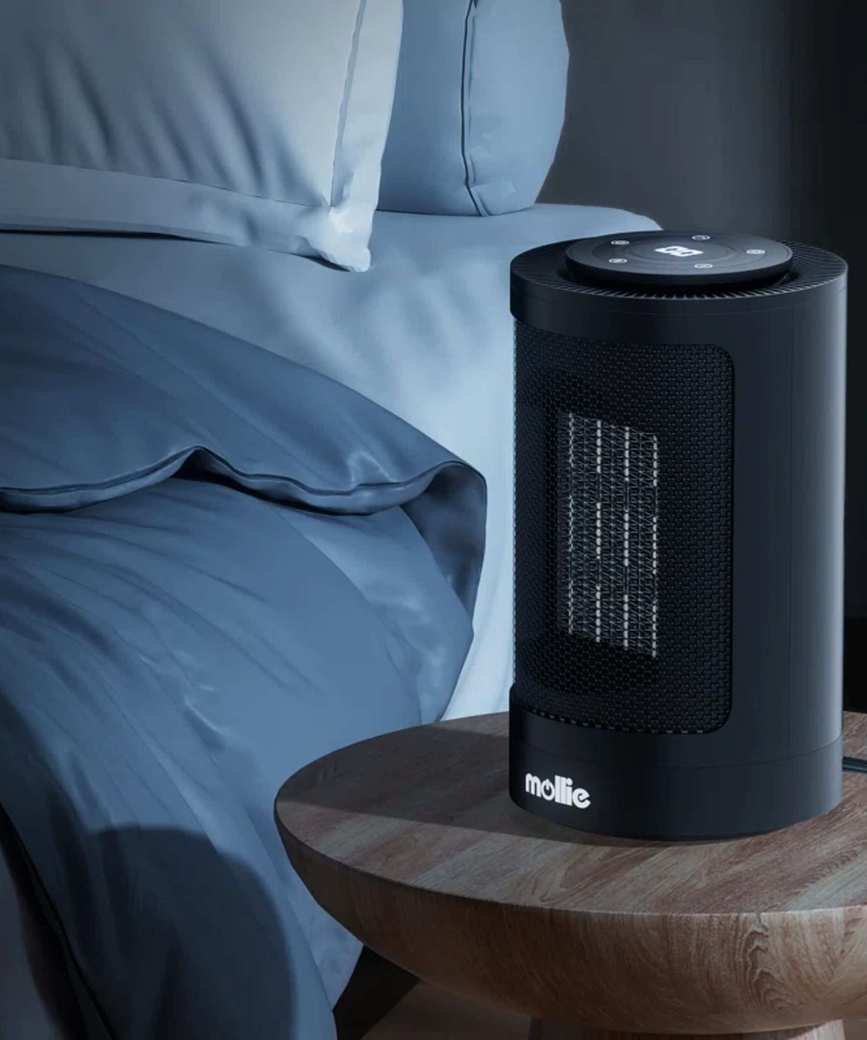
Start by choosing the safest and most efficient type of space heater.
'Modern space heaters often include safety features like automatic shut-off for overheating or tipping over, which significantly lowers fire risks,' notes Josh Mitchell.
'Consider heaters with built-in thermostats,' adds Alan Houghton and Gordon Chalk, managing directors at a heating solutions company. 'This allows you to set a desired temperature, reducing overheating risks.'
Always opt for heaters that are certified for safety by recognized organizations.
Lasko Electric Space Heater
$49.96
This heater features an adjustable thermostat, an 8-hour auto-off timer, and a multifunction remote, along with overheat protection and a self-regulating ceramic element.
MoNiBloom Electric Compact Space Heater
Was $49.99, now $42.62
This compact option includes a digital thermostat, remote control, automatic shut-off, and a timer.
Rintuf Small Space Heater
$24.99
Equipped with overheating and tip-over protection, this heater is a reliable choice.
2. Proper Heater Placement

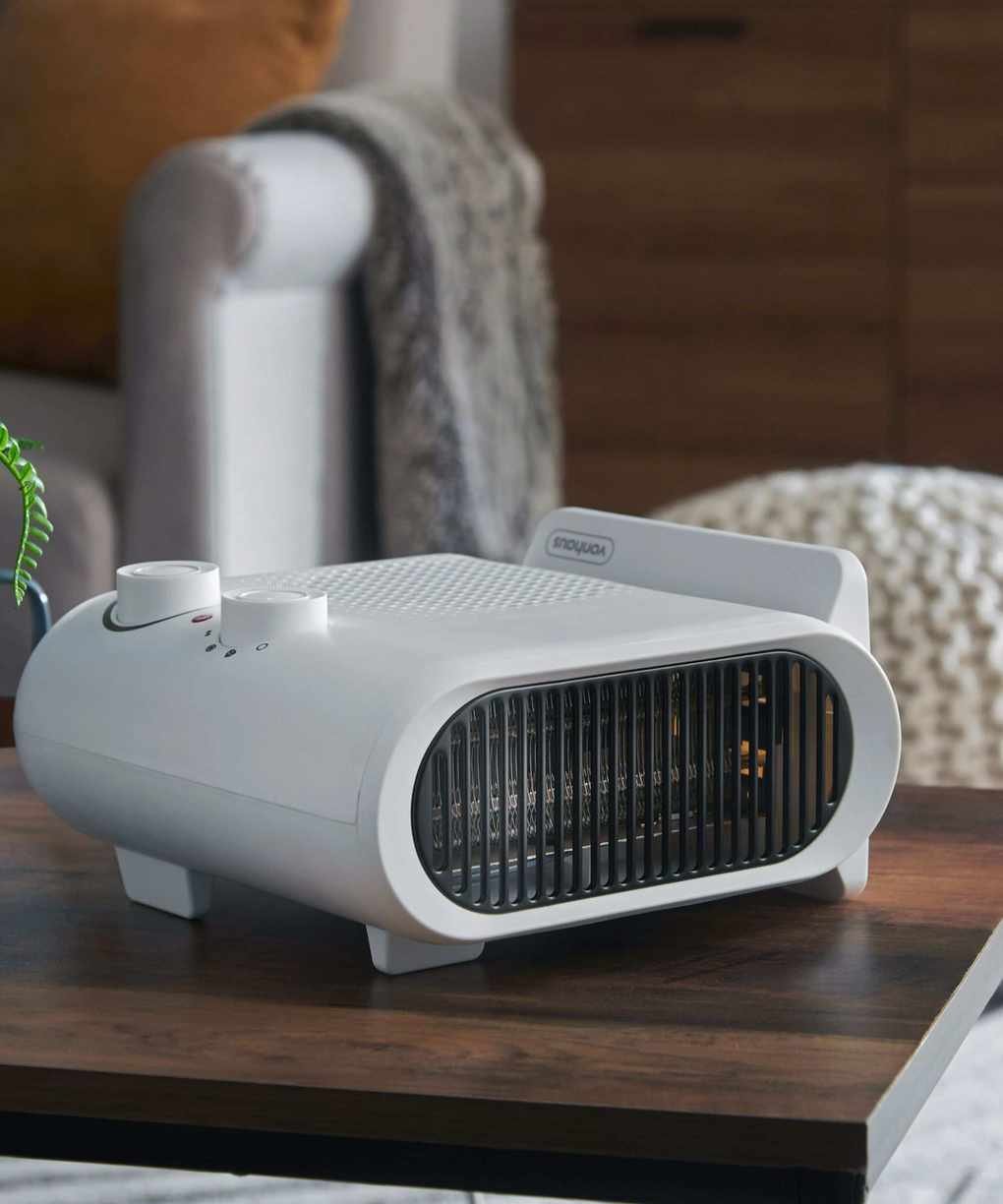
Correct placement of your heater is vital for safety. Place it on a sturdy, non-flammable surface.
'Keep the heater at least three feet away from flammable items like curtains, bedding, and furniture,' advises Justin Bohannon, owner of an HVAC service. 'This distance helps prevent any fire risks from heat exposure.'
Ensure there's ample ventilation by maintaining a three-foot clearance around the heater.
3. Install Detectors for Safety
'Ensure your home has functional smoke and carbon monoxide detectors, especially with fuel-burning heaters,' recommends Josh Mitchell.
These devices alert you to any malfunctions or carbon monoxide accumulation, which is crucial while you're asleep.
You can purchase battery-operated smoke and carbon monoxide detectors online.
4. Use a Dedicated Circuit
'Plug the heater directly into a wall outlet—avoid extension cords,' recommend Houghton and Chalk. 'This reduces electrical hazards and overheating risks.'
5. Regular Maintenance
Regular upkeep is crucial. Clean the heater's components and check the cord and plug for damage.
Inspect for signs of wear, such as frayed cords or loose connections. If replacement is needed, use only manufacturer-approved parts to ensure safety.
Understanding Space Heater Risks
Fire risks: Space heaters can lead to house fires, especially if flammable materials are too close.
Overheating: Older or cheaper heaters might not have proper safety measures, risking overheating and fires.
Carbon monoxide dangers: Fuel-burning heaters can produce carbon monoxide, posing risks in poorly ventilated areas.
Safer Alternatives
If you need consistent warmth overnight, consider safer options for temperature control.
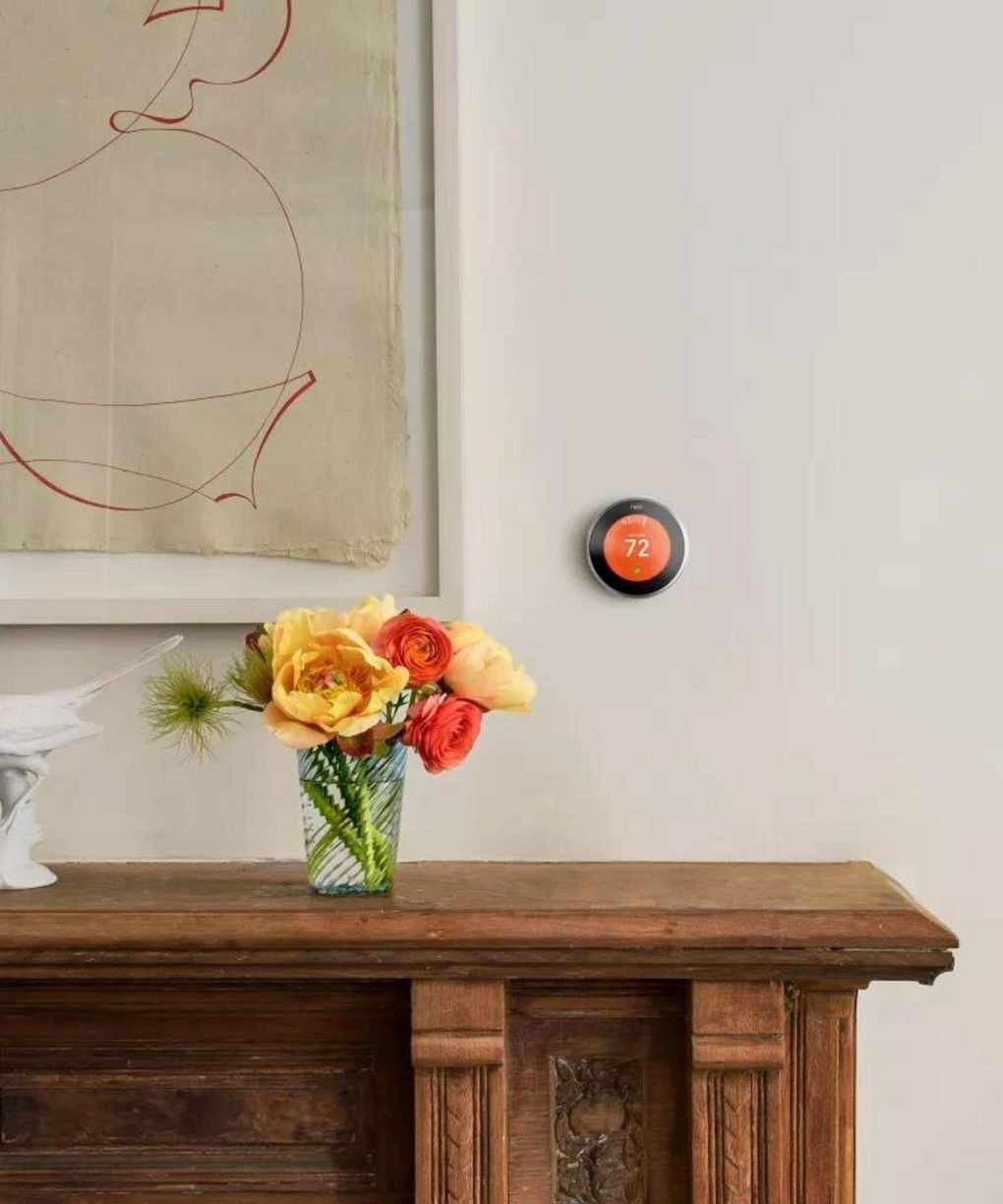
'Instead of space heaters, utilize your central heating system for overnight warmth,' suggests Rinkesh Kukreja, founder of an energy conservation site. 'Modern systems often have built-in safety features that lessen fire risks compared to portable heaters.'
Programmable thermostats can also help manage overnight temperatures efficiently, and lowering heat slightly while you sleep can save energy.
Electric blankets designed with safety features provide warmth without the risks associated with space heaters. You can find electric blankets with timers and auto shut-off for added safety.
Finally, ensure your home is well-insulated to retain warmth, reducing reliance on potentially dangerous heating devices. Invest in items like weather stripping and draft stoppers.
While it is sometimes possible to leave a space heater on overnight under safe conditions, it's generally wiser to turn it off and explore alternative heating methods. If you must use a heater, consider a timer feature to preheat the room before waking up. This can help prevent overheating and reduce fire hazards.
Always follow the manufacturer's instructions when using a space heater. Leaving it unattended, especially overnight, could void the warranty or increase risks.