Heirloom Seeds: Discover the Unique Qualities of These Heritage Crops
Heirloom seeds and plants are beloved by gardeners, appreciated for their unique tastes, varied appearances, and the rich history they carry. These old variety crops are treasures passed down through generations.
These seeds are open-pollinated, relying on natural pollination methods like wind or insects to retain their distinct traits. This helps heirlooms maintain their exceptional qualities over time.
Heirloom plants not only preserve unique flavors and characteristics, but they also support environmental sustainability and personal health, often proving superior to hybrid varieties.
Growing heirloom plants allows gardeners to preserve biodiversity while connecting to agricultural heritage. Each plant embodies a story, bridging past generations with the present.

Understanding Heirloom Seeds and Plants
Experts highlight the significance of heirloom plants in maintaining biodiversity and connecting us to our agricultural roots.
What Makes Heirlooms Special?
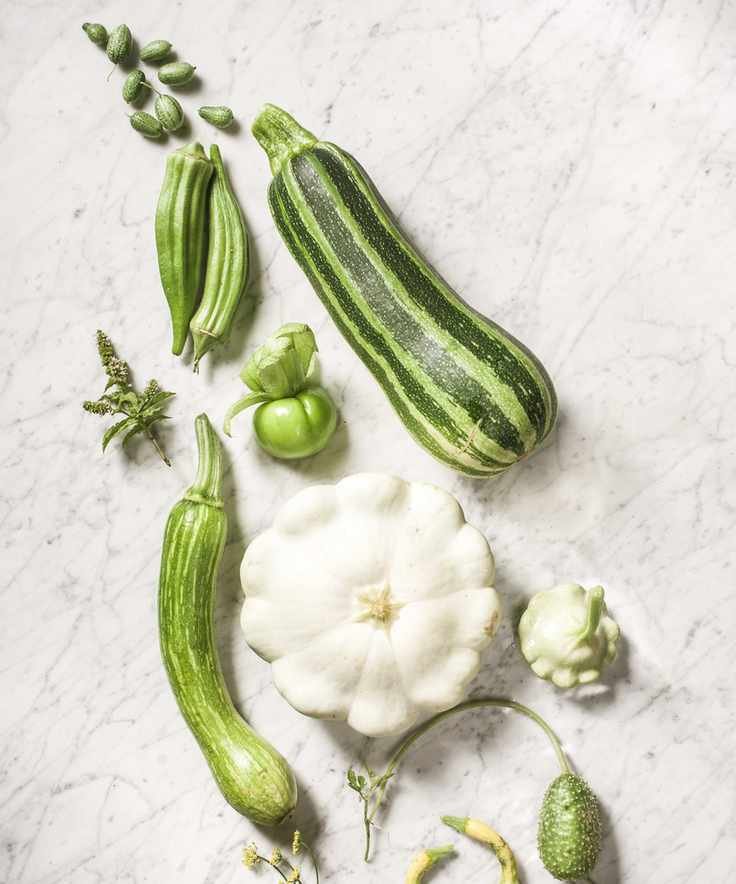
According to a gardening expert, heirloom seeds have been preserved for at least 50 years without modern breeding techniques. They are valued for their genetic integrity and flavors that often exceed those of commercial varieties.
Unlike hybrids, heirloom plants can be saved and replanted year after year, making them a sustainable choice for gardeners.
Another expert notes that heirlooms may need specific growing conditions. Understanding soil and sunlight requirements for each variety can enhance growth and yield.

Variety in Heirloom Seeds
Heirloom seeds encompass a diverse range, including vegetables and flowers, each with its unique backstory.
Popular heirloom varieties include the 'Brandywine' tomato, celebrated for its taste, and the 'Moon and Stars' watermelon, known for its distinctive look. These crops provide diversity not found in commercial seeds.
Other notable varieties include 'Crimson Sweet' watermelon seeds, 'Danvers 126' carrots, and 'Mortgage Lifter' tomatoes, each prized for their individual flavors and characteristics.
Where to Find Heirloom Seeds

Discovering heirloom seeds has become simpler with the rise of seed libraries, local exchanges, and specialized online retailers.
Reputable sources include Seed Savers Exchange, Baker Creek Heirloom Seeds, and Territorial Seed Company. These organizations not only offer seeds but also work to enhance genetic diversity and maintain plant histories.
Local seed banks often focus on heirloom varieties that thrive in specific regions, supporting genetic variety and local agriculture.

Are Heirloom Seeds Superior?
Heirloom seeds are open-pollinated, allowing for seed saving and consistent crops. They often boast superior taste, though they may be more susceptible to diseases due to limited cross-pollination.
Embracing heirloom varieties ties us to our agricultural past, promotes plant diversity, and strengthens our food systems. Consider experimenting with these diverse seeds in your garden, sharing them with your community, and contributing to the preservation of these remarkable plants.