Growing Roses in Pots: Tips for Thriving Container Roses
Roses are loved globally, not only for their stunning blooms but also for their adaptability across various settings and types.
Cultivating roses isn't exclusive to those with spacious gardens. Even in limited areas, you can successfully grow roses in containers, particularly patio or miniature varieties that thrive in pots.
To plant roses in containers, select a sizable pot, nutrient-rich soil, and a sunny location. With proper watering, feeding, and pruning, your potted roses can flourish and provide beautiful flowers for years.
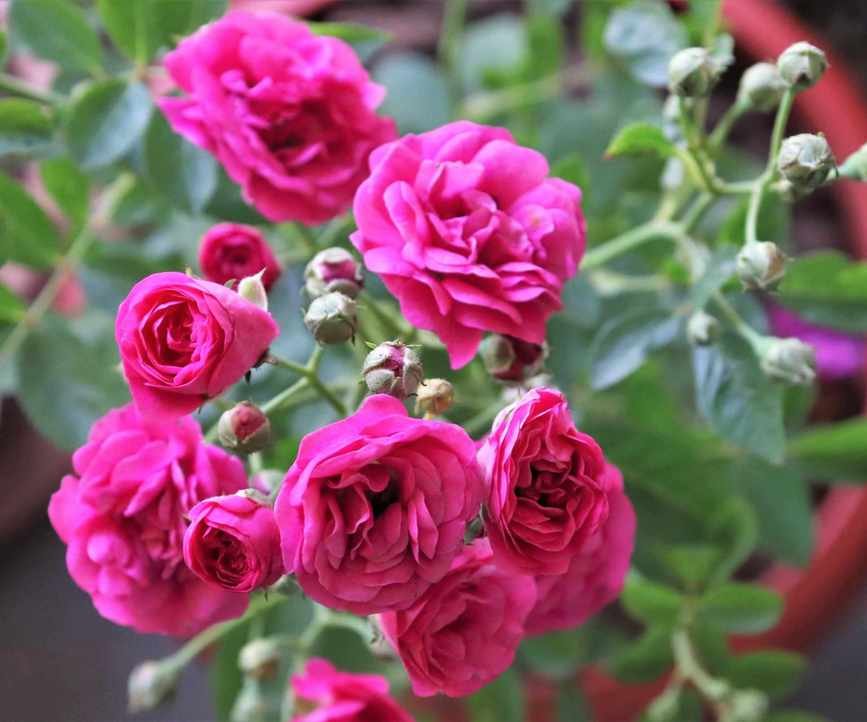
There are varieties of roses for every space and style
Can Roses Thrive in Pots?
If space is tight, opting for container gardening allows you to grow roses. While not every rose type suits pot culture, a diverse selection exists among backyard designs.
Growing roses in pots offers benefits like controlling soil quality and moisture. It also lets you place them in the sunniest spots of your yard.
If you lack soil or have poor-quality earth, potting roses lets you enjoy their beauty. Some varieties can even flourish on balconies.
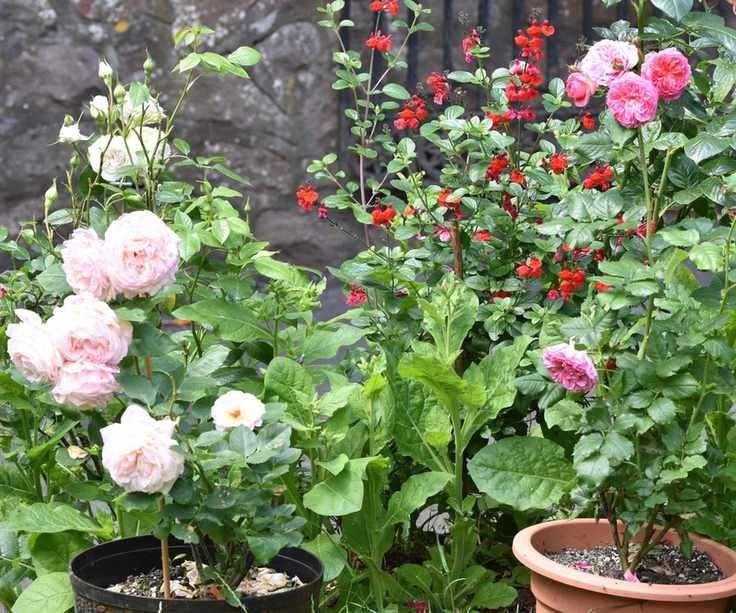
Using multiple pots can create a stunning display
Best Roses for Containers
However, many larger types struggle in pots due to their size and growth habits. Thankfully, plenty of fragrant varieties are suitable.
According to gardening expert Leigh Clapp, 'Patio and miniature rose types are perfect for containers. English roses, with their bushy forms, also adapt well, while standard roses add elegance. Ground-cover and shorter climbing roses work nicely too.'
Miniature and patio roses are bred to be compact, making them ideal for pots. A great choice is the vibrant Red Sunblaze Rose from Nature Hills, which reaches only two feet tall with clusters of double red blooms.
Miniature climbing roses also grow well in pots, reaching about six feet. While shrub or climbing roses can be grown in containers, they need larger pots and support structures to thrive.

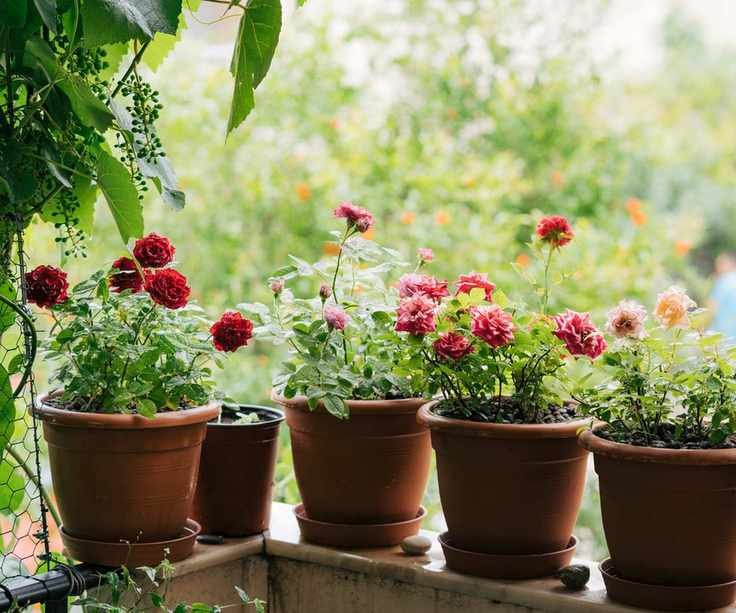
Miniature varieties are perfect for container growth
Planting Roses in a Pot
To ensure your roses thrive, select a spacious pot. They typically develop long roots that seek deep soil for moisture and nutrients.
Choose a pot that is at least 12-18 inches deep and 15 inches wide. Experts suggest a minimum internal capacity of 60 liters for adequate soil depth, noting that larger roses require larger pots.
Fill the pot with quality, well-draining compost. According to renowned gardener Sarah Raven, 'Healthy soil is crucial for rose growth.' Incorporating compost or well-rotted manure enriches the soil.
Avoid using old potting soil or garden soil in your containers, as they may retain too much moisture and risk waterlogging. Ensure your container has drainage holes for excess moisture to escape.
Roses can be purchased bare root or in nursery pots. For both methods, fill the pot halfway with compost. Place the bare root rose over a mound in the center or remove it from the pot and position it on the soil. Fill around the rose with compost, ensuring the graft union sits just above the soil and two inches below the pot's rim.
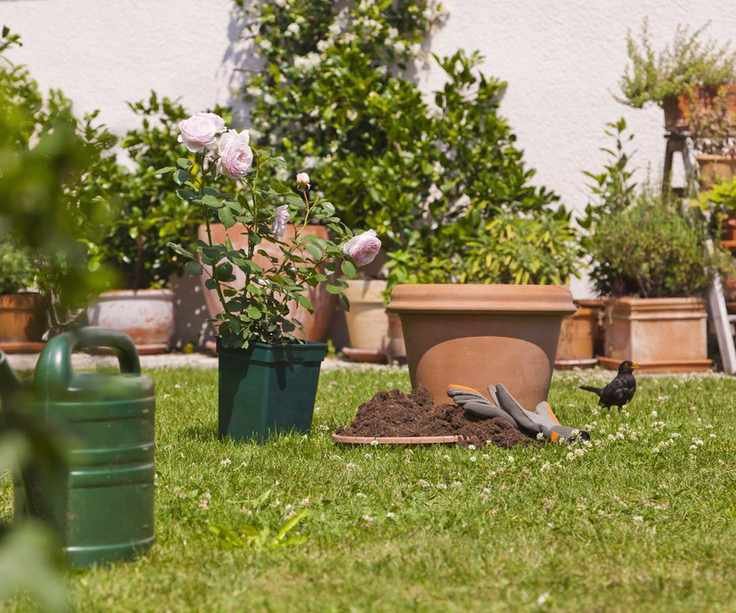
Roses thrive in large pots with rich, well-draining compost
Caring for Potted Roses
Water your newly-planted rose thoroughly and elevate the pot to facilitate drainage. This can be done with pot lifts available on Amazon.
Position your container in a sunny area, such as a south-facing patio. Sarah Raven advises: 'Most roses require full sun for optimal flowering, ideally 50% of the day in sunlight.'
Potted roses will need more frequent watering than those planted in the ground due to limited soil moisture retention. Monitor the pot closely and water regularly, particularly during hot spells. A simple method is to check the soil moisture a few inches down with your fingers.
In addition to regular watering, potted roses also need regular feeding. Use a general-purpose fertilizer in spring and switch to a high-potassium fertilizer, like tomato feed, every two weeks during the flowering season. Cease feeding at the end of August. A good general-purpose option is Natural Organic Rose Bloom Granular Plant Food from Burpee, which offers slow-release nutrients for up to three months.
Annual mulching with a two-inch layer of compost or well-rotted manure is beneficial, and replace the top couple of inches of compost every two years.
As with ground-planted roses, remember to deadhead throughout the blooming season to encourage continuous flowers. Regular pruning is essential for maintaining plant health. Neglecting these tasks can lead to common rose care errors.
FAQs
Can Roses Survive Winter in Pots?
Roses can stay in their pots during winter, but may need protection from harsh weather. Potted plants are more vulnerable to cold and frost, lacking the insulation of ground-planted roses. The American Rose Society suggests that for winter survival outdoors, roses should be hardy to at least two US hardiness zones below your local zone.
How to Protect Potted Roses from Frost?
To shield potted roses from frost, move them to a sheltered area, such as a garden shed or unheated garage, after they have dropped their leaves and become dormant. It's crucial to avoid warming them, as this can disrupt their dormancy. Alternatively, you can bury the pot in the ground or insulate it with mulch.
Growing roses is a delight and easier than many assume. While pests and rose diseases may arise, attentive care can mitigate these issues. Consider using organic gardening practices, including companion planting, to prevent potential problems. If you've always dreamt of having roses but felt limited by garden space, give container gardening a try.
Another option is growing bare-root roses in pots, many of which are shrub varieties that can be pruned for a compact, bushy appearance. The vibrant colors and delightful scents of roses make the effort worthwhile.