Growing Rose Cuttings in Potatoes: A Fun Gardening Experiment
The concept of propagating rose cuttings in potatoes has gained popularity, appearing in various online discussions as a simple and cost-effective gardening trick. The idea of cultivating new rose bushes without spending a dime is appealing to many gardeners, including myself. This widespread interest is leading more people to experiment with the method.
Using potatoes is said to help maintain moisture for the rose cuttings while also providing essential nutrients as they establish roots. The process is quite straightforward, but does it actually work? I set out to find out.
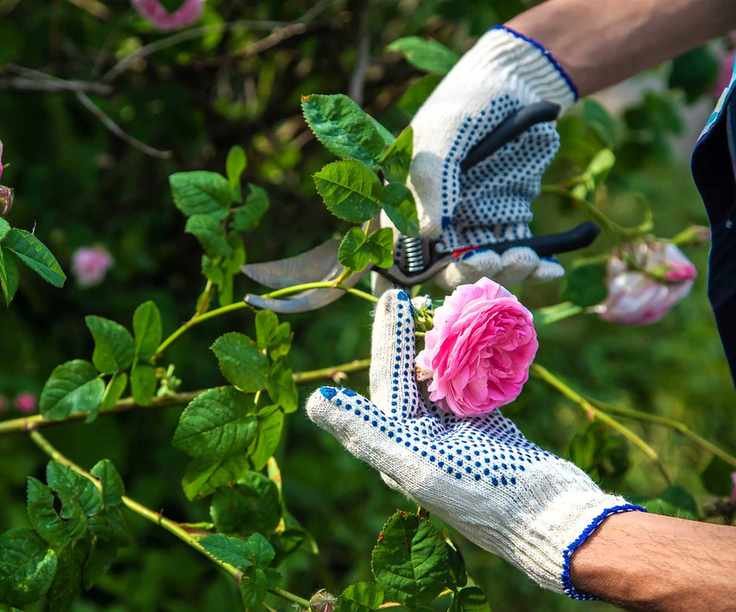
Growing roses from cuttings can expand your garden without extra costs
Does propagating roses in potatoes actually succeed?
While the idea of using potatoes for rose cuttings has certainly caught the eye of social media users, the results appear to be inconsistent. A look through comments on a recent post about the 'potato-rose' technique by Noah Young, a homesteader and YouTuber from Nebraska, reveals that many have reported more success with growing potato plants instead of roses. In some cases, the attempt may yield no growth and just a foul odor from the decomposing potato.
However, if you have an extra potato and some rose clippings ready to go, why not give it a shot? Gardening is all about experimentation, and you might just be surprised by a successful outcome.
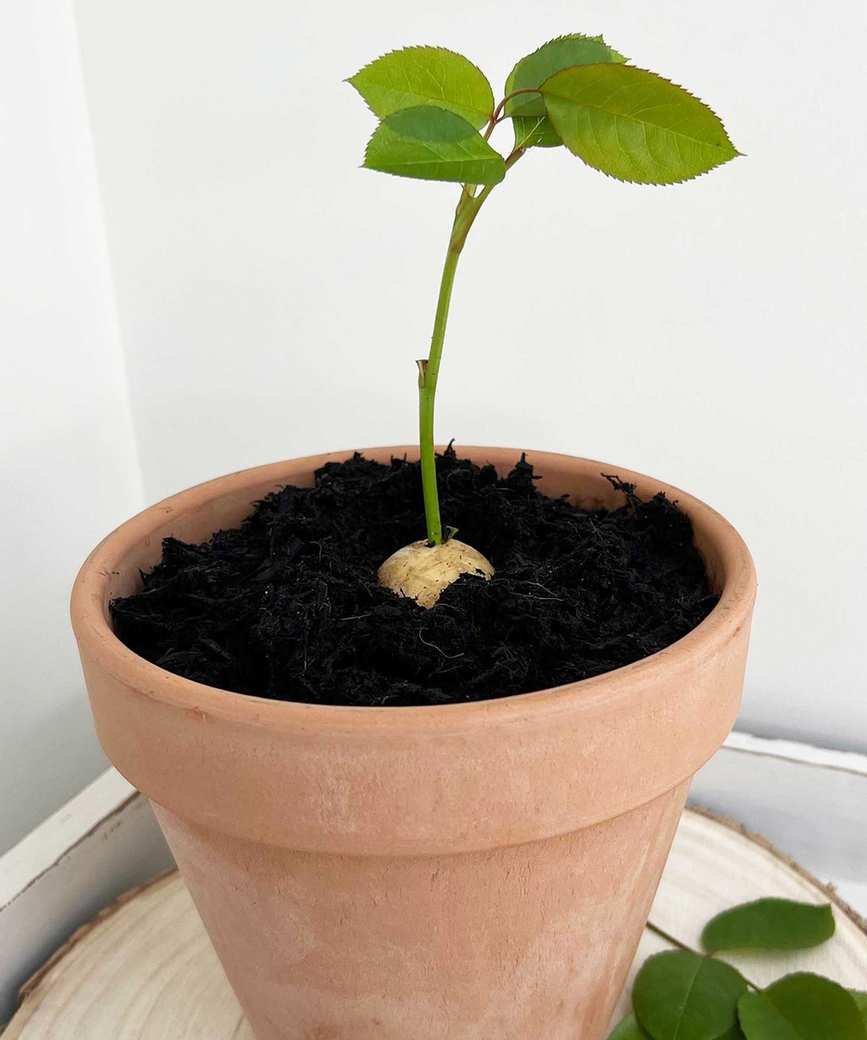
This simple trick is easy to try at home
Steps to propagate roses using potatoes
Bryan Clayton, a gardening and landscaping expert, shares his technique below. Although he has attempted this method, he cautions that success isn't guaranteed.
- 'Choose a healthy rose stem, preferably around nine inches long, and cut the base at a 45-degree angle,' Bryan recommends. 'This helps with water absorption and root growth.' Remember to wear gloves to protect against thorns.
- 'Dip the cutting in a rooting hormone. While this step is optional, it can greatly enhance your chances of success,' he notes. A popular option is Bonide Bontone II Rooting Powder, available on Amazon. Some experts, including Noah, recommend dipping the end in honey as a natural rooting stimulant.
- 'Make a hole in the potato using a clean screwdriver or similar tool,' Bryan continues. 'The hole should be just the right size to fit the cutting snugly.' Avoid puncturing through the entire potato.
- 'Insert the cutting into the potato,' he advises. 'Then, plant the potato in a pot or directly in your garden. Cover the potato completely with compost, ensuring that the top third of the cutting remains above the soil surface.'
- 'Water it thoroughly and keep the soil moderately moist until you see new growth.'
'Be cautious with watering, as too much can lead to rotting of both the potato and the cutting,' warns Tony O'Neill, a gardening expert. 'Although potatoes can aid in root development, they don't substitute for the importance of well-drained soil and a sunny, sheltered spot.'

Tony O'Neill is a seasoned gardening expert, author, and educator. His passion lies in simplifying gardening practices, and he has reached a wide audience through his popular YouTube channel and website, SimplifyGardening.com. His expertise helps individuals create flourishing gardens and connect with nature.
You can also incorporate gardening expert John Negus' suggestions for propagating roses to boost your chances of success. He recommends pinching the shoot tips once the cuttings develop 4-5 inches of new growth to encourage bushier plants.
If you start your potato roses in a pot, consider adding beneficial mycorrhiza, such as Mycorrhizal Inoculant by Dynomyco from Amazon, when planting in the garden to promote a robust root system, he adds.
Tip: As the Royal Horticultural Society advises, it's essential to note that certain roses are protected by Plant Breeders' Rights, meaning you can't propagate them for commercial purposes.

John Negus has been a garden journalist for over 50 years and frequently answers readers' inquiries in Amateur Gardening magazine. He has authored four books and has given numerous talks on horticulture.
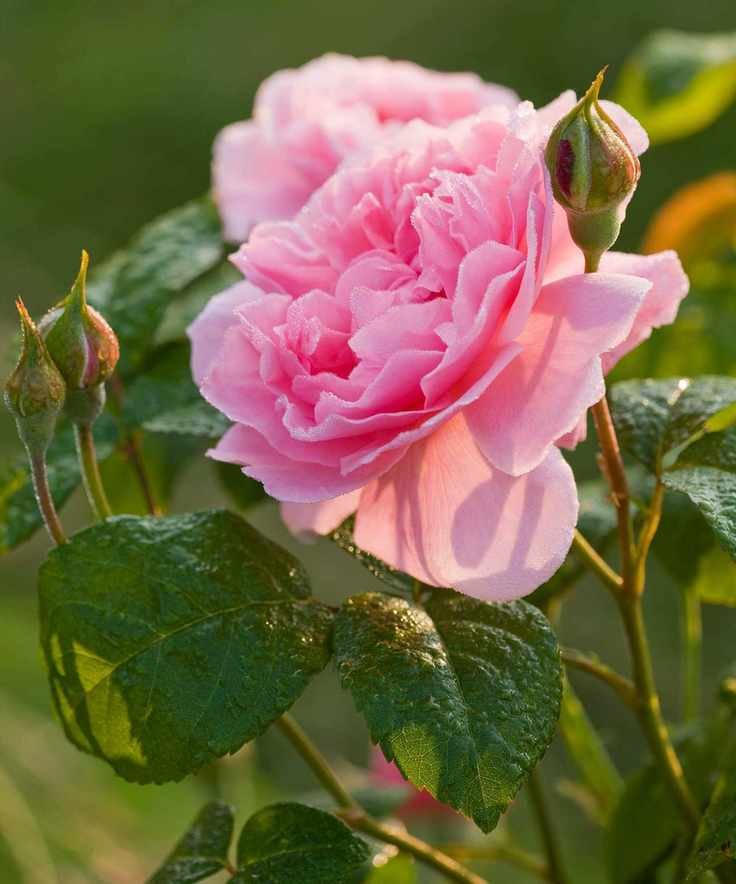
Roses are beloved summer bloomers
It's not just potatoes that are used — you might have also seen rose cuttings being grown in onions and bananas online. However, given the unpredictable outcomes, it might be wiser to stick to traditional methods like rooting rose cuttings in water for more reliable results. In that case, it's best to leave fruits and vegetables out of the equation.