Growing Hibiscus: Tropical Blooms for Your Backyard Oasis
Hibiscus flowers infuse any environment with vibrant color and a tropical feel, whether nestled in a garden bed or perched in a container by your entrance. If you're searching for backyard inspiration to enhance your outdoor living space, hibiscus is a fantastic choice. With an array of species and varieties, you can find blooms in nearly every hue—from pinks to whites, yellows to deep purples.
There are two primary types of hibiscus: hardy and tropical. Your climate will dictate which variety thrives best in your garden. Hardy types are typically found in North America, while tropical varieties flourish in warmer, subtropical areas.
Both evergreen and deciduous hibiscus types are prized by gardeners, known for their stunning flowers.
Historically, hibiscus has been celebrated across cultures, with roots tracing back to ancient Egypt. In the U.S., the yellow hibiscus, Hibiscus brackenridgei, holds the honor of being Hawaii's state flower, also known as 'Pua Aloalo' or 'Ma`o-hau-hele.' This species grows throughout Hawaii but is now endangered.
To add a tropical touch to your home, find out how to cultivate and care for hibiscus, ensuring an abundance of eye-catching blooms.

Expert Tips for Growing Hibiscus
Our straightforward guide will help you establish a hibiscus shrub in your yard, transforming it with lush, trumpet-like flowers this season. Fortunately, these plants are easy to propagate, and typical pests or issues are manageable.
Key Considerations for Growing Hibiscus
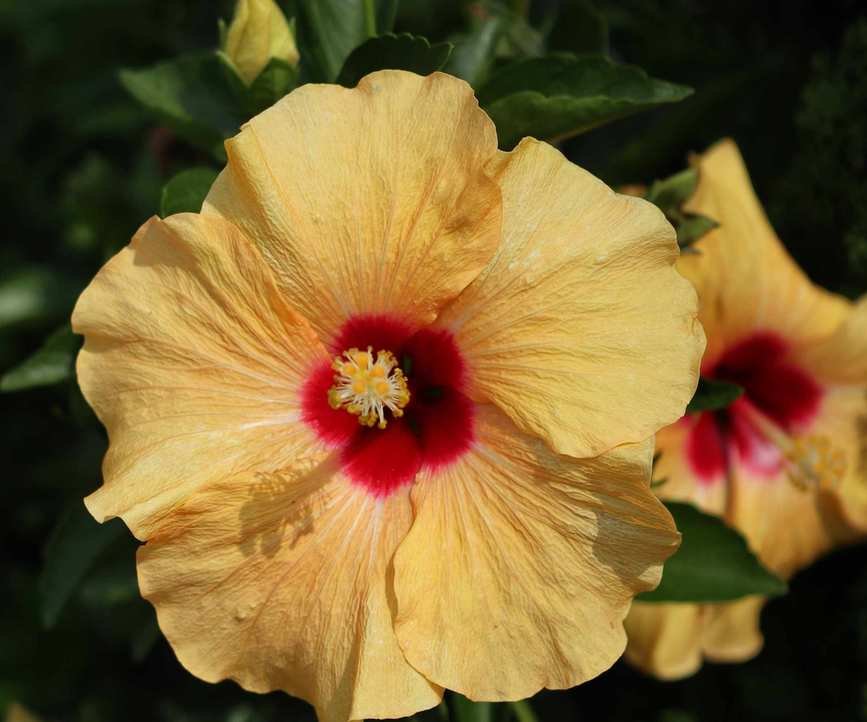
Before you start growing hibiscus, choose the right variety for your needs. "There are two main types: tropical and hardy perennial," explains Tricia Hunt, a plant expert. "Both are beautiful but require different care."
Hardy hibiscus can thrive in US hardiness zones 4 to 9, while tropical varieties flourish in zones 9 to 11. Both prefer acidic soil, and a handy tip is to add coffee grounds to enhance soil acidity. They can thrive in both the ground and containers, displaying vibrant colors and blooms unlike any other flowering plants.
Another perk of hibiscus is that all types attract hummingbirds and pollinators, drawn to their trumpet-shaped flowers. Your garden will buzz with life once they bloom.
If you wish to grow a tropical variety in a colder region, consider winterizing your hibiscus. This involves keeping the plant in a container outdoors during warmer months and moving it inside before the cold sets in. Cold temperatures can severely harm tender species.
How you maintain and plant your hibiscus will depend on whether it's a hardy or tropical type and whether it's indoors or outdoors.
Find Hardy Hibiscus Plants
Hibiscus Kopper King: This hardy species, Hibiscus x moscheutos 'Kopper King', features white and light pink blooms with a striking red center and copper-red, lobed leaves.
Hibiscus Midnight Marvel: Known for its vibrant red flowers, Hibiscus moscheutos 'Midnight Marvel' boasts dark, almost black foliage that makes the red flowers pop.
Hibiscus Lady Baltimore: With large satin-pink blooms and scarlet centers, Hibiscus moscheutos 'Lady Baltimore' is an ideal choice for sunny borders or sizable containers.
General Guidelines for Planting and Caring for Hibiscus
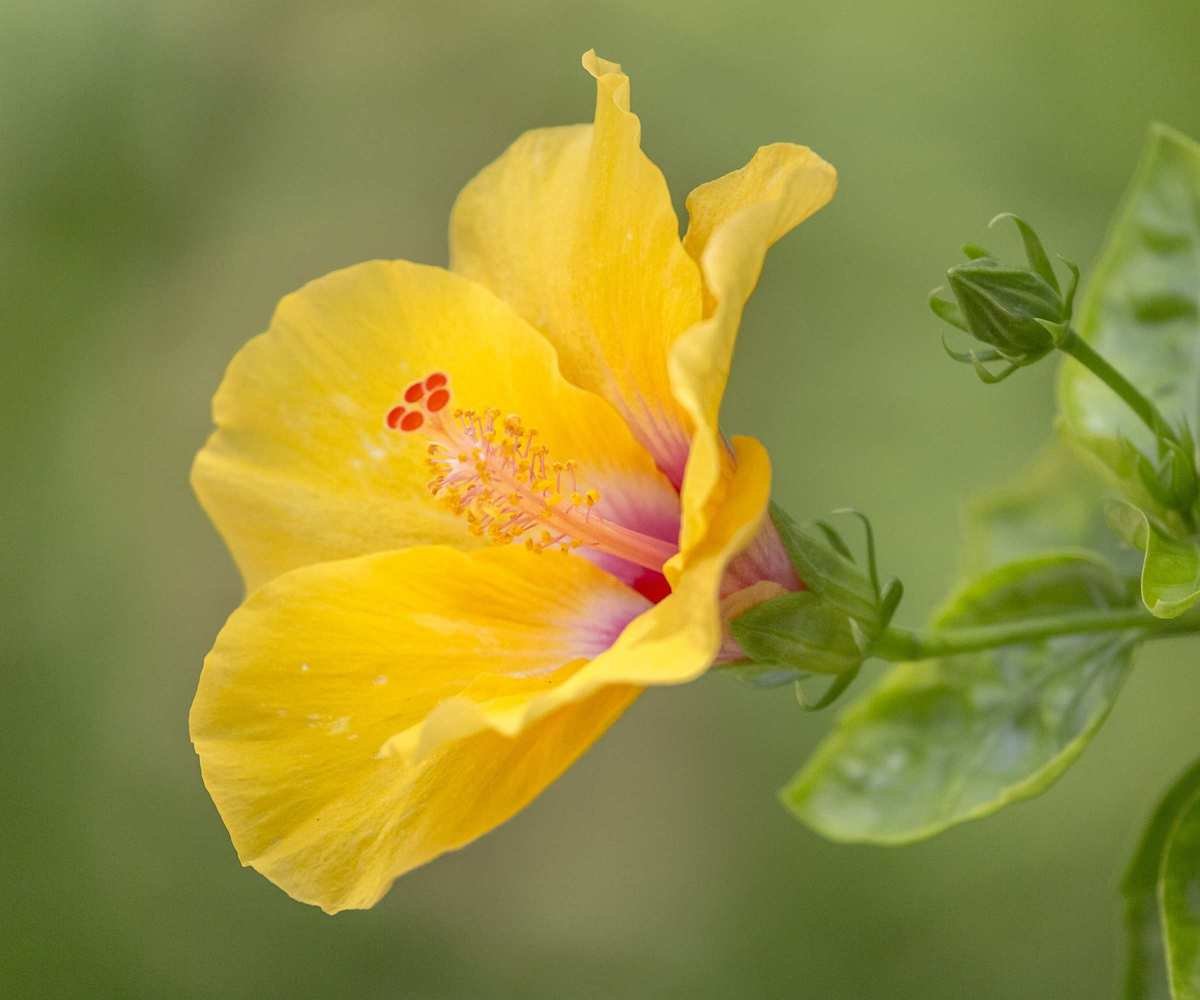
- Soil: "Improve the soil by mixing in organic, nutrient-rich compost during planting," suggests Tatiana Anderson. In areas with poor or alkaline soil, hibiscus may show signs of iron deficiency, such as yellow leaves. To address this, you can use a product like Soil Acidifier from Garden Goods Direct. If planting in a container, choose well-draining, acidic soil rich in organic matter. Note that the soil's acidity can influence flower color; if blooms aren't as expected, check the soil pH with a device like this Soil pH Meter from Walmart.
- Light: Most hibiscus varieties thrive in partial to full sunlight. While they can grow in shade, be aware that insufficient light may lead to fewer blooms. More sunlight typically means more flowers.
- Watering: Water consistently after planting, checking soil moisture, especially during dry spells. "Hibiscus loves water," says Tatiana, "but avoid soggy soil." Ensure proper drainage by using suitable materials during planting and well-draining soil. Regularly monitor the soil after watering to ensure it drains effectively.
- Fertilizing: "Hibiscus are heavy feeders," Tatiana notes. Opt for a fertilizer high in phosphorus, like Organic Bone Meal from Walmart. While fertilizing can encourage flowering, if your plant is in the wrong spot, like too much shade, feeding won't help and can even harm it.
- Pruning: "Hibiscus respond well to pruning," says Tatiana. Correct pruning leads to bushier growth. While techniques may vary by species, most benefit from regular trimming to prevent legginess. Tropical types prefer spring pruning, while hardy varieties should be pruned in fall after leaf drop.
- Additional Tips: Hibiscus are prolific bloomers, but individual flowers typically last just a day or two. Once flowering begins, remember to deadhead spent blooms regularly. For container-grown plants, ensure consistent watering and feeding throughout the growing season, and bring tropical varieties indoors before frost.
Common Questions
What's the Best Time to Prune Hibiscus?
Pruning timing depends on your hibiscus variety. Tropical types should be pruned in spring when frost danger has passed, while hardy varieties are best pruned in late fall or early winter. Remove dead or diseased stems and old wood, and shape the plant for a compact appearance.
When Should I Plant Hibiscus?
Spring is the ideal time to plant hibiscus, allowing them a full growing season to establish roots. While fall planting can work, be cautious of cold weather that might damage young plants.
Hibiscus flowers can bring stunning color and presence to any garden. During the growing season, consider learning how to harvest hibiscus seeds. You can grow new plants to enrich your garden. For seasonal care, check our guide on what to do with hibiscus in the fall to keep your plants thriving through winter.