Exploring Different Stone Flooring Options for Every Room
Stone flooring options are available to complement all interior styles, from luxurious marble and refined slate to resilient limestone and attractive sandstone.
Natural stone floors are just one of the numerous flooring options for your home, but they shouldn't be overlooked. These stunning and durable surfaces can be a fantastic addition to your home's design.
Known for their durability, stone flooring is typically favored for kitchens and modern hallways. However, it can be suitable for almost any room. For instance, a marble floor in the living room instantly adds elegance, while flagstone in a bedroom, especially with a cozy rug, creates a rustic vibe.
Stone floors resist moisture and humidity, ensuring they won't warp like wood, making them an excellent choice for bathrooms as well.
Various Types of Stone Flooring
Many types of stone flooring exist, including marble, limestone, sandstone, and granite. The choice of stone often depends on the room and the desired aesthetic.
Both flagstone and limestone are ideal for kitchens due to their durability, while marble adds a touch of luxury to bathrooms.
Selecting a stone floor is a significant decision that requires thoughtful planning. 'Investing in a stone floor is a long-term commitment, so it's vital to feel completely confident in your choice,' advises an industry expert. 'Opt for a neutral floor and introduce color through paint and accessories, as repainting is easier than replacing flooring.'
Limestone: A Versatile Choice for Any Room

Limestone is favored for its durability and rustic charm, making it perfect for high-traffic areas like kitchens and hallways. Available in a spectrum of natural hues, from bright white to deep coal-black, it suits various design themes and effectively conceals stains.
Each limestone piece is unique due to its natural veining, adding visual appeal to your interior. The stone comes in various textures, ranging from smooth to rough.
Keep in mind that limestone varies in density; higher density options offer better stain resistance and durability.
Slate: Instantly Adds Character
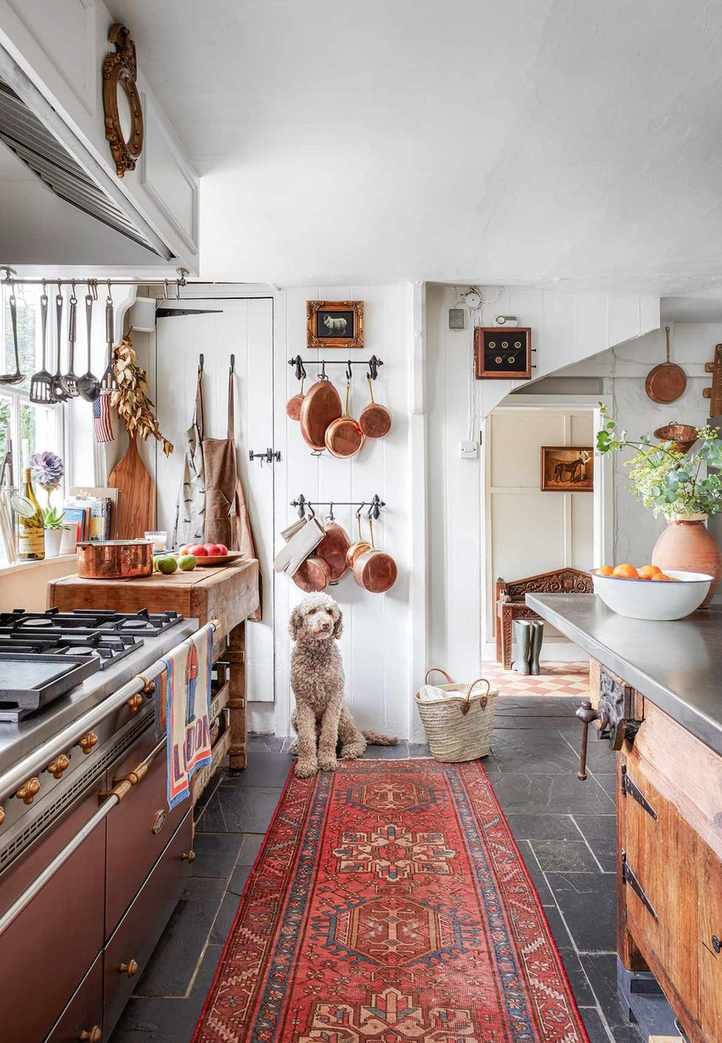
Slate's simplicity and clefted texture make it a striking choice, especially in country kitchens.
Low maintenance and easy to clean, slate is also durable and water-resistant, ideal for central areas in the home.
Consider whether the slate tiles are calibrated or uncalibrated. Uncalibrated slate needs leveling during installation, requiring professional installation, while calibrated tiles allow for easier and more uniform installation.
If you're thinking about underfloor heating, slate is an excellent conductor of heat, perfect for chilly stone floors.
Marble: For a Touch of Luxury
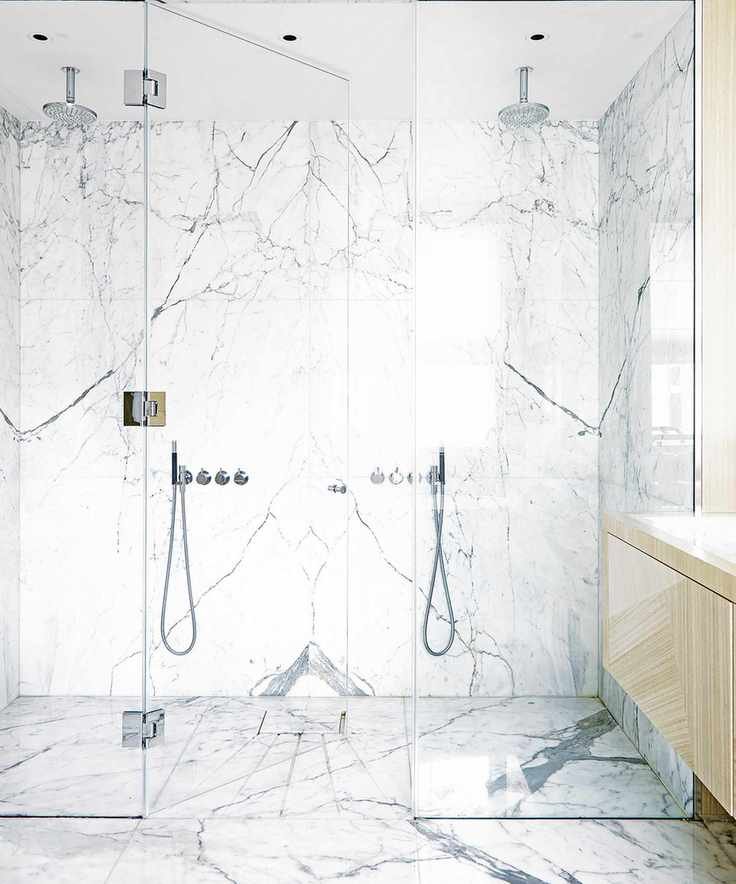
Marble is synonymous with luxury, often used in grand monuments and upscale buildings.
Available in various colors and patterns, marble boasts a natural translucence and can be honed or polished. While stunning, polished marble can be slippery when wet.
This luxurious choice comes at a cost; consider using it to enhance your master bathroom's aesthetic, perhaps extending the marble to the walls for a spa-like ambiance.
Due to its porous nature, marble must be sealed thoroughly to prevent stains. It's best avoided in kitchens, as it can easily be damaged by acidic substances.
Granite: The Most Durable Stone Flooring

In high-traffic areas like hallways and kitchens, granite is a top choice due to its strength and resistance to spills and scratches.
'For busy spaces, choose stone with a smooth surface that resists dirt collection,' suggests an expert. 'Materials with scattered shells or fossils can help hide dirt effectively.'
Granite's strength doesn't compromise its beauty; its rich colors and textures add sophistication to any setting.
Flagstones: For a Rustic Aesthetic

Flagstone is a staple in farmhouse kitchens, characterized by its large slabs and rustic edges.
However, these beautiful stones can complement modern kitchens too, as seen in this Georgian-style space featuring flagstone that enhances the overall charm without overpowering it.
Sandstone: An On-Trend Option

Each piece of sandstone is distinct, adding a unique touch to your space. This stone is especially popular in country-style kitchens.
'Currently trending are buff sandstone tiles, which provide a neutral palette with soft tones and texture, ideal for kitchen flooring,' explains an industry professional. Sandstone is durable and practical, offering grip underfoot.
A riven finish accentuates the tiles' depth, while lighter shades can brighten a room. However, sealing is necessary to prevent water absorption, as sandstone is naturally porous.
Maintaining Original Stone Floors

If you're fortunate enough to have original stone flooring, it's crucial to maintain it properly.
'Preserve original stone floors carefully and avoid aggressive cleaning, which can damage them. Caution is key; even clean water can harm the stone,' advises an expert.
For maintaining these floors, always use non-acidic cleaners to keep their natural beauty intact.
If you lack an original floor but want to replicate its charm, reclaimed stone flooring options are available. These retain their unique patina and have proven durability.
Creative Laying Patterns for Stone Floors
When thinking of stone flooring, large flagstone tiles often come to mind. However, there are many creative ways to lay them.
Adding Interest with Patterns

Herringbone patterns work well with rectangular stones, elongating spaces and creating visual appeal.
When deciding how to choose the best kitchen flooring, timing is critical. 'Install flooring before your new kitchen for a level base and easier furniture rearrangement later,' suggests an expert. It's essential to hire a stone specialist for installation.
Using Checkerboard Patterns for Visual Impact
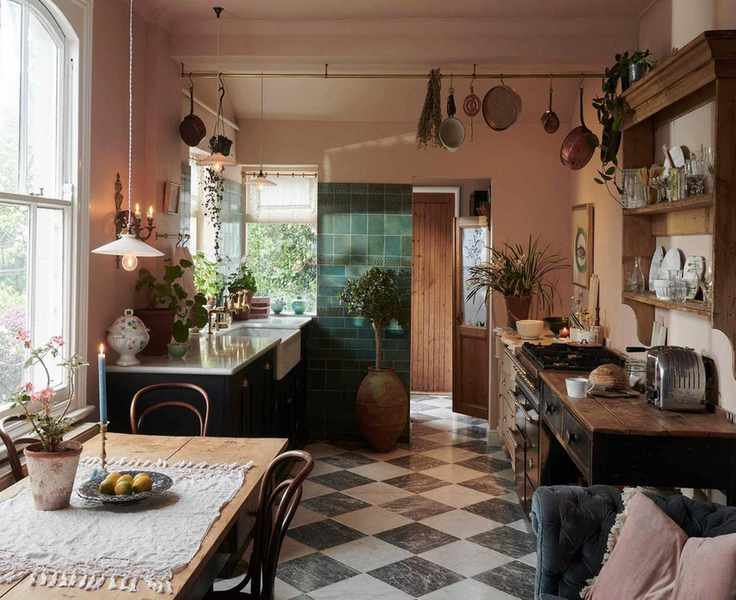
Patterned flooring can be achieved with natural stone, offering various colors to create unique designs. For instance, a stunning black and white marble checkerboard adds character to any kitchen.
Laid in a diamond pattern, it enhances the charm of vintage kitchen decor.
Large Format Tiles for Small Kitchens
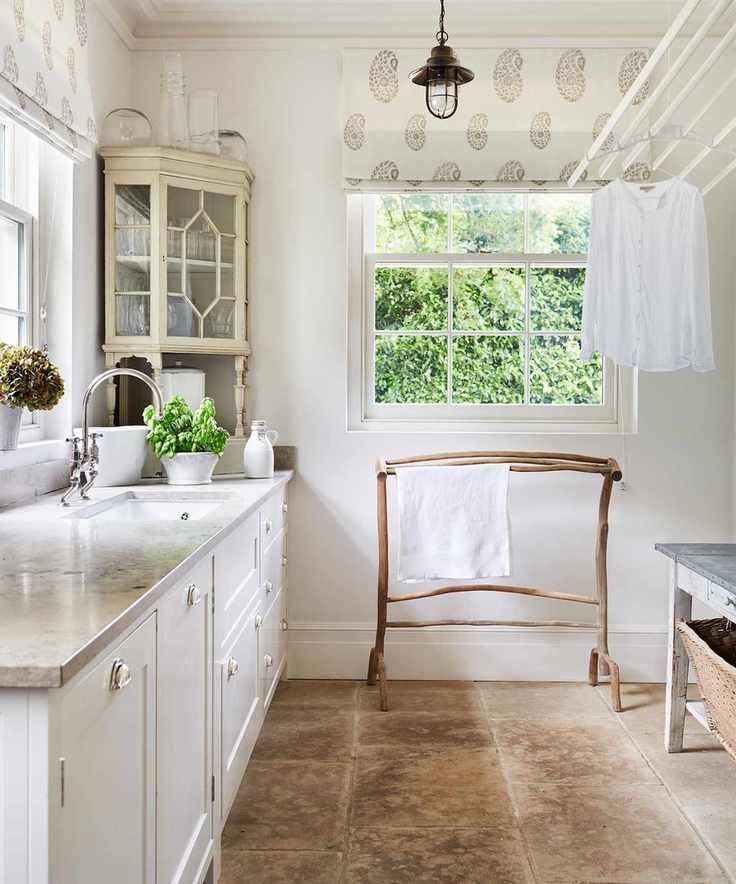
Small kitchens require strategic planning to maximize space. Choosing the right flooring can create a sense of openness.
'Larger tiles can actually make a small kitchen feel more spacious, as smaller tiles create more grout lines that can close in the area. A versatile 900 x 600 tile size works well in both small and large spaces,' suggests a flooring expert.
Are Stone Floors Costly?
Stone floors can vary in price, starting around $55 per square meter or £40, with rarer stones costing more.
Consider ongoing maintenance costs, as stone floors require care over time. Most need resealing every four to five years, but maintenance needs can differ based on the stone type.
Radiant Heating with Stone Floors
Yes, stone floors are compatible with radiant heating. 'Stone conducts heat well, making it perfect for underfloor heating systems, ensuring a warm surface on cold mornings,' advises an expert.
When planning for radiant heating, remember that thicker stones can reduce efficiency. Slate, limestone, and marble are excellent choices.
'Many believe only specific tiles suit radiant heating, but that's not true. Always choose a stone you love while confirming it's suitable for heating. Natural stone tiles are generally thicker, which may take longer to warm up but retain heat longer due to their density.'