Essential Tips for Thriving Fuchsias: Care for Stunning Blooms
Caring for fuchsias is a rewarding experience. Grow these gorgeous flowers in pots, borders, or window boxes for long-lasting displays.
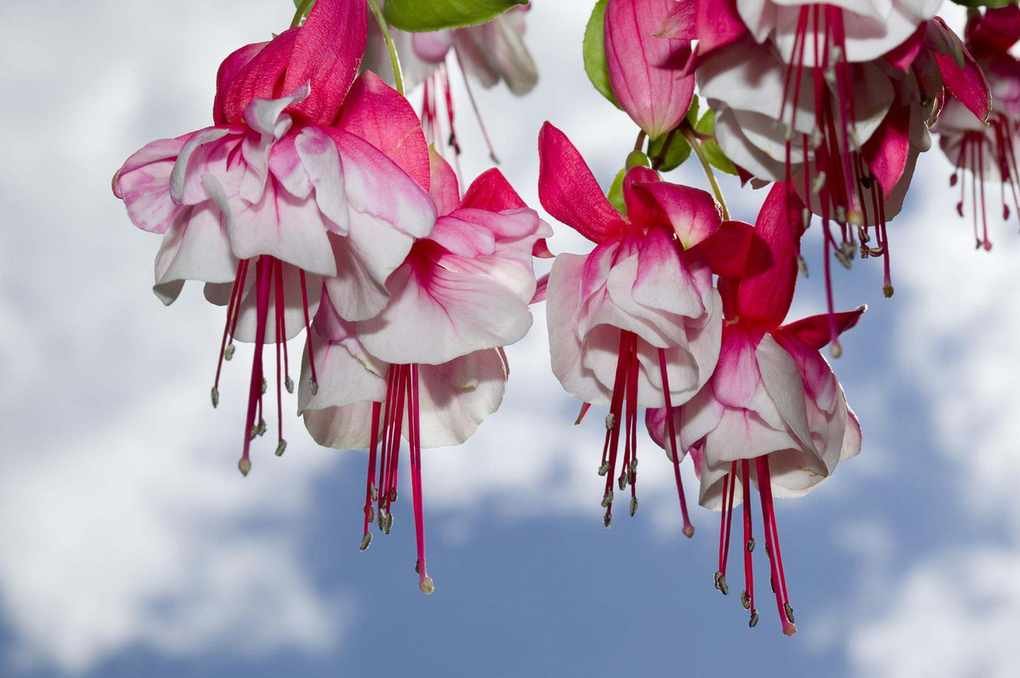
These plants are cherished for their bell-shaped flowers, available in a spectrum of colors from white to red. With thousands of varieties ranging from tiny to large, you're sure to find a favorite for your garden.
Fuchsias attract hummingbirds and pollinators, proving their versatility. They work well as climbers, informal hedges, or standard shrubs. Notably, the flowers and berries are edible, offering a unique peppery flavor perfect for jams and desserts. Get acquainted with these beautiful blooms using our practical guide.
Essential Care for Fuchsias
Originating from Central and South America, fuchsias require minimal maintenance to flourish. They fall into two categories: tender and hardy. Understanding your plant's needs is crucial for optimal growth.
Hardy fuchsias, native to Argentina and southern Chile, are perennial shrubs suitable for USDA zones 6-7. They bloom from spring to fall and can reach heights of 4 to 10 feet (1.3m).
Tender fuchsias act like annuals in zones 10-11, despite being perennials. Their vibrant flowers bloom from late spring to fall, but they die back in winter. Upright varieties make perfect centerpieces in pots, while trailing types suit containers and window boxes. Tender fuchsias can also be shaped into 'lollipop' standards.
The charm of fuchsias lies in their delicate flowers. Familiarizing yourself with flower anatomy can clarify plant descriptions and aid in identifying varieties. The terms sepal, tube, and corolla describe the different parts of fuchsia flowers.
Preferred Growing Conditions for Fuchsias
Fuchsias are low-maintenance plants, perfect for busy gardeners. According to horticulturists, they thrive in gardens with moist, well-drained soil, light shade or full sun, and protection from harsh winds.
These plants don't like extremes, so steer clear of overly wet or dry soil, cold spots, or deep shade, which can hinder flowering.
For hardy varieties, plant in early summer for blooms until frost. Remove from the nursery pot and plant with the top of the root ball about 2 inches (5cm) below the soil surface. Keep well-watered until established.
Tender fuchsias should be planted after the last frost. Pick a sunny or partially shaded area with well-draining soil. Water regularly while establishing, avoiding both dry and overly wet conditions.
Caring for Container Fuchsias
A peat-free multi-purpose compost is ideal for all fuchsia types in pots or baskets. Opt for compost with slow-release nutrients to kickstart young plants. Ensure containers have adequate drainage, using crocks or stones at the base before adding compost.
Larger pots retain moisture longer, reducing watering frequency. However, as plants grow, their water needs increase.

Common Issues with Fuchsias
Fuchsias are generally low-maintenance but may show yellowing leaves if nutrients are lacking. Regular liquid feeding can remedy this.
While fuchsias face few pests, watch for the Fuchsia gall mite, which feeds on new shoots. Prune any infected growth to prevent rapid spread, and consider spraying infected plants with horticultural oil or insecticidal soap.
Understanding how to overwinter fuchsias is essential for their survival in colder months.
Do Fuchsias Need Pruning?
Pruning is optional but can enhance the appearance of bush and standard fuchsias. For bush varieties, aim for a rounded dome shape. To encourage bushier growth and more blooms, pinch the tips of each plant while they're still small.
For standard or 'lollipop' plants, keep stems clear of shoots and trim the crown to maintain shape. Pinching out tips fosters side shoots without removing the main stem until it reaches the desired height.
Prune hardy fuchsias in spring when new growth appears. Cut back old stems to a pair of buds near the base. Avoid fall pruning to prevent frost damage.
For climbing fuchsias, prune the oldest stems in spring when new buds begin to break and reduce remaining stems to control vigorous growth.