Designing Your Mediterranean Garden: Planting and Landscaping Tips
Creating a Mediterranean garden is more achievable than you might think. With the expectation of hotter, drier summers, cultivating drought-resistant gardens has become important.
A Mediterranean garden thrives with low-maintenance, aromatic plants; gravel and paving take the place of labor-intensive lawns. Incorporate seating areas and potted plants to capture the essence of sunnier regions.
Choosing Plants for a Mediterranean Garden

According to garden designer James Basson, "Herbaceous plantings in dry Mediterranean landscapes can be risky; excessive herbaceous plants can lead to hay during the crucial summer months. While spring blooms are delightful, gardens must endure dry periods."
"Evergreen shrubs are fundamental to Mediterranean gardens; they provide reliable interest. Even if they stop flowering, they maintain presence throughout summer," he adds. Plants like Pistacia lentiscus and Juniperus phoenicea contribute to long-lasting structure.
Key Plants for Your Mediterranean Garden
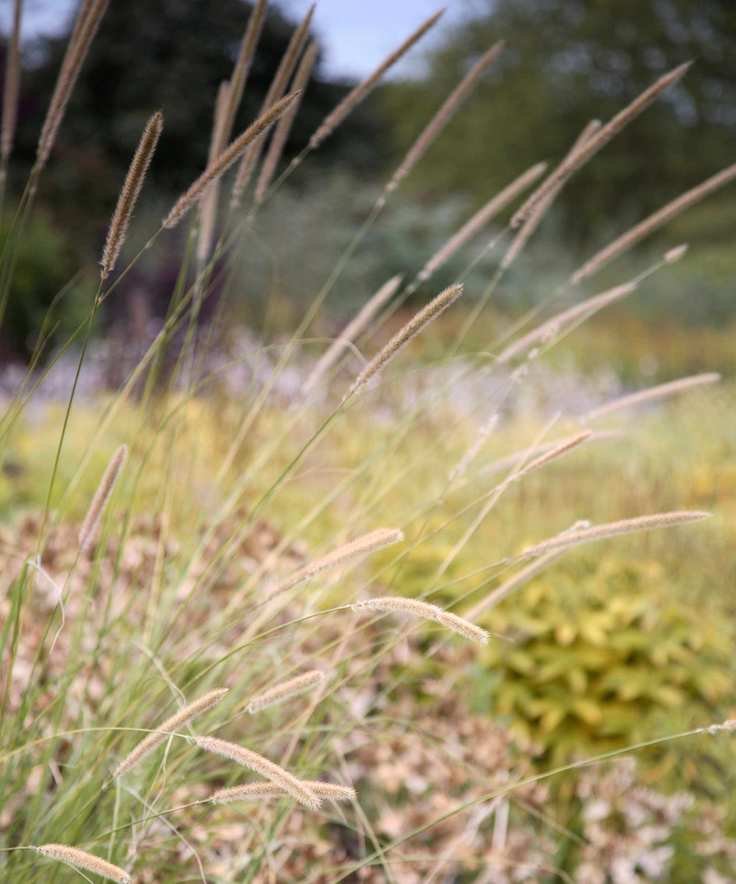
To evoke a Mediterranean feel, experiment with diverse plants.
You don't need to reside in Italy or Spain to include herbs, shrubs, and flowers from these regions. You can recreate this vibe in a sheltered border or patio.
Many drought-resistant Mediterranean plants also feature on lists for creating dry gardens.
"Mediterranean plants tend to be short-lived; without careful maintenance, they can fade away. Pruning extends their longevity while selectively weeding allows for self-seeding in desired areas," says Basson.
In late winter, acacias and citrus trees shine; spring brings crocuses, ornamental grasses, and cistus; summer showcases bougainvilleas, pelargoniums, and olive trees. In fall, enjoy cyclamen and rosemary blooms year-round, with architectural palms adding height and elegance.
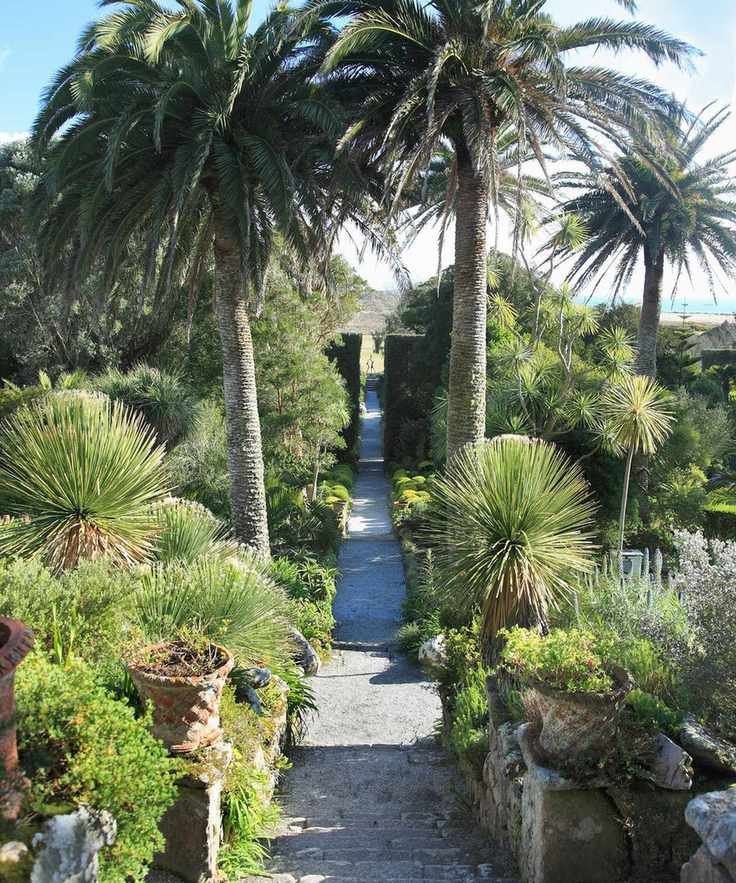
Classic choices for a Mediterranean garden include:
- Olive trees
- Citrus plants
- Agave
- Agapanthus
- Lavender
- Rosemary
- Herbs
- Pelargoniums
- Bougainvillea
- Palms
- Cypress
- Yuccas
"Ornamental grasses create cohesion, blending herbaceous and shrubby plantings. Grasses like Hyparrhenia hirta provide year-round interest, even when dormant in summer," notes Basson.
Planting Techniques for a Mediterranean Garden
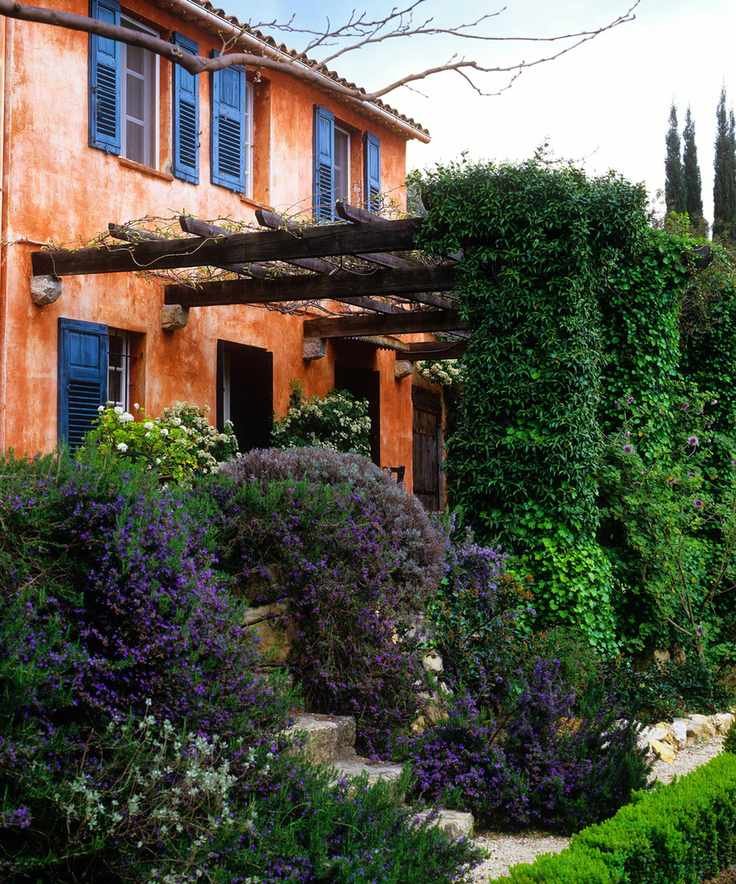
Spring is ideal for planting a Mediterranean garden when the soil warms up, avoiding root rot from wet winters.
Select appropriate plants for specific locations, taking soil and sun exposure into account. The closer you mimic native conditions, the better the plants will thrive.
"Mediterranean plants prefer long, sunny days for optimal growth, so avoid shaded areas under large trees," advises Peter Jones, garden manager.
Consider these planting tips:
- Choose free-draining sites; avoid waterlogged areas in winter
- Be mindful of frost pockets in your garden
- A south-facing area that enjoys sun all day is ideal
- Mediterranean plants generally thrive in nutrient-poor soil, so avoid fertilizing
- Prune rosemary, lavender, and cistus after flowering to prevent legginess
Drought-tolerant plants often form communities, so repeat a few plant varieties instead of diversifying too much.
Design Concepts for a Mediterranean Garden
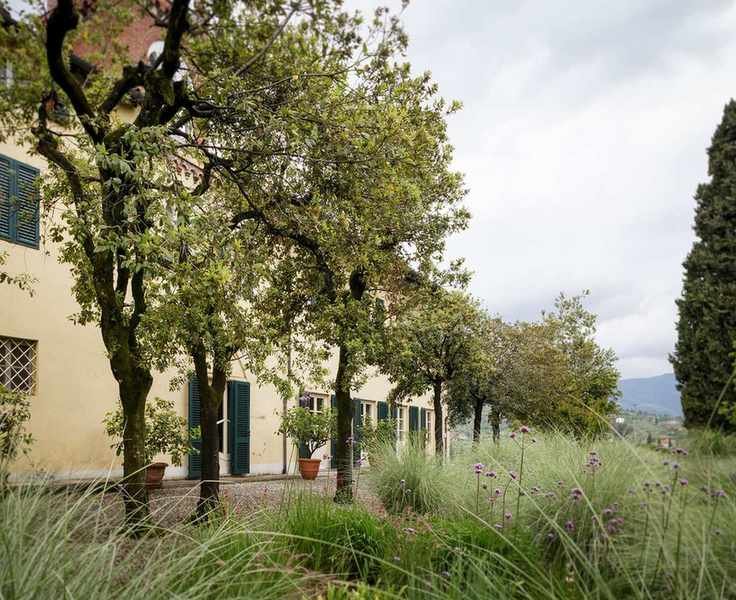
A sunny slope is perfect for a Mediterranean garden since drought-tolerant plants thrive in freely draining soil. However, any sunny area will suffice, especially with a gravel mulch to keep roots dry.
Consider using a wooden boardwalk to evoke romantic sand dunes. Draw inspiration from rock gardens by edging with rugged stones and gravel to mimic coastal landscapes. Plant ornamental grasses and shrubs reflecting arid scrubland.
Maximize dry soil by planting combinations like Stipa gigantea (golden oats), Santolina chamaecyparissus (cotton lavender), nepeta, salvia, and small hebes.
Landscaping Your Mediterranean Garden
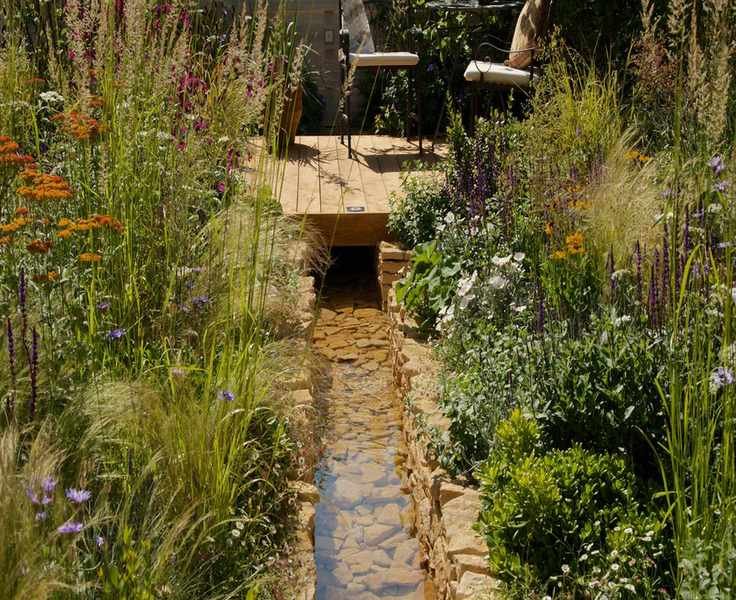
When designing a Mediterranean garden, Basson emphasizes working with natural landscape features. "The Mediterranean landscape is mineral-rich, with abundant stone. Stone adds space and tranquility to plantings. Irrigated lawns have no place here; instead, use gravel and sand to create a natural atmosphere."
Gravel and warm-hued paving are staples of Mediterranean design, with terraces ideal for outdoor dining.
Prevent self-seeding by laying landscape fabric over soil, cutting crosses for plants, and covering with gravel. Choose gravel colors that complement other hardscape materials.
For small gardens, this method reduces maintenance by replacing lawns with gravel and paving while adding ground cover and containers for softness.
Design informal, relaxed spaces with fragrant, textured plants and rustic details. Balancing structure with planting creates a weathered ambiance.
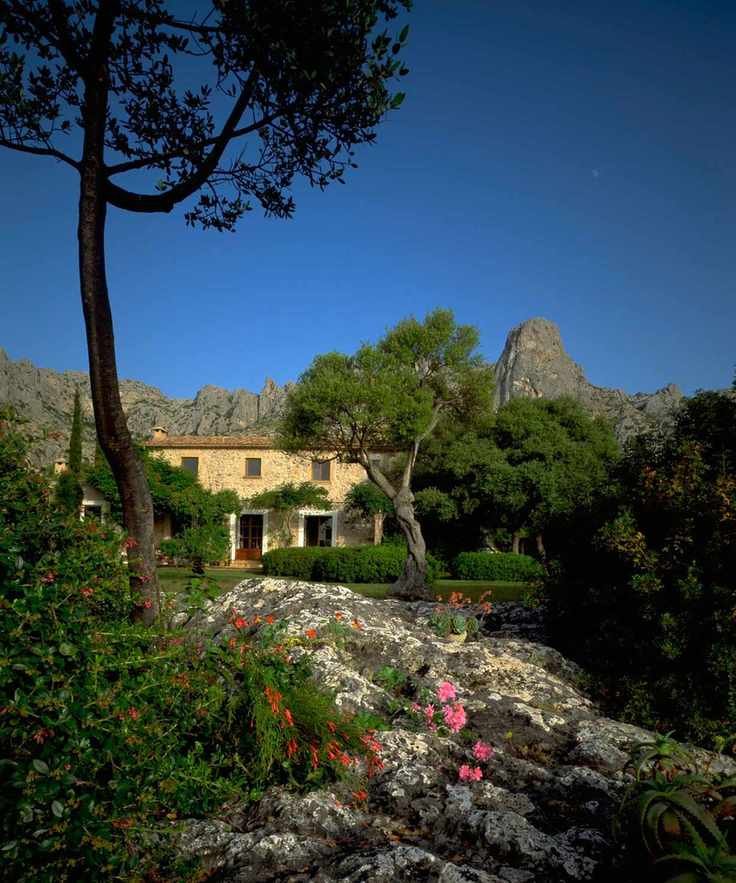
Terraced areas with stone walls, natural stone paving, and limewashed walls are common, with potential for colorful mosaics in walls and patios.
"Dry stone walls reflect the landscape and are crucial for any Mediterranean garden. They define levels and shape the space effectively," Basson explains.
Creating Shade in Your Mediterranean Garden
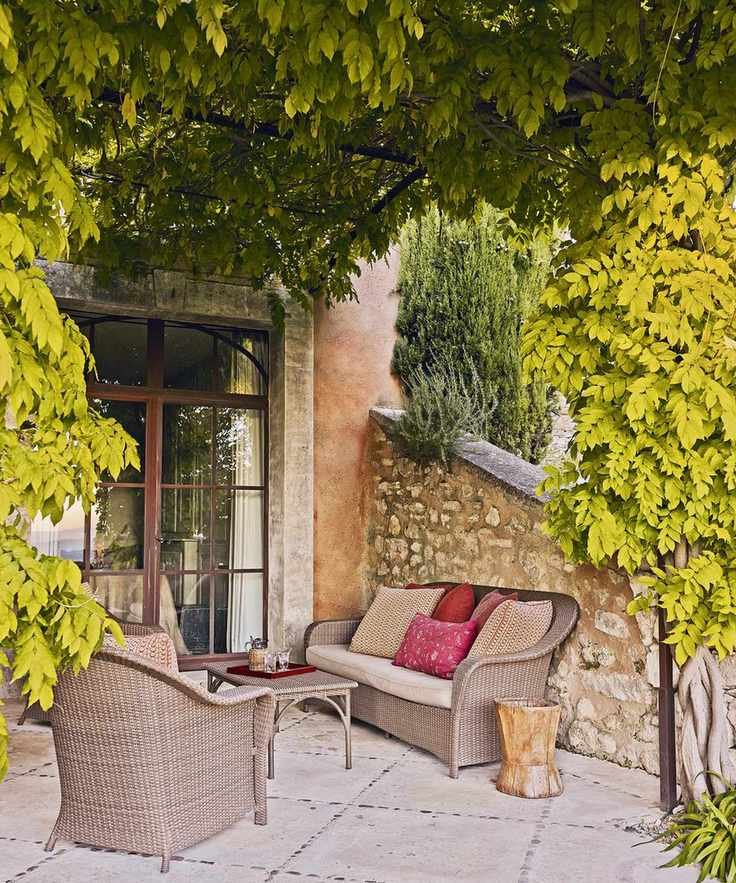
Shade structures are vital in the Mediterranean climate, providing respite from intense sunlight.
"Pergolas and shaded areas are essential for comfort in a Mediterranean garden. Without them, the bright light can be overwhelming," Basson advises.
Reed or split-cane covers and vegetation thrive in this climate, offering shade while allowing air circulation.
Train flowering or evergreen climbers over a pergola to add shade, fragrance, and blooms to enjoy.
Incorporating Water Features in a Mediterranean Garden
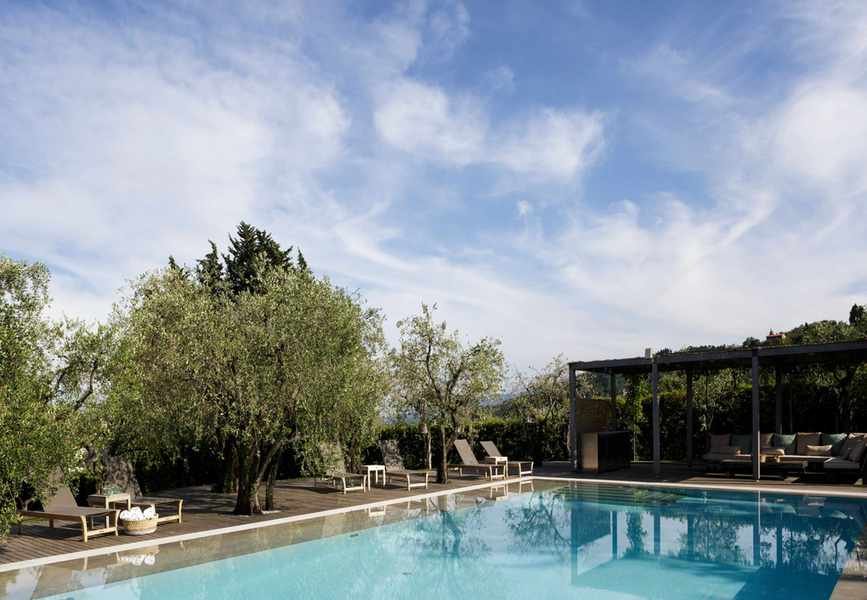
Many Mediterranean gardens feature pools as a central element.
"Water enhances the garden's atmosphere, providing soothing qualities. Without it, summer heat can be oppressive. We strive to integrate natural materials and colors into water features," Basson explains.
Consider other water elements for a calming touch. Even in arid landscapes, water can emerge at wall bases, attracting attention and energy to the garden.
Using Pots in a Mediterranean Garden
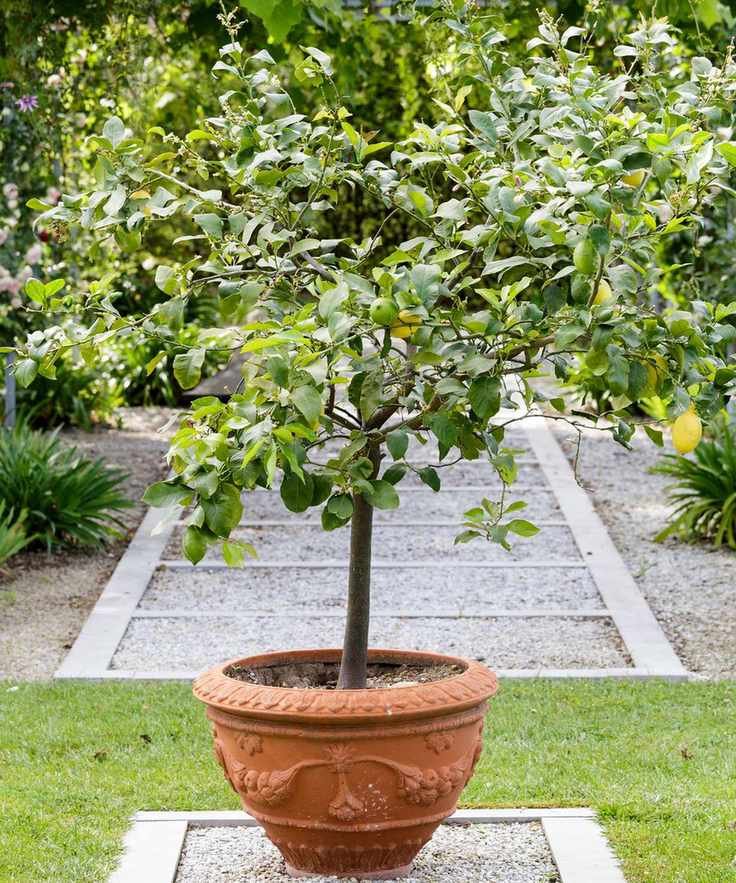
A lemon tree in a pot at a summer residence near Lucca, Italy.
Terracotta pots filled with bright flowers, citrus trees, or architectural palms are iconic in Mediterranean gardens.
Incorporate containers of various sizes; use smaller pots along walls and larger ones as focal points in your courtyard designs.
Ensure good drainage in pots by placing crocs or stones at the bottom before adding compost.
Position pots in sunny, sheltered areas, watering only when the soil feels dry. Tender plants can be moved indoors in colder climates.
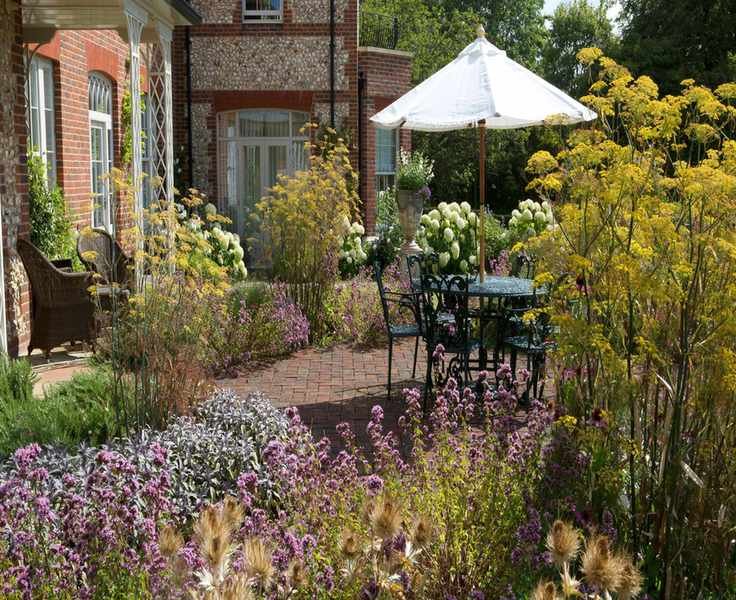
Defining Mediterranean Garden Style
The Mediterranean garden style showcases features from countries surrounding the Mediterranean Sea, including Spain, France, Greece, and Italy. Some plants are native to these areas, while others come from similar climates in California or South Africa, all adapted to Mediterranean conditions.
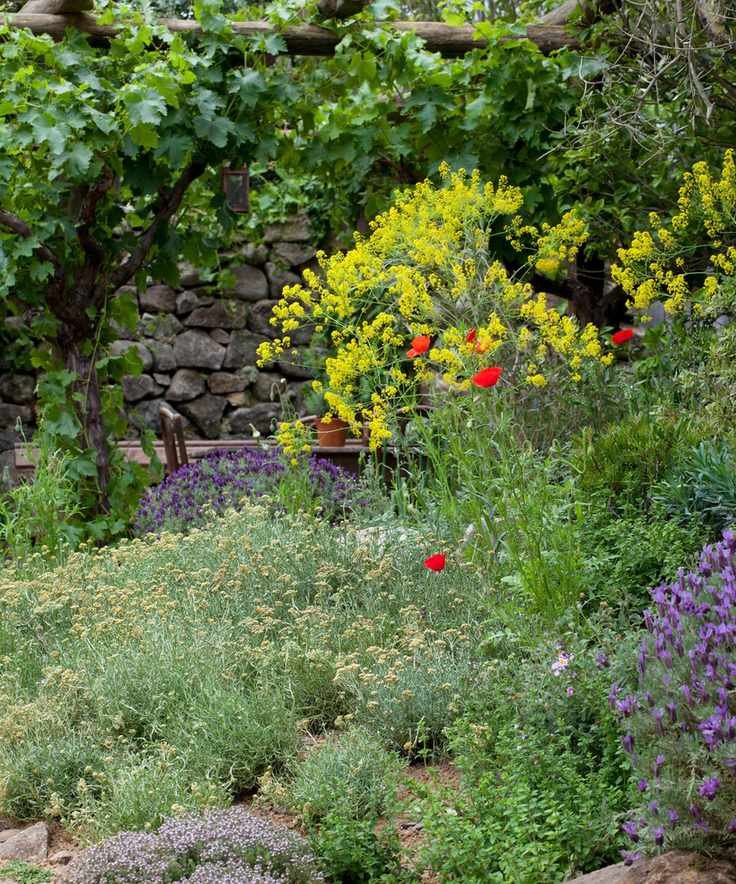
In their natural habitat, Mediterranean plants enjoy mild winters and dry, sunny summers. Many bloom in spring and set seed before resting during the hot summer months.
Most Mediterranean plants thrive in sunshine and well-drained soil, preferring dry conditions in summer and avoiding sogginess in winter.
Choosing Plants for a Mediterranean Garden
Several plant options thrive in Mediterranean gardens. Many plants found in these sun-soaked regions can flourish if given a sunny, sheltered spot and good drainage.
As climate change affects gardens, more areas may experience conditions similar to the Mediterranean, making its native plants ideal for low-water gardens.
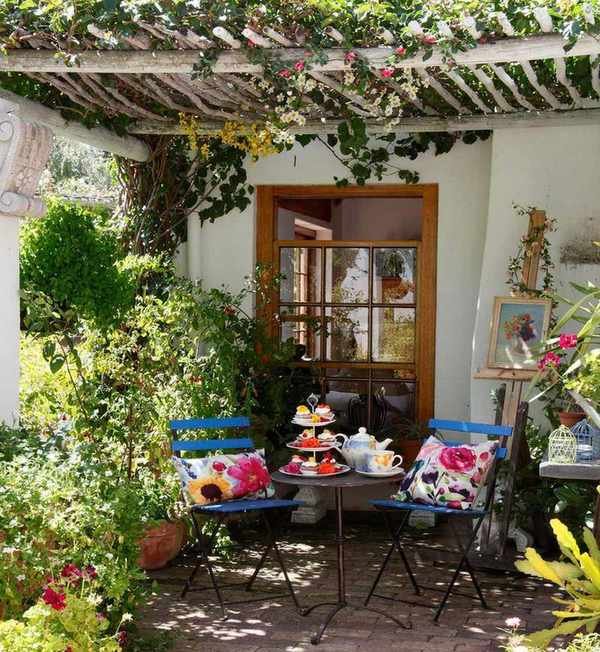
A few terracotta pots filled with colorful pelargoniums and succulents can evoke the spirit of a Greek balcony.
Transform a sun-drenched seating area into an Italian-inspired terrace with herbs like oregano, thyme, and bay. Add a pergola and train climbers or vines overhead for dappled shade.
How to Achieve a Mediterranean Garden Look
Creating a Mediterranean garden is simpler than it seems. If you have a mild location with well-draining soil, mimicking this style is feasible.
Choose a focal point tree, such as an olive or palm, then add shrubs and perennials like Portuguese laurel, euphorbias, and genista. Include fragrant flowers like jasmine and lavender to evoke memories of sun-soaked escapes.

Mediterranean winters tend to be cold and dry, making many native plants surprisingly hardy. However, prolonged cold combined with wet conditions can be detrimental. If your soil lacks drainage, incorporate grit or create raised beds for improved drainage.
Growing these plants in containers is another practical solution, especially in heavy clay soil or regions with high rainfall. Containers offer the advantage of easy relocation indoors during fall.
Whether you seek to add a touch of the Mediterranean or fully embrace its style, these garden ideas are surprisingly achievable.
Also explore how to create an Italian garden by following our straightforward guide, incorporating planting tips for an elegant outdoor space reminiscent of the Mediterranean.