Dandelions: Weeds or Flowers? Discover Their True Nature
Dandelions are a familiar sight in spring, often unwelcome yet undeniably vibrant. Their yellow blooms transform into fluffy seed heads that dance on the wind.
Recognizable by their deeply notched leaves, dandelions grow in rosettes, with sturdy stems supporting their flowers.
While many gardeners label dandelions as weeds, others—like herbalists and chefs—appreciate their value. Should we really eliminate dandelions? Are they merely weeds, or do they hold greater significance? Let's find out.
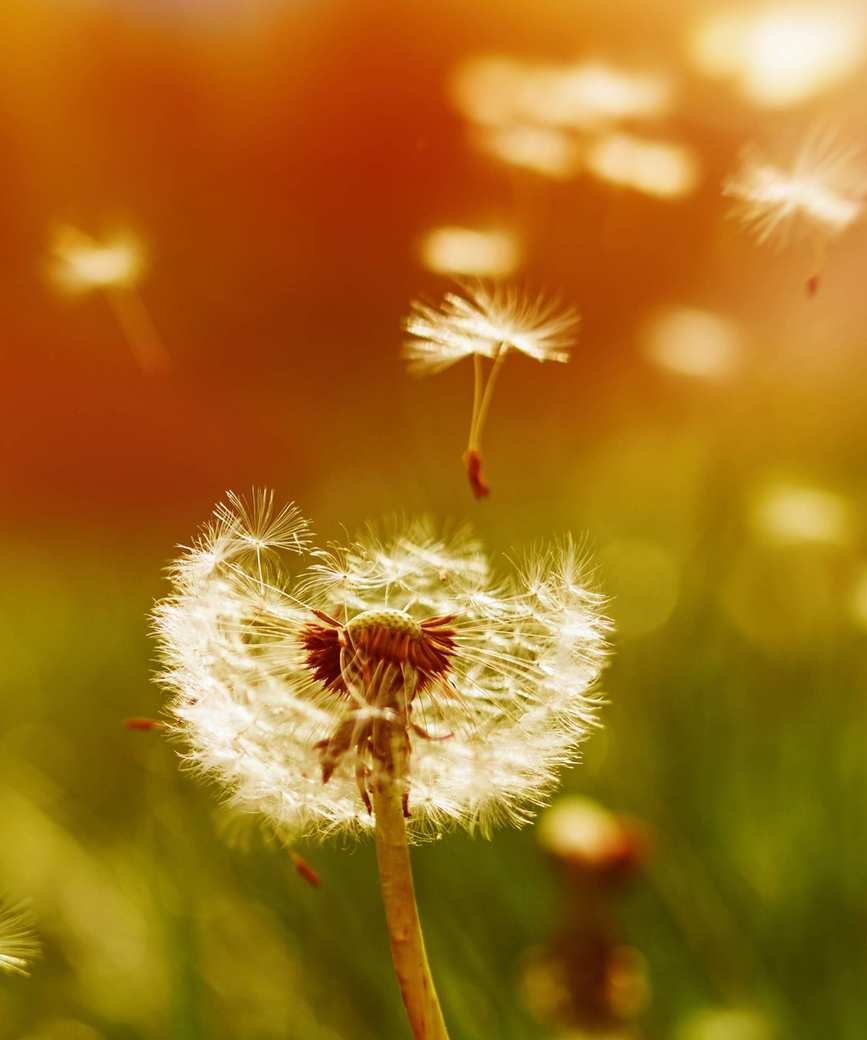
Delicate dandelion seeds carried away by the breeze
Are Dandelions Weeds, Flowers, or Something Else?
They're a mix of both. Left unchecked, they can overwhelm a garden, but they offer remarkable benefits.
While I love their cheerful blooms and ecological role, I've seen firsthand how they can dominate a space if not managed.
Yet, I wouldn't want to banish them entirely. A balanced approach is possible—allow some to flourish in a hidden corner, but be vigilant about their seeds before they scatter.
Here, I'll discuss why rethinking our perception of weeds, particularly dandelions, is important. They are much more than just a nuisance.
What Defines a Weed?
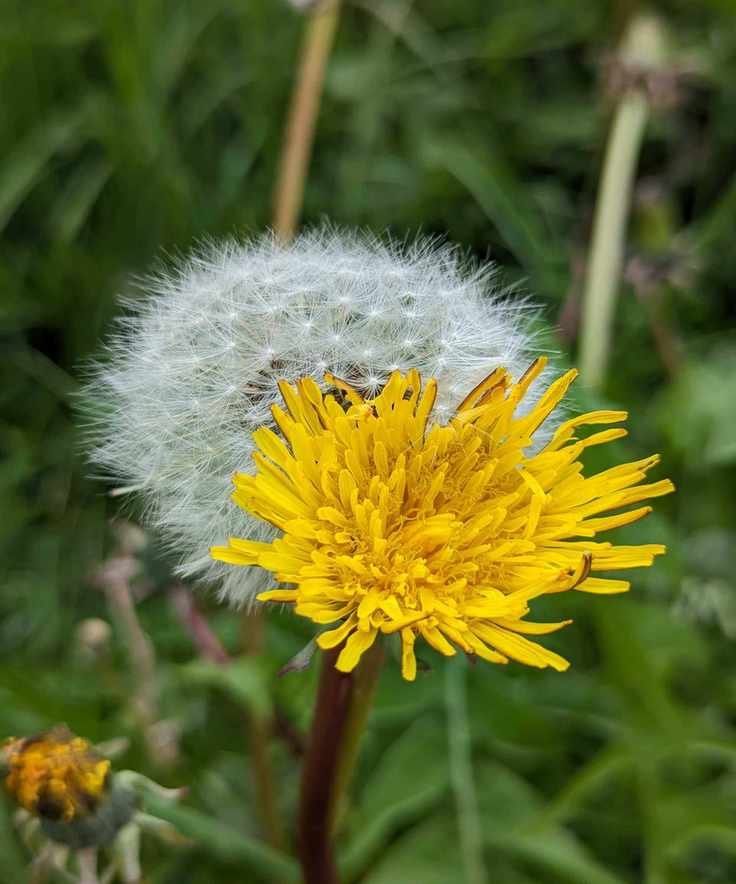
A dandelion flower alongside its ripe seed head
Simply put, a weed is any plant growing where it's not desired.
Gardeners often dislike weeds because they can make landscapes look untidy, compete for nutrients and light, and harbor pests.
Weeds may be annuals, like garlic mustard, which complete their life cycle in one growing season, or perennials, such as bindweed and dandelions, which persist for years.
These resilient plants can spread rapidly, forming dense patches that pose challenges if not controlled.
They germinate swiftly and reproduce prolifically, making them difficult to eliminate due to their deep tap roots.
Why Dandelions Are More Than Just Weeds
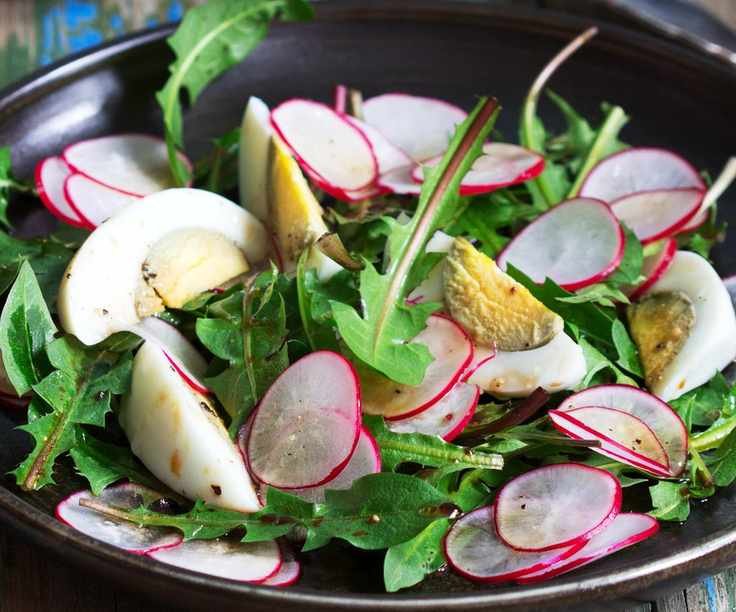
Young dandelion leaves enhance salads and dishes
Though many see them as a hassle, dandelions are valuable for both wildlife and humans.
The nectar is crucial for early pollinators like queen bumblebees, while birds, including goldfinches, relish their seeds.
Harvest dandelions when they're young for the best flavor. Their leaves can be a delicious replacement for spinach in various recipes.
The flowers make sweet jams and syrups, and some even brew dandelion wine. The roots can be dried and turned into a caffeine-free coffee substitute, and the entire plant is perfect for herbal teas.
Dandelion buds can be pickled for a caper-like treat. Just be cautious about where you pick them, as roadside plants may be contaminated.
With their extensive roots, dandelions absorb a wealth of nutrients, including vitamins A, C, K, and potassium.
They're often featured in herbal remedies, but consult a healthcare professional before trying dandelion supplements.
Managing Dandelions
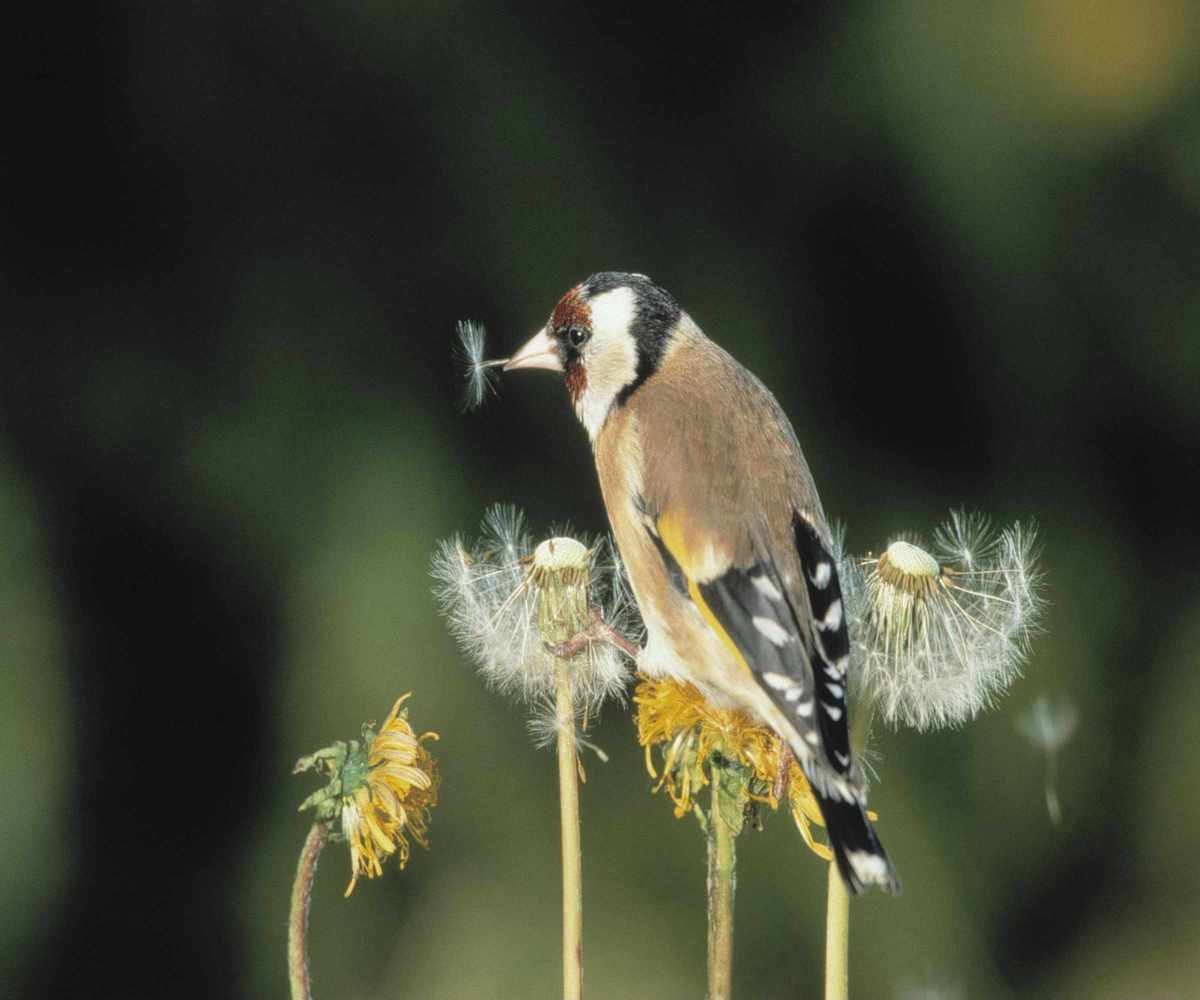
Dandelion seeds serve as an essential food source for goldfinches
The classification of 'weeds' is a human perception, as every plant has its role in nature.
While I haven't yet cooked with them, I allow some dandelions to thrive for the benefit of wildlife. However, I remove their seed heads before they disperse.
I avoid composting them, as the heat can keep their seeds viable, leading to regrowth in my garden.
Controlling Dandelion Growth
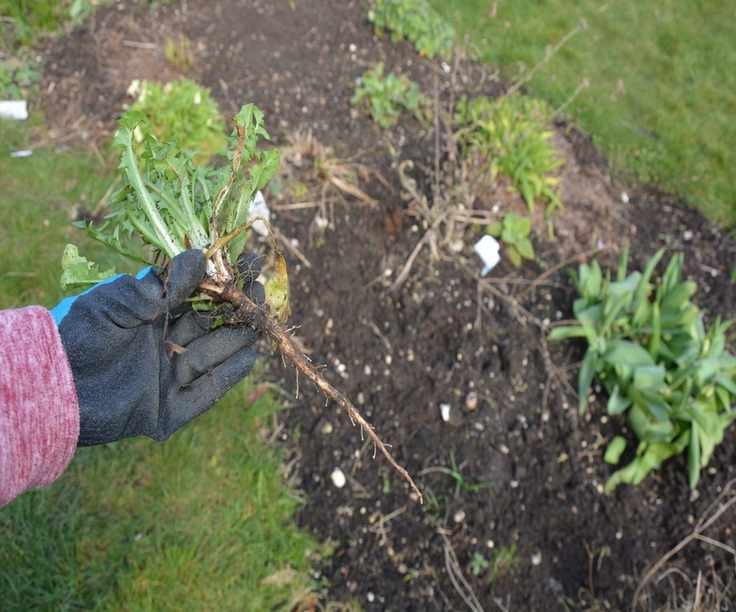
Dandelions possess deep tap roots that require careful removal
Many gardeners consider weeds to be a major nuisance, prompting various removal strategies.
However, dandelions are persistent. When clearing them, avoid common mistakes that could worsen the situation.
I recommend extracting their tap roots by hand rather than resorting to chemical herbicides.
Tools like the Fiskars 4-Claw Stand Up Weeder make it easier to remove plants without bending down.
For a classic option, try Grampa's Weeder, another standing tool.
If you face extensive dandelion patches, consider cutting them back and covering the area with landscape fabric, like Weed-X Premium Landscape Fabric.
Once in place, add mulch to block sunlight. Products like Garden Elements 100% Natural Cocoa Bean Shell Mulch work well.
FAQs
Can I compost dandelions without seed heads?
It's not advisable, as while leaves decompose, the strong roots need higher temperatures than most home compost heaps can provide.
Instead, consider taking them to your local green waste collection or drying them on a hot, sunny path until they're shriveled.
Long ago, dandelions were so valued that they were cultivated as flowers, with grass cleared to make space for them.
Folklore suggests dandelions symbolize the cosmos: the golden blooms represent the sun, the seed heads the moon, and the scattered seeds the stars.