Creating an ADHD-Friendly Home for a More Productive Atmosphere
Designing a home that accommodates ADHD involves strategies that ease daily tasks, reduce stress, and foster a comforting atmosphere. Individuals with ADHD often face mental chaos, making it crucial to create a serene environment that aids focus and relaxation.
Adapting your home to cater to ADHD needs is transformative. A space designed to be gentle on the senses can enhance focus, organization, and overall well-being.
We consulted experts who shared methods to craft an ADHD-friendly home. While many strategies exist, individual preferences vary, so experiment with different techniques to discover what suits you best. Here are some effective approaches to consider.
Creating an ADHD-Friendly Home
Dr. Stefan Ivantu, a psychiatrist, emphasizes three vital areas of focus:
- Reducing distractions: External stimuli can easily disrupt concentration.
- Incorporating movement: Restlessness and the need to move are common ADHD traits.
- Enhancing visual processing: Cluttered environments can hinder focus.
1. Reduce Clutter and Visual Distractions
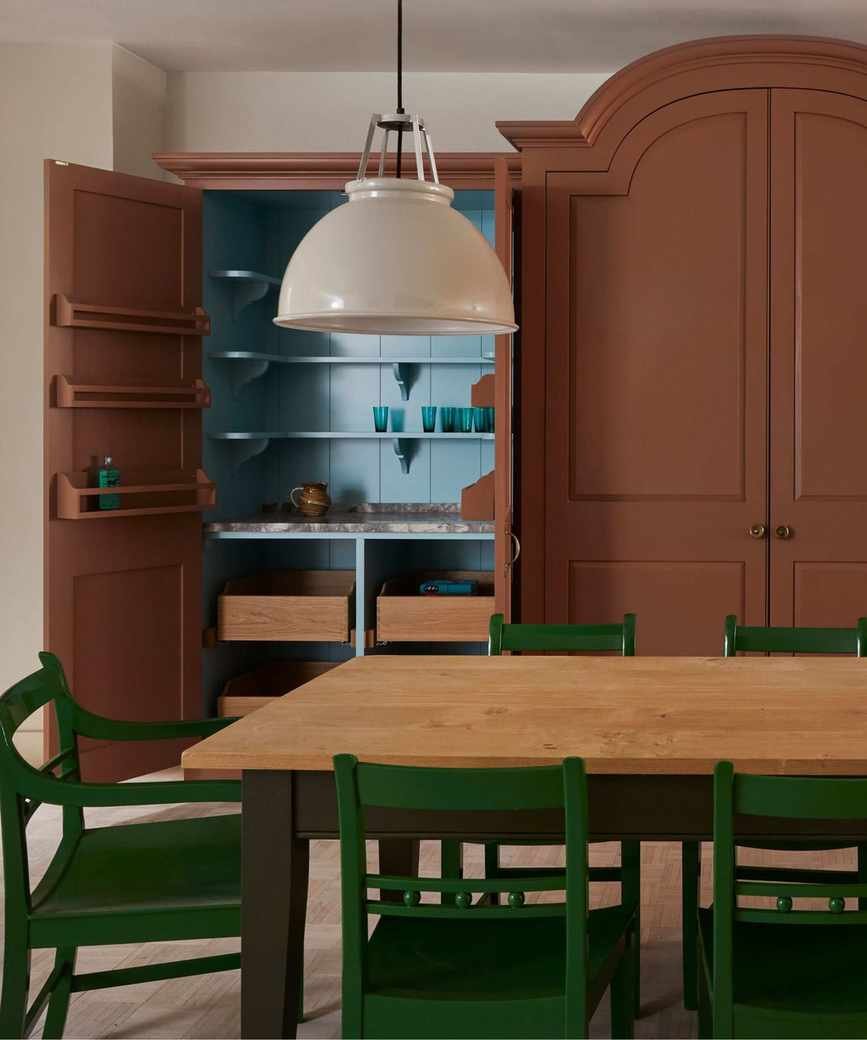
Visual clutter can trigger stress responses, particularly for those with ADHD, as their brains struggle to filter out distractions. Minimizing visual noise fosters a calm environment, aiding focus.
Dr. Ivantu suggests embracing minimalism to create order. Ensure items are stored after use, and avoid cluttered surfaces. Dedicate daily time for decluttering, such as a 'closing shift' in your bedroom.
Conceal clutter with doors or curtains. For instance, choose closed cabinets instead of open shelving in the kitchen. This method enhances mood and cognitive function through dopamine optimization.
2. Designate Areas for Specific Items and Activities
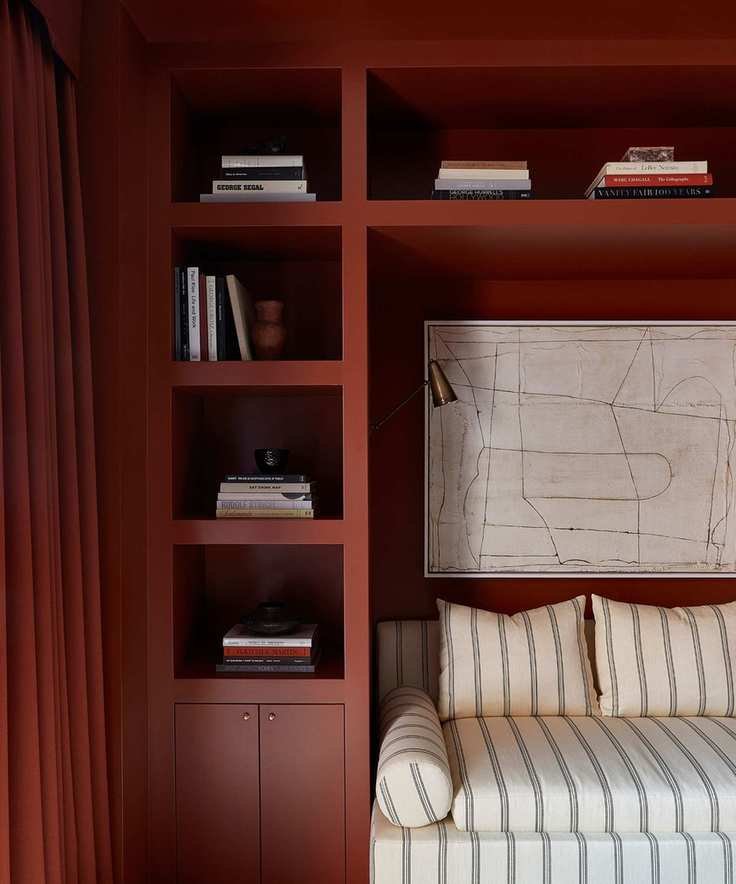
To make your home ADHD-friendly, ensure every item has a designated spot. This organization reduces anxiety associated with misplaced belongings.
ADHD coach Erika Gillette advises creating permanent spaces for tasks that challenge you. Keep necessary items readily available to streamline task initiation.
Dr. Ivantu also suggests establishing dedicated areas for different activities. A workspace signals focus, while a relaxation zone helps differentiate between work and rest.
Limit the furnishings in each area to those relevant to the task to minimize distractions.

Erika Gillette is a certified personal change coach specializing in partnership, time management, and ADHD coaching.
3. Control Noise Levels

Managing noise is crucial for those with ADHD, who often struggle to filter background sounds. Reducing noise levels relieves stress and enhances focus.
Consider soundproofing techniques like echo-reducing materials, soundproof doors and windows, and silent appliances. White noise machines can also help mask distractions, such as the Dreamegg white noise machine from Amazon.
This strategy applies throughout the home, ensuring social interactions and relaxation are not overwhelmed by sensory input.
4. Utilize Thoughtful Lighting
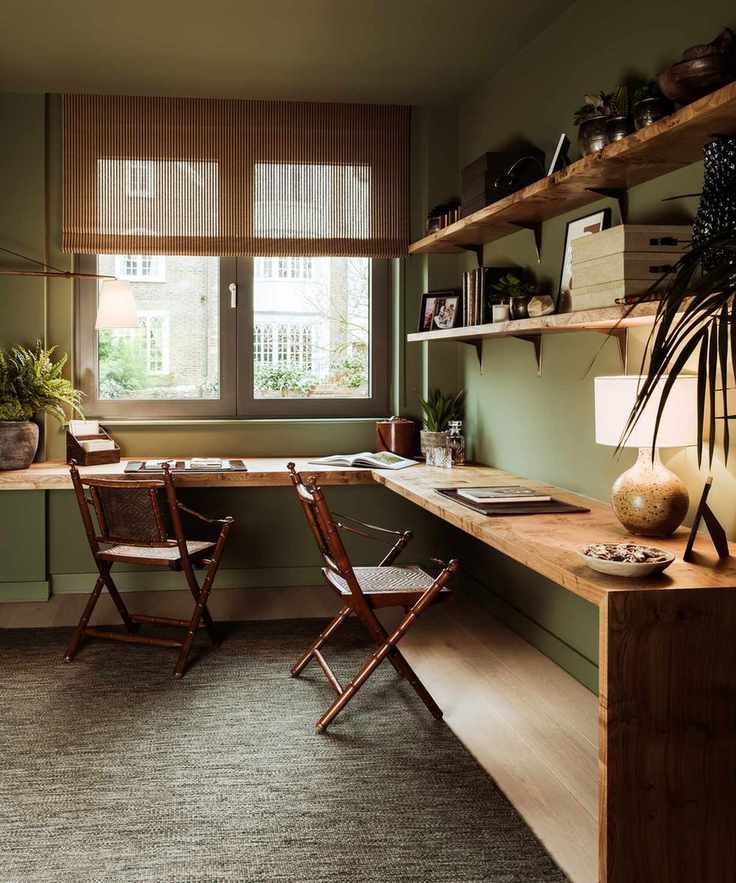
People with ADHD may struggle with harsh or inconsistent lighting. Implementing strategic lighting can enhance focus and comfort.
Dr. Ivantu recommends combining task and ambient lighting to support concentration. Task lighting highlights specific work areas, while ambient lighting creates a calming atmosphere.
Use adjustable lamps with dimming features to suit various moods and tasks. Dr. Ivantu also emphasizes the importance of maximizing natural light, suggesting workspaces be positioned near windows to boost focus.
A blend of ambient, task, and natural lighting reduces eye strain, enabling longer engagement in activities without discomfort.
SUPERDANNY LED Desk Lamp | $29.99 from Amazon
This touch-control lamp features an adjustable gooseneck and brightness settings, ideal for focused work.
5. Create Sensory Zones
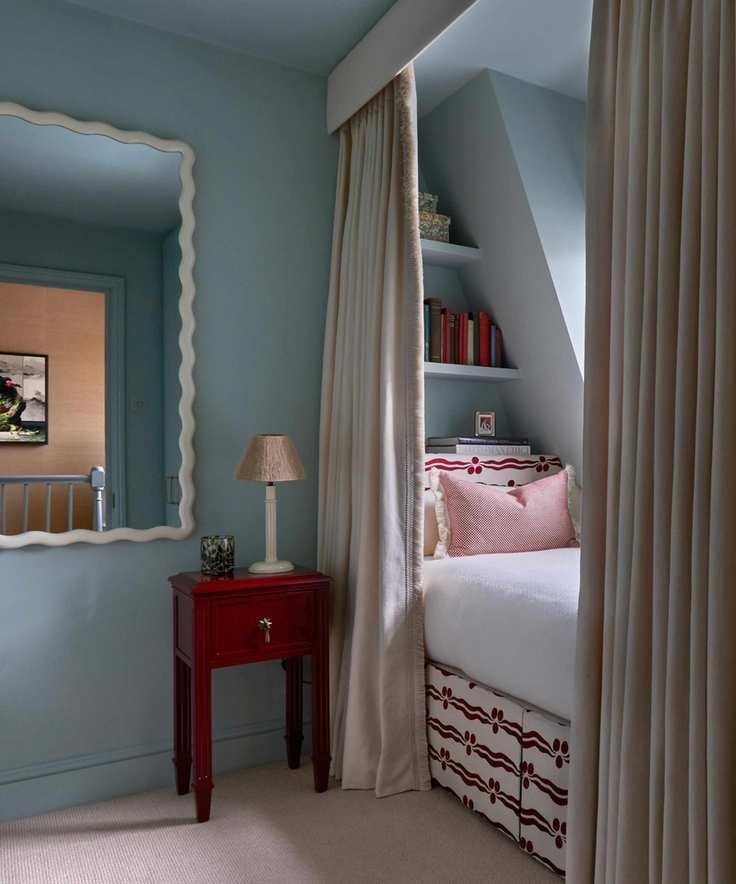
Building on designated activity areas, Erika Gillette suggests creating sensory zones. Many neurodivergent individuals are sensitive to sensory inputs like noise and light, which can become overwhelming.
To offer respite, designate areas in your home that minimize sensory input, featuring soundproofing, adjustable lighting, and calming decor, such as an aromatherapy nook.
6. Consider Movement-Friendly Furniture
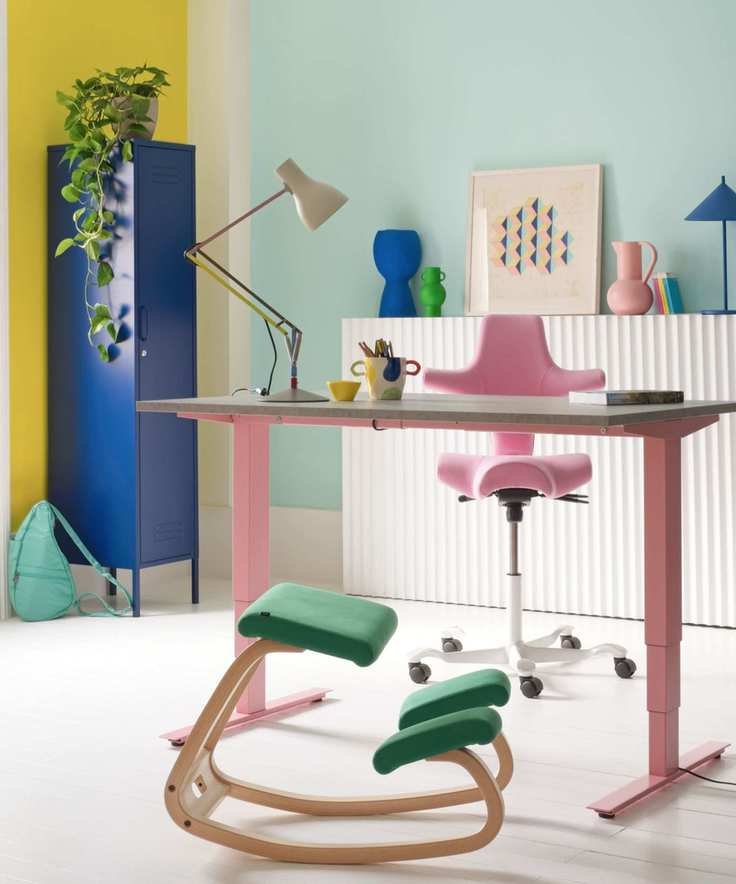
Back in Action Lavoro Special Edition
Movement is beneficial for concentration and mood, so incorporating it into workspaces is essential. Fidgeting provides low-level stimulation, enhancing focus.
Furniture choices can encourage movement, such as kneeling chairs or adjustable desks. Dr. Ivantu recommends stand-up desks to allow for position changes throughout the day.
Koree Standing & Height-Adjustable Desk | Was $350.00, now $122.99, from Wayfair
This desk adjusts from 28.74" to 48.03" in height, accommodating various working styles.
7. Set Up a Command Center
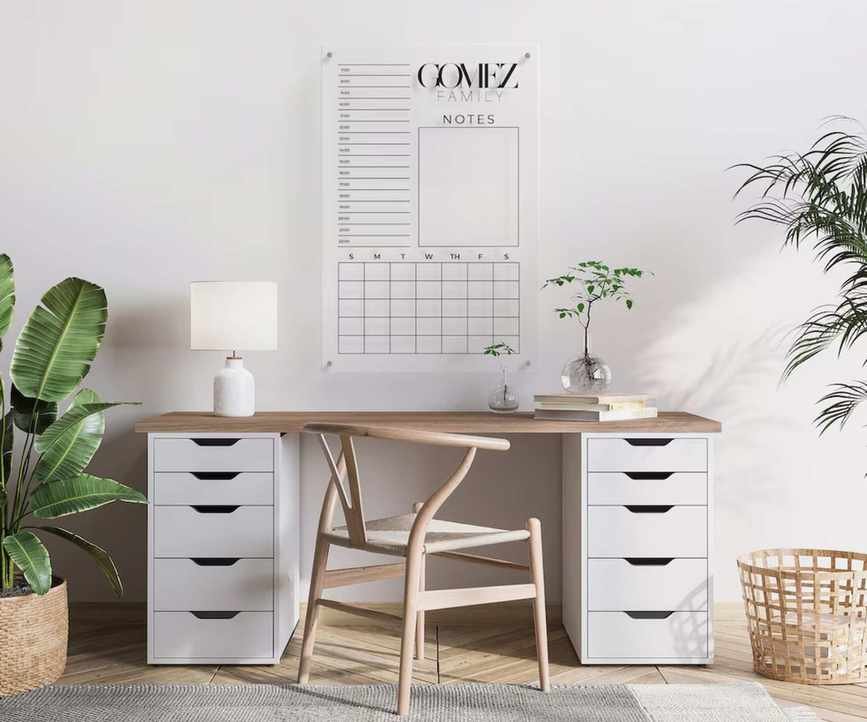
A central command center can greatly assist individuals with ADHD. It organizes vital information like schedules, to-do lists, and responsibilities, simplifying daily life.
Visual aids like color-coded systems and large boards can provide clarity. Command centers should be personalized for ease of use.
You might also invest in a digital display or tablet to integrate calendars, smart home devices, and communication apps for streamlined management.
8. Maintain a Structured Fridge Organization

Organizing your fridge is an effective way to manage food inventory and reduce waste. For those with ADHD, a structured system can prevent impulsive purchases and forgotten items.
To begin, clear out expired items, categorizing what remains. Store frequently used items at eye level and label containers to minimize waste. Keep track of expiration dates, especially for perishables like fruits and leftovers.
Regularly inventorying your fridge helps ensure you use what you have, reducing the chance of spoilage.
Finally, Erika Gillette advises, "If something isn't working, abandon it. Everyone's brain functions differently, and strategies that suit others may not work for you. Tailor your space to your unique needs to foster an environment that enhances comfort and productivity."