Coppicing Trees and Shrubs: 5 Varieties That Thrive with This Technique
Coppicing can appear to be a harsh pruning method, as it involves cutting trees or shrubs down close to the ground. Yet, this age-old technique provides both practical and visual advantages for any garden.
It helps produce vibrant stems for winter displays, offers materials for support structures, and keeps larger trees manageable in smaller spaces. Regardless of your garden's size, coppicing can be a beneficial practice.
Fortunately, coppicing isn't complex. This article outlines its benefits, the ideal timing for pruning, and five tree species that thrive with this method.
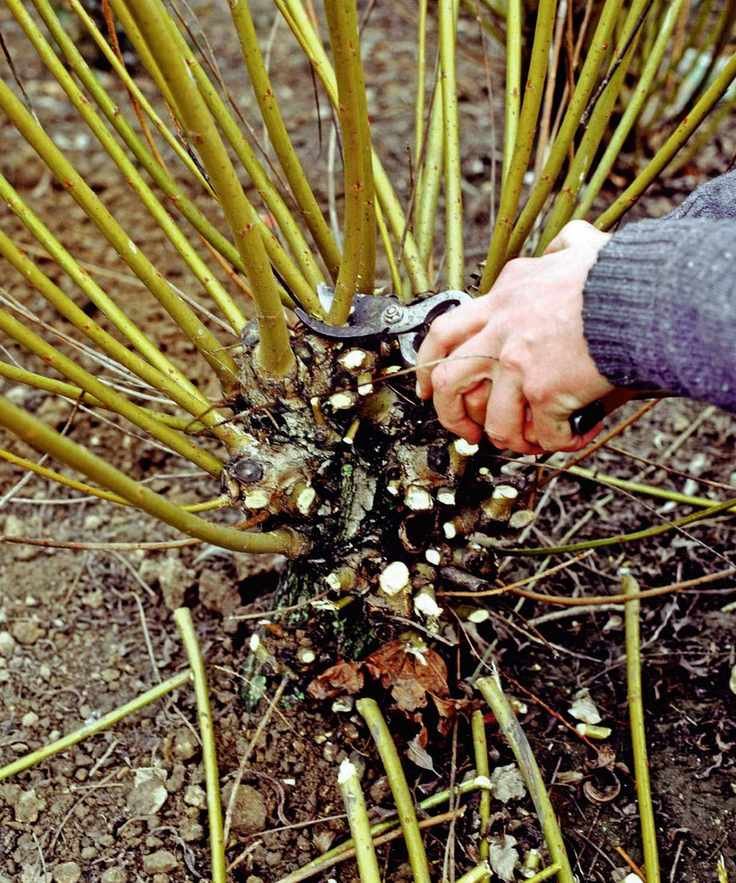
Understanding Coppicing
Coppicing and pollarding are often confused or seen as synonymous. However, coppicing entails cutting trees or shrubs back to ground level, while pollarding involves trimming stems to a specific height each year. This guide centers on coppicing and its advantages in a garden setting.
What Does Coppicing Involve?

Coppicing is the practice of pruning certain trees or shrubs back to their base. Traditionally, it was a woodland management strategy, but it can also be effectively applied in home gardens.
This method encourages the growth of vigorous new stems, which can be more colorful or produce larger leaves than older growth.
Moreover, it can transform trees into multi-stemmed shrubs, perfect for creating privacy screens or incorporating larger trees in compact gardens.
Beyond its aesthetic appeal, coppicing can yield numerous stems for firewood and is commonly practiced for harvesting materials used in flower beds or vegetable plots.
Steps for Coppicing Trees
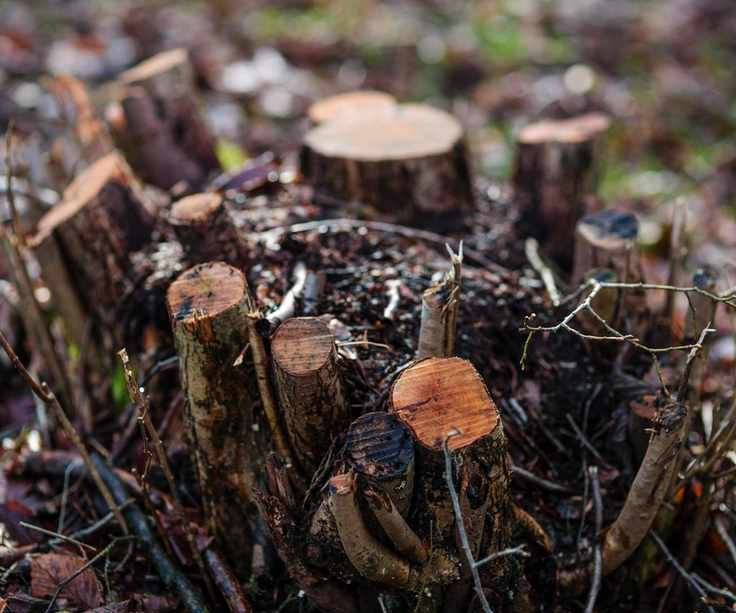
Timing is crucial for effective coppicing. Late winter or early spring—when trees and shrubs are dormant and ready to start growing again—is the best time to prune.
Essential tools for coppicing include pruning shears, garden loppers, or a pruning saw, depending on stem size. Ensure all cuts are clean and sharp, cutting stems to just a few inches above ground level or above previous stubs.
Allow any tree or shrub to establish for at least three years before coppicing. For plants aimed at producing colorful winter stems, annual cuts are necessary, while those intended for poles should be pruned every 5-8 years.
Top 5 Trees for Coppicing

- Eucalyptus - Eucalyptus can grow very tall if left unattended. Coppicing helps manage its size for smaller gardens, while the new foliage, favored by florists, remains compact.
- Hazel - This technique promotes tall and straight stems in hazel, providing materials for constructing supports. These are great for vegetable trellises or supporting climbing plants like sweet peas.
- Willow - Annual coppicing of willow yields vibrant young stems, which can vary in color and add a striking appearance to winter gardens. Its flexible stems are also ideal for weaving.
- Dogwood - Coppicing dogwoods helps achieve brilliant winter colors, with young stems displaying red, orange, or yellow hues. Prune mature dogwood trees to the ground in early spring for optimal display.
- Cercis - The Judas tree, or Cercis siliquastrum, is known for its stunning spring blossoms and heart-shaped leaves. Coppicing enhances these unique leaves, making them larger. Other trees like catalpa and paulownia also benefit similarly.
Tools for Coppicing
Folding Pruning Saw
This seven-inch saw is perfect for cutting stems up to three inches thick. Its RazorTOOTH technology maximizes cutting efficiency.
Bypass Loppers
These compound loppers can handle branches up to 1.5 inches in diameter and feature extendable handles for reaching hard-to-access areas.
Felco No. 2
These pruning shears are reliable, comfortable, and designed for various pruning tasks. They boast a long lifespan, with replaceable parts if needed.
Common Questions
What Are the Downsides of Coppicing?
Coppicing can have some drawbacks in residential gardens. Immediately following pruning, the aesthetic may be less appealing, revealing bare stumps. Additionally, severe pruning can stress trees, making them more vulnerable to pests and diseases, and reducing habitat for wildlife enthusiasts.
How Often Can You Coppice a Tree?
While you can coppice a tree multiple times, the frequency depends on the species and purpose. After coppicing, watering and mulching around trees can enrich the soil and promote healthy growth.
Maintaining garden tools, especially pruning implements, is crucial for plant health and effective trimming. Clean and sharpen your shears, loppers, or saws for optimal performance. Regular sharpening with a file or a compact sharpener from Amazon can keep your tools ready for use. Though sharpening pruning saws takes more effort, it's also vital for clean cuts.