Boost Phosphorus Levels in Soil: 5 Organic Approaches for Your Garden
Nitrogen, phosphorus, and potassium, collectively known as NPK, are essential nutrients for robust plant growth. Each nutrient serves a specific function: nitrogen supports leafy growth, potassium aids flowering and fruiting, while phosphorus is crucial for root health and overall plant vigor. A phosphorus deficiency can severely stunt growth, potentially leading to plant death.
To ensure your plants thrive, understanding soil health and types is imperative. If your soil lacks phosphorus, don't worry; there are effective ways to enhance its nutrient levels.
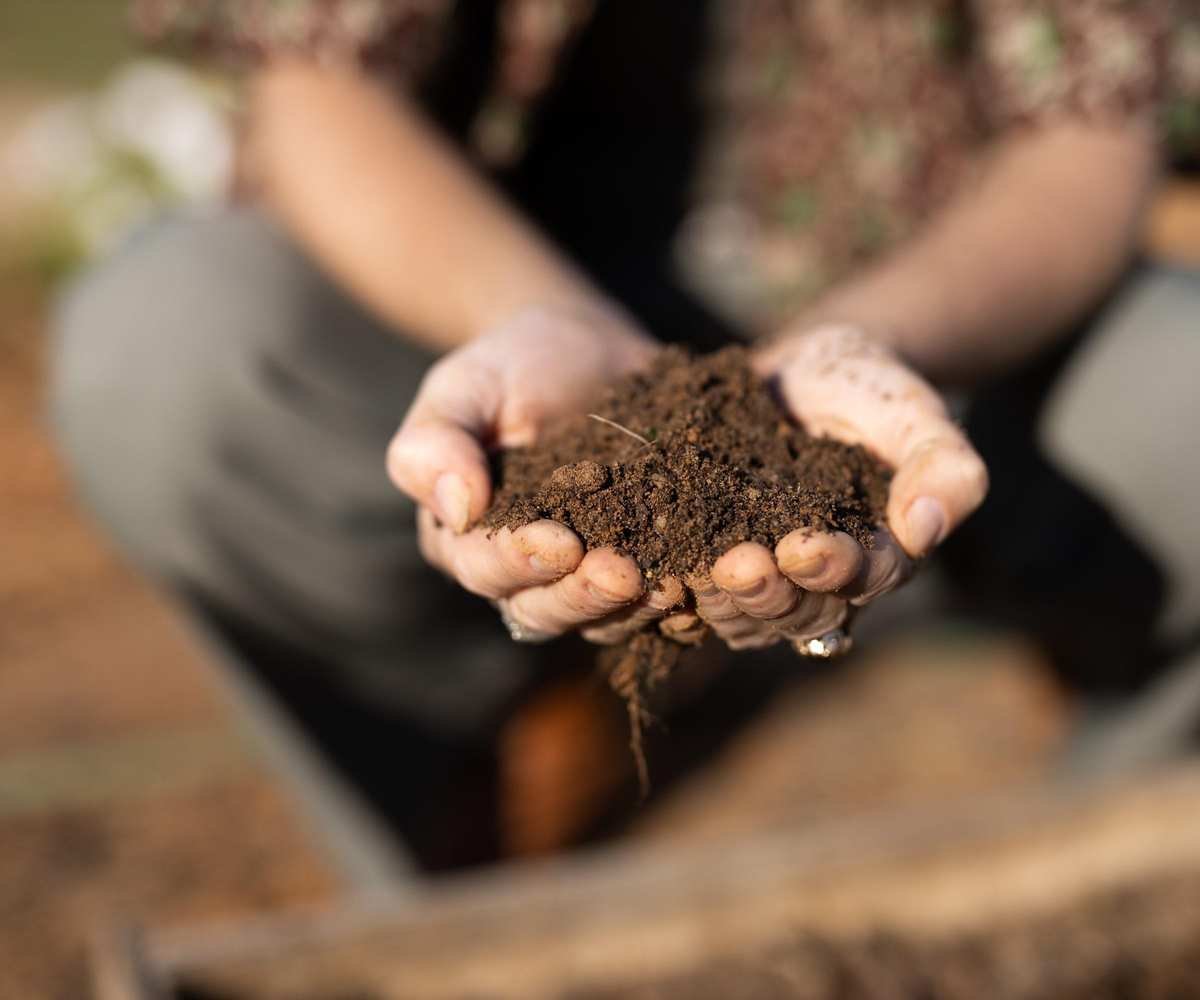
A balanced soil features a blend of essential macronutrients like nitrogen, phosphorus, and potassium.
Why Adding Phosphorus to Soil Matters
Phosphorus, represented by the letter P in NPK, is key for developing strong roots and shoots. Healthy roots anchor the plant and absorb essential nutrients. This nutrient also facilitates photosynthesis and proper crop maturation, making it vital for vegetable gardens.
Signs of phosphorus deficiency include dark green or reddish leaf spots, dull yellow foliage, and slower-than-normal growth, especially in seedlings. Addressing a deficiency early is important, as it can impact plants at any growth stage.
If you suspect your soil is lacking phosphorus, various methods can help restore balance. Clay soils are particularly prone to low phosphorus levels, so it's wise to test your soil for type, pH, and nutrient composition. Soil test kits can be found on Amazon, often priced at $10-$15.
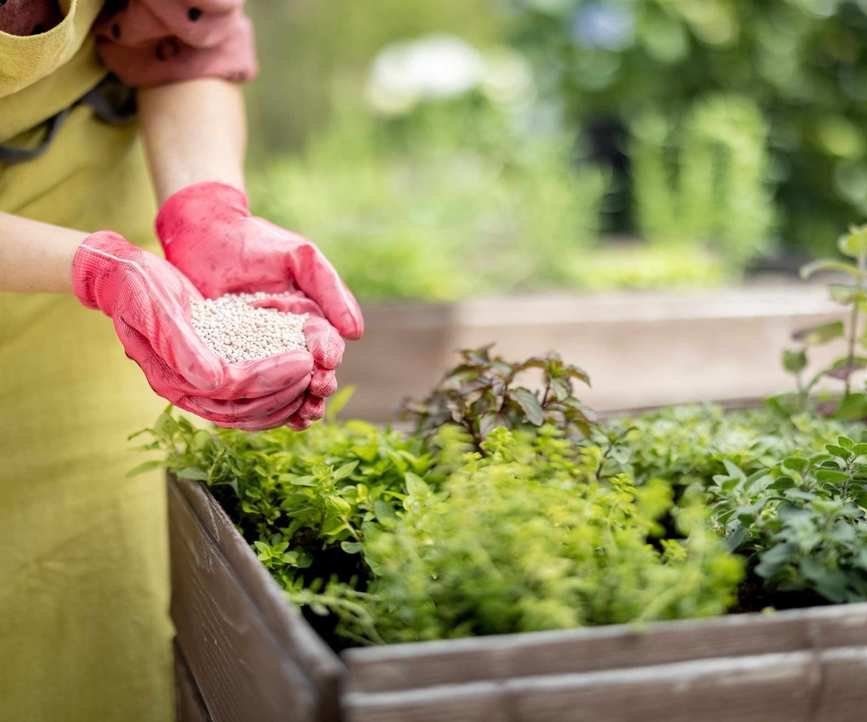
Granular fertilizers need to be mixed into the soil and well-watered after application.
5 Organic Techniques to Enhance Phosphorus in Soil
There are numerous organic methods to enrich your soil with phosphorus. Here are five effective options to ensure your plants receive the nutrients they require for healthy growth.
1. Bone Meal
Bone meal, a powdered organic fertilizer, is rich in phosphorus. Derived from steamed animal bones, typically from beef, it's suitable for all plant types, including flowers, vegetables, fruits, trees, and shrubs.
Apply bone meal anytime from February to November. Mix it into compost or sprinkle it over soil, then incorporate it using a garden fork. Water thoroughly after application. Bone meal is chemical-free and enhances soil microorganism levels, improving fertility.
You'll find bone meal available at Walmart, Burpee, and Nature Hills.
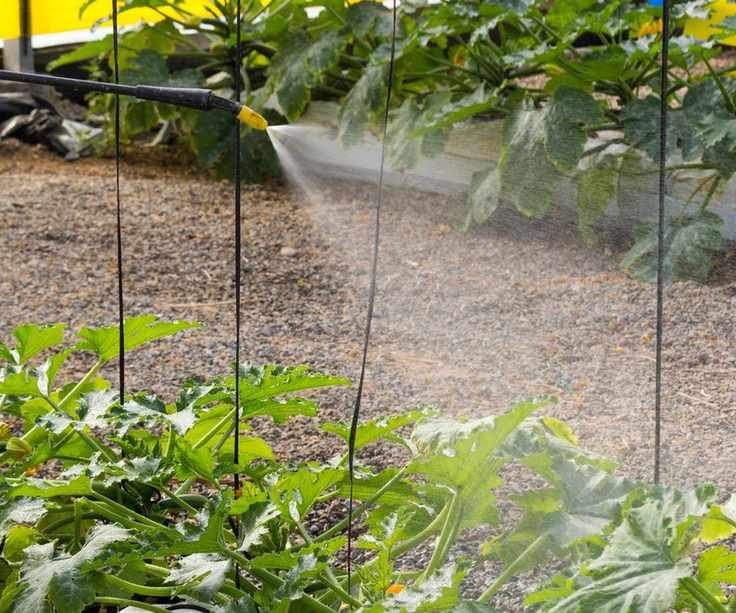
Fertilizers can be applied as foliar sprays or in pellet form.
2. Rock Phosphate
Rock phosphate is a naturally occurring mineral containing up to 20% phosphorus. This slow-release fertilizer offers long-term nutrient enrichment.
Unlike most fertilizers, rock phosphate doesn't require annual application and can nourish soil for years. It's ideal for both vegetable gardens and flower beds. Incorporate it into planting holes or sprinkle over the soil surface in early spring.
Rock phosphate can be sourced from Walmart and Amazon.
3. Fish Meal
Fish meal, derived from fish industry byproducts like bones and scales, is an organic fertilizer loaded with both nitrogen and phosphorus. It's excellent for enhancing foliage and root growth.
This nutrient comes in liquid or granular forms; use it as a foliar spray or scatter it around plants. Granular types should be worked into the soil and thoroughly watered. Be cautious, as over-application can burn plants. Always follow the recommended rates on the packaging.
Fish fertilizer is available from Burpee and Nature Hills.
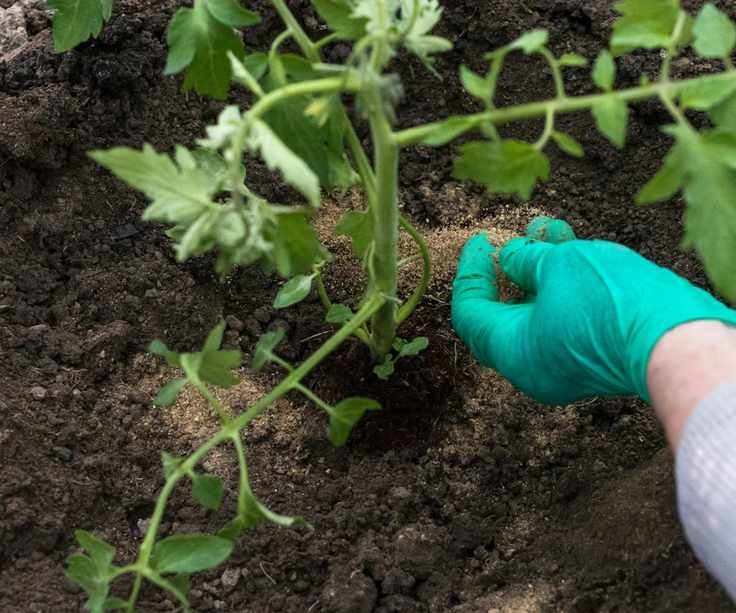
Avoid direct contact between fertilizer and plant stems.
4. Green Manure
Green manures are crops cultivated specifically to enrich soil, cover barren areas, and suppress weeds. They are integral to effective crop rotation strategies.
Alfalfa, a popular green manure, is phosphorus-rich, while buckwheat also effectively contributes phosphorus to the soil.
These crops are typically sown in bare patches of soil during the vegetable growing season. Alfalfa can be planted in fall or spring, while buckwheat is best sown in late spring or early summer.
Alfalfa seeds are available from Amazon and Walmart.
5. Animal Manure
Animal manure is rich in phosphorus and can significantly enhance soil nutrient levels. Cow, pig, chicken, and horse manure are excellent options for enriching garden soil.
For best results, use well-rotted manure or add it to a compost pile. Fresh manure often contains high nitrogen and ammonia levels, which can harm plant roots if applied directly. Incorporate manure into the soil before planting.