Baking Soda: The Surprising Fire Extinguisher You Already Have at Home
As temperatures drop, cozying up by the fireplace is a delightful way to spend time. However, if a fire starts to get out of control, knowing how to extinguish it is crucial.
According to experts, a common household item that can help in this situation is baking soda.
Here's an explanation on why it works effectively after you've started a fire in your fireplace and what steps to take during an emergency.
Why Baking Soda is Effective for Fireplace Flames
If you're unsure about how to tackle a fire, baking soda from Walmart could be your go-to solution.
Todd Harmon, a fireplace expert and co-founder of a fireplace design company, explains, "Fire needs oxygen to burn. When baking soda heats up, it releases carbon dioxide gas, which creates a barrier to suffocate the flames by cutting off their oxygen supply.
"Unlike water, which can produce dangerous steam when poured on hot coals, baking soda slowly starves the fire chemically. It's an eco-friendly option right from your kitchen."
Steve Lockwood, who runs a fire protection company, mentions that this technique is also effective for grease fires, where water should never be used.
This is essential information, considering that grease-stained stovetops are among the top fire hazards in homes.
Steps to Use Baking Soda for Fireplace Fires
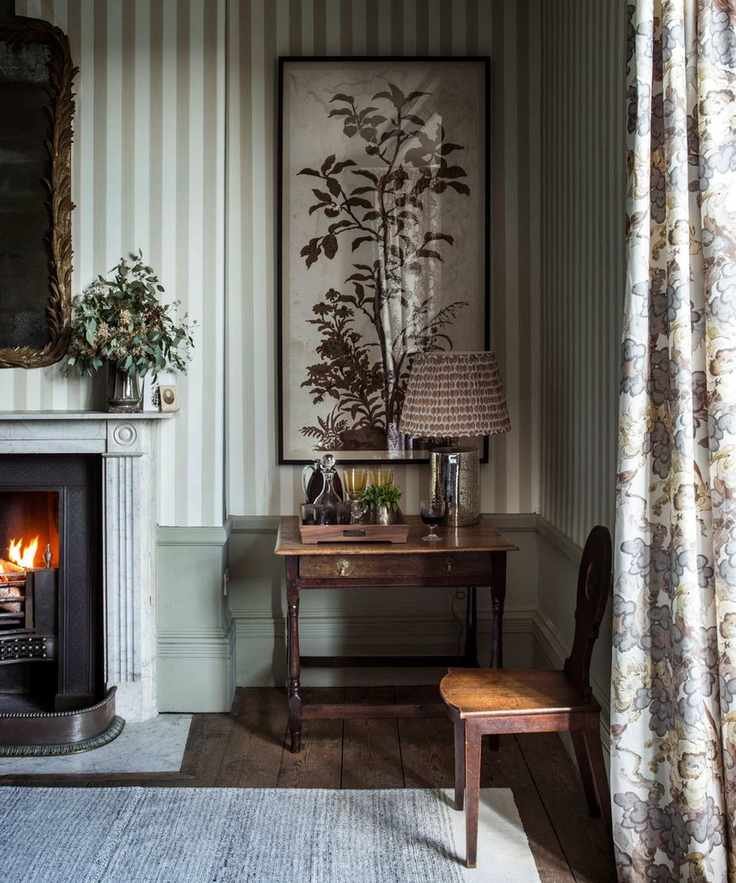
"Think of it like dusting powdered sugar, but your goal is to smother the flames."
Todd advises, "If flames or sparks begin to spread, sprinkle baking soda from a distance away from the fireplace. Open the box and gently cover the flames and smoldering embers.
"It's similar to dusting powdered sugar, but this time, you're smothering flames. You don't need to cover the logs entirely; just target where combustion is most active. Move with slow, steady motions to avoid disturbing the embers."
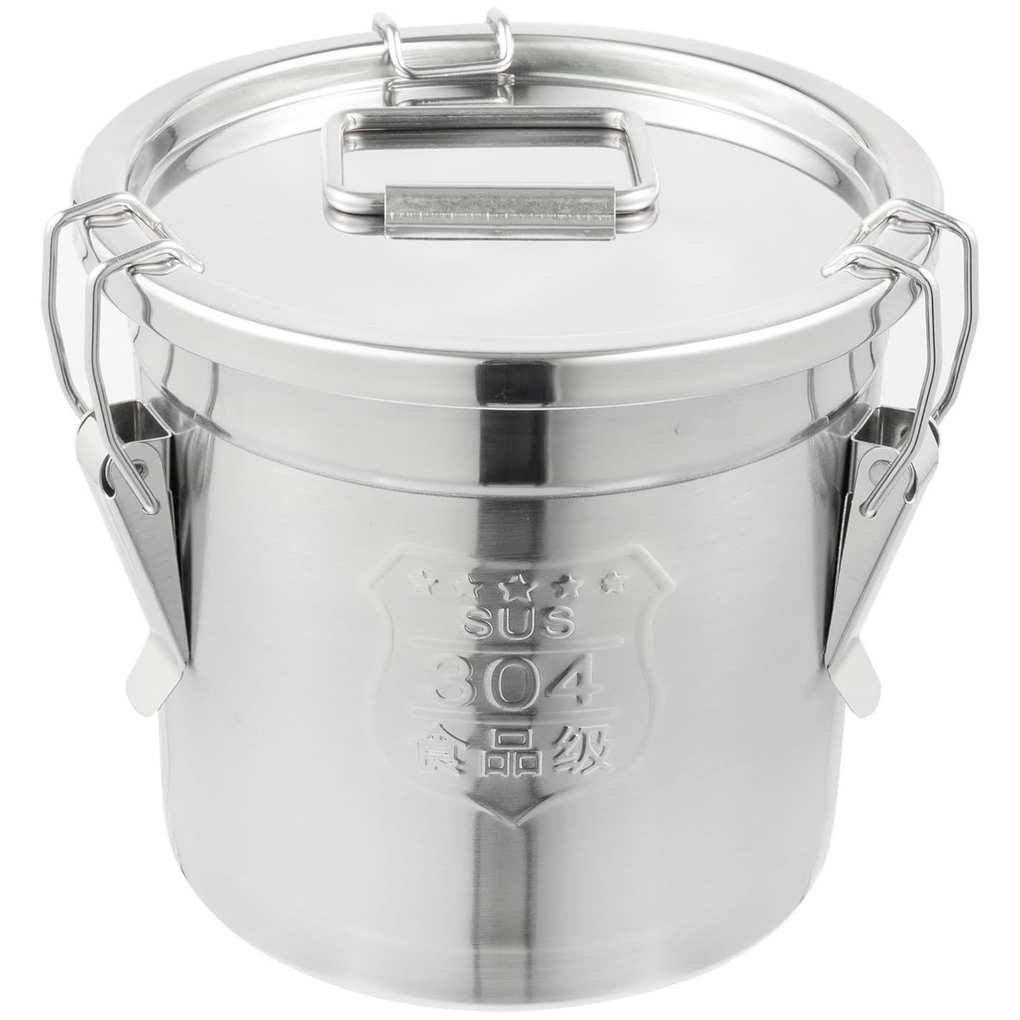
Additionally, Josh Mitchell, an HVAC expert, recommends storing baking soda in a metal container, like the Amici Home Farmers Market Metal Canister available at Amazon, to prevent moisture absorption and clumping.
Limitations of Using Baking Soda for Fires

Experts caution this shouldn't be your only option.
One significant drawback, according to Steve, is that baking soda isn't primarily designed for extinguishing fires. It should not replace a proper fire extinguisher in emergencies.
"It's a backup solution if you lack an extinguisher," he explains. "Baking soda can help, but it's not the main tool you should rely on for fire safety."
Moreover, while a small box of baking soda is great for minor flare-ups, Todd points out that it's inadequate for larger fires that have spread beyond the fireplace. This method can also be messy and diminish the aesthetic of your fireplace until you clean it up.
"Pouring it can create dust that you don't want to inhale," adds Josh. "I wouldn't depend on it as your primary safety strategy."
Safety Measures for Fire-Related Emergencies

Assemble a fire safety kit recommended by experts.
To enhance your safety while enjoying the warmth of your fireplace, Todd recommends creating a comprehensive safety kit, ensuring you have the appropriate fire extinguisher.
"Start with a fireplace screen or glass doors for both style and safety. One sleek option is the Pleasant Hearth Arrington Glass Fire Screen available at Walmart, which provides an elegant touch while containing sparks."
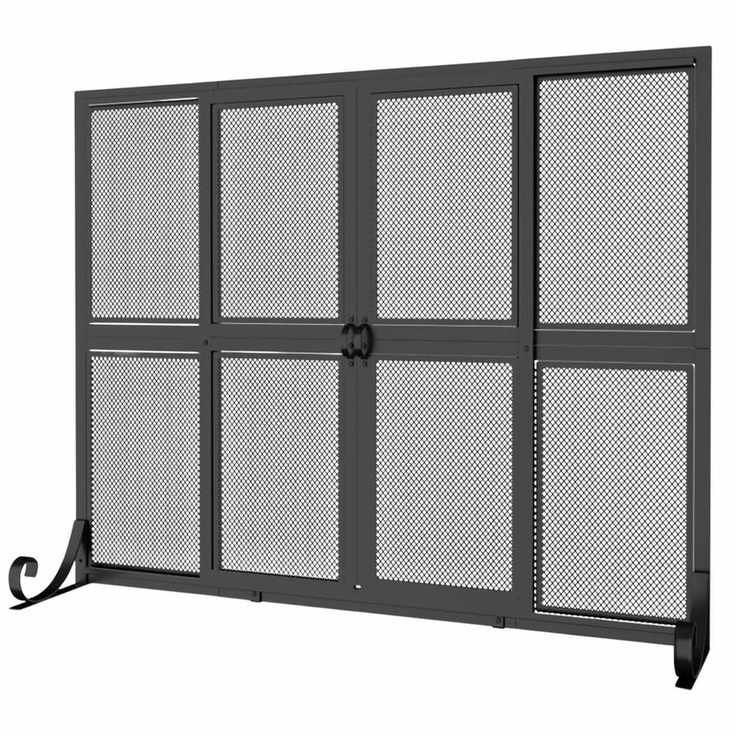
"For open flames, consider a simple spark guard, like the Amagabeli Fireplace Screen with Doors available at Amazon."
"When it comes to fire fighting, I recommend upgrading to a small dry-chemical extinguisher designed for Class A fires, like the Kidde Multi-Purpose Extinguisher available at Amazon. It's affordable, compact, and reliable—much more effective than baking soda if a serious fire occurs."
"For a stylish safety solution, consider keeping a bucket of sand nearby in a decorative container. Sand is non-toxic, vintage, and blends well with your interior design. It's my favorite trick for merging safety and aesthetics in a living room."
Recommended Products
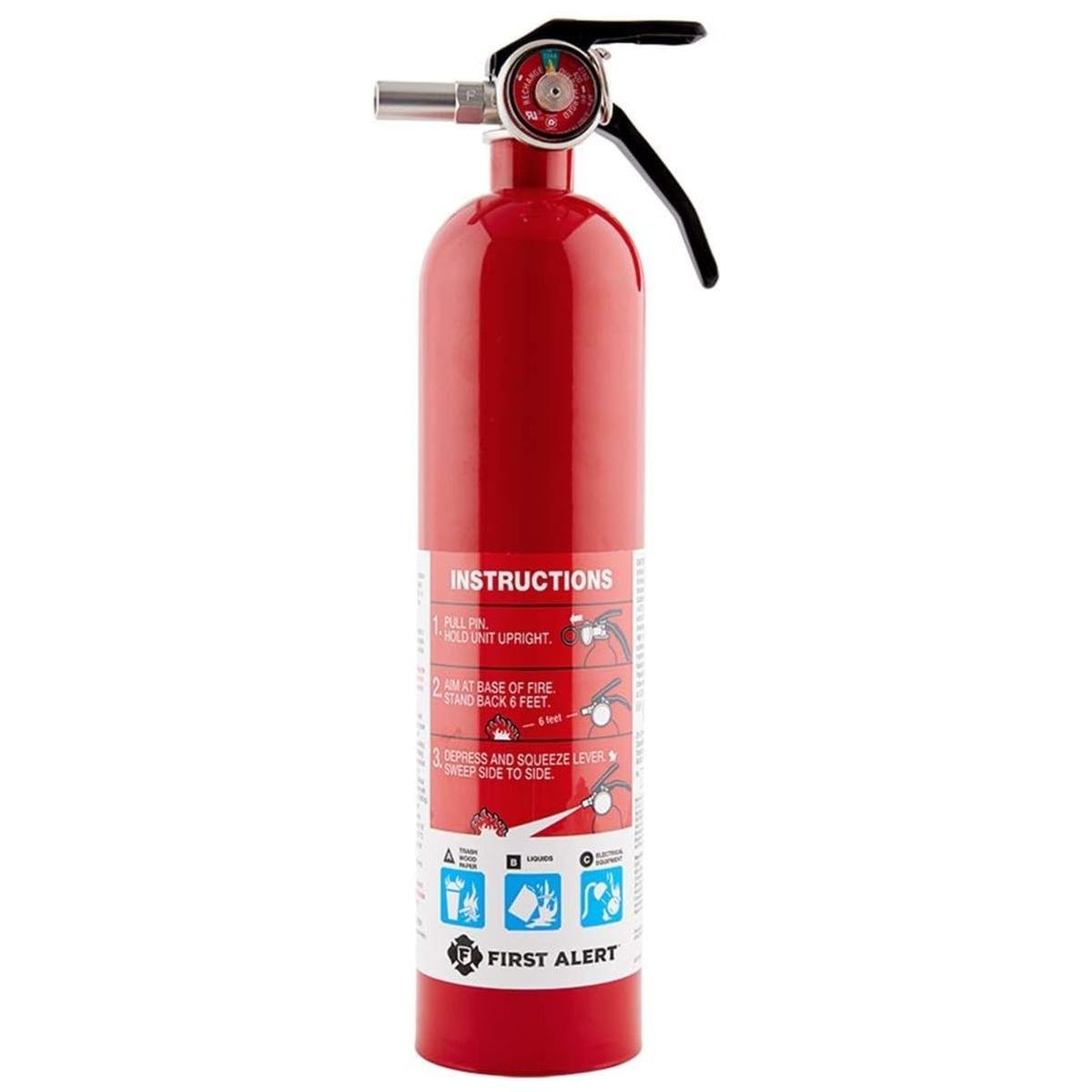 Expert recommended
"This is compact and dependable," states Josh, who highlights its sturdy all-metal construction and commercial-grade valve for demanding situations.
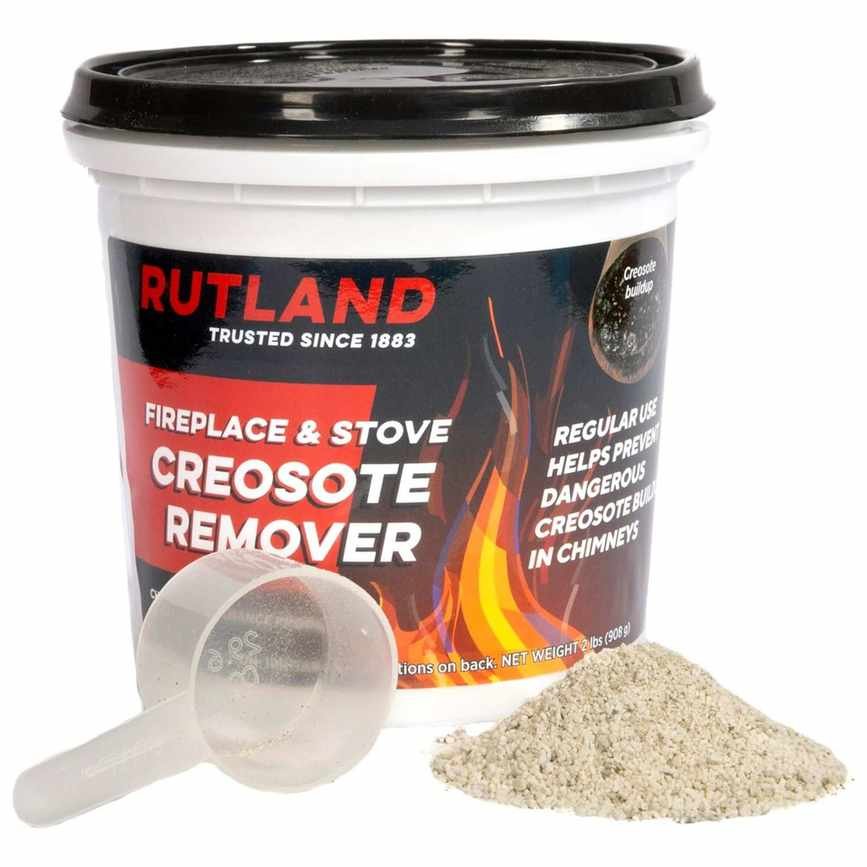 Prevents chimney fires
This product effectively tackles one of the leading causes of fireplace fires, making cleanup quick and efficient.
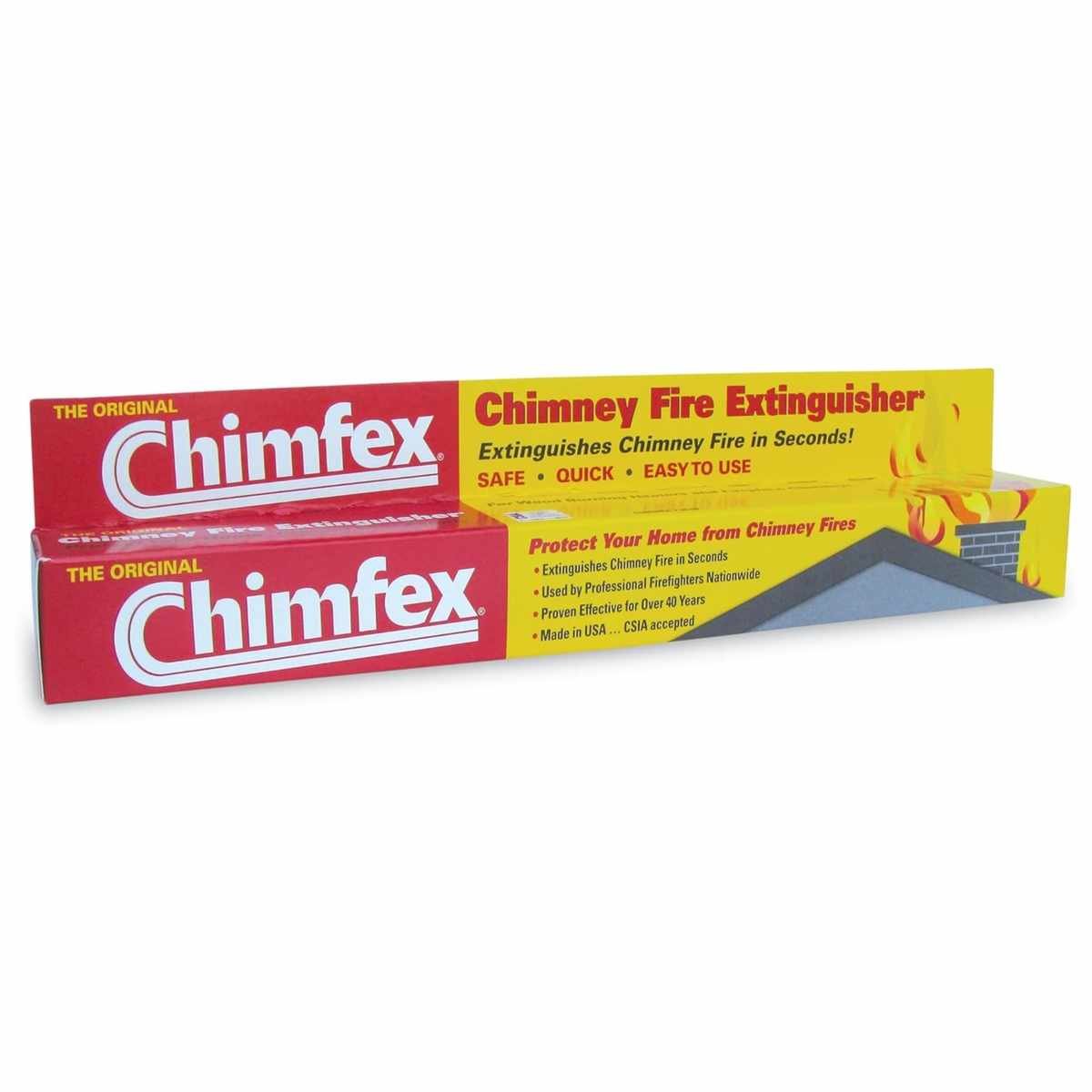 Easy to use
Josh highly recommends this Chimney Fire Suppressant, which you ignite like a flare and place in the firebox. It cuts off oxygen and extinguishes a fireplace or chimney fire in under 30 seconds. It's affordable and easy to store nearby.
 Airtight
This metal canister features a locking clamp to keep your baking soda fresh and free from clumping. Place it on or next to your fireplace for easy access.
 Pack of three
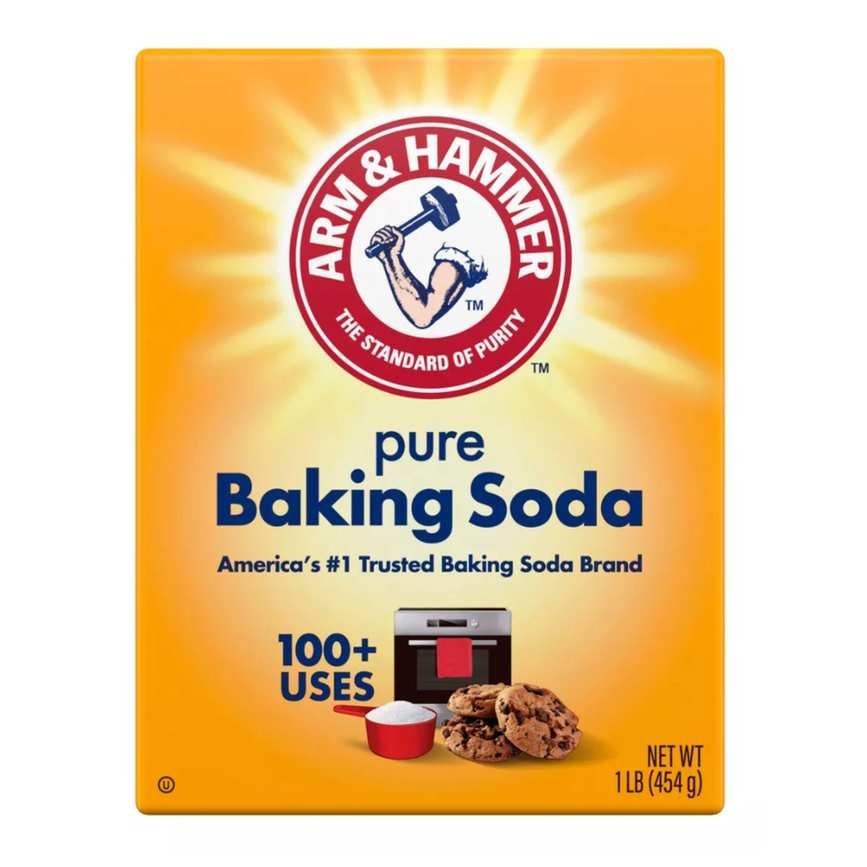
Purchase a bulk supply of baking soda to have readily available. It's also great for cleaning tasks, laundry, and deodorizing around your home.
 400+ bought last month
This handcrafted fireplace screen is sturdy with a protective mesh that combines safety and style.
Meet Our Experts

Todd is a principal designer and fireplace expert known for creating designs that balance elegance with functionality.

Steve leads a fire safety inspection company with over 30 years in the industry, focusing on fire safety for various structures.

Josh, an HVAC technician, founded AirConditionerLab and continues to provide valuable insights on home heating and cooling.
"From a design standpoint, I wouldn't recommend using baking soda as your sole means of fire safety," Todd remarks. "It's a reactive measure, and if you prefer a neat hearth, cleanup can create additional headaches."
Understanding how to prepare your chimney for winter will ensure it operates safely when you need it.