9 Creative Ideas for Balcony Privacy That Enhance Your Outdoor Space
If you're aiming to enhance privacy on your balcony, you’re in luck! There are numerous stylish solutions available, including plants, screens, large containers, clever seating arrangements, and more.
Keep in mind factors like the size, shape, and orientation of your balcony when planning your privacy enhancements. With thoughtful design, you can create a welcoming and intimate space for entertaining guests, soaking up the sun, or enjoying some peaceful relaxation.
"Your local climate, the structure of your building, and surrounding elements, such as the direction your balcony faces, will all influence what works best for your situation," explains Janna Robinson, a lifestyle-tech expert and interior designer. "When selecting outdoor products, ensure they can withstand the elements effectively."
9 Balcony Privacy Ideas for a Stylish and Secluded Space
Whether your balcony is small and quaint or spacious and expansive, there are various methods to transform it into a private oasis away from the eyes of onlookers.
"Balconies often feel overlooked and exposed to the elements, which can make them seem uninviting," notes Beth Murton, a garden expert. "While you may not want to completely block your view—especially if you have a lovely outlook—implementing some garden screening can help create a more usable and enjoyable area."
1. Use a Row of Planters for Simple Privacy
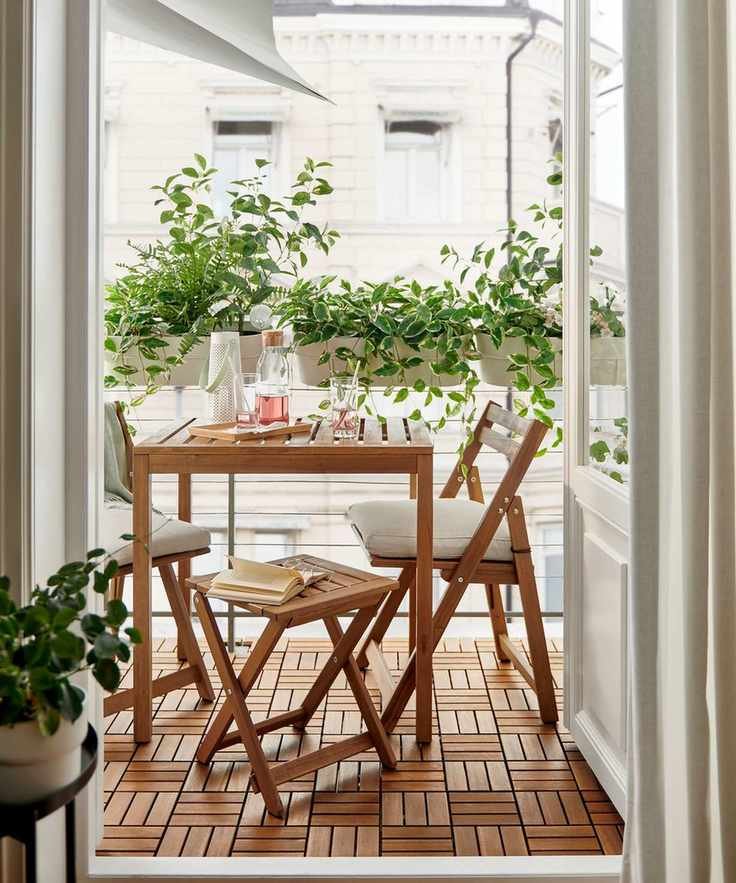
These planters, when positioned at eye level, enhance privacy for those seated at the table.
Achieving privacy on your balcony doesn't have to be complex. A straightforward solution is to line your railings with outdoor planters, providing a quick shield for a small dining or seating area. "Look for designs that can easily slot over the railings, but always ensure they are securely fastened to avoid being knocked or blown off during storms," advises Beth Murton.
"Consider your climate and environmental factors when selecting your plants, particularly if you prefer natural over artificial options," Janna Robinson adds. "If opting for artificial, be sure to assess material quality, UV resistance, and durability against outdoor conditions.
‘Artificial plants have a limited lifespan, so invest in high-quality options that offer longevity and value for your money,’ Janna continues. ‘Most outdoor artificial plants are treated to resist UV damage, helping to prevent fading from intense sunlight.’
2. Create a Natural Barrier with Large-Leaved Plants
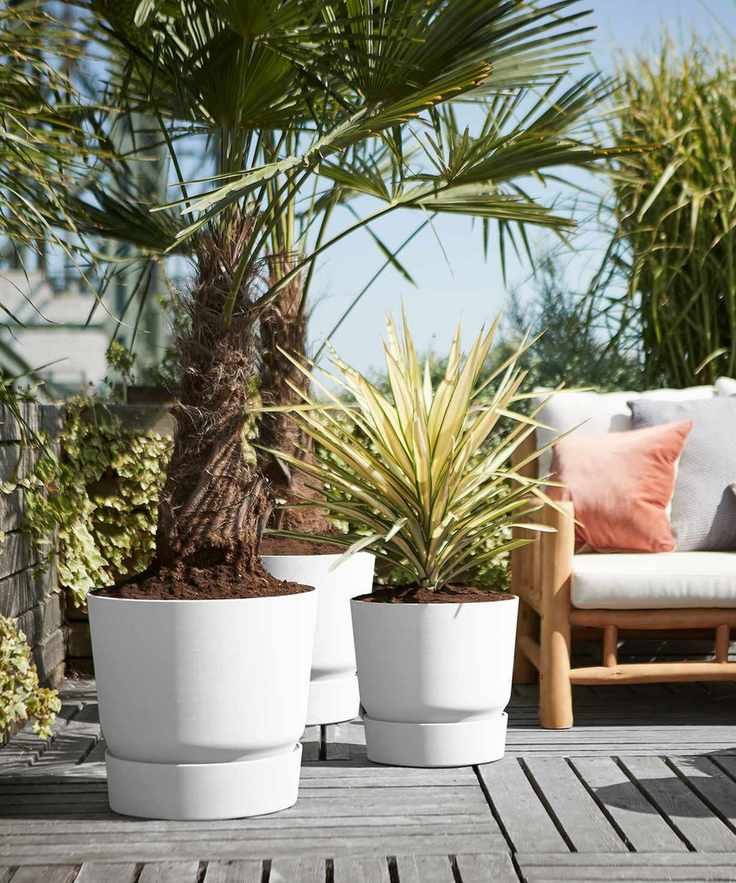
Large tropical plants not only make a statement but also provide privacy.
“Think big—don’t limit yourself to small plants just because space is tight,” suggests James Dowsing-Reynolds, founder and designer at Dowsing & Reynolds. “Utilize large-leaf plants like evergreen fatsia japonica for a lush jungle vibe, or opt for sun-loving plants like oleander, eucalyptus, or lavender for a Mediterranean atmosphere.”
In addition to offering a rich backdrop, large-leaf plants also create an effective privacy barrier. Tough plants like Chusan palm, cordyline, and phormium can withstand various weather conditions. For visual interest, try mixing different leaf shapes and textures. Feeling adventurous? Incorporate vibrant exotics like coleus, calathea, and canna.
3. Install a Wooden Divider
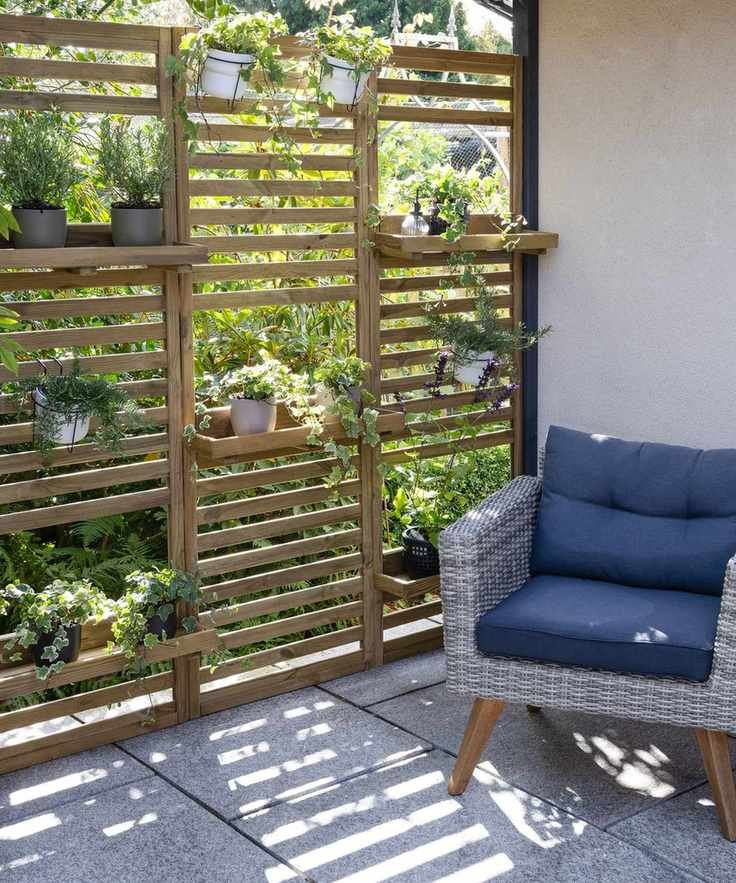
A slatted wooden divider serves as a stylish backdrop for vertical gardening.
A slatted wooden divider is an excellent way to introduce privacy while allowing light to filter through. This sleek design can enhance your balcony without overwhelming the space.
Timber slatted panels with integrated shelving create a chic barrier that is both functional and aesthetically pleasing. The gaps between the slats allow airflow, promoting plant health and letting breezes pass through. With built-in shelves, you can stylishly display herbs, colorful flowers, or trailing plants, creating your own living wall.
4. Plant a Living Screen for Added Seclusion
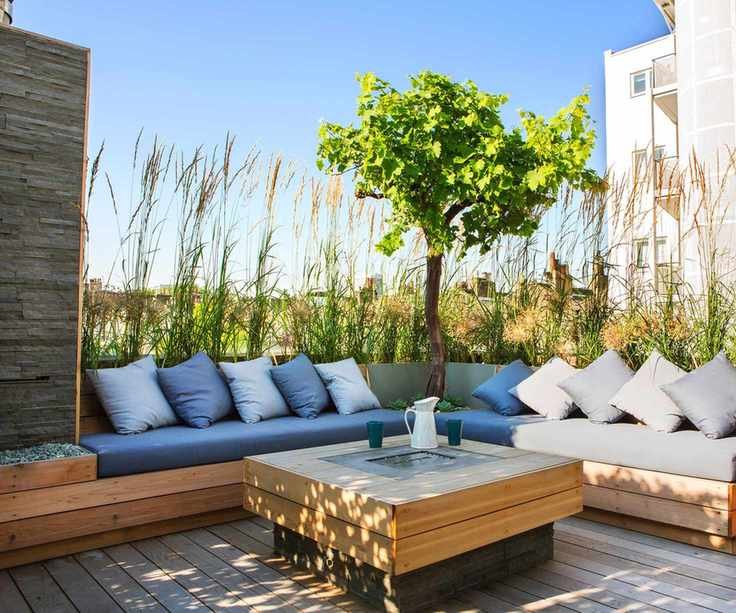
Ornamental grasses add a sensory element as they sway in the wind.
Incorporating built-in seating surrounded by tactile plants creates a delightful and private atmosphere. In this garden designed by Adolfo Harrison, a row of upright Calamagrostis ‘Karl Foerster’ forms an elegant living barrier that gracefully sways in the breeze. These ornamental grasses, planted in sleek aluminum containers behind a timber-clad bench, provide a dynamic summer border that dies back in winter but regrows in spring.
Robert Silver, CEO of Pro Gardening Blog, suggests various planting options for balcony borders. “A row of semi-evergreen shrubs or trees can create a natural boundary. Fast-growing bamboo is ideal for an elevated privacy screen, while ornamental grasses add height and concealment to your garden.”
5. Utilize Freestanding Privacy Screens
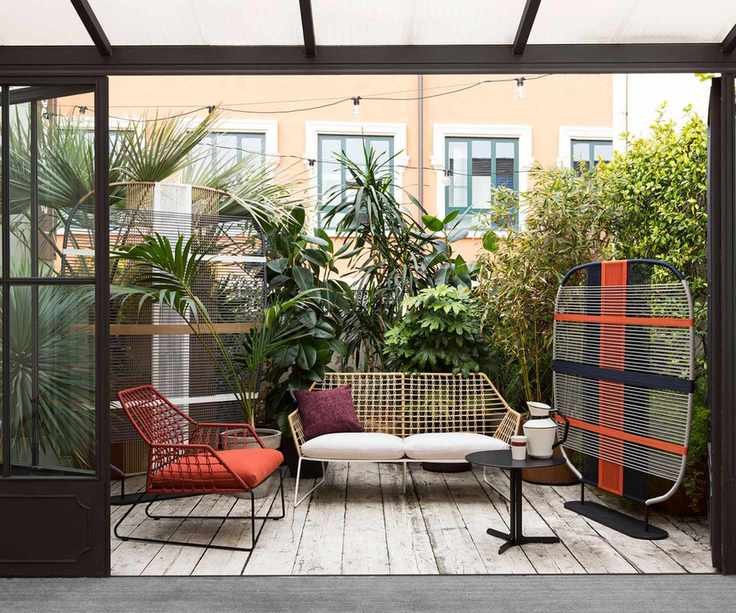
Freestanding screens can be repositioned throughout the day to maintain privacy as needed.
Partitioning your balcony into zones can be just as effective as in a larger outdoor area. A striking freestanding screen can define your dining or lounging space. They are easy to move as needed, making them a practical choice for balcony privacy.
Screen styles vary widely—from sleek designs made of polyester rope and coated wire to rustic woven willow panels. The stability of the screen depends on its materials, size, and design. Consider solid bases that sit flush on the ground or those with integrated planters for added functionality.
6. Enhance Privacy with Climbing Plants

Add color, scent, and texture to your balcony with climbing plants like this clematis.
Using plants for privacy is rewarding, especially on a balcony. Climbing plants are excellent for small spaces as they require minimal floor area while effectively covering railings and trellises. Choose plants that thrive in your specific environment, considering exposure to sun, wind, and shade.
David Angelov, CEO and founder of Plant Parenthood Design, recommends climbing hydrangeas for their glossy evergreen leaves and dual blooming seasons. “They cling to any surface and can be pruned to your desired length and density. A climbing hydrangea can thrive in a large pot over 20 inches in diameter.”
For quick coverage, David also suggests clematis, which can flourish in smaller pots but may only survive in warmer climates. “Clematis have stunning flowers and grow rapidly within a season, so it's advisable to trim them back at the end of the year for optimal growth.”
7. Elevate Potted Plants on Tables
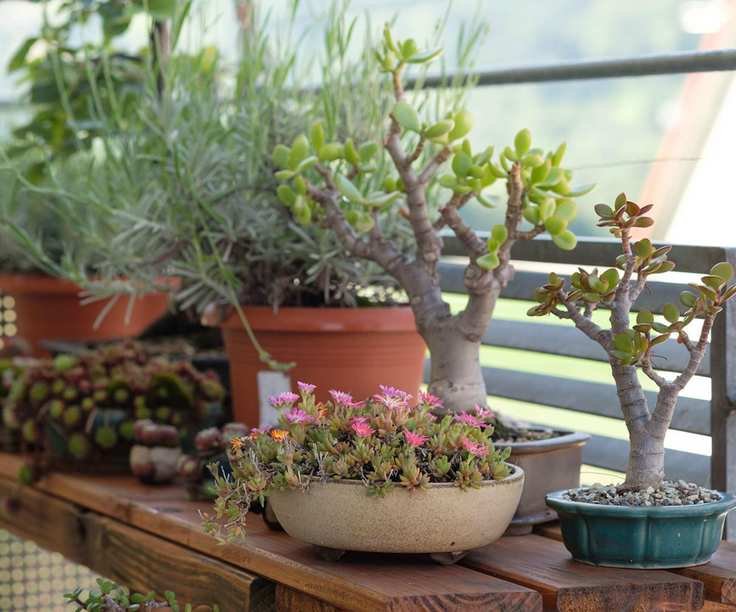
Succulents thrive in exposed balcony conditions.
If space is limited for potted plants, consider placing them on a table, potting bench, or outdoor storage unit to enhance their visibility and screening effectiveness.
Choosing the right plants for your balcony should reflect personal preference, but some may need to be more selective based on exposure to harsh winds or deep shade. “For balconies with limited sunlight, select shade-loving plants. A west-facing balcony can be particularly challenging,” notes Jean Bloom, an experienced gardener. “Plants like frangipani and certain succulents thrive in these conditions.”
“When considering climbing plants, ensure they are placed on the sheltered side of a screen if your balcony is windy,” Jean advises. “Opt for bushy plants with many branches and smaller leaves, such as coprosma or Indian hawthorn, which can handle some shade.”
8. Install a Sail Shade for Instant Privacy
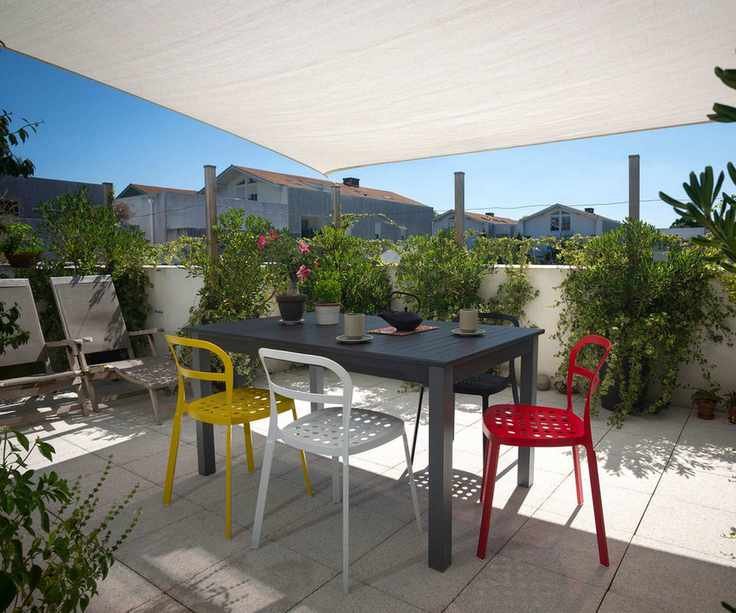
A modern sail shade is a simple yet effective way to create privacy on your balcony.
Sail shades, available in triangular, square, or rectangular designs, are fabric panels tensioned between fixed points like posts or buildings. While popular for backyards, they are also ideal for balconies, providing shade, privacy, and some protection from the elements.
When selecting a sail shade, consider the design, quality, and price. Look for fabric samples to assess weight and durability, ensuring they come with UV ratings and expected lifespans. Check stitching quality—high-grade PTFE thread is UV resistant and seams should be double or triple sewn.
Also, reinforce corners since they bear the most stress. Each attachment ring should be secured to the supports with tension screws for stability.
9. Incorporate Decorative Fretwork Screens
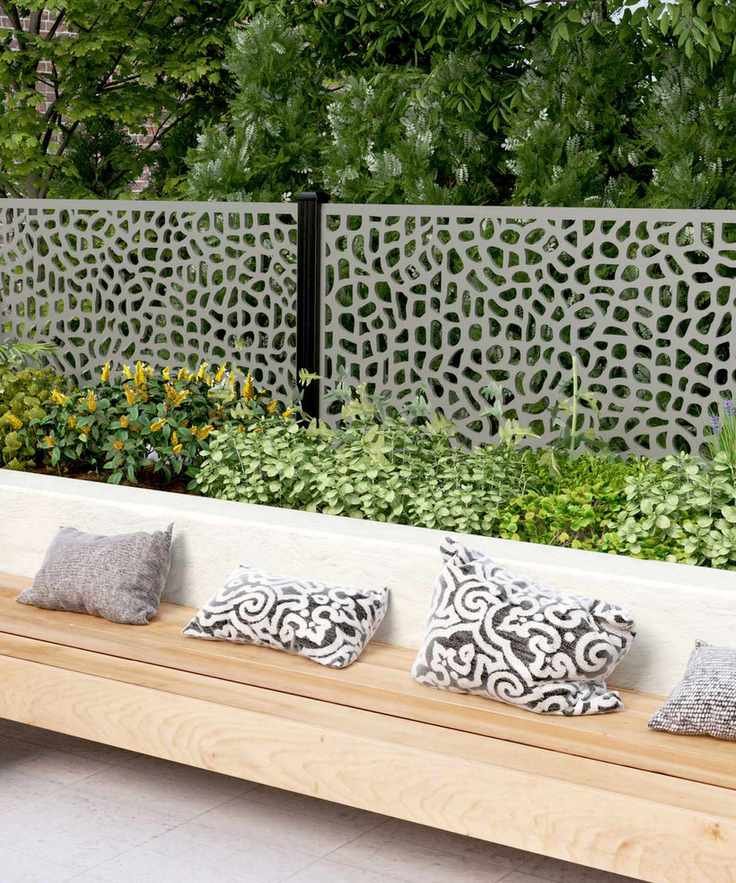
Fretwork designs offer a stylish alternative to standard glass balcony barriers.
Composite garden fence panels are excellent for enhancing the style of your outdoor area while minimizing maintenance. They are durable, UV-stable, and weatherproof, requiring only an annual cleaning to maintain their appearance.
With countless finishes, fretwork patterns, and panel sizes available, you can pair them with wooden, concrete, or aluminum posts for a modern aesthetic. Customize the design to achieve the desired level of privacy, whether opting for narrow perforated sections or full-height panels.
Can You Install a Privacy Screen on a Balcony?
Privacy screens are a fantastic solution for creating a secluded retreat, but they must also be safe and practical, especially for elevated or exposed balconies.
Before proceeding, verify with your homeowners' association or building management to ensure compliance with regulations. Discuss your project with your chosen supplier to confirm that the product is appropriate for your location.
Francesca Sgolmin, a product specialist, emphasizes the importance of considering the job site and wind conditions, the building height, and proximity to the sea when designing a privacy screen. Additionally, the fixing method and the structure it attaches to should also be evaluated.