5 Resilient April Vegetables to Plant Now for a Bountiful Harvest
April presents an excellent opportunity to plant robust vegetables that can endure the whims of spring weather. With temperature fluctuations and unpredictable moisture levels, it's crucial to choose vegetables that can thrive despite these challenges. Here are five hardy options that are perfect for early spring planting.
Starting new crops in April can be daunting, given the variety available. However, selecting resilient, easy-to-grow vegetables is especially advantageous for novice gardeners. These crops are typically low-maintenance, cold-tolerant, and quick to recover from stress.
Having cultivated vegetables in challenging climates, I've learned which varieties work best. If I had to recommend five beginner-friendly vegetables for April planting that can weather unpredictable conditions, they would be these.
1. Beets
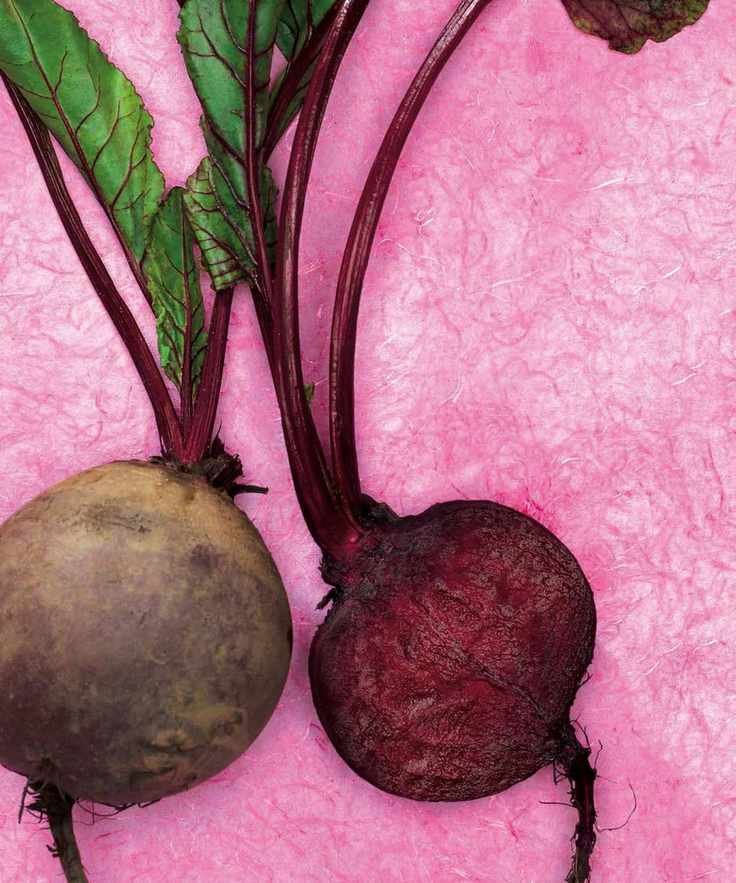
Beets are ideal for early spring sowing, as they germinate well in cool soils and can handle temperature changes. Once the soil hits 40°F, you can start planting beet seeds, although they thrive best at 55-75°F.
A soil thermometer, like this 4-in-1 soil meter at Amazon, can help you determine the right time to plant beets. Sow beet seeds directly into the soil, spacing them an inch apart in rows two inches deep. Thin seedlings to 3-4 inches apart once they sprout.
Beet seedlings are quite hardy and can tolerate light frosts. They benefit from frost cloth for protection against unexpected late frosts. Beets thrive in moist conditions, particularly during their initial growth stages, and are not fazed by spring downpours.
Even if root development is slow, the beet greens are nutritious and can be enjoyed steamed, sautéed, or as part of salads.
Explore beet seeds at Amazon
Check out beet seeds at Walmart
2. Potatoes
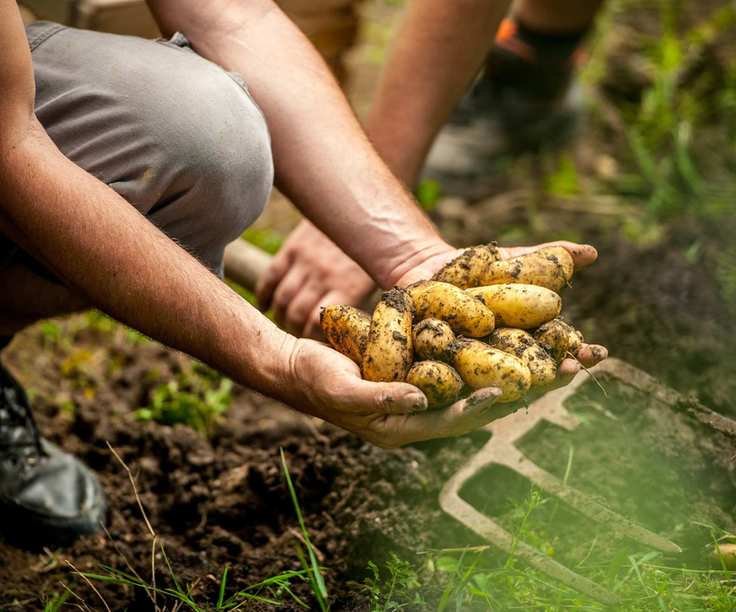
By now, gardeners should have started chitting their potatoes. If you missed this step, you can still plant seed potatoes, though it may delay your harvest by a few weeks.
April is critical for planting potatoes. Early varieties should be planted at the month's start, while maincrop types can go in from mid-April onward.
Plant seed potatoes in 4-6 inch drills or individual holes, ensuring they are at least two inches deep and spaced 12 inches apart for early types and 15 inches for maincrop.
Potatoes are resilient and can endure cool, wet springs. However, ensure your soil drains well — prolonged waterlogging can lead to rot.
Even if late frosts damage the young shoots, they can recover by mounding soil over them, allowing continued growth. Potatoes can handle temperature changes and heavy rain, making them a reliable choice for gardeners.
3. Kale

Kale is a remarkable choice for April planting. It withstands varying temperatures and strong winds with ease. Preferably grown in cooler conditions, kale does best below 75°F.
During dry spells, ensure kale is watered, although it's fairly drought-resistant once established. A stake can help keep plants upright during storms, allowing you to enjoy nutritious leaves throughout the season.
Early spring is a great time to start kale seeds indoors for summer and fall harvests. Sowing again in midsummer will provide more kale for winter and spring use.
Some excellent varieties include lacinato kale, also known as dinosaur kale, and dwarf blue curled, both of which are productive and hardy.
4. Peas
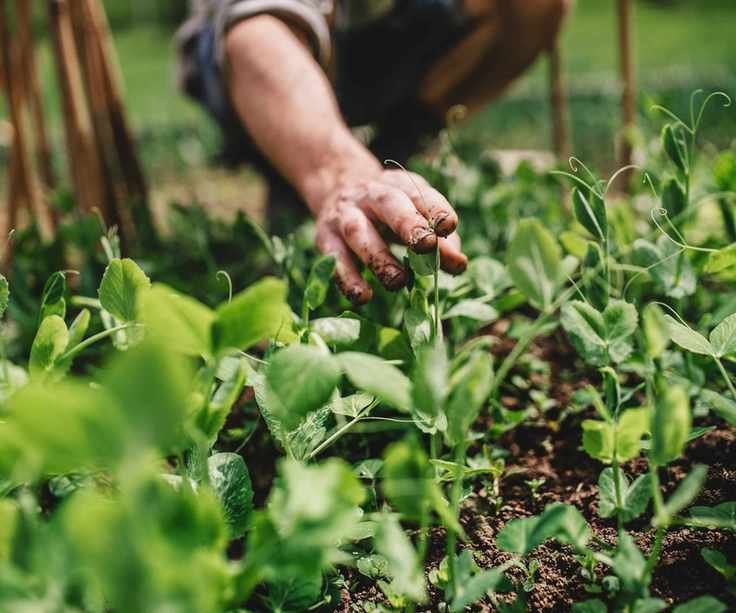
Peas are resilient and can be sown indoors or outdoors in April. For best results, practice successive planting from early spring to early summer to maximize your harvest.
When the soil temperature reaches 45°F, sow peas directly into their garden spot or start them in deep pots indoors to protect them from pests.
Young pea plants are surprisingly tough and can handle unpredictable weather and light frosts, quickly recovering as temperatures rise.
As long as they're planted in well-draining soil, peas are unfazed by spring rain. However, avoid letting them sit in saturated, cold soil to prevent rot. Enhancing soil drainage with organic matter, like organic compost at Lowe's can help improve drainage.
Snap peas typically take 50-70 days from planting to harvest, while shelling peas take around 70-90 days. Early sowings are crucial to ensure crops mature before summer heat sets in.
5. Leeks
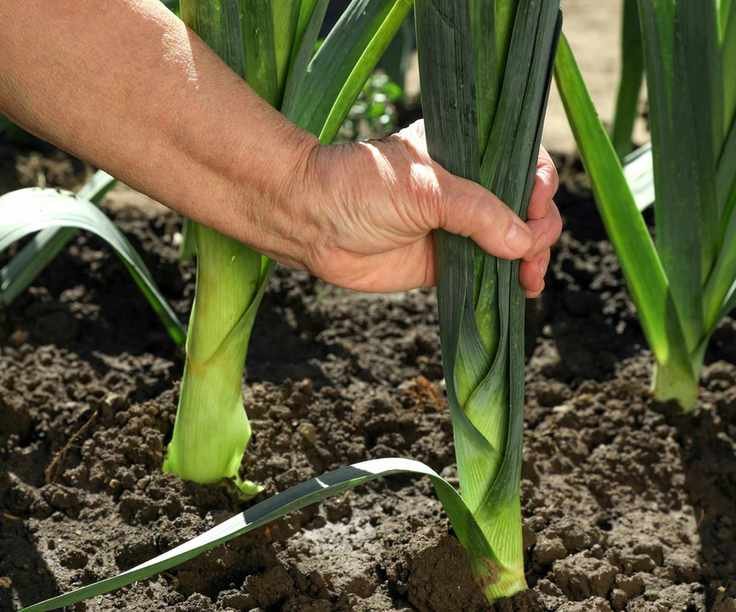
Leeks require a lengthy growing period, but they can withstand various weather conditions. Many leek varieties thrive in warm summers and can even survive winter outdoors.
For leeks, sow seeds in well-draining potting mix indoors or directly in the ground. When starting indoors, plant seeds half an inch deep and keep them in a warm location (50-60°F). Transplant leeks outdoors when they reach about six inches tall.
For outdoor planting, ensure the soil is at least 50°F. Create a trench one inch deep and thinly sow seeds, keeping the soil moist for successful germination.
These low-maintenance vegetables take 4-6 months to mature. Start harvesting leeks when the stalks are 1-2 inches wide and 18-36 inches tall. Hardier leeks can withstand cold down to 15°F, making them ideal for winter harvest.
Giant Musselburgh leeks are my favorite, known for their resilience in both summer and winter. You can also try Large American Flag leeks, which feature blue-green foliage and can be harvested throughout winter.
Best Supplies for Starting Vegetable Seeds
A seed starting mix is ideal for sowing seeds indoors, as it retains moisture effectively for healthy seedlings.
Module trays are perfect for starting plants without needing to prick them out, making transplanting easier.
A heat mat is beneficial for providing extra warmth to encourage faster germination. One option measures 10" x 20.75", providing temperatures around 68-86℉.
April offers more vegetable options than covered here. For additional inspiration, check out guides featuring crops like broccoli, celeriac, cucumber, zucchini, and pumpkin. While these may require more care than the resilient varieties mentioned, April is a prime time to sow seeds for successful homegrown produce.