5 Bedroom Scenting Errors That Disrupt Your Sleep Quality
When used appropriately, bedroom fragrances can help even the most restless individuals drift into a peaceful sleep. However, there are several common scenting errors that can actually hinder your ability to rest well, according to fragrance specialists.
Creating a pleasant aroma in your bedroom enhances your comfort and sleep quality. Yet, overdoing it with strong scents, choosing the wrong fragrances, or using ineffective methods can have the opposite effect.
Here are five key scenting mistakes to steer clear of for improved sleep, along with better alternatives.
Common Bedroom Scenting Errors
Avoiding these five fragrance pitfalls is essential for anyone struggling to get a good night's rest.
1. Relying on Candles

Candles can create a soothing atmosphere, but they also emit toxins that can compromise air quality and disrupt sleep. Moreover, leaving a lit candle unattended poses serious fire risks. Opt for safer alternatives to scent your bedroom without flames.
Tina Priestly, a home refresh expert, recommends essential oil diffusers:
'Essential oils not only smell delightful but also have properties that can eliminate unpleasant odors,' she states. 'Consider lavender or eucalyptus. Add a few drops to a diffuser or mix with water in a spray bottle for a quick refresh.'
2. Choosing Inappropriate Fragrances
Picking the wrong scents can significantly impact your sleep. Identifying the most suitable and unsuitable fragrances for your bedroom is crucial for relaxation, says Caleb Backe, a fragrance and aromatherapy expert:
'Strong scents like lemongrass or peppermint work well in kitchens but should be avoided in bedrooms. They can induce headaches and restlessness, disrupting your sleep,' he cautions.
'Citrusy and spicy aromas, such as orange or chai, can also energize you rather than calm you down, which isn't ideal before bedtime.'
Instead, select soothing options like lavender or comforting scents like vanilla. Fragrance authorities suggest considering calming scents designed for sleep, such as Cardamom Vanilla or Ylang Pistachio.
3. Overusing Fragrances

Even if you've chosen the right fragrance and switched to safer scenting methods, too much can still be overwhelming. Overloading your room with strong fragrances can irritate your airways and disturb your sleep.
Keep bedroom scents light and gentle for a more restful experience.
4. Scenting Improperly

Enhancing the aroma in your bedroom isn't solely about air freshening. It can lead to airway irritation if you introduce too many particles into the air. Instead, consider treating your linens and furniture with DIY sprays and laundry detergents for a subtle scent.
'Linen sprays are perfect for quickly refreshing a room without the need for a deep clean or worrying about candle flames,' shares Kerry Kip, a home fragrance expert. 'Just two to three sprays from six to eight inches away provide even coverage for a delightful aroma.'
5. Incorrect Diffuser Usage
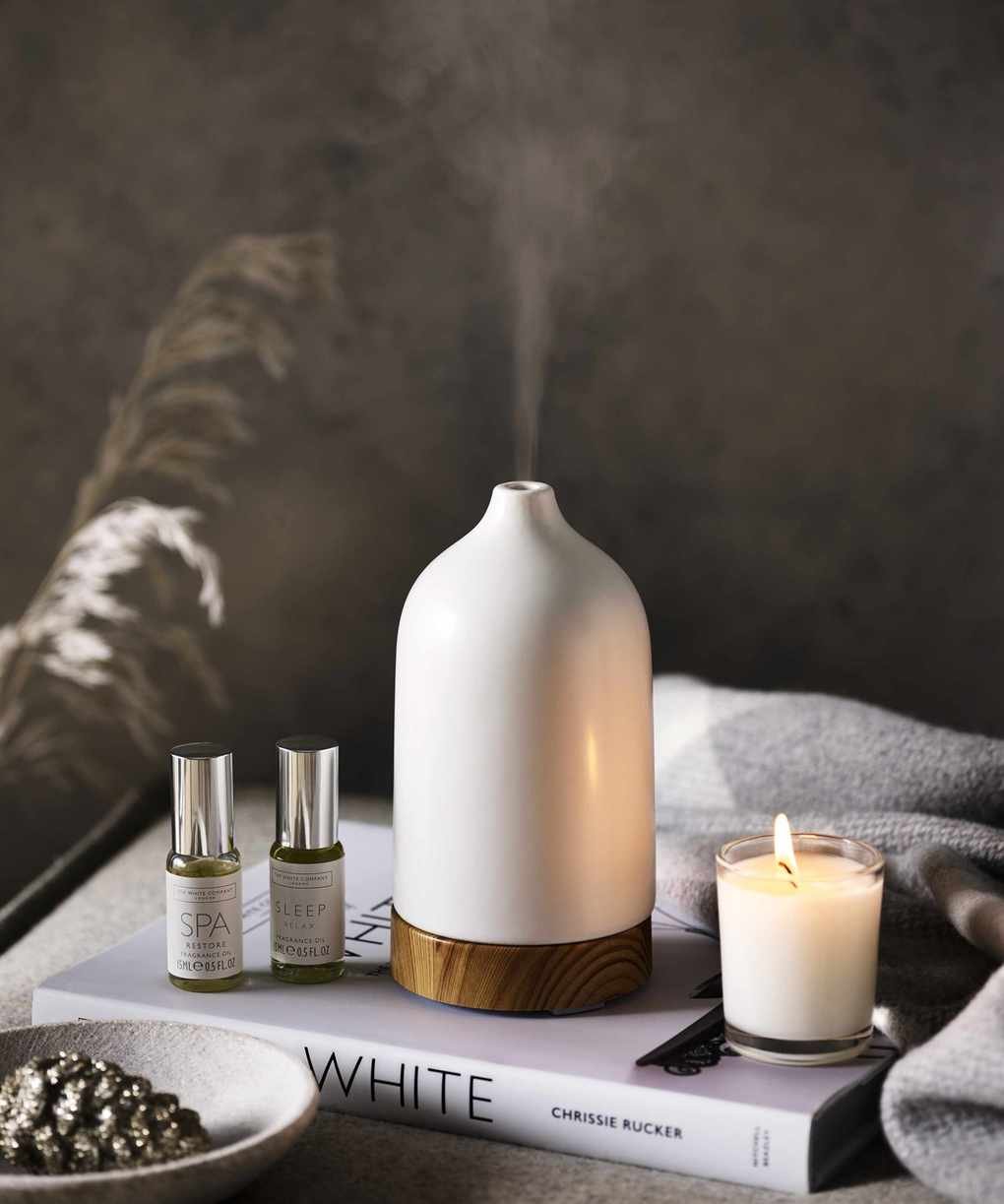
While essential oil and reed diffusers are effective for bedroom scenting, they come with important considerations. Caleb Backe advises proper usage:
'One common mistake is using a diffuser that doesn't fit the room size. Always refer to the manufacturer's guidelines for oil-to-water ratios to achieve the best results.'
FAQs
How can you keep your bedroom smelling pleasant consistently?
Regular cleaning and vacuuming, frequently washing bed linens, and allowing fresh air in by opening windows can all help maintain a nice scent in your bedroom. Use diffusers to add a light fragrance without causing irritation.
Getting your bedroom fragrance right is one of many ways to enhance sleep quality. Pairing calming scents with blackout curtains and an air purifier will contribute to a better night's sleep.