10 Vibrant Hallway Color Schemes to Brighten Your Entryway
Choosing the right colors for your hallway can be a daunting task. As the first area you encounter upon entering your home, the hallway should set an inviting tone for the rest of the space. Unfortunately, this often overlooked area is frequently underappreciated in terms of its decorating potential.
To create a warm and inviting atmosphere in your hallway, consider the importance of color selection. Bold hallway ideas can make a striking first impression, but it's essential to think beyond simply applying any color to the walls. The size of the hallway and the amount of natural light it receives play a significant role, along with hallway paint ideas that harmonize with adjacent rooms.
Color Ideas for Your Hallway
Designers often use color to create an illusion of spaciousness, especially when dealing with small or narrow hallways.
Ruth Mottershead, a creative director, notes that hallways are frequently narrow and receive minimal natural light. However, with the right choice of hallway paint colors, you can infuse warmth and brightness into a small space, ensuring it feels welcoming.
Alternatively, consider utilizing a bold wallpaper to make a statement in your entrance hall, creating a cohesive flow from room to room, as Ruth suggests.
1. Create a Bold First Impression
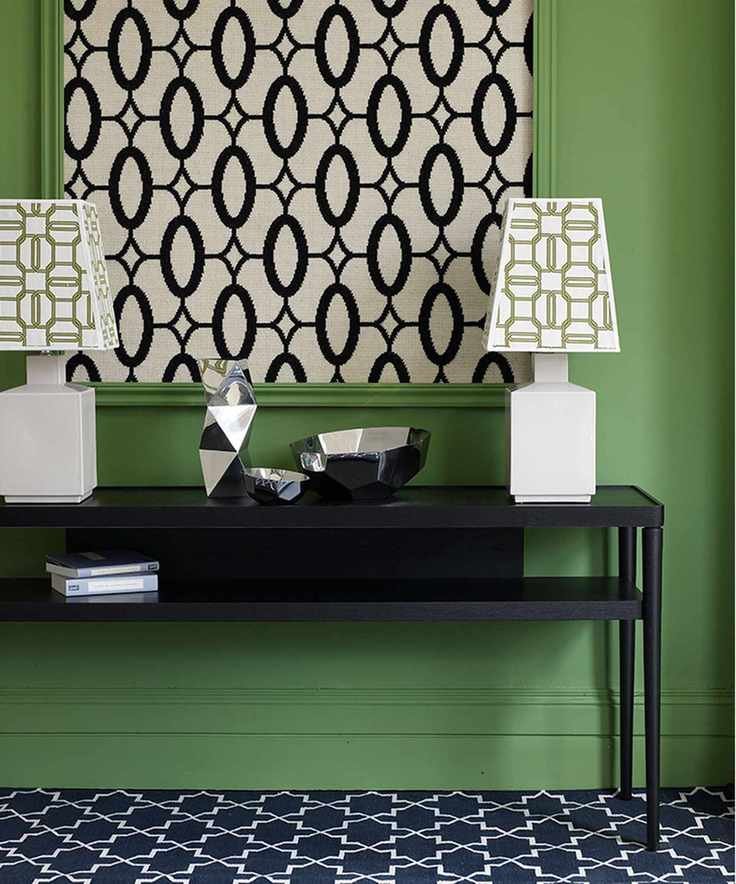
Even though hallways are primarily passageways, it's vital to give this space its own unique identity. Opt for an eye-catching color palette or striking wallpaper that captures attention and sets the mood for the rest of your home.
For a dramatic touch, consider deep green walls paired with elegant monochrome accents. Adding a chic black and white floor runner along with a coordinating wall hanging and a black console table will unify your color scheme. If space is limited, focus on entryway decor ideas that leave a memorable impression.
Justyna Korczynska, a senior designer, encourages homeowners not to shy away from dark colors. These shades can significantly transform a room, adding character and depth. A good way to begin introducing darker hues is by decorating smaller, less frequently used spaces like hallways.
Incorporating black can also provide a contemporary twist to traditional spaces and furnishings. When applied subtly, it adds definition and richness without necessitating a complete overhaul of the area.
2. Use a Standout Color for Impact
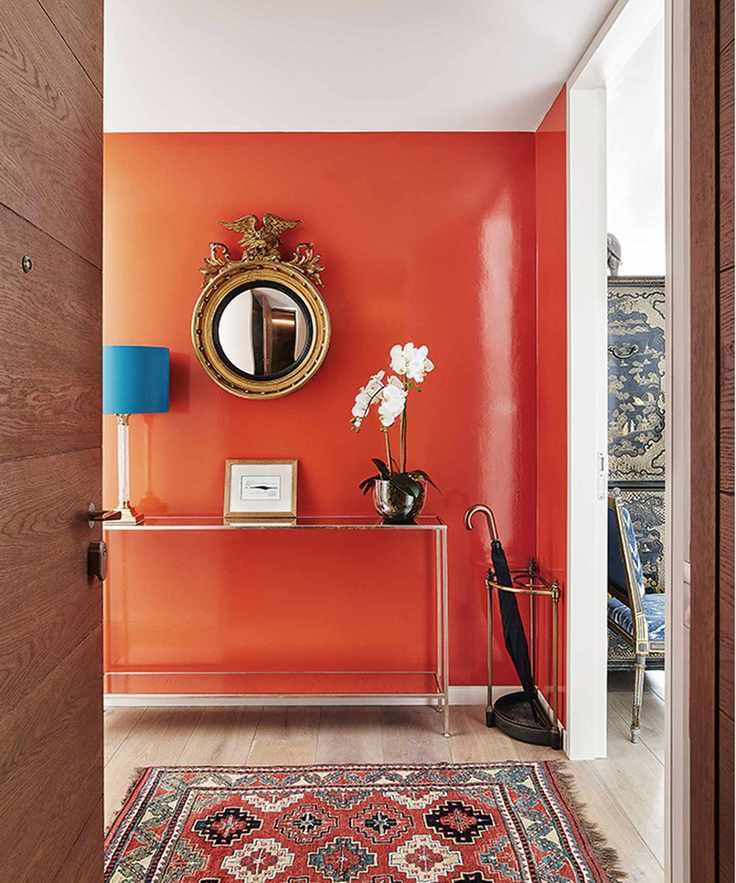
Hallways can often feel cluttered due to multiple doors leading to various rooms. A vivid wall color can effectively draw attention and divert focus from other elements. When selecting paint colors, consider the amount of natural light available. In darker hallways, opt for dramatic shades to create a rich, vibrant atmosphere. In well-lit spaces, choose lively, uplifting colors like red to invigorate the area.
Helen Shaw, a director, emphasizes the importance of room proportions when deciding which areas to paint. A dark shade at the end of a long corridor can create the illusion of a wider space, while the same hue on the side walls might make the hallway feel narrower. Additionally, paint can be utilized to enhance the perception of height or spaciousness.
3. Maximize Natural Light
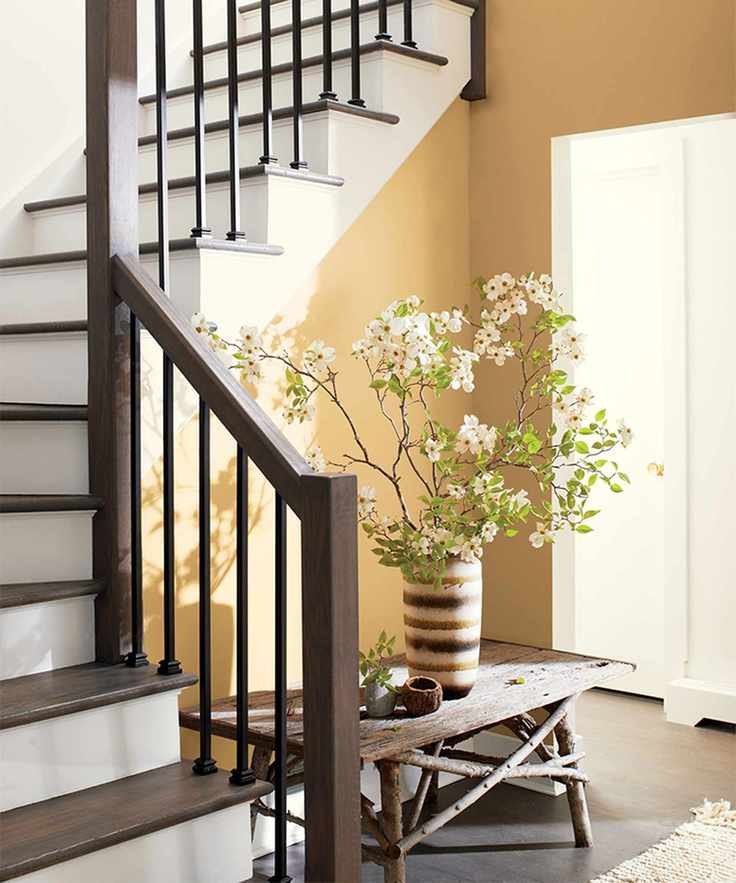
Hallways often lack adequate lighting, so it's essential to capitalize on any available natural light by opting for soft and uplifting neutrals. Shades like yellow and other light-reflective hues can help brighten your hallway and create a sense of openness.
Extending a cohesive color scheme from the foyer along corridors and up staircases enhances the feeling of space. Painting stair risers a brilliant white keeps the look light, while a darker hue on treads, banisters, and handrails adds depth.
Helen Shaw also advises considering the landscape outside your door when selecting colors. Testing paint colors in your entryway is crucial due to the fluctuating lighting conditions that can occur, from natural sunlight to artificial illumination. Apply paint samples and observe how they interact with the light in various scenarios throughout the day.
Consider adding life to neutral tones by mixing several shades on wainscoting, trim, and walls. If space permits, incorporating accent pieces like colorful chairs or small tables can introduce practical and visually appealing details.
4. Embrace Artistic Elements
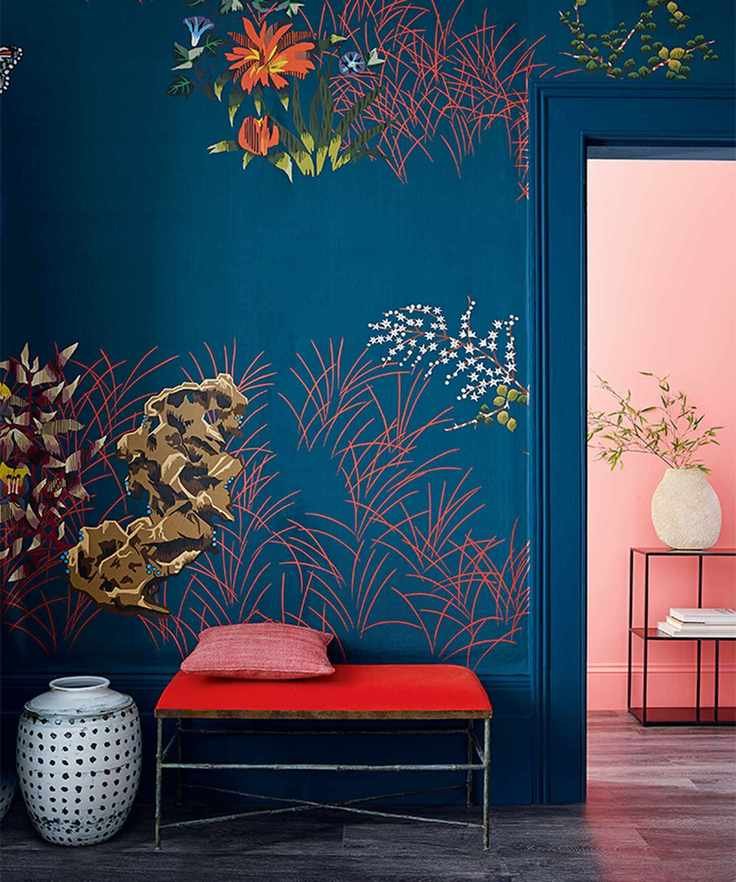
Hallways without windows can feel dark and uninviting. Instead of fighting this, embrace the ambiance by turning a large wall into a focal point. Consider adding a painted frieze or custom mural to draw attention and guide you through the space.
Explore blue hallway ideas and opt for a deep inky blue as your backdrop. This rich hue creates a lavish feel and can enhance continuity throughout the space by matching the walls with woodwork. Incorporating vibrant colors in wallpaper patterns can invigorate the area and should be repeated in furniture and furnishings to create a seamless flow into adjoining rooms.
5. Experiment with Playful Colors
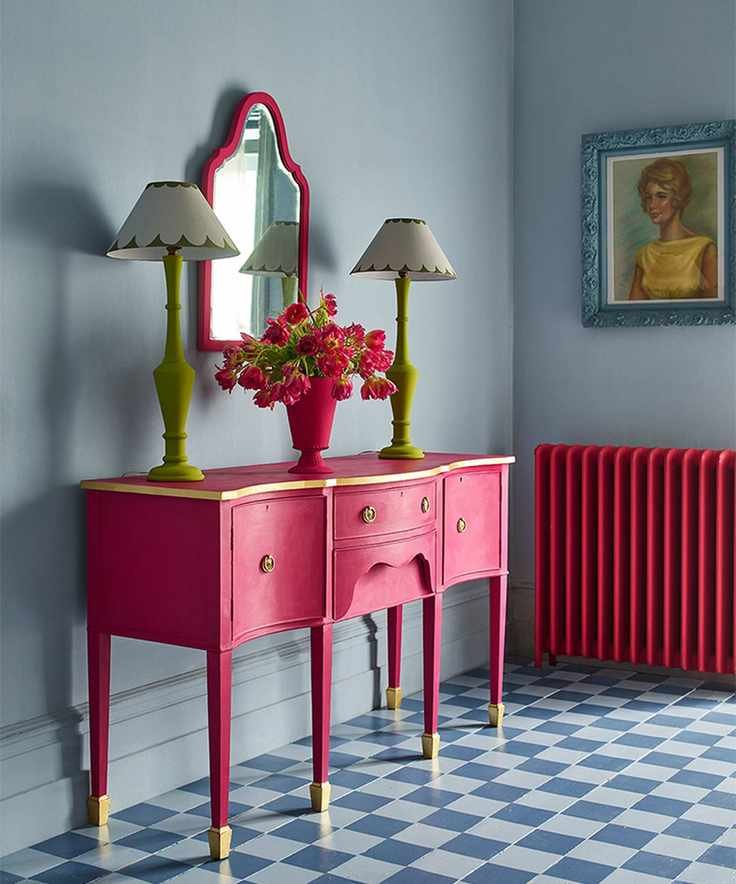
In bustling areas, muted neutrals and grey tones can instill calmness and facilitate a smooth transition into adjacent spaces. Introduce bright accents through console tables, fixtures, and even the reverse side of the front door to inject some personality.
Color expert Annie Sloan emphasizes the significance of first impressions. Your entryway should delight you upon your return home and impress guests. Given its smaller size, a hallway is the perfect opportunity to be bold and cohesive with your color choices.
6. Paint Walls and Woodwork in Harmonious Shades
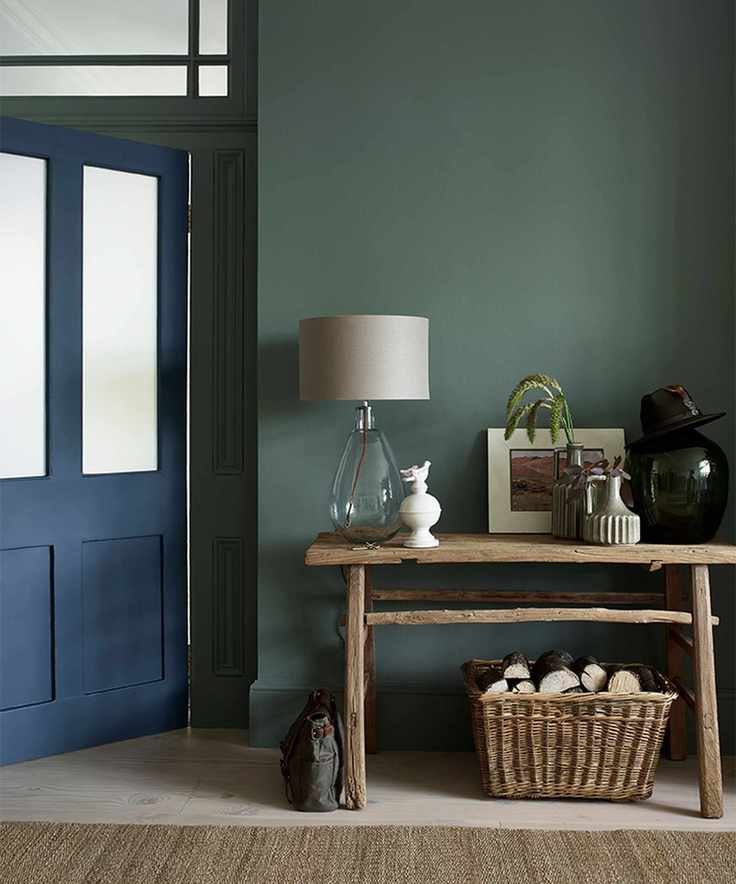
Seeking clever small hallway ideas? Instead of defaulting to white throughout a compact hallway to create a sense of space, darker shades can achieve a similar effect. Try using soft tonal colors for walls, skirting, trims, and doors to soften the edges of the hallway and create a blurred boundary effect. This technique can make the area feel larger by eliminating harsh lines.
Darker colors also offer practical advantages, as they conceal marks and scuff marks better than lighter hues. The back of the front door is another area to introduce an extra splash of color, and painting it a contrasting shade can be particularly effective.
7. Add a Pop of Color for Impact
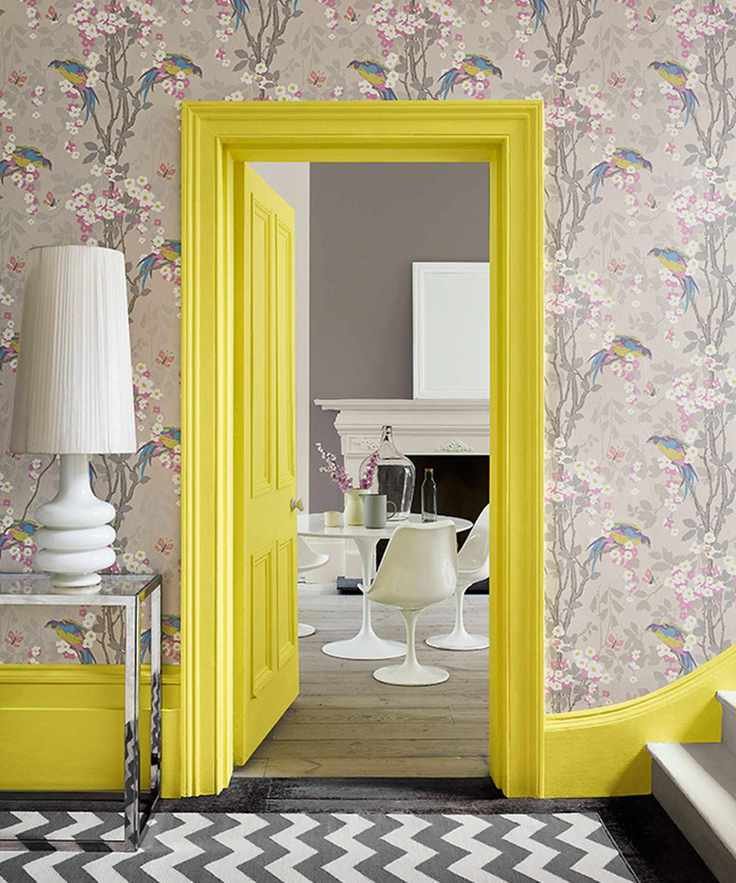
Creating a cohesive color scheme that spans a foyer, hallway, staircase, and upper landings can be challenging. Instead of focusing solely on wall colors, consider painting your woodwork in a vivid shade. This approach can establish continuity throughout the space while using bright colors for trims and doors can uplift an otherwise dreary hallway.
Ruth Mottershead highlights the importance of selecting a shade that fosters a sense of unity and transitions smoothly from room to room. A pop of color can serve as an impactful surprise in your design.
8. Select Complementary Colors
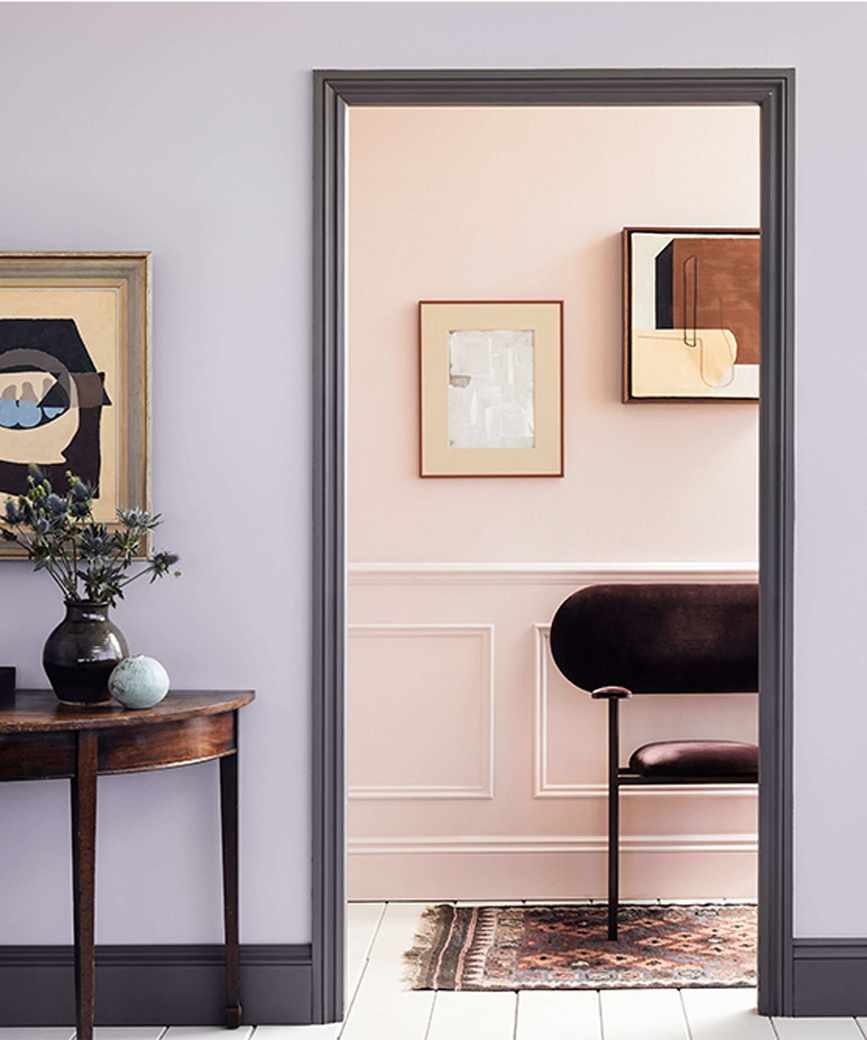
To create a more harmonious environment, consider the other rooms leading off the hallway when selecting your color scheme. Assess the hallway from multiple perspectives to ensure your color choice complements adjacent rooms or opt for a gentle, tonal shade that blends seamlessly.
Dominic Myland, CEO of a paint brand, notes that lilac is increasingly favored for its subtlety and versatility. This romantic hue can add a splash of color without overwhelming the space and pairs beautifully with a variety of other colors.
9. Warm Up with Yellow

Embrace vibrant hues by painting your hallway in a warm, earthy yellow to create an inviting atmosphere that welcomes you home. Yellow room ideas can invigorate dull spaces and evoke warmth, making them ideal for less-used areas like hallways or upstairs landings. Yellow also works well as a backdrop, making artwork stand out beautifully.
Edward Bulmer, an interior designer, suggests that sometimes a deeper golden shade is necessary, as some yellows can appear muted or flat. Earthy tones can create an inviting ambiance while serving as an elegant backdrop for art and antiques.
10. Let Flooring Be the Focal Point
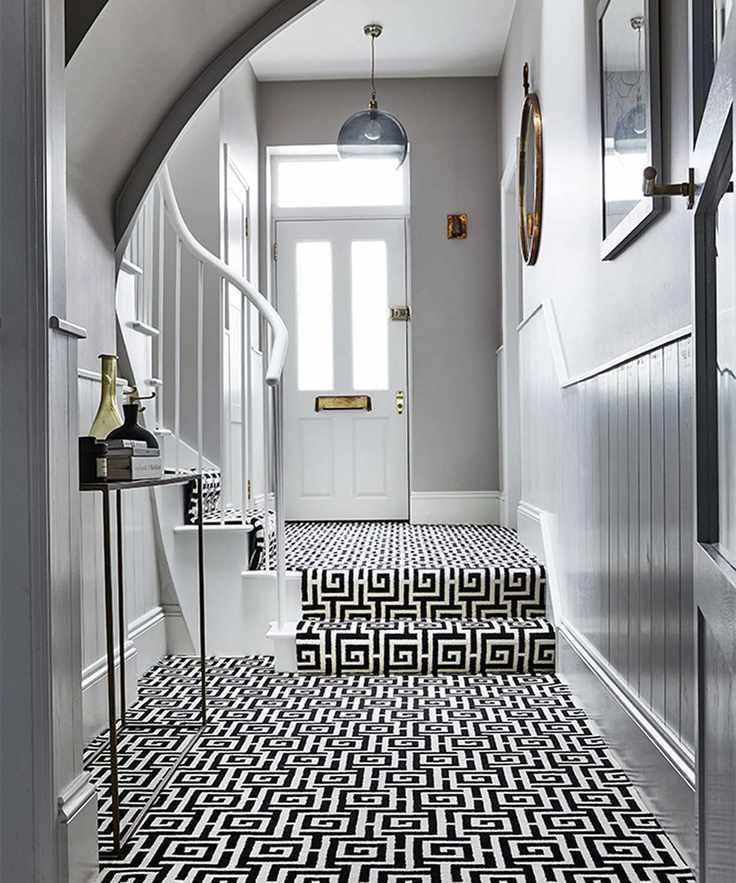
In hallways, decorating with neutrals can enhance cohesion across different levels and interconnected spaces. However, if neutrals feel too bland, turn to your flooring to inject some color into a neutral scheme.
A striking black and white carpet running through the hallway and up the staircase can create a timeless look. Monochrome is a classic color combination that pairs well with virtually any accent color, from soft neutrals to vibrant primaries. A lively pattern can provide visual interest and help establish a sense of flow in a busy hallway.
Jemma Dayman, a carpet buyer, notes that hallways and stairs often form the first impression for guests entering a home. Flooring is a perfect area to take creative risks. Bold colors and dynamic patterns can add excitement and work well alongside minimalist furnishings. Opting for repeating patterns can ease the transition into other rooms while being forgiving of everyday wear and tear.
What is the Ideal Color for a Hallway?
According to experts, calming colors like greens, whites, and greys are ideal for hallways, fostering a peaceful atmosphere. Pairing these colors with natural dark wood furniture and stress-relieving houseplants can transform a bland hallway into a serene retreat.
For areas that require brightness, particularly in dark corners or when harmonizing color schemes in hallways with staircases, vibrant yellow is an excellent choice. This cheerful color imbues spaces with energy and warmth, creating a cozy environment that sets a positive tone for the rest of your home.
Which Colors Work Best in a Small Hallway?
Utilizing lighter colors and reflective finishes can enhance the perception of space in a compact hallway, creating a luminous effect that brightens confined or dim areas. Soft, muted tones also contribute to a serene atmosphere in busy hallways.
For high-traffic areas, consider painting the lower sections of the walls in a darker shade, which will minimize the visibility of marks and scuffs. A lighter color on the upper portions of the walls can create an illusion of height, making the hallway feel more spacious.