10 Creative Bay Window Ideas with Blinds, Curtains, and Shutters
Searching for bay window ideas? These architectural gems flood your home with light and charm.
If you're fortunate enough to have a bay window, enhance its beauty with tailored window treatments. Curtains, blinds, or shutters not only control light and privacy but also underline the unique character of your home.
Bay windows extend from a building and consist of multiple panes, either angled or forming a box shape. Choosing the right window treatments can be tricky compared to standard windows. We've compiled a selection of ideas along with expert insights to inspire your choices.
Bay Window Ideas – Dressing Bays with Blinds, Curtains, and Shutters
Choosing bay window treatments can feel overwhelming due to the vast array of options, each with unique benefits. From classic curtains and Roman blinds to slatted Venetian blinds and wooden or composite shutters, the choices are plentiful. Understanding how you use the space and the desired effect is key to finding the right style.
1. Elevate with Full-Length Curtains
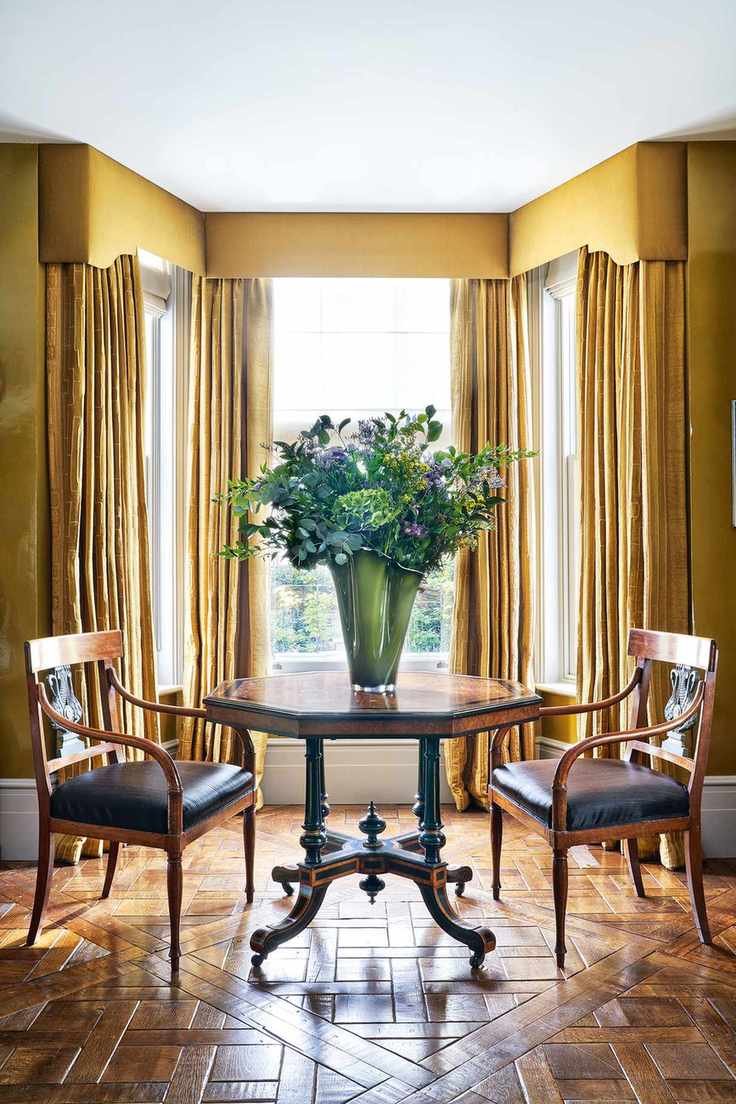
For a traditional dining room, floor-to-ceiling drapes are a timeless choice. They add elegance, with a variety of luxurious fabrics and prints available. Golden velvet, for instance, creates a glamorous atmosphere, while a pelmet conceals the curtain top, enhancing the formal style.
'A pelmet, or cornice board, is a decorative frame at the top of curtains, often found in classic designs. It can be crafted from foam core or plywood and painted or upholstered to match the curtains,' explains an interior expert. 'Pelmets not only add style but also help insulate windows, making them popular in older homes.'
2. Showcase Authentic Wood Shutters
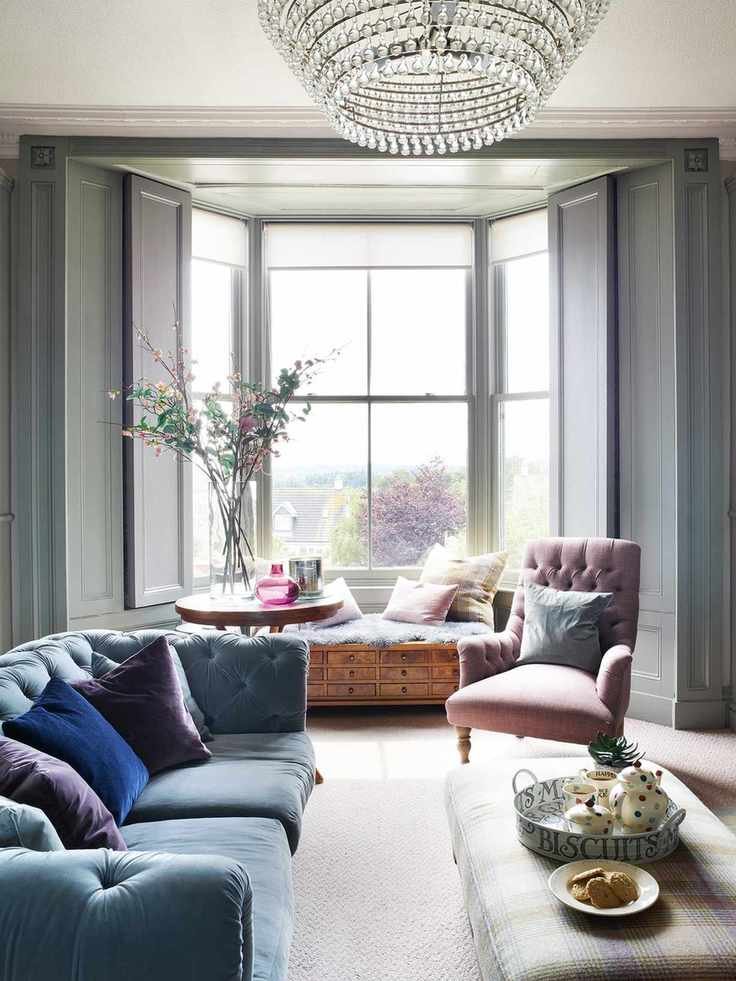
If your period home boasts original wooden shutters, highlight them in your decor. 'Original shutters are valuable features in historic homes and should be appreciated,' advises an industry expert.
3. Infuse Color with Roman Blinds

For tailored bay window ideas, consider made-to-measure Roman blinds. They control light while adding warmth and color to neutral spaces, preventing coldness. You can also opt for a combination of blinds and curtains for extra elegance and insulation.
When selecting blinds, it's often debated whether to install them inside or outside the frame. For larger windows with seating, extending the blinds beyond the frame may be best.
4. Create a Focal Point with Color-Blocking
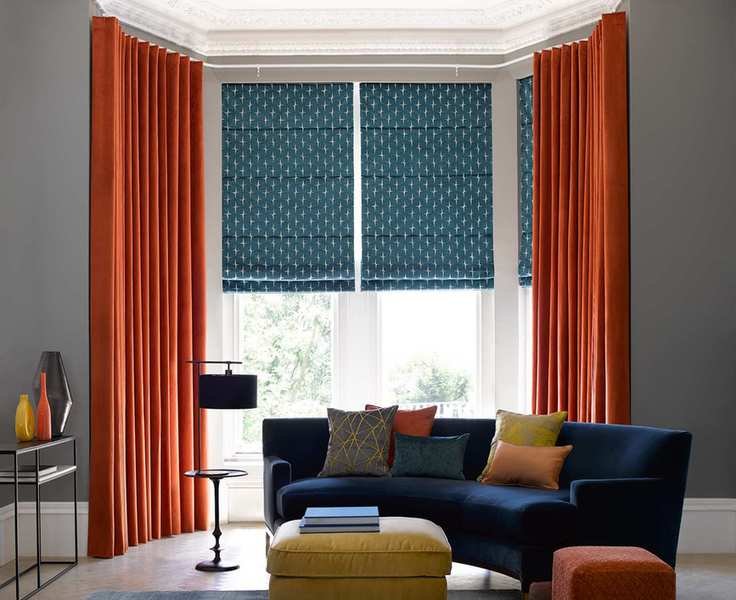
Combining Roman blinds and curtains allows for flexible light control and adds visual interest. For a stunning living room look, consider pairing rust curtains with contrasting peacock blinds.
'Curtains with a wave heading create a streamlined appearance and stack neatly when open, maximizing views and light,' shares an interior journalist.
5. Highlight Original Shutters
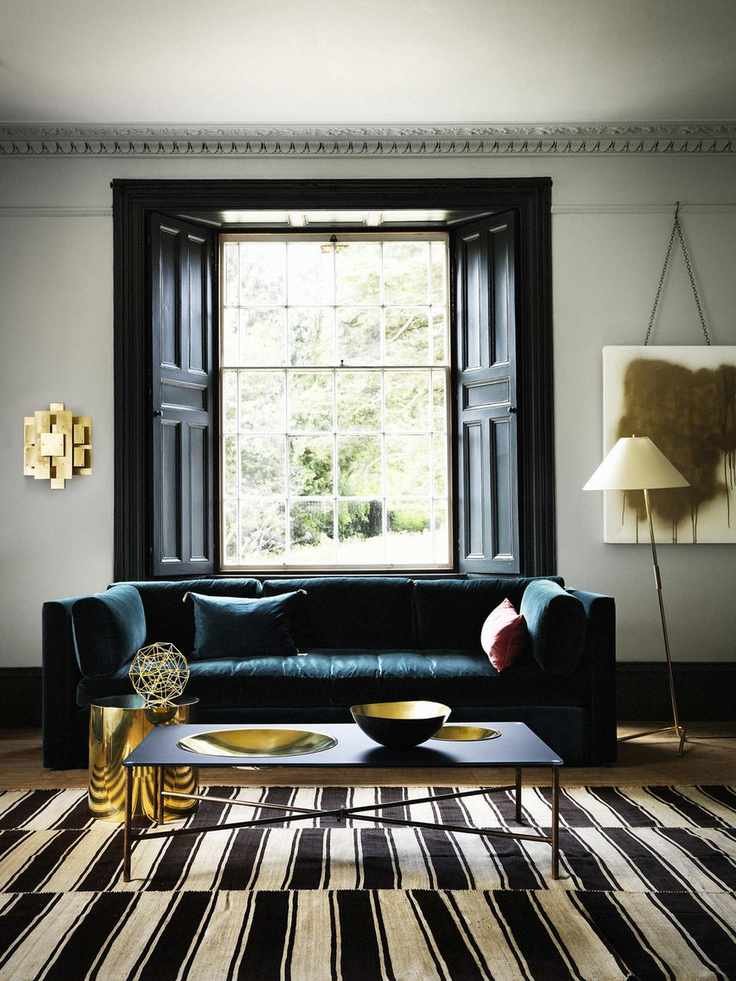
If you have original wooden shutters, maintain their natural finish for authenticity. Alternatively, if they've been painted, refreshing them with a contrasting color can add a playful touch.
6. Complete a Colorful Living Room

Full-length curtains lend a cozy vibe to living rooms. If your space features bold colors and patterns, soft pastel curtains can provide balance, as noted by a design expert.
'Neutral curtains complement busy interiors, allowing stunning views to flow into the room and making it appear larger,' she advises. If the bay window faces a street, pairing full-length curtains with sheer cafe-style curtains can enhance privacy during the day.
7. Add Personality with Patterns
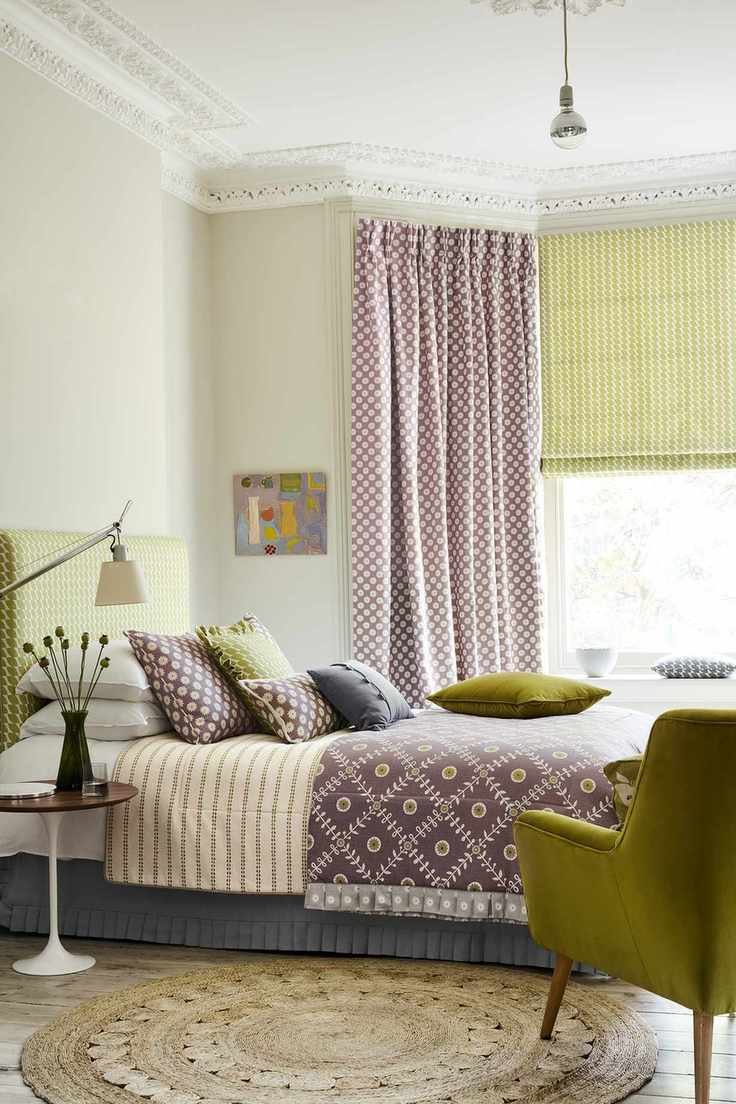
Mixing patterned curtains and blinds can inject fun and interest into a bedroom. Matching the headboard fabric to the blind design creates a cohesive look.
For a tranquil bedroom, opt for subtle, small-scale prints that won't overwhelm the space, while incorporating larger patterns through cushions and bedspreads for a layered effect.
8. Manage Light Levels with Plantation Shutters
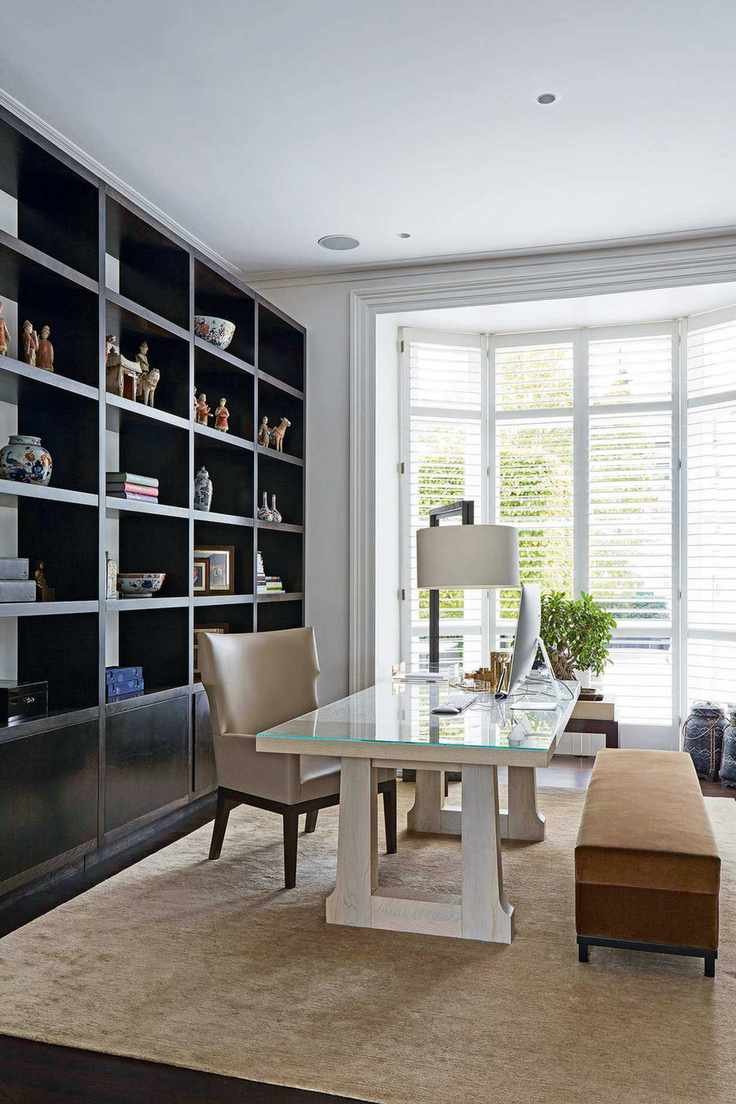
Plantation shutters with adjustable slats give you control over light and privacy, ideal for street-facing windows. Available in various styles, they offer a contemporary alternative to curtains and are easy to maintain.
9. Achieve a Country Feel with Striped Blinds
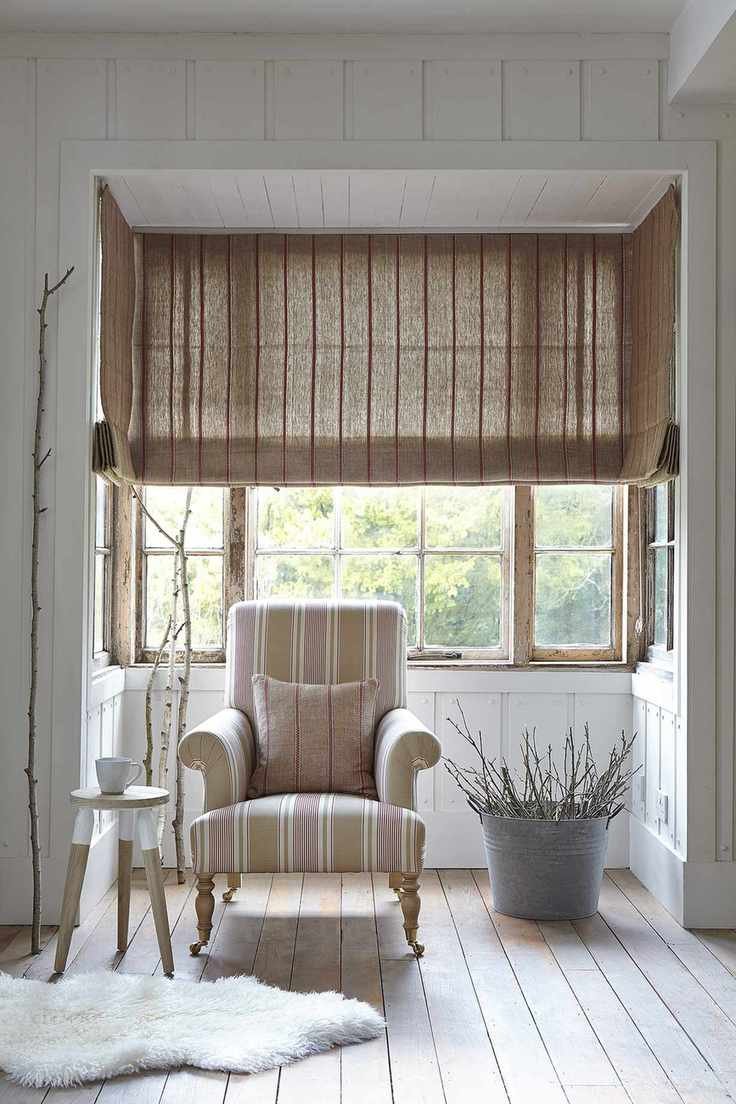
For a country home, opt for earthy linen blinds that complement natural materials. A classic stripe adds subtle texture while echoing rustic design.
10. Enhance Light with Window Film

To maximize light in a bathroom while maintaining privacy, consider sheer blinds combined with frosted window film. This solution allows light to enter while obscuring views, creating a serene bathing atmosphere.
What's the Best Way to Dress a Bay Window?
The ideal way to dress a bay window depends on the room's purpose and your aesthetic preferences. For bedrooms, prioritize light control with options like blackout and sheer blinds to balance privacy and brightness.
Curtains and blinds are excellent choices for various rooms, providing light control while adding color and personality. 'Curtains offer softness and warmth, allowing you to introduce color and patterns, which can be coordinated with wall colors and other fabrics,' explains a design professional.
In kitchens and bathrooms, consider water-resistant blinds or shutters for easy cleaning and durability. Plantation shutters are also stylish and functional, especially for street-facing windows, allowing light while ensuring privacy.
What Looks Good on a Bay Window?
There's a wide range of treatments for bay windows, from curtains to blinds and shutters. Choosing the right style is personal. If you want to highlight your bay window, consider fabric treatments like curtains and Roman blinds for warmth and color.
For a sleek, modern look, custom shutters can provide a polished finish. Properly dressing a bay window significantly influences the overall ambiance of a room, making it a key element in your interior design.
'I often start room designs around the bay window, ensuring it's integrated into the overall layout for functionality and aesthetics,' says an interior designer. 'A bay window can create a cozy nook for reading or dining, as long as light isn't obstructed. Planning your window treatment from the beginning is essential.'