The Best Timing for Planting Brussels Sprouts for Maximum Harvest
Brussels sprouts are a type of brassica that produce tall stalks adorned with round, sweet sprouts, typically harvested from fall through winter. These vegetables are commonly associated with winter meals, often gracing holiday dinner tables.
When growing Brussels sprouts, it's essential to allow for a lengthy growth period. Proper planning for when to plant these crops is crucial to ensure they have enough time to mature and yield a satisfying harvest.
Having cultivated Brussels sprouts extensively over the years in various vegetable gardens and my own plots, I can attest to their ease of growth. Once planted, these crops require minimal maintenance. The key is to provide them with ample time to grow into sizable sprouts that can be enjoyed throughout the winter.
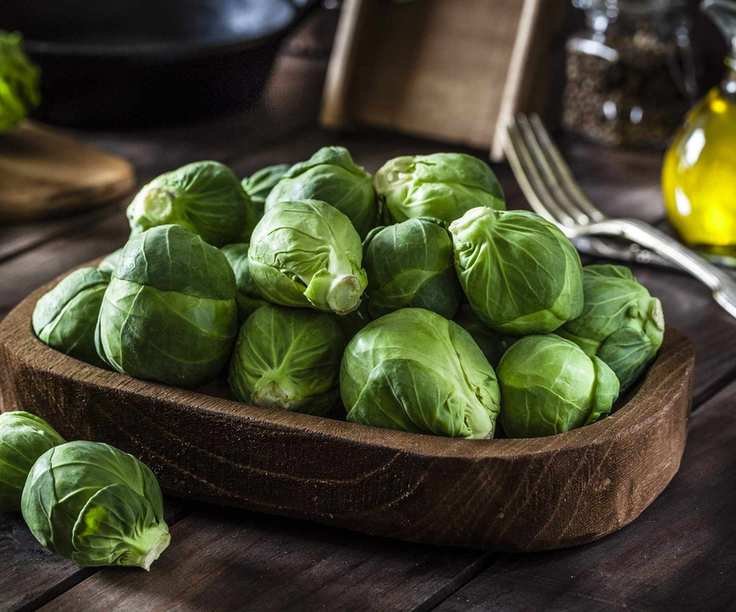
Brussels sprouts need time to reach their full size for a successful harvest.
Optimal Timing for Planting Brussels Sprouts
The timing of your Brussels sprouts planting depends on the method you choose. Options include starting seeds indoors for later transplanting, sowing seeds directly outdoors, or purchasing young plants from online retailers or garden centers to place in your garden.
Check out the range of Brussels Sprout Seeds & Plants available at Burpee.
Starting Brussels Sprouts Indoors
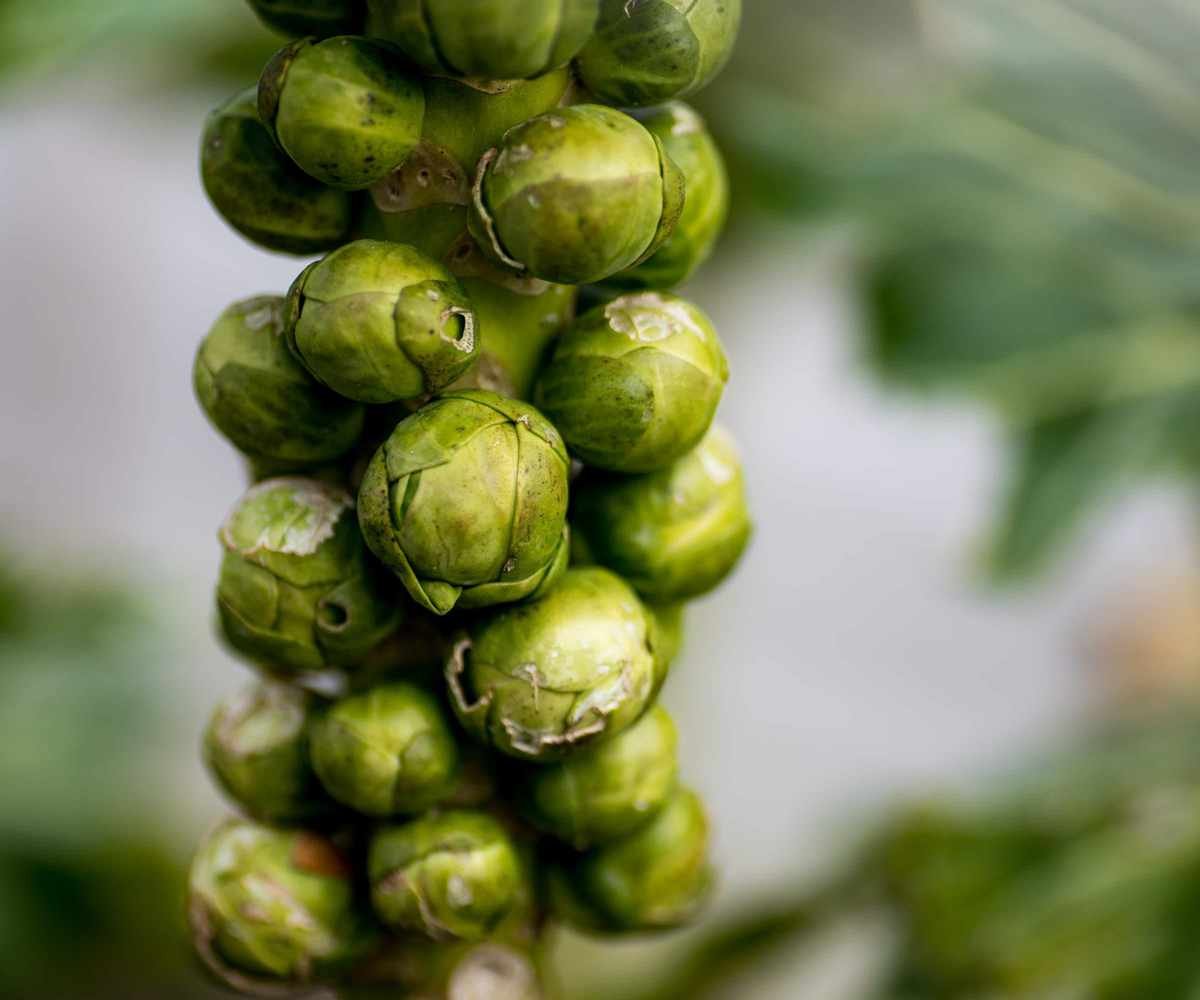
Brussels sprouts are often started from seeds indoors.
You can begin sowing Brussels sprouts seeds in late winter or early spring. I typically start my crops this way while planning for greenhouse planting, using small pots or modules filled with seed-starting potting mix. A good option for this is the Espoma Organic Seed Starter Premium Potting Soil Mix, available at Amazon. The ideal window for starting Brussels sprouts can range from March to April, depending on your local climate.
For a continuous harvest, it's advisable to sow the seeds successively. By planting Brussels sprouts every few weeks from March to May, you can enjoy a longer harvest season, extending from fall through winter, and ensure they are ready for the holiday festivities.
Transplanting Indoor-Grown Brussels Sprouts
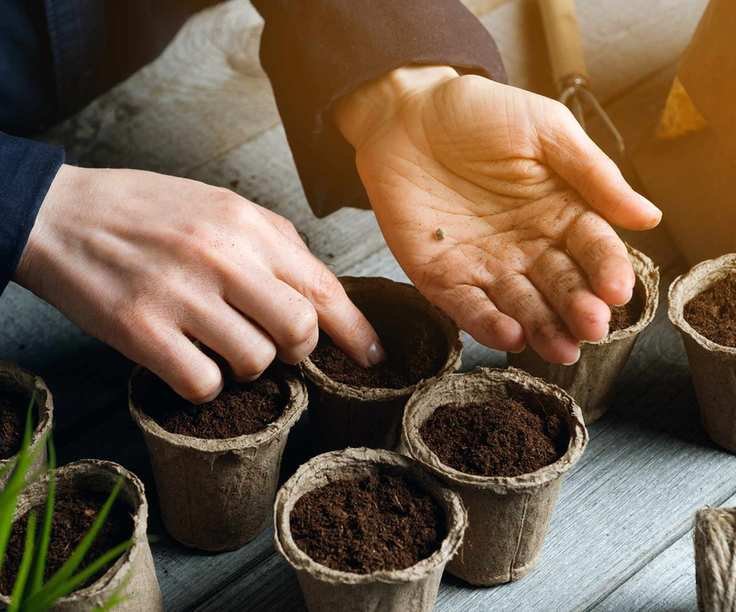
Transplant Brussels sprouts seedlings in spring.
If you start Brussels sprouts from seed or purchase young plants, they can be transplanted into your garden once the danger of frost has passed in your US hardiness zone. This typically occurs after May, provided the frost risk has ended and the soil has warmed, and the plants have reached a height of at least four inches.
For seedlings grown in a greenhouse, especially in a heated greenhouse, it's essential to acclimatize them before planting. This can be achieved by placing them outdoors for a few hours each day over the course of a week or using a cold frame to help them adjust to outdoor conditions.
When transplanting seedlings and young plants, ensure they are firmly positioned in the ground for stability.
Planting Brussels Sprouts Outdoors
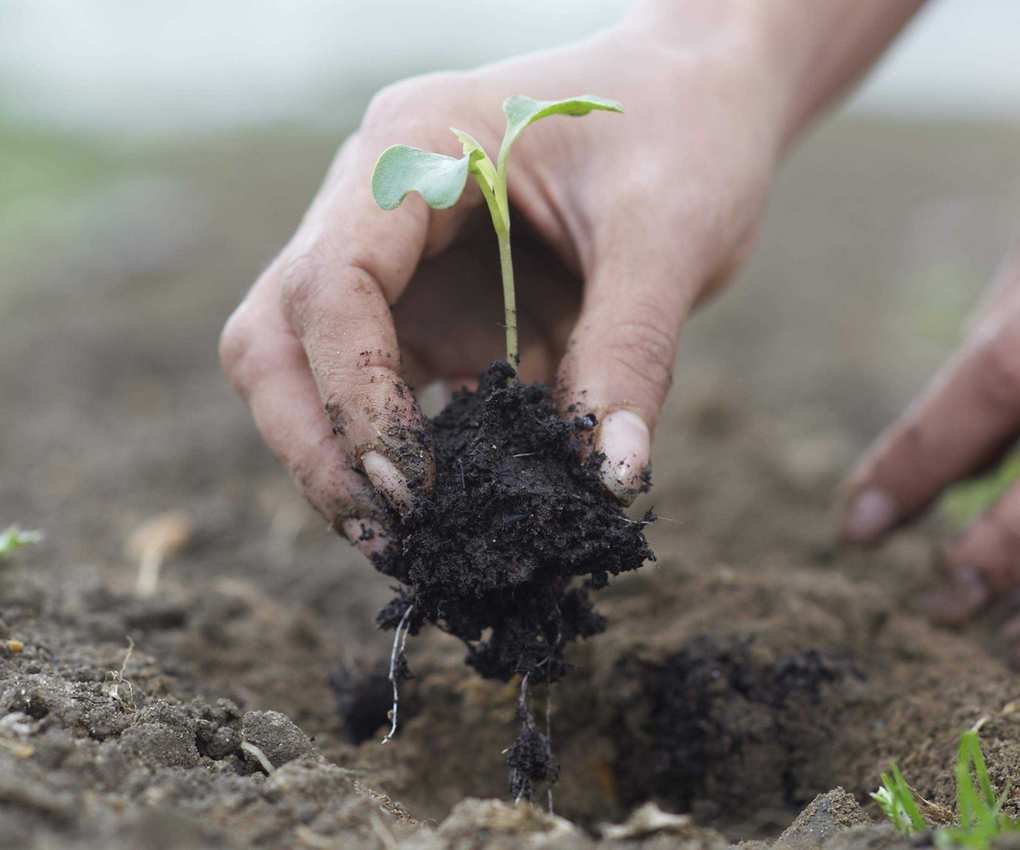
Transplant Brussels sprouts when they are several inches tall.
Brussels sprouts can be planted outdoors once the soil has warmed up in spring. You can encourage faster warming of the soil using cloches and fleece, which also create a protected environment for early planting. Depending on your climate, you can sow Brussels sprouts seeds outdoors in early spring, once the soil temperature consistently reaches above 45°F.
In milder regions with gentle winters, you can also plant Brussels sprouts in late summer or early fall for a winter and spring harvest. These sowings can be done indoors or directly in the garden. For a successful late sowing, it's crucial to ensure the plants have at least 100 days for growth to yield a plentiful crop.
However, be cautious with outdoor sowings, as slugs and snails might munch on seedlings. Consider implementing slug control measures to protect young plants from being damaged.
Frequently Asked Questions
What is the best time to plant Brussels sprouts for Christmas?
There are various Brussels sprouts varieties suited for different seasons: early, mid, and late. For Christmas, the mid and late-season varieties are ideal, as they can overwinter in the garden. These crops require a long growing season, so it's best to plant them in March or April to foster robust plants ready for harvest by the holiday season. A particularly cold-hardy variety suitable for winter cropping is the Long Island Improved Brussels Sprouts, available at True Leaf Market.
Can Brussels sprouts be grown in pots?
Yes, Brussels sprouts can be cultivated in a vegetable container garden. It's advisable to use a large pot, with a minimum diameter of 12 inches and adequate drainage holes. Opt for smaller dwarf varieties for containers, but keep in mind that each plant requires ample space; a 12-inch pot can only accommodate one plant. Remember, container-grown vegetables will need more frequent watering and feeding compared to those planted in the ground.
Although it's not a common practice, you can try growing Brussels sprouts from kitchen scraps. New plants can sometimes be grown from individual sprouts or by replanting the old stalk. While success isn't guaranteed, this could be an interesting gardening experiment instead of discarding unwanted scraps.