Why Filling Your Bathtub Before a Storm Is Essential for Safety
As a winter storm approaches, you might wonder, 'Why should I fill up the bathtub before the storm hits?' The answer lies in preparation. Having a bathtub filled with water provides a critical backup for sanitation, flushing toilets, and cleaning tasks. However, it's important to remember that this water must never be used for drinking.
Experts emphasize the importance of this simple yet vital step in getting your home ready for a snowstorm.
Reasons to Fill Up Your Bathtub Before a Storm
Philip Farina, a chief security and safety advisor specializing in disaster response, emphasizes the need for a reliable water supply. He states, 'The primary goal is to ensure you have enough water for various essential uses.'
'If a winter storm causes pipes to freeze or break, or if the power goes out, you may find yourself without access to water for basic needs.'
Megan Doser, owner of a plumbing and HVAC company, advises that filling a bathtub with water serves as an emergency backup. 'A storm is rarely just a single issue; it can lead to multiple problems inside your home, such as loss of heating due to power outages and frozen pipes due to heat loss.'
'When pipes freeze, water supply is compromised, making it vital to have water on hand for drinking, cooking, and daily activities like flushing toilets and washing hands.'
Megan points out that a typical bathtub can hold between 40 to 60 gallons of water, which is sufficient for flushing toilets, hand washing, sponge baths, and basic cleaning for at least two to three days for a household of two adults, and about a day for a family of four.
Additionally, Joseph Wade, vice president of operations for a plumbing company, notes that this water can also be beneficial for pets. 'If you have furry companions, this water can help clean their muddy paws or litter boxes,' he adds.
Why Drinking This Water Is Not Safe

The water in your bathtub is not suitable for drinking but can be used for washing purposes.
You might think that the water stored in your bathtub could be safe for drinking if you lack access to fresh water. However, HVAC expert Josh Mitchell warns, 'This water should never be consumed, even if it's boiled.'
He explains, 'A bathtub isn't made for storing food-safe water. Even if it appears clean, it can harbor soap film, bacteria around the drain, and deteriorating caulk that may contain mold.'
'The faucet may also backflow, introducing small contaminants. While boiling can eliminate bacteria, it won't remove chemical residues, metals, or anything leached from the tub. It's perfectly fine for washing and flushing, but not for anything meant for consumption.'
If you're concerned about drinking water, Josh suggests filling pitchers, jugs, or pots with clean water before the storm arrives. 'Make sure to store that water away from garages, bathrooms, or laundry areas where cleaners and other contaminants are kept,' he advises. 'Even sealed containers can absorb fumes or spills from nearby products, especially in small spaces with limited airflow.'
'Such exposure may not be immediately apparent, but it can render drinking water unsafe without any visible signs. The bathtub should only be a backup source, not a substitute for safe drinking water.'
Alternatively, Philip suggests purchasing emergency water storage from Amazon and ensuring you stock up beforehand.
As Joseph concludes, 'If you're worried about frozen pipes, it's best to accumulate drinking water before a storm hits.' You can also insulate pipes and drip faucets to prevent freezing, and maintain an appropriate temperature to keep your heating running efficiently.
Shopping Tips for Emergencies
All prices were accurate at the time of publication.
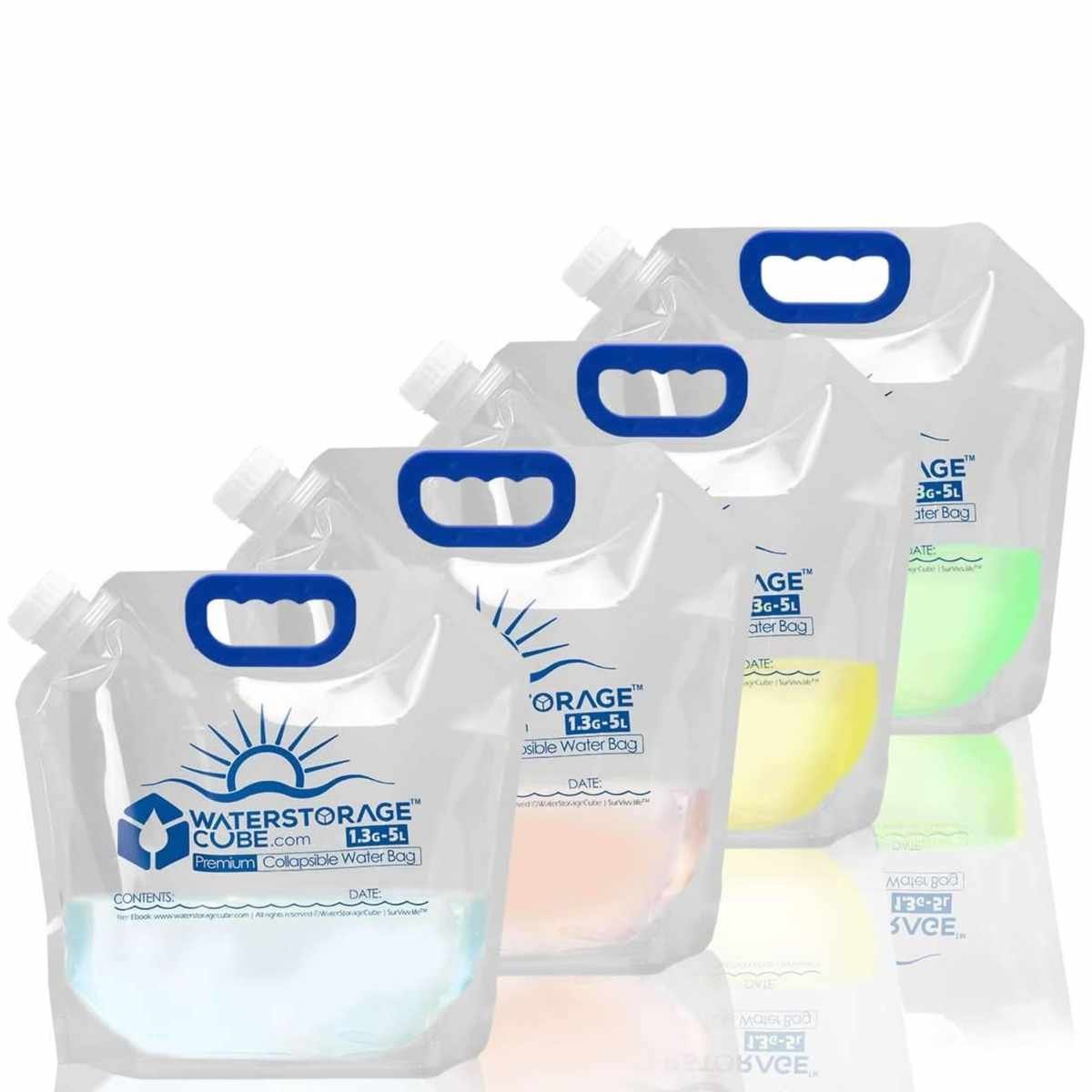 Collapsible Water Storage Cube
These water storage bags are constructed with BPA-free, food-grade PET plastic, ensuring durability and safety, and they fold flat for easy storage.
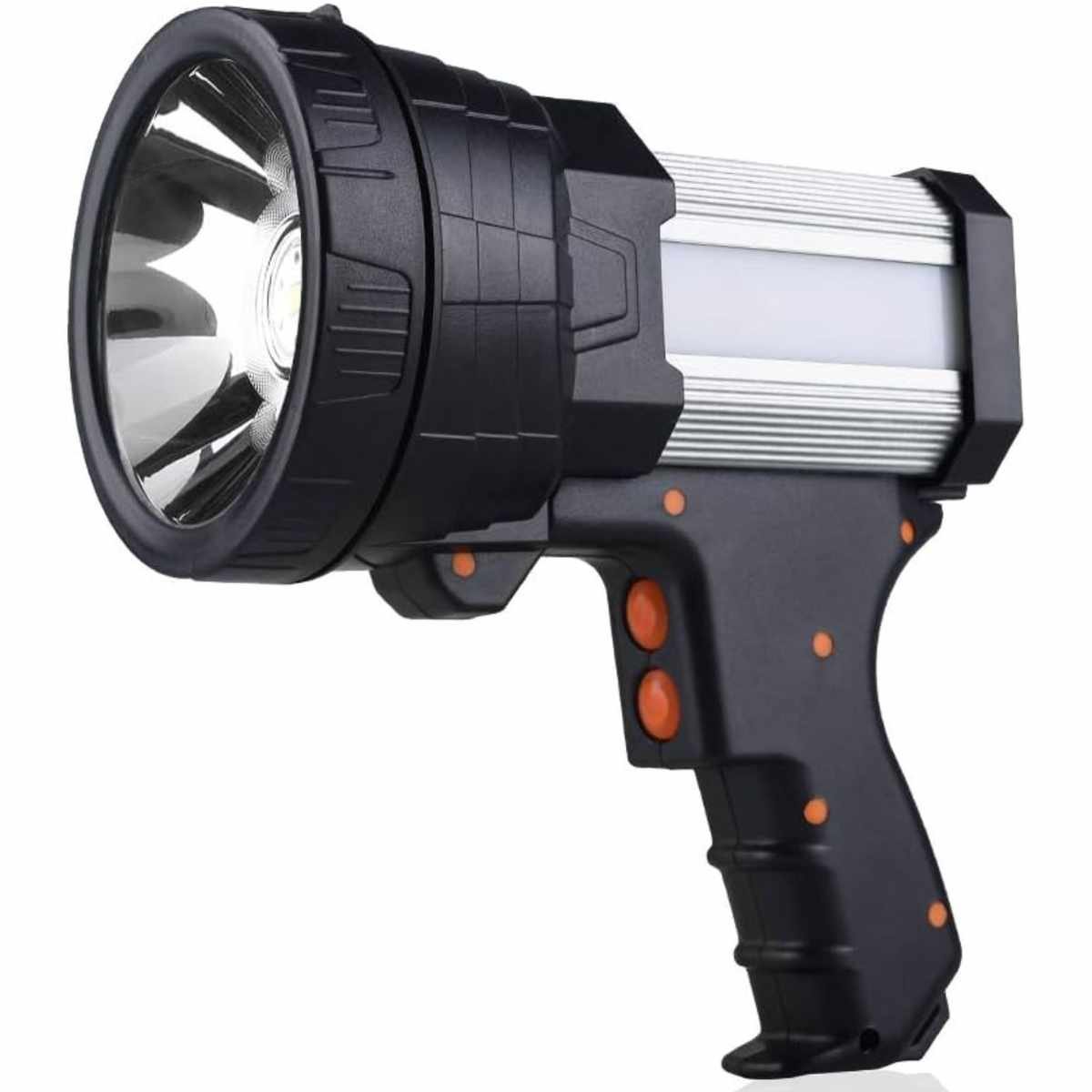 Ultra Bright Rechargeable Spotlight
This torch is an essential piece for any emergency kit, boasting a battery life of over eight hours and a powerful 100,000 high-lumen LED light.
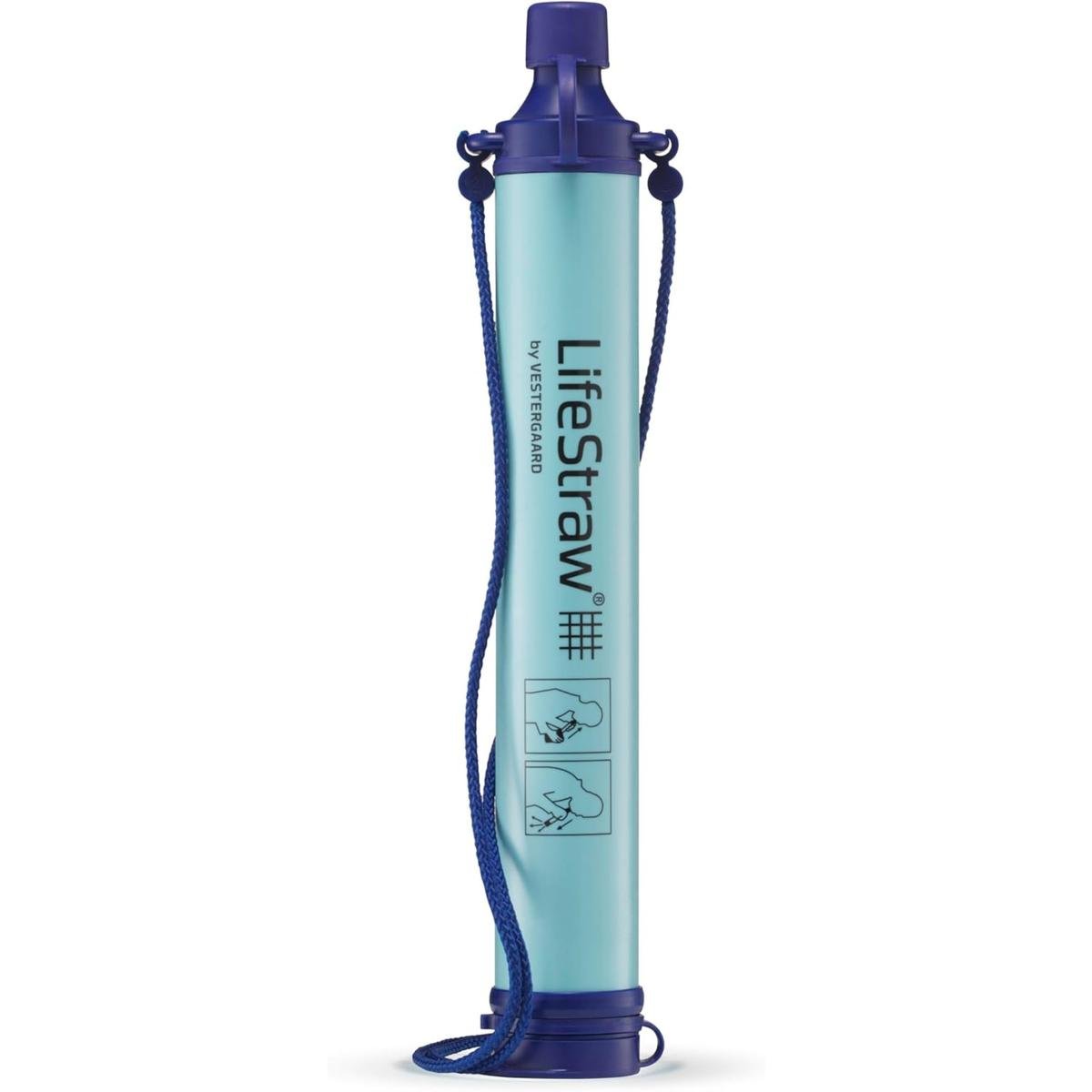 LifeStraw Personal Water Filter
This personal water filter can provide up to 4,000 liters, or 1,000 gallons, of clean drinking water while eliminating 99.99% of waterborne bacteria and parasites.
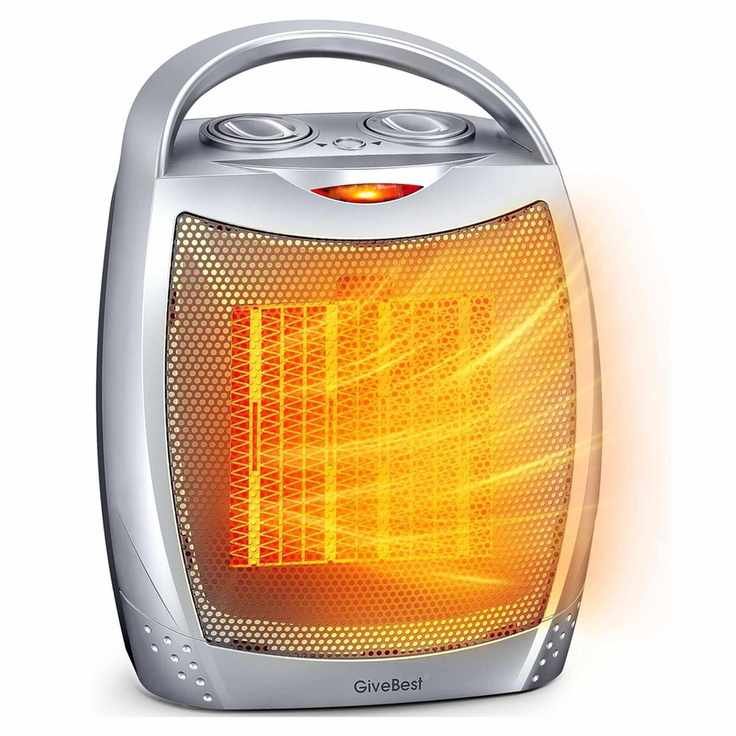 GiveBest Electric Space Heater
This portable heater is efficient, quiet, and quick to heat, featuring a reliable safety system that automatically shuts off if it overheats. It's essential if your heating system fails during a storm.
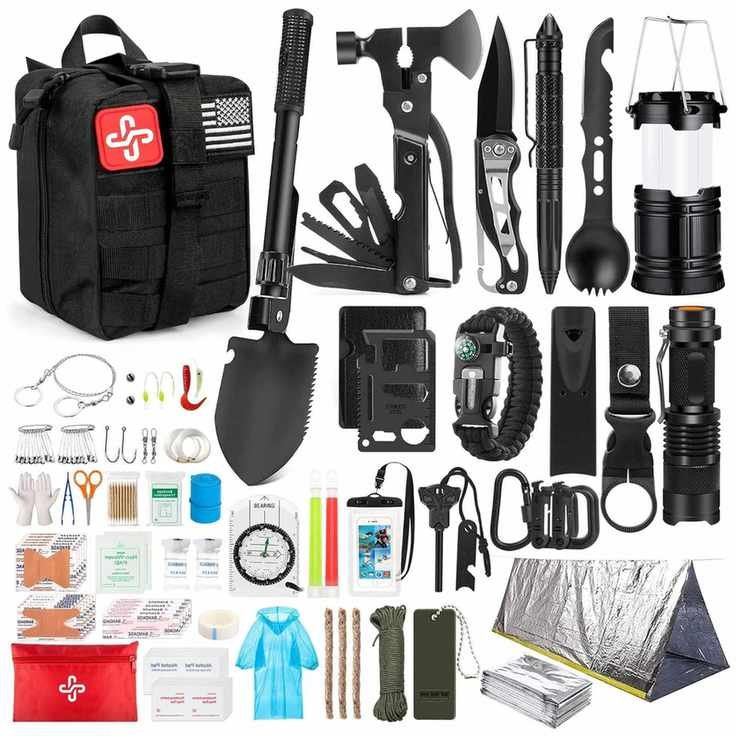 Complete Survival Kit
This bestselling survival kit is curated by survival experts and includes a total of 250 multipurpose survival tools.
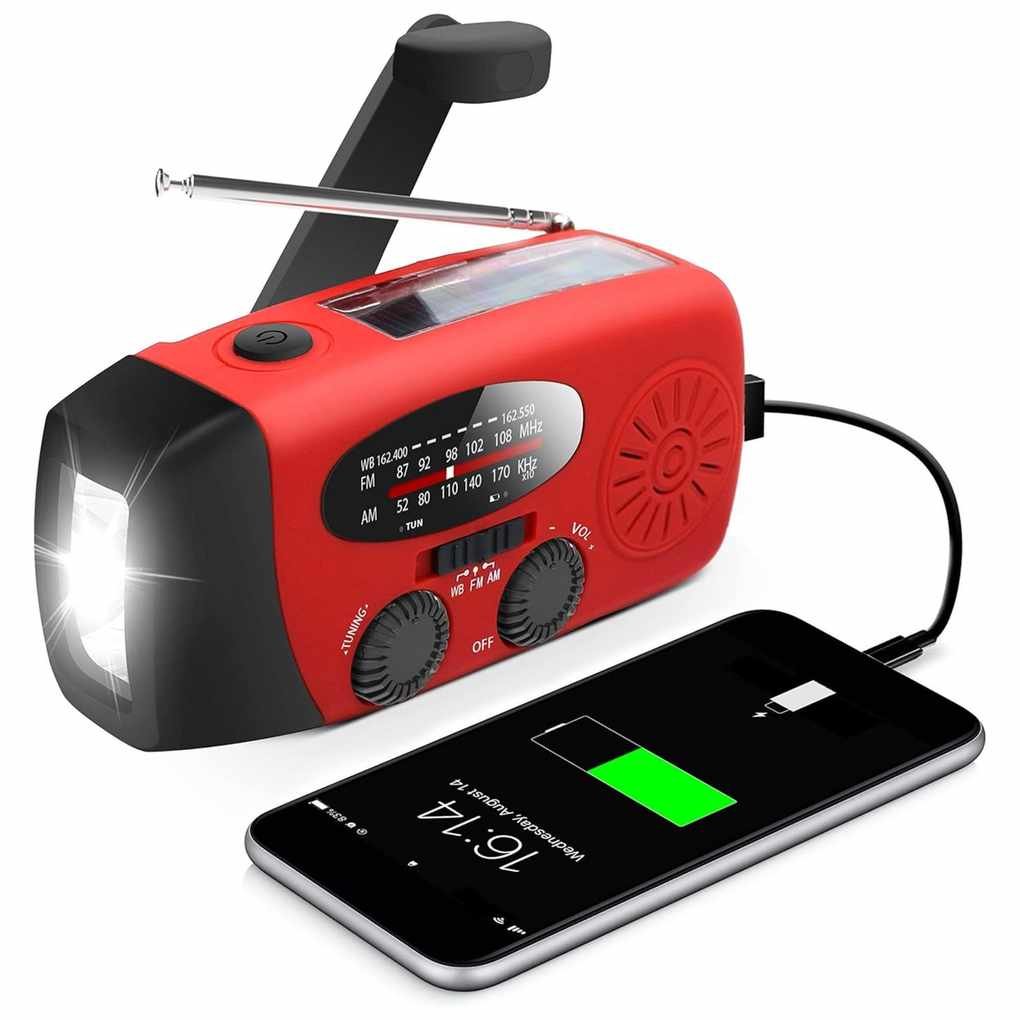 RunningSnail Emergency Radio
This compact emergency radio features a 2000mAh power bank and flashlight, and is compatible with most USB-powered devices.
Meet the Experts

Philip is a chief security and safety advisor specializing in disaster response and preparedness. He is recognized as a leading advisor on risk and disaster readiness and is also a U.S. Navy Veteran and a U.S. Federal Law Enforcement Veteran.

Megan operates a plumbing and HVAC company that has been a family-run business in the Denver area since 1978, bringing years of expertise in residential services.

Joseph serves as the vice president of operations for a plumbing franchise, drawing on over seven years of experience in the home service industry. He has held his current position for more than three years, guiding strategic growth and operational excellence.

Josh founded an HVAC-focused platform in 2014, creating content about heating, air purifiers, and dehumidifiers. As an HVAC technician, he understands the impact of snowstorms on homes.
It's also crucial to know how to pack a DIY hurricane preparedness kit, and how to stay warm if your heating system fails.