Vintage Quilts: Timeless Treasures of Craft and Memory
Vintage quilts blend past and present seamlessly. With designs ranging from geometric to improvisational, each quilt tells a story shaped by the hands that created it.
This month, we celebrate the allure of vintage quilts. In a world favoring quick decor, these pieces stand out as products of patience and creativity, crafted to provide warmth to both body and space.
Quilt History
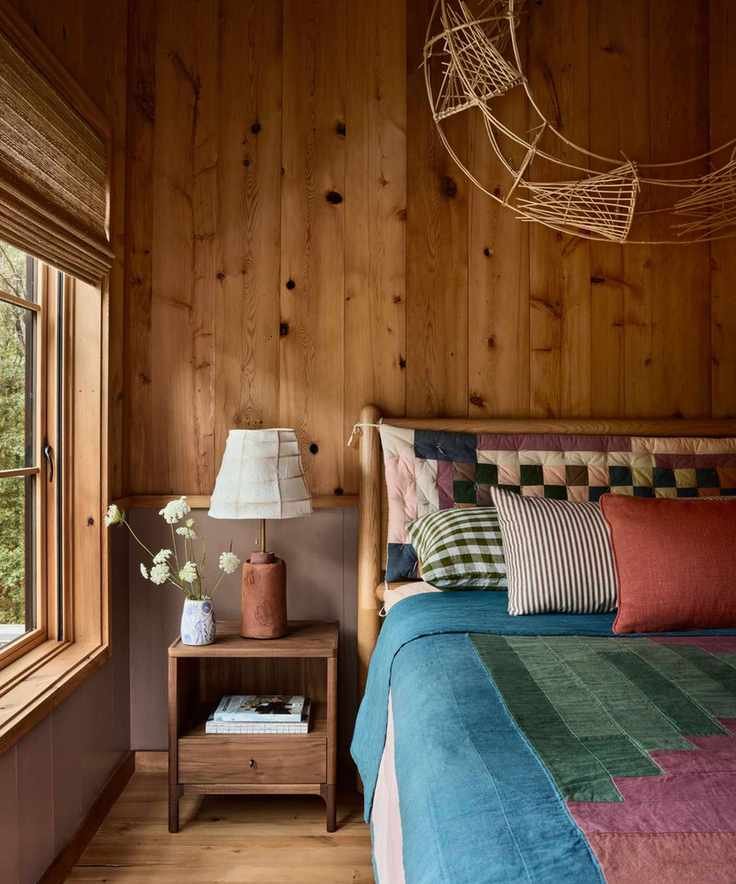
The tradition of quilting in America is rich and social. Originating from England, quilts became a form of democratic art primarily embraced by women, who transformed leftover fabric into functional and expressive works.
“Quilting and patchwork are forms of art and self-expression,” notes textile artist Kate Owen, who restores old quilts and crafts new ones. “A quilt can reflect the fabric remnants of a family’s past, made to keep a loved one warm or given as a wedding gift.”
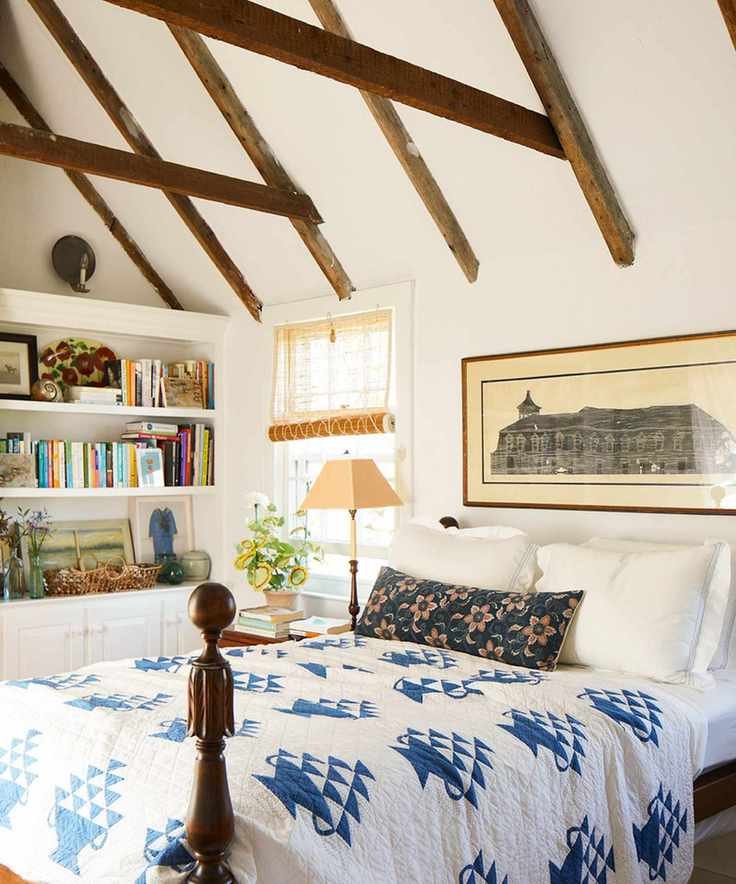
The American Folk Art Museum highlights this deep-rooted tradition. Dr. Emelie Gevalt, Deputy Director and Chief Curatorial and Program Officer, says, “Quilting is an age-old practice that has existed for thousands of years.” Early American quilts were often made from single pieces of fabric, considered luxury items in the 18th century, evolving into pieced quilts in the 19th century as fabric became more accessible, leading to styles like Flying Geese and Lemoyne Star.
Historians and dealers alike stress that early quilts captured migration stories, community connections, and resourcefulness. Christopher Wilson-Tate, an experienced dealer from the Antique Quilt Company, emphasizes the narratives embedded in every quilt: “Each stitch has a purpose. A quilt is not merely made; it’s an artistic composition, like a diary woven in fabric.”
American quilters adapted regional designs—log cabins, stars, medallions—using materials at hand, resulting in textiles that mirror local cultures and domestic experiences.
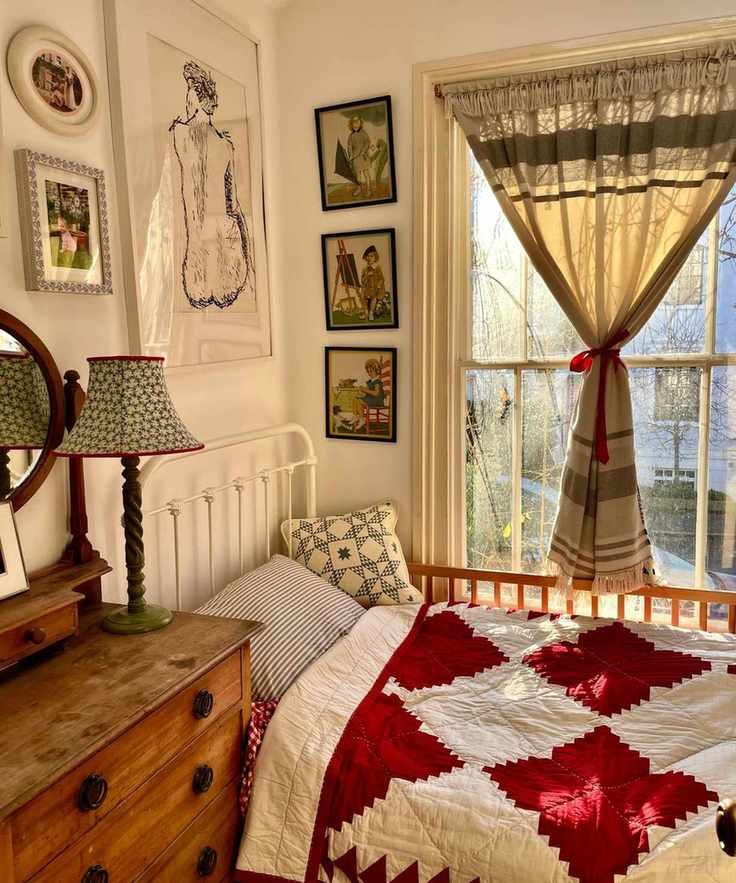
AFAM’s exhibition The Ecology of Quilts places quilts within a broader cultural context. Dr. Gevalt describes them as “remarkable storytellers that endure through generations,” influenced by evolving materials, global textile trade, and the hands of many creators.
Recognizing the histories behind these materials alters our perception of design—botanical patterns often reflect quilters’ connections to local flora, scientific inquiry, or regional vegetation. The message is clear: quilts are archives crafted from place, practicality, and trade networks.
Why Vintage Quilts Are Special
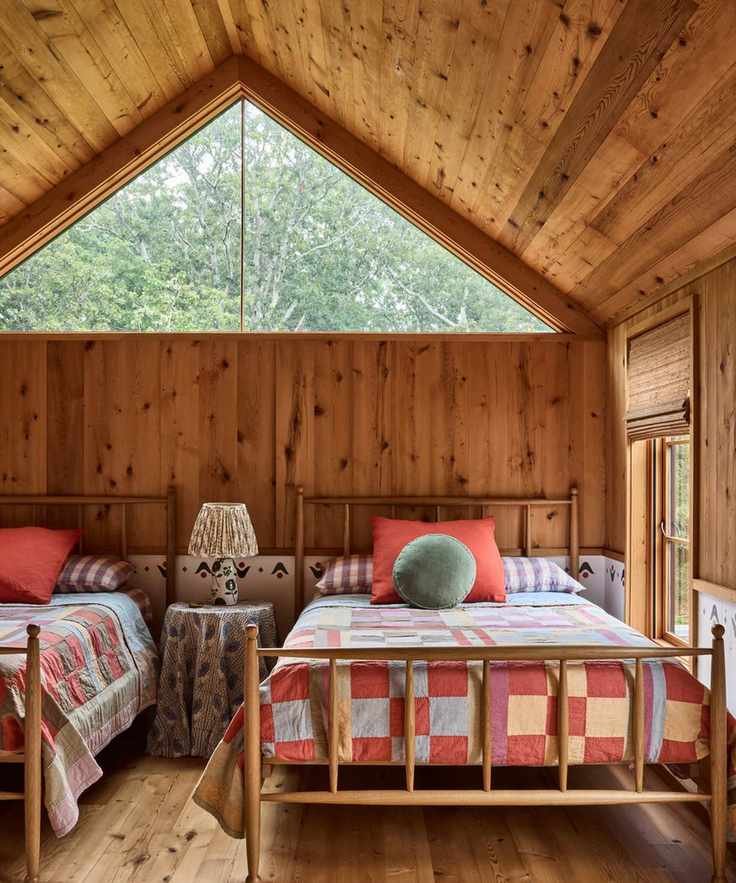
While modern quiltmakers innovate continuously, vintage quilts carry qualities developed over decades. Christopher speaks of a unique transformation that occurs over time—colors that gently fade, cottons that soften with washing, and seams that settle into a distinctive texture impossible to replicate with new materials. These characteristics add to a quilt’s charm and desirability.
Material authenticity is crucial. Designer and antique dealer Ali Mahon highlights that 19th-century quilts were crafted from entirely natural, homespun materials, yielding pieces that were “beautifully imperfect.” Their longevity is no accident; natural fibers and hand-stitching age gracefully, developing a character that feels earned, not manufactured.
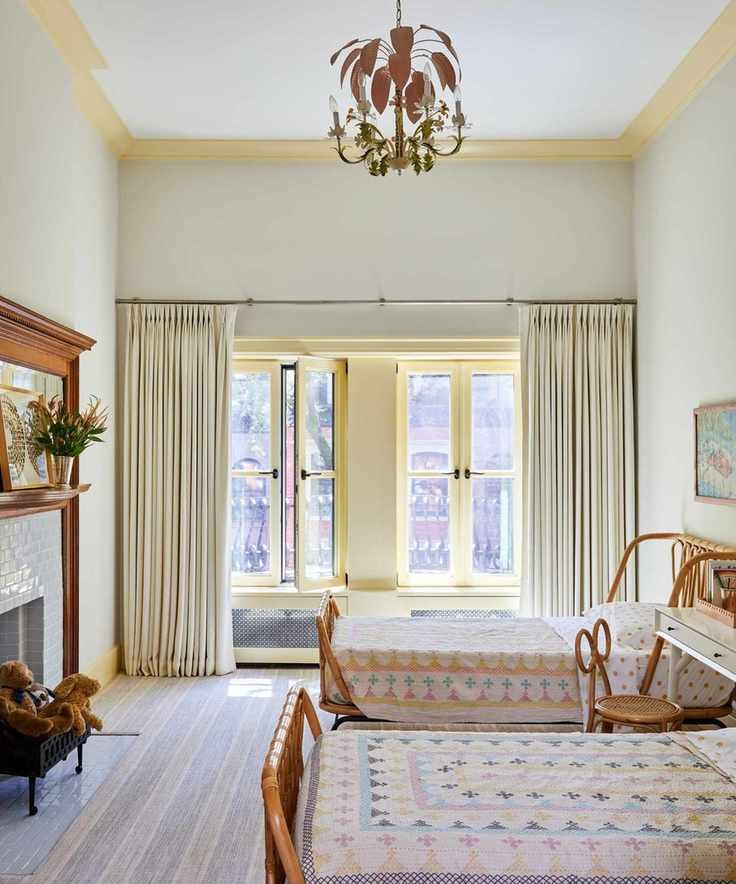
AFAM’s curators suggest that vintage quilts also tell ecological stories that new quilts cannot. Before synthetic dyes and chemicals, the processes of growing, whitening, and dyeing fibers were labor-intensive. Viewing vintage quilts helps visitors appreciate these ecological narratives, shedding light on the pressures—botanical, agricultural, and human—that influenced each textile.
For many designers today, vintage quilts reflect a newfound respect for heirlooms and artisanal goods. Laura Evans and Karie Reinertson from Mother Studio find vintage quilts for their clients and create new ones with the hope that they, too, will age into cherished heirlooms. “The first small tear or stain becomes a visual marker of family history,” they say.
Hospitality brands also incorporate vintage quilts into their designs. At Ash Hotels, creative director Xavier Donnelly commissions custom embroidered quilts inspired by historic Baltimore quilts. He appreciates the vintage aesthetic, stating, “Antique patchwork brings texture and color to spaces, lending a sense of liveliness and charm.”
Repairing quilts is another way to prolong their legacy. Kate frequently mends antique quilts and often uncovers clues about their makers' intentions. Once, she found an older quilt repurposed as batting in a newer piece, illustrating that quilts evolve over generations rather than remaining static.
Styling Vintage Quilts Today
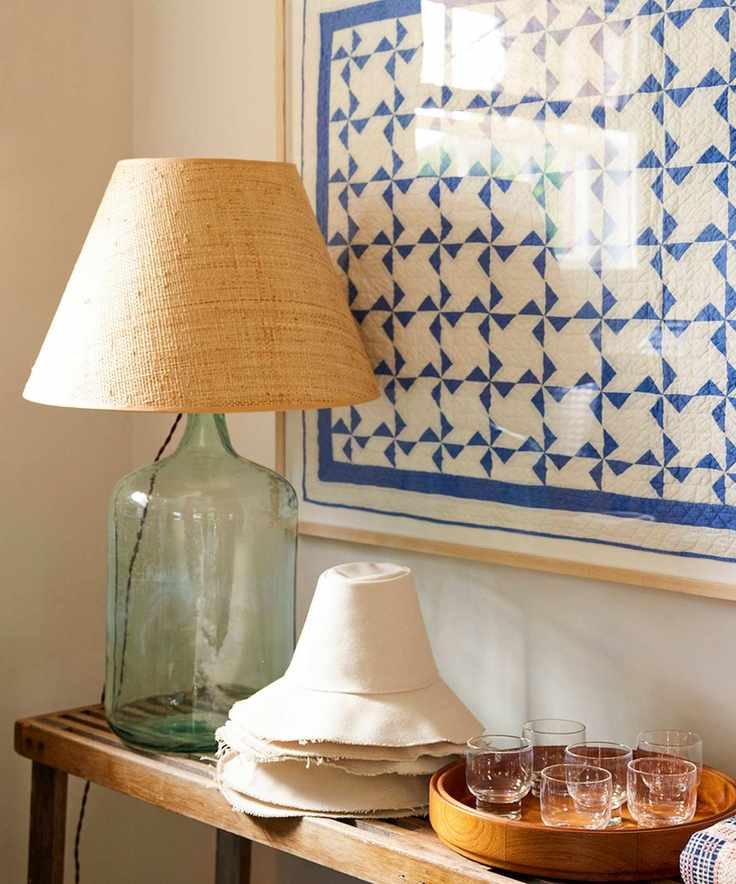
Vintage quilts are designed for use, making them ideal for those looking to add vintage charm without being overly precious. Kate suggests draping them over chairs and sofas, spreading them across beds, or displaying them in ways that honor the artisans’ craftsmanship.
Styling can be as understated or bold as the quilt itself. Mother Studio layers quilts seasonally—over duvets in winter or lighter blankets in summer—to create depth. For smaller quilts, they recommend adding a sleeve for wall display, a technique also favored by Ali Mahon, who enjoys mounting quilts on stretchers for gallery-style arrangements. Christopher views quilts as both texture and narrative, perfect for highlighting on open shelves or as focal points above beds.
For more ideas, Tori Jones Studio offers thoughtful inspiration for displaying quilts in everyday spaces, from layered beds to expertly framed pieces.
Ultimately, vintage quilts bring a unique depth to interiors. They ground a room in genuine material history, reminding us that the most captivating homes are built layer by layer with pieces that carry their own stories.
Finding and Purchasing Vintage Quilts
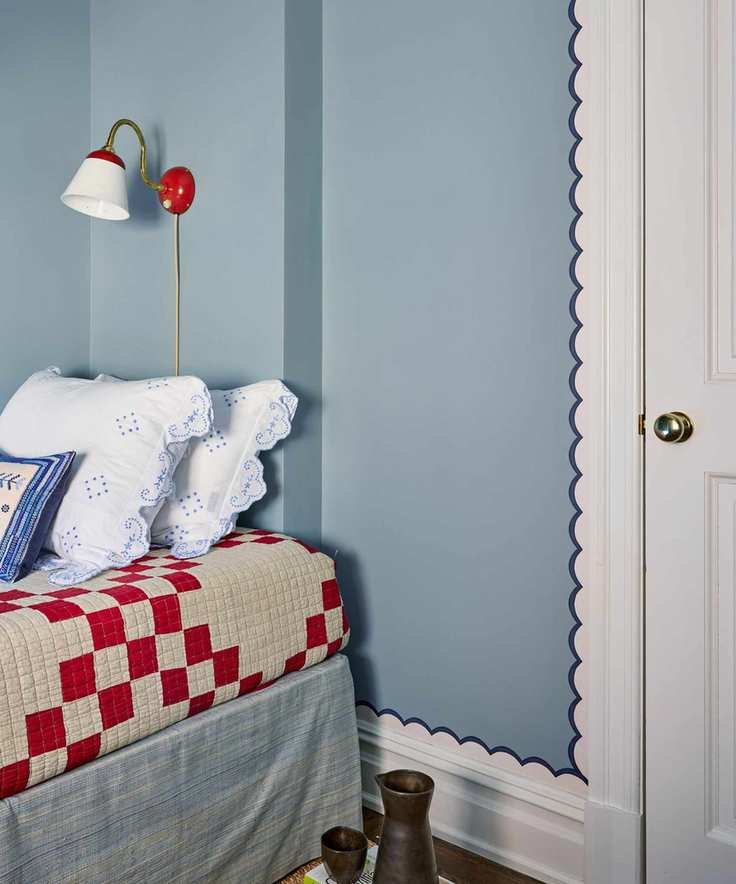
Searching for a vintage quilt requires a discerning eye and an appreciation for the quirks of handmade items. As Christopher suggests, the aim isn’t perfection but character: “Those little irregular stitches or faded corners tell the story of a life well lived.” Natural fibers like cotton and linen age beautifully, and hand-quilted pieces reveal craftsmanship through their stitching. Pay attention to wear: minor fading or small repairs are normal, but steer clear of severe breakdown or heavy staining.
Pattern preferences can vary widely. Ali prefers jewel tones, Double Wedding Ring patterns, and Crazy Quilts, while Christopher notes a resurgence in interest for chintz medallions, Amish geometric designs, log cabins, and star patterns—all of which complement modern interiors. AFAM encourages buyers to consider not just patterns but also the origin of the materials: “Even if a quilt is ‘American’, trace the fabric’s story to enrich its narrative.”
For shopping, options abound both online and locally. Websites like eBay, Etsy, Chairish, 1stDibs, and Instagram enable broad searches and comparisons, but buying from trusted textile dealers ensures knowledge about fiber content, age, and condition. Estate sales, antique fairs like Brimfield or Round Top, and thrift stores often reveal unique pieces or even entire collections.
Explore Vintage Quilts
Better Vintage highlights timeless objects that prove real style improves over time. Each narrative showcases why these items endure, offering insights into their beauty, craftsmanship, and history. This guide provides practical buying tips alongside expert perspectives, celebrating the most iconic vintage treasures.