Understanding Why Your Home Feels Dry and How to Fix It
Have you ever woken up feeling parched, or noticed your skin feels rough despite your skincare routine? A common culprit could be low humidity in your home.
So, what leads to a dry home? Experts identify five key reasons, ranging from ventilation issues to materials that absorb moisture. Fortunately, these problems are typically simple to remedy.
Here, we'll discuss the drawbacks of low humidity and budget-friendly ways to restore balance in your space.
What Causes a Dry Home?
Maintaining the right humidity levels is crucial. Excess moisture can lead to mold, while too little can make your environment feel arid.
Generally, optimal indoor humidity levels should hover between 30-50%. Max Veggeberg, a home service expert, notes that dry air can irritate your respiratory system, leading to symptoms like congestion and itchy eyes.
Additionally, low humidity can cause wooden furniture and fixtures to crack over time.
Here are five primary causes of dry air in your home:
1. Inadequate Ventilation
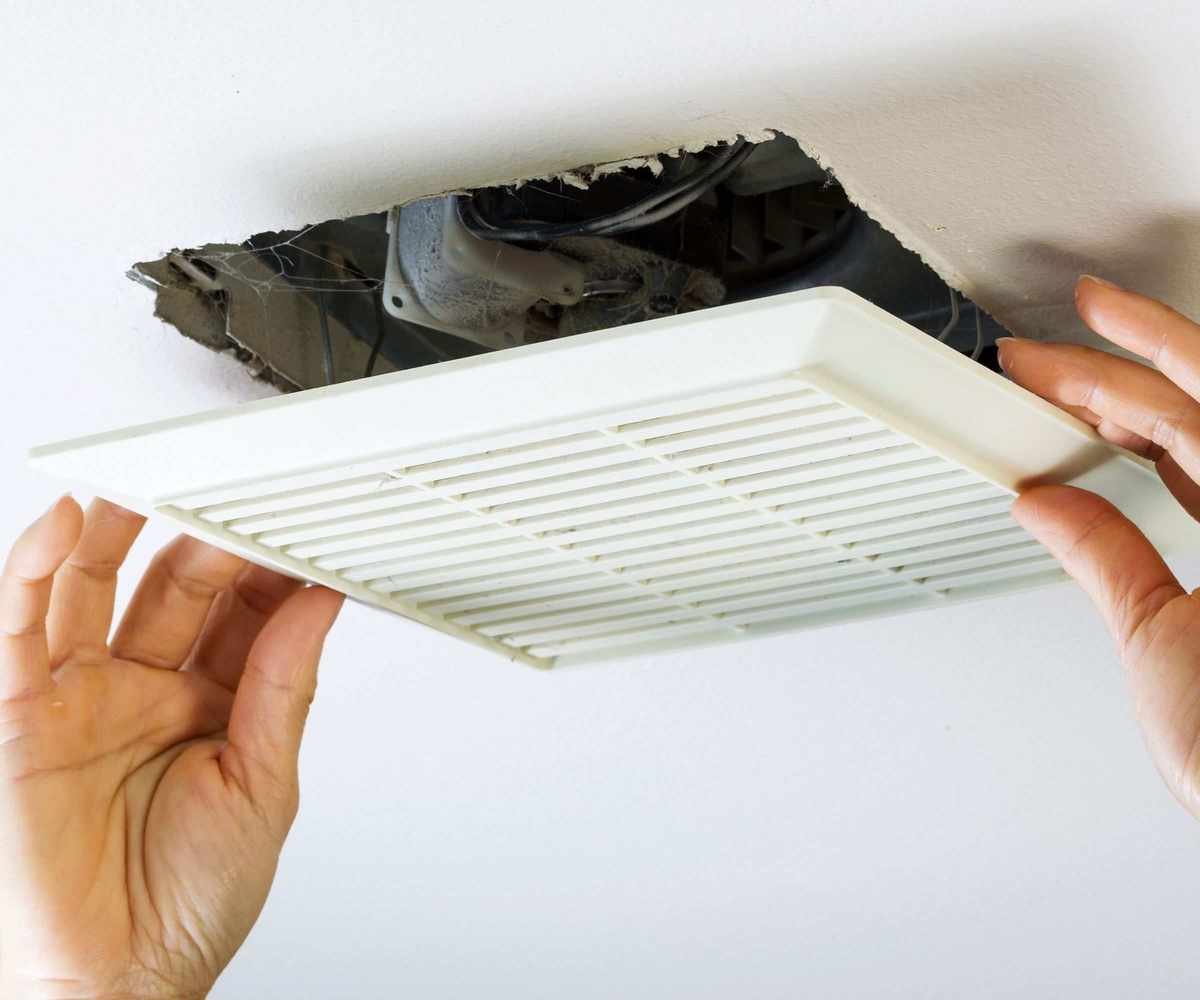
According to HVAC specialist Andy Shu, proper ventilation helps balance humidity by allowing dry air to escape and moist air to enter. Without adequate airflow, dry air can accumulate, particularly during summer when air conditioning runs continuously.
This issue is more pronounced in modern energy-efficient homes.
To improve air exchange, consider enhancing ventilation by opening windows, even in winter, or installing vents throughout your home.
2. Excess Ventilation

On the flip side, too much ventilation can also lead to dry air. Continuous operation of extractor fans or dehumidifiers may draw out necessary moisture.
As Andriy Boyko from A.O. Handy Inc. points out, leaving bathroom fans running for extended periods or constantly cracking windows for fresh air can eliminate humid air, making your indoor environment drier.
Consider turning off these appliances periodically to retain warm, humid air.
3. Overuse of AC or Dehumidifiers

While air conditioning and dehumidifiers are essential in many homes, excessive use can lead to low humidity levels. Max Veggeberg explains that over-drying the air can cause discomfort.
Forced-air heating systems can also exacerbate dryness by raising air temperature without adding moisture, especially during winter months when heaters are in constant use.
4. A 'Thirsty' House

Your home itself might be contributing to low humidity. Andriy Boyko highlights that materials like wood and drywall can absorb moisture, especially if recently installed. This can prevent indoor air from feeling comfortable.
A humidistat can be beneficial for monitoring and maintaining humidity levels to prevent potential damage.
5. Dry Outdoor Air
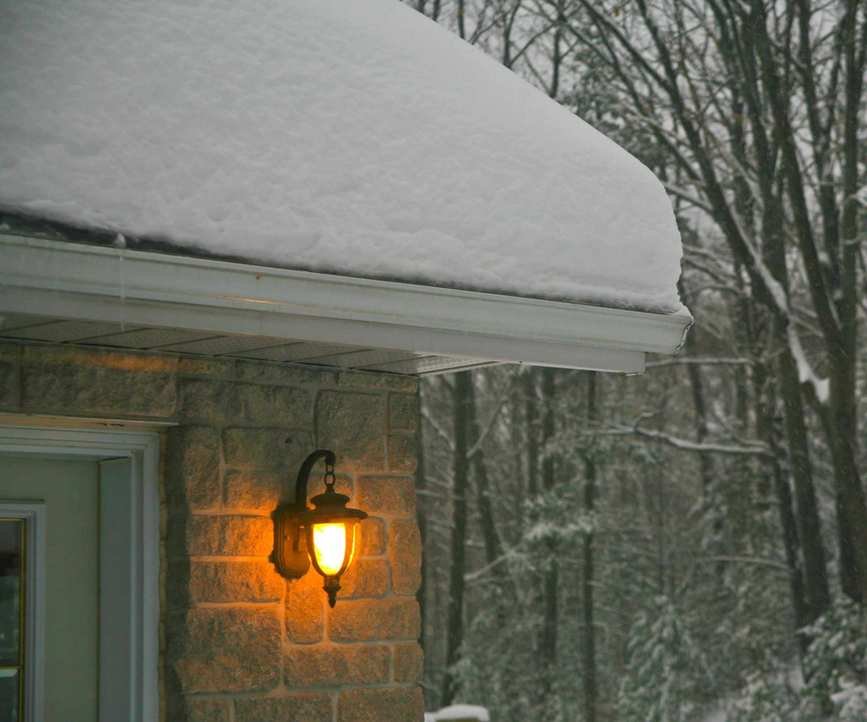
If you reside in a dry climate or endure cold winters, external weather conditions may be the source of your low indoor humidity, according to Max Veggeberg.
He explains that insufficient precipitation or low dew points can contribute to dry indoor air, especially if windows are left open.
Understanding ideal winter humidity levels can help you manage your home's moisture more effectively.
Solutions for a Dry Home

To combat low humidity, the first step is identifying and addressing the cause, whether it's turning off air conditioning or closing windows. Your focus should be on increasing humidity without risking mold growth. Here are five strategies to consider:
- Invest in a Humidifier: Max Veggeberg recommends using a quality humidifier, like the popular easy-fill Homedics cool mist humidifier from Walmart. This device can quickly restore moisture levels. Don't forget to monitor humidity with a hygrometer to maintain the ideal 30-50% range.
- Add Houseplants: To aid your humidifier, consider incorporating moisture-releasing indoor plants. According to Andy Shu, varieties like peace lilies and areca palms [available at Walmart] can naturally introduce moisture into the air.
- Boil Water: Andy Shu suggests boiling water on the stove or keeping the bathroom door open after a hot shower to release steam, a cost-effective way to increase humidity.
- Dry Laundry Indoors: Andy Shu highlights that hanging wet clothes in living areas can boost humidity as they dry. Using a large drying rack from Walmart can help maximize this effect.
- Seal Gaps and Insulate: If your dry air issue stems from leaks, Andriy Boyko advises draft-proofing your home. Inspect windows, doors, and walls for air leaks. Weatherstripping or caulking can significantly improve humidity retention.
 Amazon's Choice
Levoit Top Fill Humidifier, 2.5l Tank
A compact humidifier is often enough to maintain adequate humidity without overdoing it. Always keep a hydrometer handy to monitor levels, adjusting your humidifier as needed.
 Popular Pick
Duck Brand Black Foam Weatherstrip Seal, 2 Pack
Applying foam insulation strips around doors and windows can block drafts, helping to keep humid air inside and preventing dry air from wreaking havoc.
 Bestseller
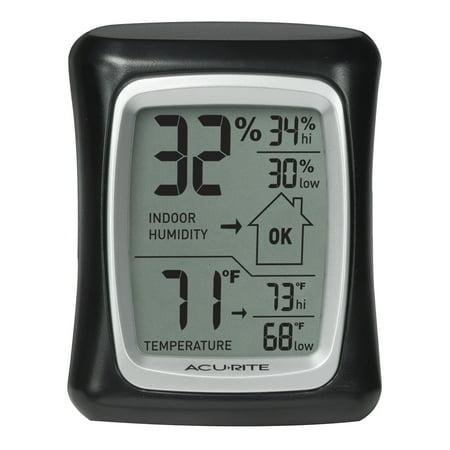
Acurite Indoor Digital Thermometer & Hygrometer
Easily monitor your home's temperature and humidity with this compact thermo-hygrometer. For the most accurate readings, place it away from heating or AC vents.
When adjusting your home's humidity, avoid going too far in the opposite direction. If you accidentally create excess humidity, we've also put together some quick tips to reduce humidity in your house.