Tips for Optimizing Solar Lights During Winter Months
Solar lights are an excellent choice for illuminating your garden. They're affordable, easy to set up, and operate without ongoing costs.
As the seasons change and winter approaches, your solar lights might start to activate later, shine less brightly, and operate for shorter durations. While this may not affect decorative models, it can be problematic for those used for security purposes.
To ensure your outdoor solar lighting remains effective in low-sun conditions, I consulted a solar expert and an electrician for their top recommendations for winter use.
1. Adjust Your Solar Panel Angle

One straightforward method to boost your solar lights' effectiveness is by changing the angle of the solar panel. During summer, a flatter position (5 to 10 degrees) is ideal, as the sun is high in the sky. However, this needs to change as winter arrives.
According to solar expert Andrei Marveaux, 'In winter, the sun is lower, and tilting your panels for better exposure can greatly enhance light capture.' He recommends positioning the panels between 45° and 60° for optimal results during shorter days.
Electrician Bobby Lynn adds, 'Tilting panels directly towards the sun is vital, especially in northern areas where daylight is limited. This adjustment helps batteries charge effectively, ensuring your lights remain bright.' For precise angles, consider using solar panel calculators available online.
2. Use Waterproof Sealant

Though most solar lights are built to withstand the elements, applying an additional layer of sealant can enhance their durability. If your lights have an IP65 rating or higher, they should resist rain and snow effectively.
A clear waterproof silicone gel can be used to seal joints and seams, preventing moisture from entering. Bobby Lynn advises, 'Even if your lights are weather-resistant, adding sealant can provide extra protection against moisture.'
3. Opt for Lithium-Ion Batteries

Rechargeable batteries are essential for solar lights, but cold weather can hinder their performance. Lower temperatures increase internal resistance, making it harder for batteries to hold a charge. If you've noticed your lights underperforming during sunny winter days, the batteries might be to blame.
Switching to lithium-ion batteries can improve performance in colder conditions. According to Andrei Marveaux, 'Lithium-ion batteries are more effective in low temperatures compared to traditional rechargeable options.' If you currently use nickel-metal hydride (NiMH) batteries, consider upgrading to lithium ones.
4. Keep the Solar Panel Clean
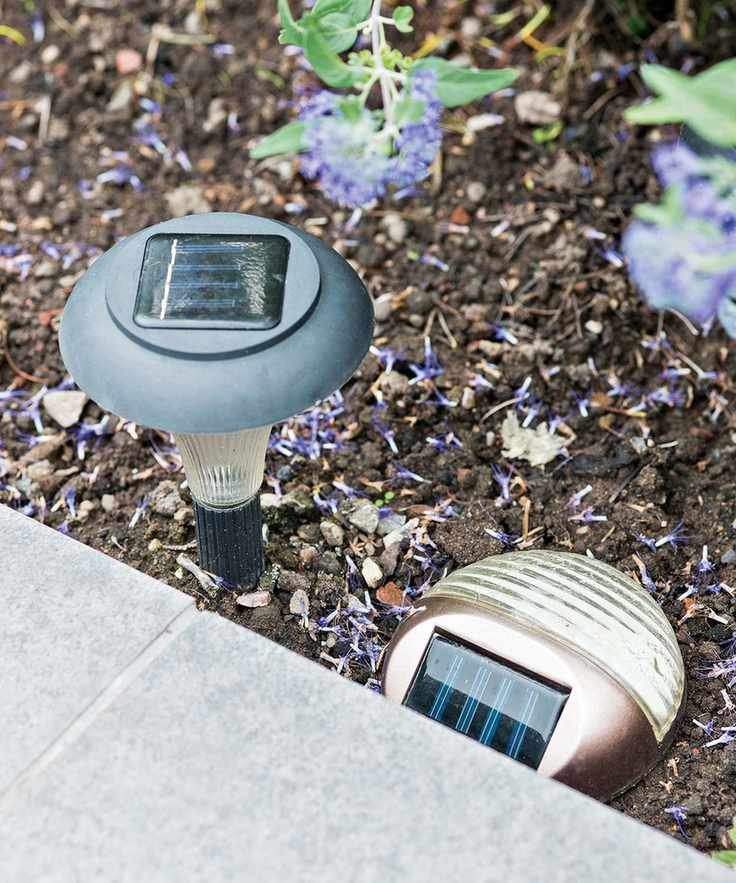
Another important step is ensuring your solar panel is clean. Water droplets can refract light, reducing the amount that reaches the panel, and snow can completely block sunlight.
Andrei Marveaux explains, 'Debris like snow and ice can obstruct sunlight. Regularly cleaning the panel can maximize light absorption.' While it may not always be feasible, wiping the panel dry when sunny can enhance efficiency.
FAQs
Do solar lights function in cloudy weather?
Solar panels work even when cloudy, but their effectiveness diminishes. The shorter winter days significantly affect overall sunlight exposure. Despite this, your solar lights should still operate in cloudy conditions.
For optimal placement, consider facing solar lights south in the northern hemisphere, as the sun predominantly travels in that direction. If you're shopping for new solar lights, we provide tips on selecting high-quality options in our guide.