Revamp Your Compost Bin: Stylish Tips for a Chic Garden Upgrade
Composting is not only beneficial for your garden, but it also allows you to recycle kitchen scraps and other organic waste, saving you money in the process. However, an unkempt compost pile can detract from your backyard's overall appearance. Even store-bought plastic bins can be a bit of an eyesore, lacking visual appeal.
Don't let this discourage you from creating your own compost. With some creativity and knowledge, you can compost stylishly and garden sustainably without sacrificing style.
Below are various ideas to enhance the look of your composting setup, featuring expert guidance. These suggestions range from personalized designs and compact units to clever screening techniques, ensuring you find inspiration for your garden.
1. Create Harmony with Your Surroundings
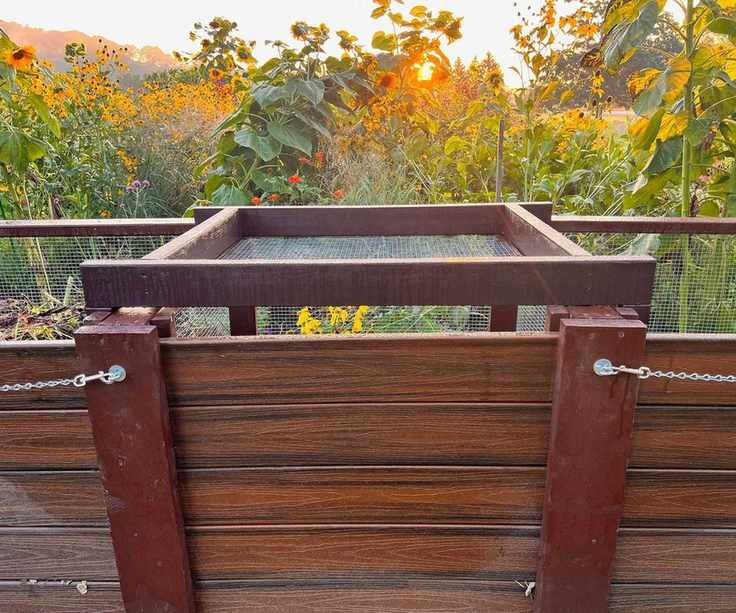
Lynne Lambourne, a sustainability advocate, shares that while pallets are commonly used for compost bins, there are more aesthetically pleasing options available. By incorporating creative designs, your compost area can blend seamlessly with your garden's style.
Lynne suggests using materials that complement your garden's aesthetic—consider woods, metals, or finishes that reflect nearby structures like fences or sheds. If your garden features cedar, slate, or gray wood, consider building your compost bin from similar materials or staining pallets to match for a cohesive look.
Similar to constructing raised garden beds, opt for untreated wood for your DIY compost bin. If you choose to paint or stain, apply it only to the exterior to avoid interfering with the composting materials inside. Look for eco-friendly products suitable for outdoor use, such as Eco Wood Treatment in 'Silvery Patina' available from Amazon.
Consider using steel or galvanized bins, powder-coated metal, or cedar boxes with clean lines—these options can provide a more polished appearance, Lynne notes.

A champion of sustainable living, Lynne Lambourne encourages people to rethink their garden spaces, emphasizing the importance of growing their own food and enhancing biodiversity.
2. Incorporate Compartments and Lids
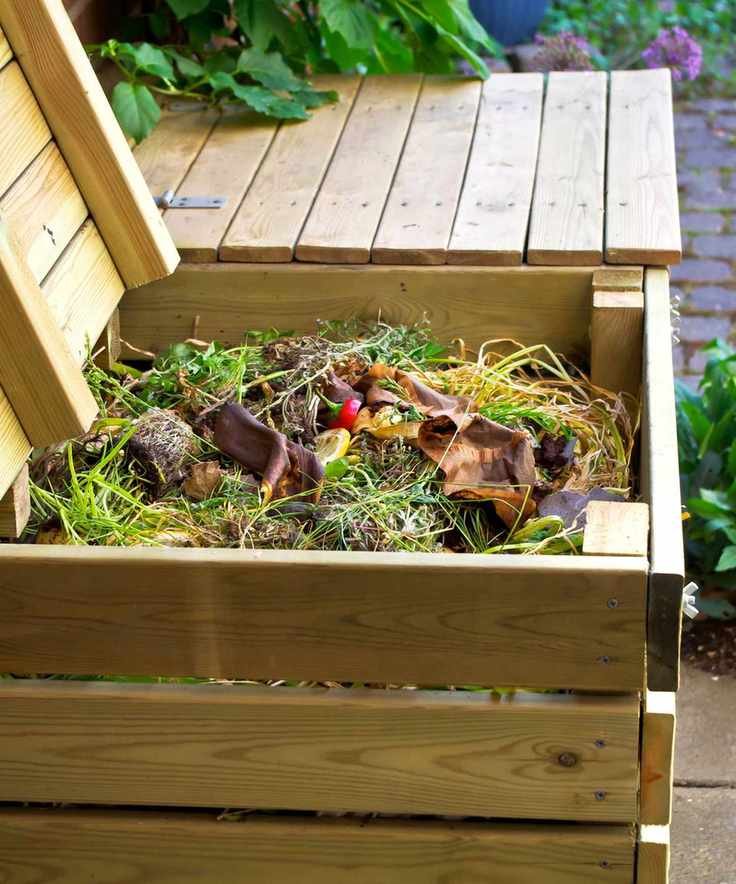
Lynne mentions that having a front door or hinged gate—common features of pallet designs—improves access and enhances tidiness. A lid also protects from rain, giving it a more furniture-like appearance.
If you prefer a pre-made option, check out this 95-gallon wooden composter from Amazon, which features a hinged door and flip-top lid, all at a reasonable price. Just keep in mind that assembly is required.
For larger areas, consider designing your compost setup with compartments or bays, another recommendation from Lynne. Designate one bay for fresh materials, another for partially composted materials, and a third for finished compost. 'This separation adds structure and elevates the aesthetic to a more garden-centric feature,' she explains.
3. Use Hot Composting or Worm Farms for Limited Spaces
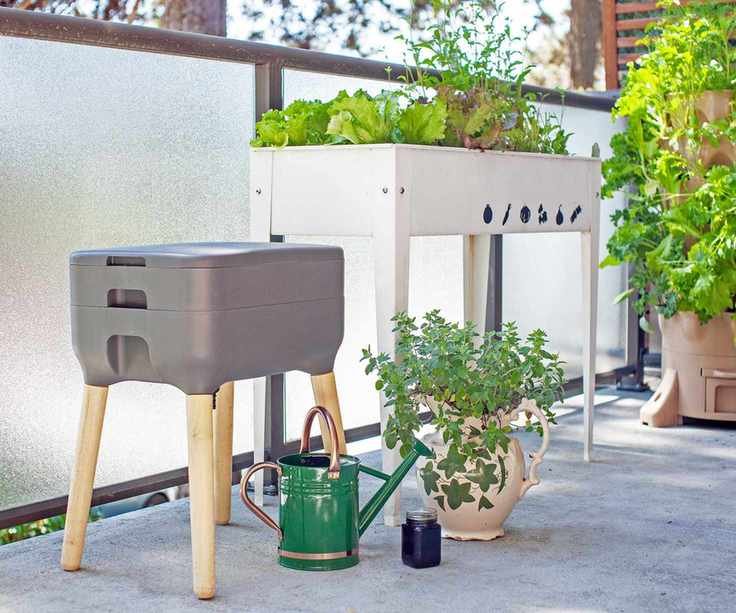
Even small spaces can enjoy the benefits of homemade compost. Hot composting and worm composting setups are typically compact and can even be suitable for indoor use. For example, The Essential Living Composter from FCMP Outdoor at Amazon is designed for indoor use and speeds up the composting process compared to traditional methods.
Lynne highly recommends the HotBin, stating, 'It processes waste more quickly (the heat helps), looks neater, and offers a refined appearance compared to a loose heap. It's visually appealing, compact, and looks great in any garden. I have one, and it occupies minimal space while looking fabulous.'
Interested in a wormery? This bin from Blütezeit has received Amazon's Choice designation, available in both five-tray and three-tray options in various colors.
 Well-rated
What's a wormery without worms? These adaptable creatures are available in packs ranging from 150 to 2,000.
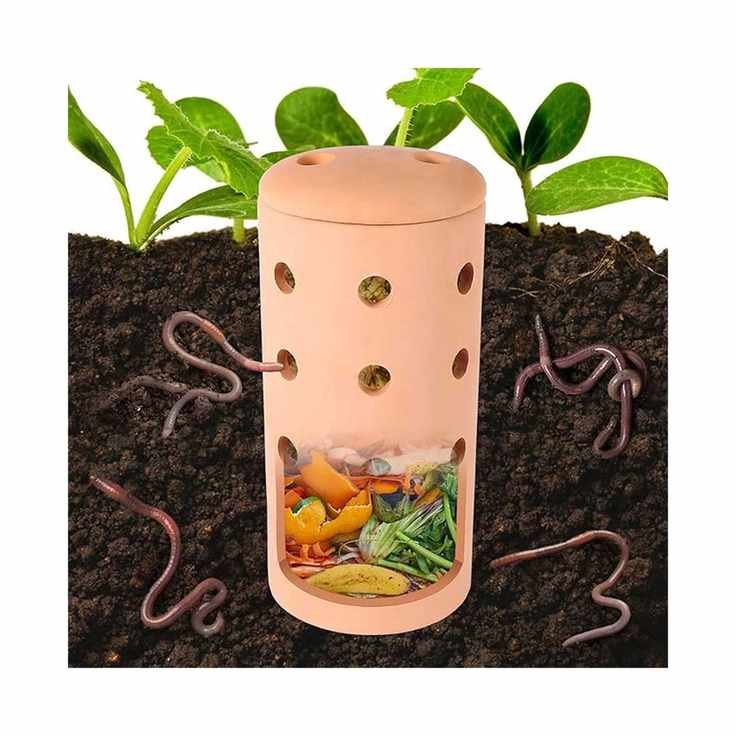 Underground composter
These ceramic worm farms operate underground, keeping composting almost out of sight—ideal for smaller gardens.
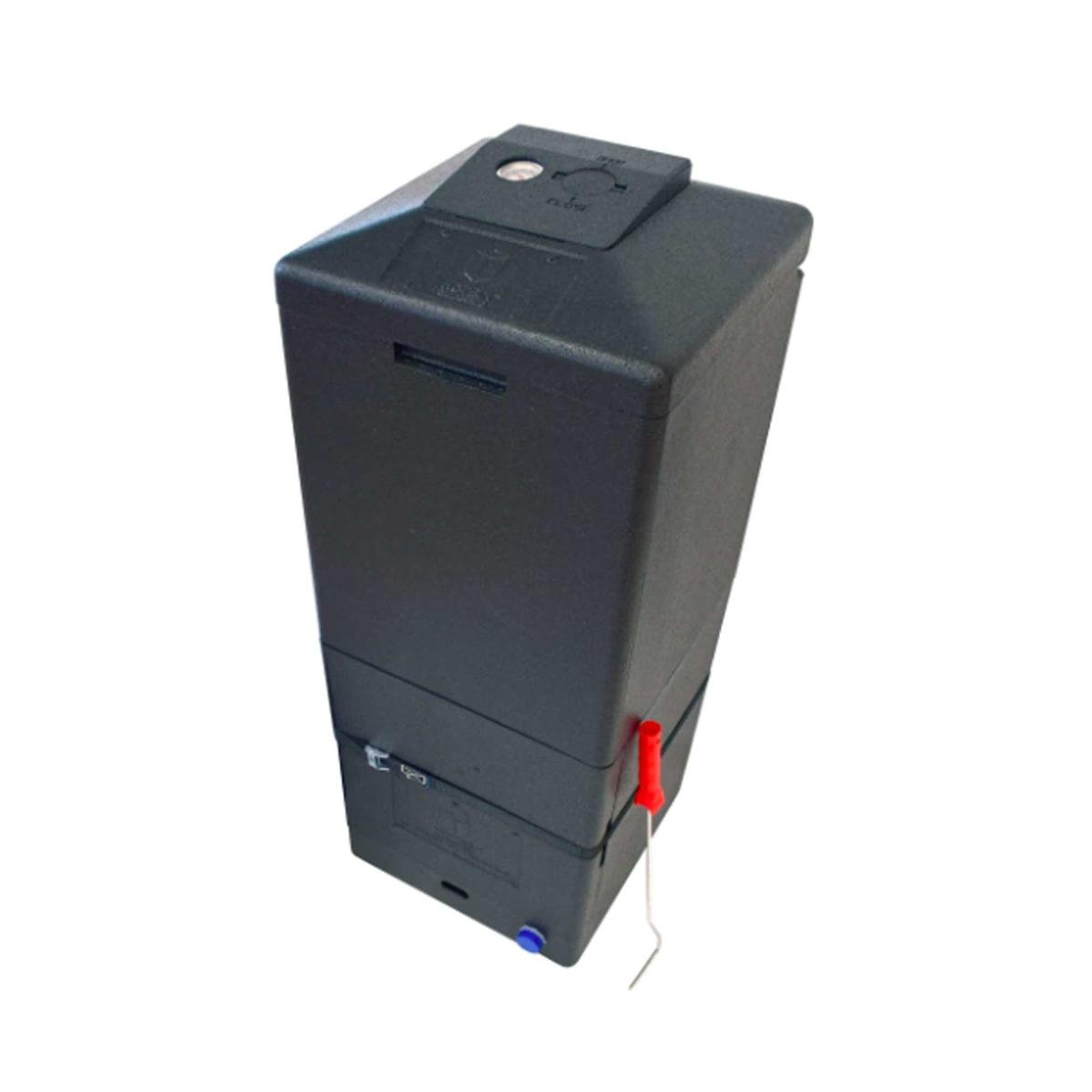 26 Gallons
This award-winning, odor-resistant product includes a lid and can produce compost in as little as 30 to 90 days.
4. Enhance With Decorative Touches
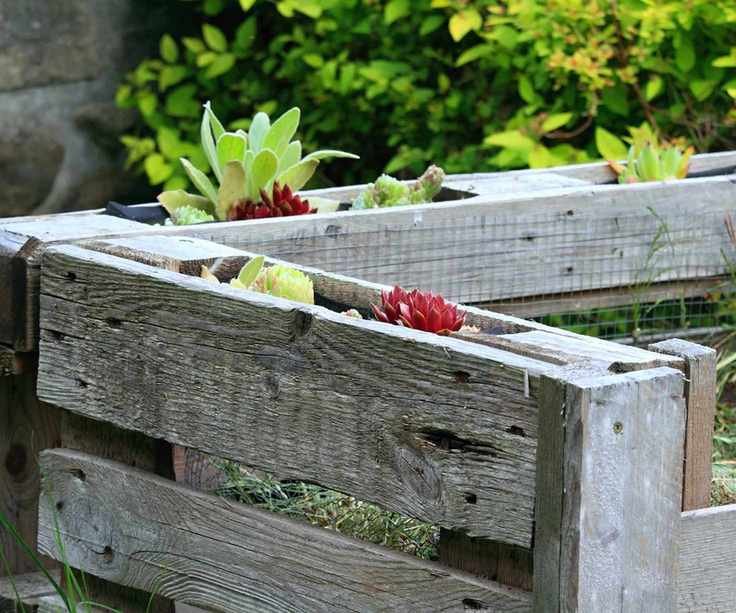
Small decorative touches can elevate your compost bin's appearance. Lynne recommends using stylish hardware like hinges and handles instead of basic nails. For instance, an antique-style metal handle from Amazon can be affixed to a wooden lid.
Lynne also suggests incorporating signage around your compost bin, such as a handwritten chalkboard or a wooden or metal plaque. This not only adds purpose to the space but can also serve as labels for different compartments or add a playful touch.
If you're enhancing a compost area made from pallets, consider turning the top edges into planters for added color and life. Simply line burlap (available from Amazon) inside, fill with potting soil, and plant your favorite flowers.
5. Conceal It From View
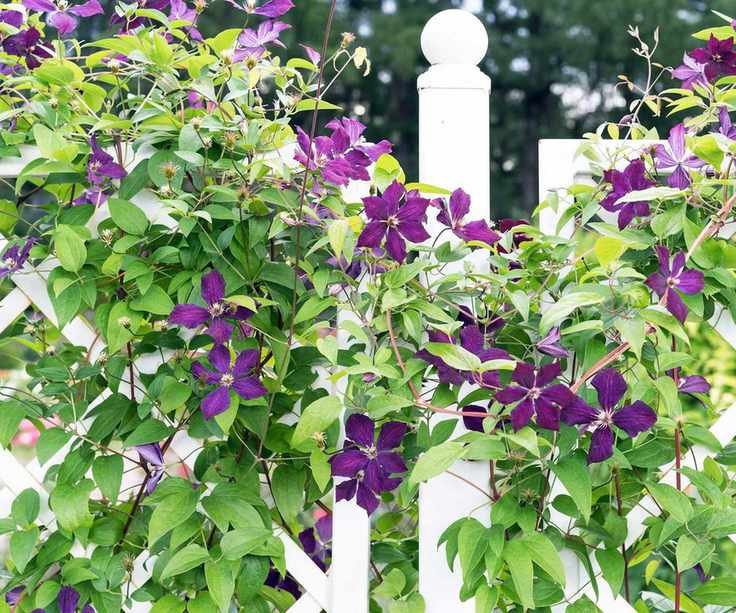
Sometimes, the best option is to hide your compost bin altogether, and several strategies can help achieve that.
Chris Bonnett, founder of GardeningExpress, advises that if you have a traditional compost bin, you can blend it into your garden by planting around it. Consider using tall ornamental grasses, bamboo, or evergreen shrubs to create a natural screen for your composting area.
If planting directly into the ground isn't an option, large planters can be placed nearby, or you might opt for a planter box with a trellis (available from Amazon), adorned with climbing plants like clematis.
Alternatively, consider installing stylish garden screens or fences made of woven or laser-cut metal designs to obscure your composting space from the main yard.
FAQs
How can I divert attention from my compost bin?
Chris suggests that a common technique gardeners use to detract from an unattractive garden area is to create a focal point elsewhere. Features like water features, fire pits, pergolas, or trees can naturally draw the eye away from your compost bin's location.
How can I prevent my compost bin from smelling unpleasant?
Improving the appearance of your compost bin isn't the only concern; its smell can also be an issue. This is particularly true for small yards, where an unpleasant odor can disrupt the relaxing atmosphere of nearby patios.
The good news is there are ways to minimize bad odors in compost, which generally involve avoiding common composting mistakes. By adding materials in the right way and proportions, you can keep unwanted smells to a minimum.
'Composting is vital for sustainable gardening, so incorporating it thoughtfully into your garden design is essential,' Lynne emphasizes. 'Your compost heap should be a priority in your garden layout rather than an afterthought.' With these tips, you can ensure that your compost bin is both functional and visually appealing.
Explore More Composting Accessories
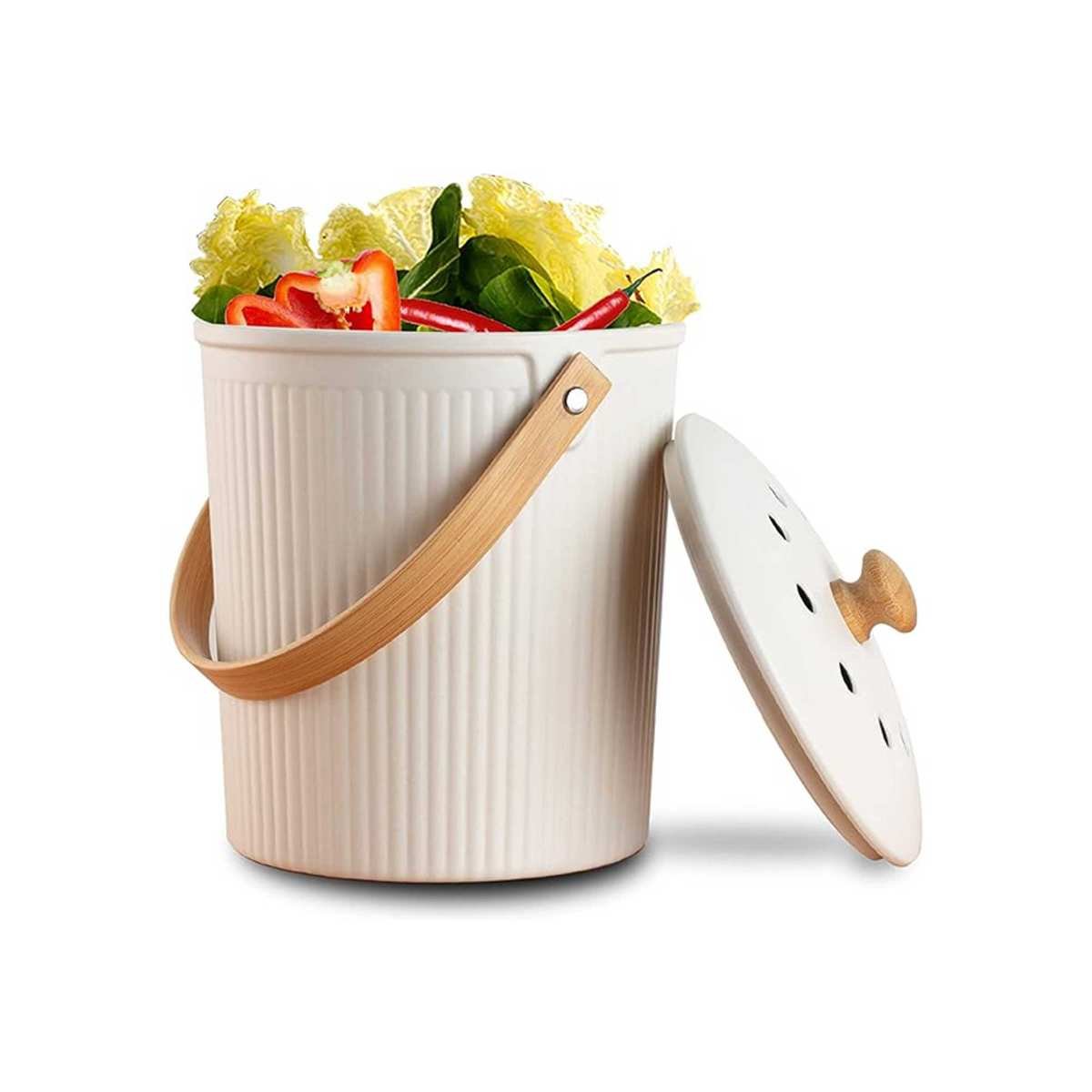 Three color options
This stylish bucket, made from bamboo fiber, makes it easy to collect kitchen scraps before transferring them to your outdoor bin.
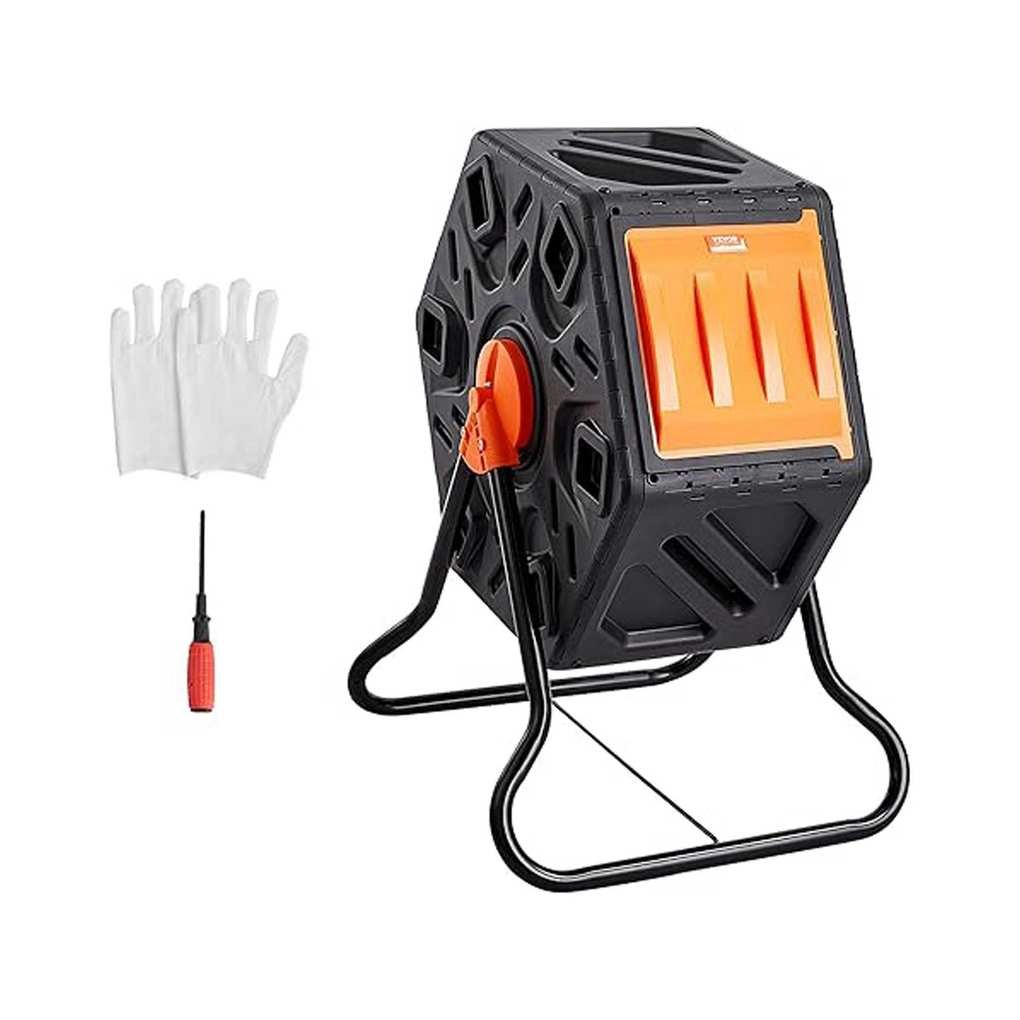 Compact design
This BPA-free, 18.5-gallon tumbling composter is perfect for small spaces and has excellent customer reviews.
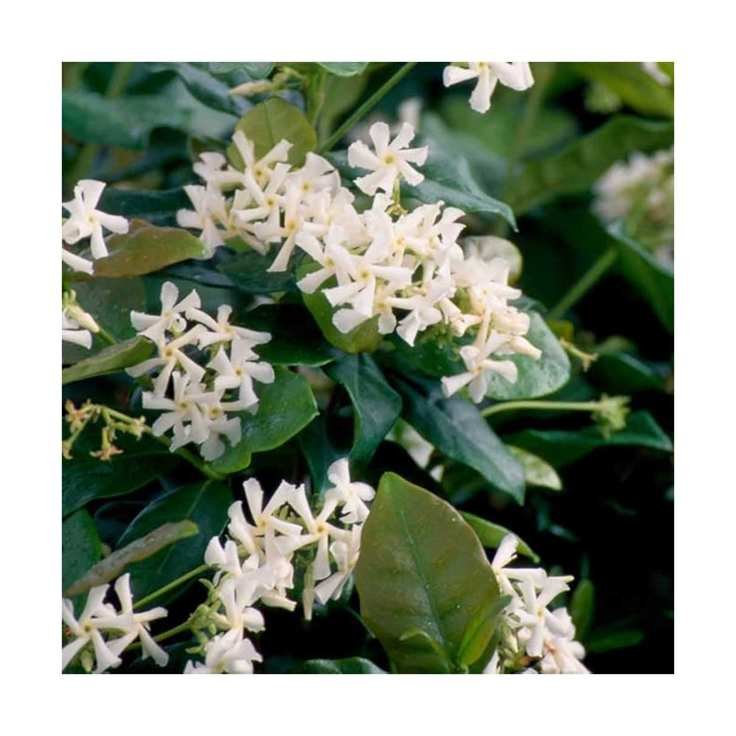 For a botanical screen
Plant star jasmine in a planter box with a trellis, and it will swiftly form an evergreen (and fragrant) barrier between your composting and outdoor living areas.