Keyhole Gardening: Transform Your Backyard with This Sustainable Method
Keyhole gardening is a distinct permaculture technique featuring circular raised beds with a central cutout resembling a keyhole.
At the heart of this design lies a compost basket that collects yard and kitchen scraps. As the contents decompose, they release nutrients into the surrounding soil when watered. This process fosters a microclimate where organisms like earthworms thrive, improving soil quality. The keyhole shape offers convenient access to both the growing area and the composting basket.
This gardening method has been embraced by landscape designer Giulio Giorgi, who incorporated it into his inaugural garden at the UK's RHS Chelsea Flower Show, dubbed the ‘World Child Cancer UK Nurturing Garden.’
Giulio chose this method not only for its sustainable aspects but also for its adaptable height, making it accessible for everyone. Let’s explore why this innovative approach is worth considering.
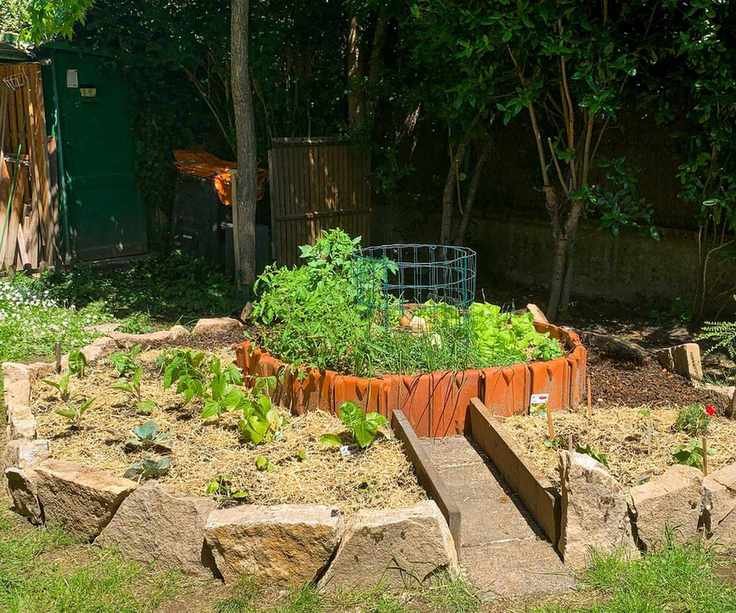
A keyhole garden featuring a central compost area
Tips for Creating Your Keyhole Garden
Building a keyhole garden is doable for anyone. While you'll need some materials, it’s a project you can tackle on your own.

Giulio Giorgi is an accomplished Italian landscape designer, horticulturist, and writer. He has background training in agronomy and ecology across Italy, France, and Norway, with experience in organic agricultural research. At the RHS Chelsea Flower Show, he designed the World Child Cancer Nurturing Garden, supported by Project Giving Back.
Core Components of Keyhole Gardening

Concept sketch of Giulio Giorgi's raised keyhole beds for the World Child Cancer UK's nurturing garden at RHS Chelsea
The key elements of keyhole gardening include the raised bed's unique shape, the central compost cage, and a watering method that facilitates nutrient distribution throughout the soil.
Watering from the center allows moisture to flow through the compost, nourishing the entire bed and ensuring a consistent supply of nutrients.
Ideal Climates for Keyhole Gardening

Originating from sub-Saharan Africa, keyhole gardens address the challenges of crop cultivation in difficult conditions.
Giulio notes, “They employ a raised bed design to effectively cultivate vegetables in adverse soils and climates, particularly during droughts, as the structures retain moisture and nutrients above ground.”
While particularly beneficial in drought-prone regions or areas with poor soil, anyone with adequate space can set up a keyhole garden.
Steps to Build a Keyhole Garden

Giulio suggests that a keyhole garden requires a flat area with a diameter of at least 6 feet. This size allows the compost nutrients to reach all roots, supporting the growth of vegetables, herbs, and other plants.
He has designed raised bed structures for his Chelsea Flower Show garden that fit together like modular blocks, needing no concrete or chemical adhesives for assembly. This approach demonstrates how gardeners can create similar structures using materials like terracotta bricks.
These designed clay bricks feature perforations for interlocking, creating stable raised beds in various sizes. They are also crafted for temporary gardens, allowing easy disassembly and reuse with minimal waste, enabling creative shapes and patterns. For extra stability, wooden stakes can anchor the blocks through their bespoke perforations.
Here’s what you need to create your own keyhole raised beds:
- Rocks, bricks, logs, or wooden panels
- Chicken wire, like this galvanized mesh chicken wire from Amazon
- A hammer or mallet
Here's the method:
- Find a flat area suitable for a bed about 6ft in diameter. Keyhole beds are typically 2-3 feet high.
- Using a wooden stake with string, stand at the center of your intended bed and trace a circular outline.
- Determine the location of your access path, leaving 20 to 26 inches from the outer edge to the center.
- Insert the chicken wire compost cage into the center of the bed, securing it with strong garden wire or stakes. Adding stones at the base will help with aeration.
- Construct the outer walls of the raised bed using your chosen materials, ensuring they can support the soil.
- Once the perimeter is secure, fill the keyhole bed with quality soil, ideally mixed with homemade compost or mulch for drainage. Maintain a slightly higher soil level around the compost area to promote proper drainage.
- Now, plant your garden! Fill the compost cage with kitchen scraps and garden waste, and plant your selected edibles or ornamental plants.
Giulio hopes his garden design and plant selections will spark meaningful conversations. He believes it exemplifies how sustainable gardening practices can be integrated into gardens worldwide as we learn to appreciate our planet's resources for growing crops and plants.
Common Questions
Are keyhole gardens suitable for beginners?
Absolutely! Keyhole gardens are excellent for novice gardeners looking to grow their own vegetables. Their accessible design makes them perfect for gardeners of all ages, and they are easy and economical to construct.
What are the drawbacks of keyhole gardening?
The appearance of keyhole gardens may not be perfectly tidy, as they can be made from various materials. Since the composting basket is crucial to their function, consider placing them further from your house if space allows.
As a unique variation of raised bed gardening, keyhole gardens offer substantial advantages for gardeners of all skill levels. To explore more about growing in raised beds and permaculture practices, check out our guide to no-dig gardening.